PUTRAJAYA, April 14 — The National Film Development Corporation (FINAS) will hold townhall sessions with creative industry players soon to ensure no one is left behind in the job market despite the sector’s continuous growth.
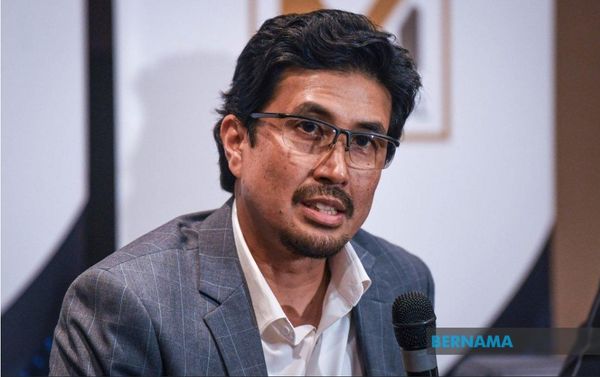
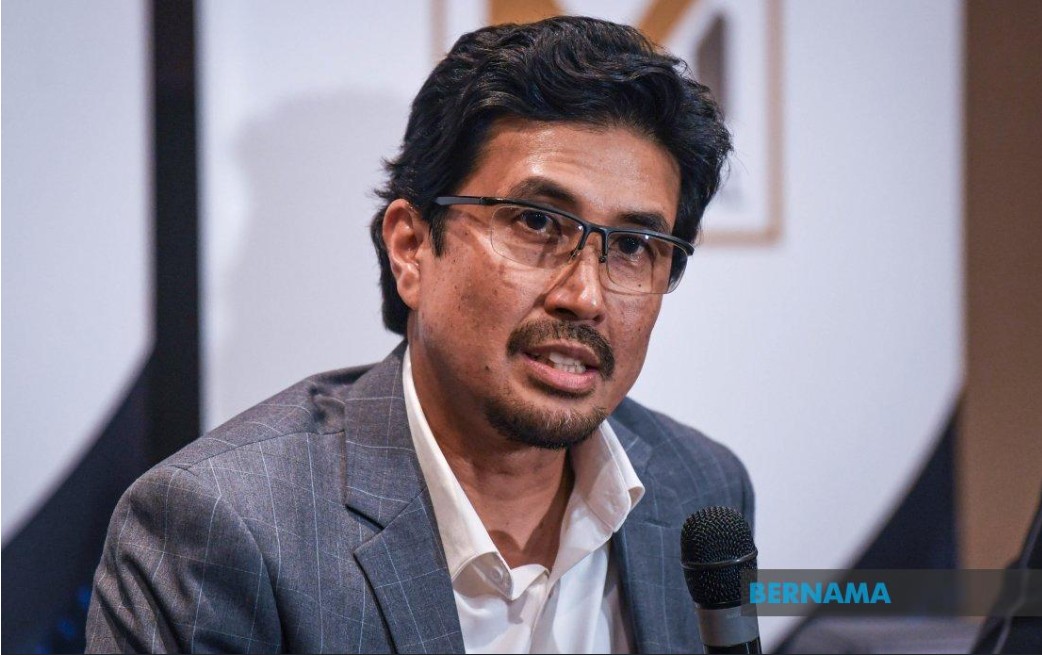
FINAS chief executive officer Datuk Azmir Saifuddin Mutalib said this is important to understand the real issues faced by industry players and to obtain direct feedback from them, especially in the context of rapid changes in business models and technology in the creative industry.
He said although data shows an increase in jobs through various initiatives, including international projects and digital platforms, there are people still facing difficulties finding work.
“We do not want to turn a blind eye. If there are individuals who have fallen through the cracks and are unemployed, we need to look at this matter more comprehensively and collaborate with associations to identify who needs assistance,” he told the media after a memorandum of understanding (MOU) signing ceremony between FINAS and Multimedia University (MMU) yesterday.
He said this when commenting on claims of some artistes who advised young people not to get involved in the industry because it was alleged that there were no job opportunities.
According to Azmir Saifuddin, field observations indicate the country’s creative industry remains active, with various production projects underway in several locations including Langkawi and Johor, signalling a sustained high demand for industry labour.
“For example, Astro this year has about 20 films that it will produce and distribute. This means that over a period of two years, there will indeed be around 20 films from Astro. In addition, there will be around 10 to 15 films from Media Prima, and platforms like Viu and iQIYI will also produce several series for local production,” he said.
He said the implementation data of the Film in Malaysia Incentive (FIMI) initiative showed that around 12,000 jobs were created over a period of 14 to 15 years, reflecting the sector’s continuous growth.
Azmir Saifuddin said the use of local crews in international projects now reaches around 70 to 80 per cent, far exceeding the minimum requirement of 30 per cent set since 2013, while in the field of animation, the involvement of the local workforce reaches almost 90 to 95 per cent.
Meanwhile, he said the changes in the industry’s business model, including the shift of advertising to digital platforms and the rise of streaming channels (over-the-top or OTT), require the industry’s workforce to enhance their skills and competencies to remain relevant.
Additionally, Azmir Saifuddin said FINAS also implements skill development programmes such as Technical and Vocational Education and Training (TVET) and Accreditation of Prior Experiential Learning (APEL) to help industry practitioners enhance their qualifications and adapt to new technological developments.
He said about 50 industry players participated in the diploma programme based on Recognition of Prior Achievement (RPL) last year, which allows individuals with up to 20 years of experience to obtain formal academic qualifications.
He also said FINAS provides support to industry veteran groups through special funds, as well as the appointment of industry practitioners as supervisors in projects under certain funds, allowing them to receive monthly payments throughout the project period.
Azmir Saifuddin added that the approach reflects FINAS’s commitment to ensuring the development of the country’s creative industry proceeds inclusively and sustainably in line with the rapid changes in the global industry ecosystem.