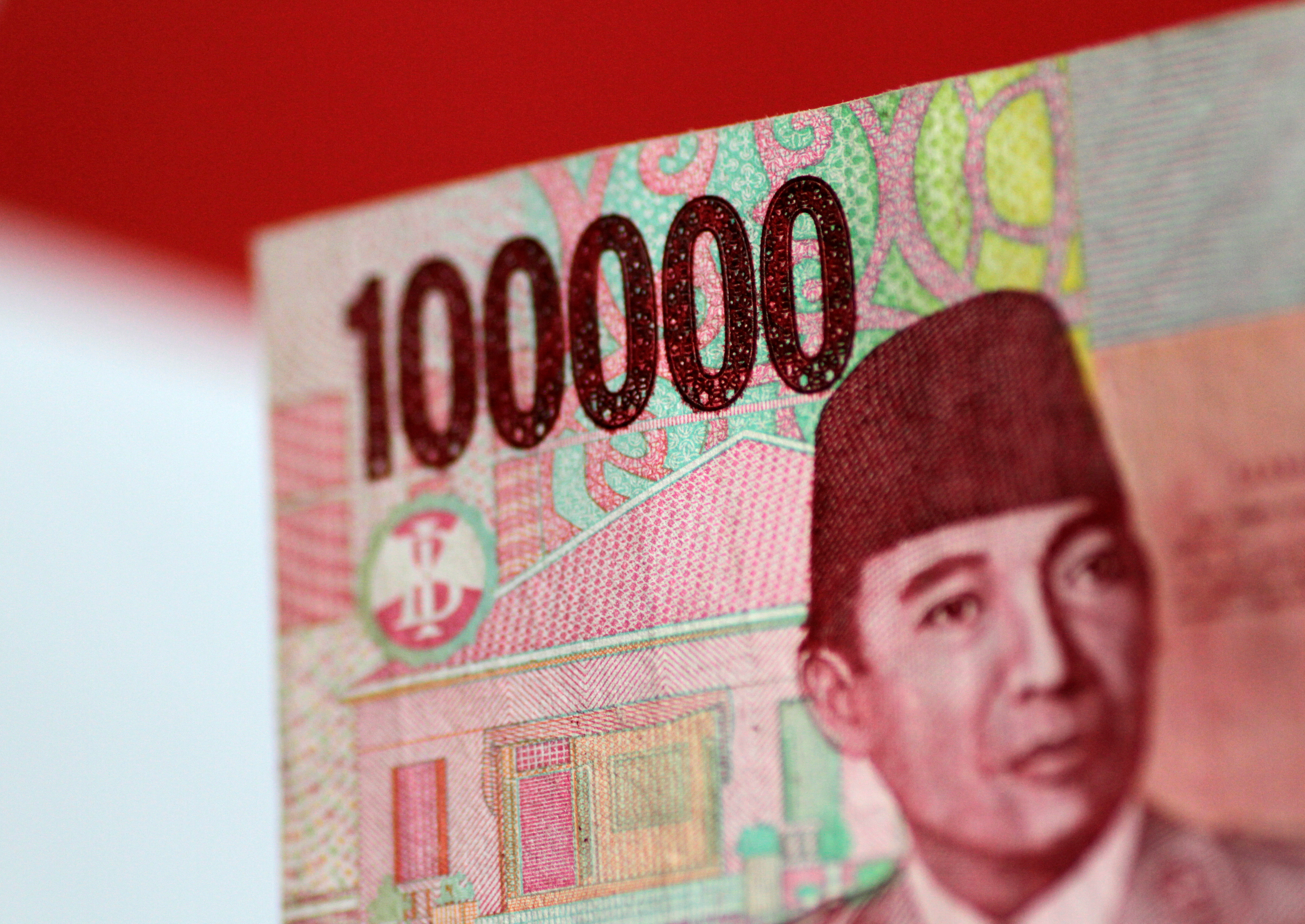
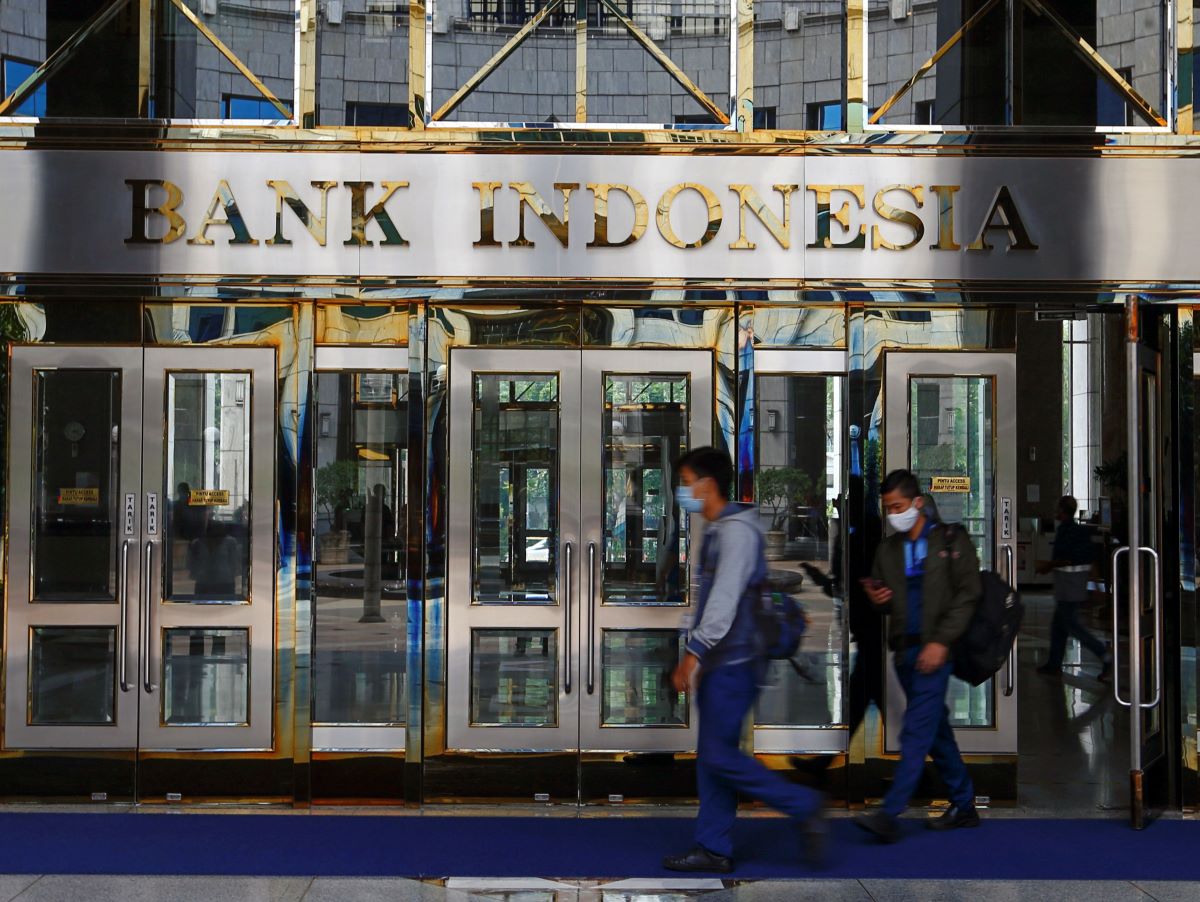
JAKARTA, April 13 — The ongoing conflict in West Asia has heightened global market risk sentiment, triggering capital outflows from emerging markets, including Indonesia, which recorded outflows of around 21 trillion rupiah (RM4.87 billion).
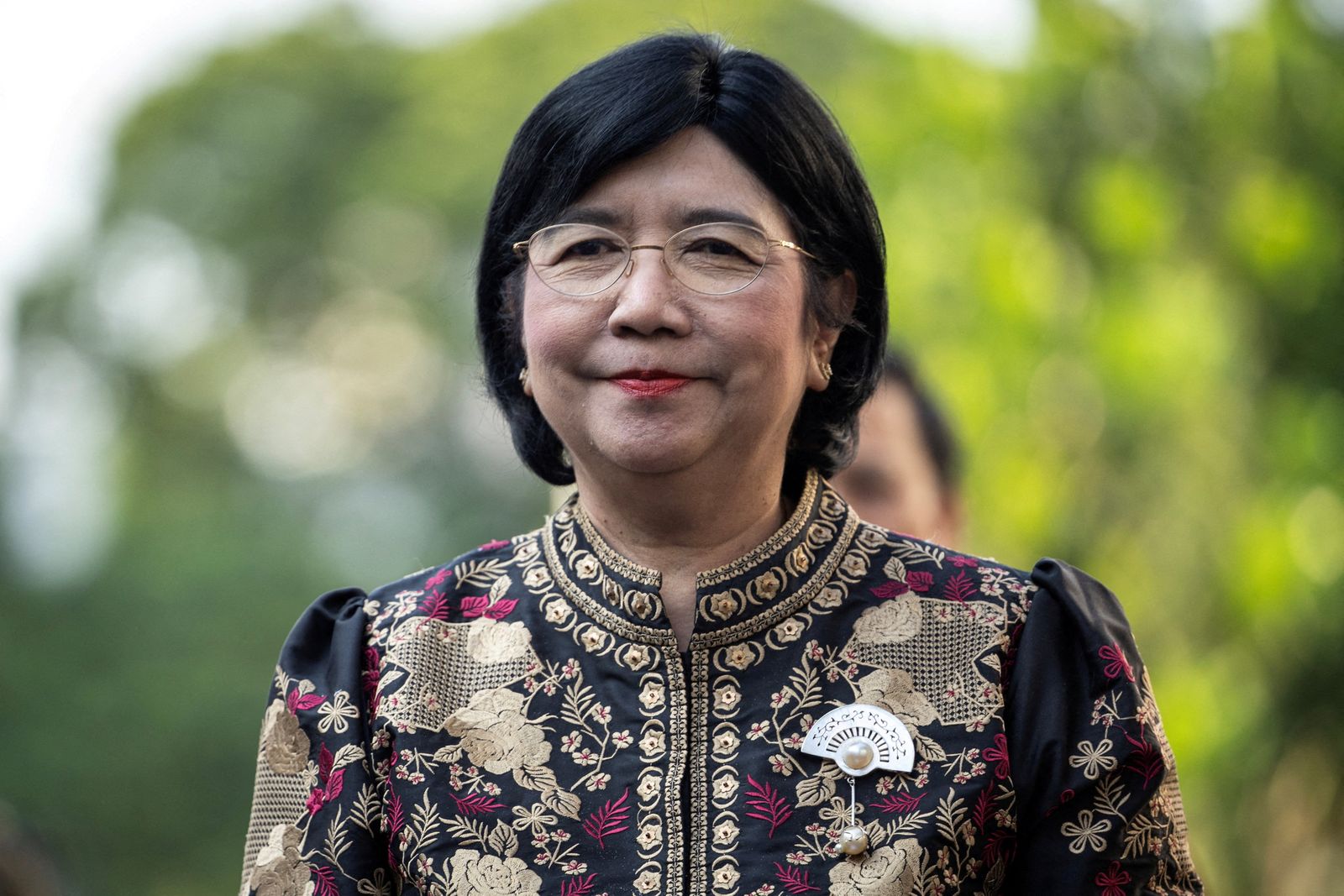
ANTARA News Agency reported Bank Indonesia senior deputy governor Destry Damayanti as saying that the condition has led to risk-off behaviour among market players, namely when investors tend to avoid risk and shift to safer assets.
“This has caused capital flows to return to advanced economies, reflected in the strengthening of the United States (US) dollar index and rising US Treasury yields, which have reached 4.5 per cent to 4.6 per cent,” she said at the Central Banking Forum 2026 in Jakarta today.
In contrast, capital flows to emerging markets, including Indonesia, have declined.
Destry added that despite some inflows into government securities, equities, and Bank Indonesia Rupiah Securities, Indonesia recorded overall capital outflows of around 21 trillion rupiah.
The involvement of the US as the global financial centre in the conflict had also caused a very large indirect impact on the global economy, which occurred through the financial channel.
“In addition, Iran’s strategic position in the region has triggered uncertainty in global financial markets, thus increasing risk sentiment broadly, not only limited to the conflict area,” she said.
The war has also pressured global economic conditions, with global gross domestic product in 2026 projected to slow to 3.1 per cent from the previous forecast of around 3.2 per cent, while global inflation is predicted to rise from 3.8 per cent to 4.1 per cent.
“Global GDP will be slower compared to 2025, but inflation will be higher. So this is a condition that is not very good for the global economy, namely stagflation, a stagnant economy, with rising inflation,” Destry said.
Although Iran’s oil production contribution accounts for only around five per cent of total global production, the strategic position of the Strait of Hormuz as a distribution route for about 20 per cent of the world’s oil supply is a crucial factor.
She noted that the uncertainty over a ceasefire agreement between the US and Iran has further worsened the situation, with failed negotiations held in Pakistan causing oil prices to surge to around US$100 per barrel, followed by weakening currencies at both regional and global levels.
The increase in oil prices has also had indirect impacts on other commodities, ranging from gold, a safe-haven asset, to energy and industrial commodities like coal, aluminium, and crude palm oil.
Destry said disruptions in the Strait have also triggered global supply chain disruptions, affecting countries such as the United Arab Emirates and Saudi Arabia, and disrupting supplies to Iran’s main trading partners, including China, Iraq, Turkiye, and India.
Destry said this condition has led to higher shipping costs and insurance premiums, worsening the stability of international goods distribution.
The ripple effects have also affected downstream industries, including rising prices for plastic raw materials and agricultural products that are closely linked to the global production and distribution system.
“Policy response (due to the various impacts of the war) is more important. Several countries are implementing policy responses, with fiscal policy expected to be more expansionary; it will definitely move in that direction.
“Monetary policy will also begin to move downward, but they will be more cautious. Why? Because each is competing to make those financial assets more attractive.
"So this is the situation faced by the global economy,” she said.