TOKYO, April 13 — Bank of Japan (BOJ) Governor Kazuo Ueda has said that uncertainty over the Middle East conflict was keeping markets unstable and could hurt factory output, signalling the bank's escalating alarm over the economic hit from the protracted war.
He also stressed the need for vigilance against fallout from the Iran war in explaining the outlook for monetary policy, rather than sticking to the BOJ's script pledging to keep raising interest rates.
"Global financial markets are unstable, and crude oil prices are rising sharply due to Middle East tensions. We must be vigilant to future developments.
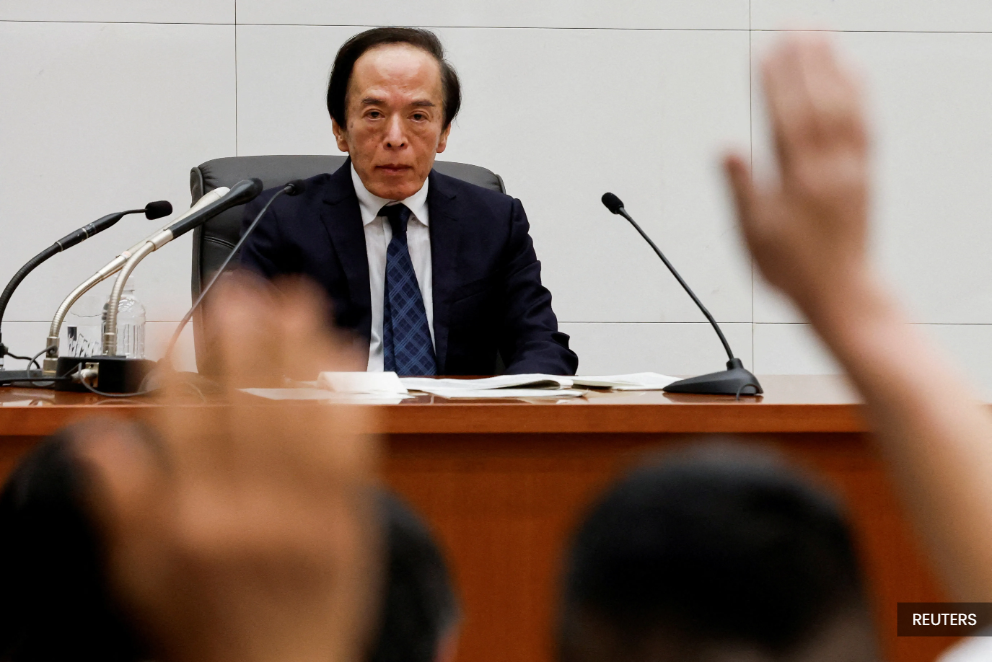
"Given lingering uncertainty over the Middle East situation, we will scrutinise how future developments affect the economy, prices and financial conditions, as well as risks and likelihood of our baseline projections materialising," Ueda was quoted as saying in a speech read by his deputy Ryozo Himino today.
Sources told Reuters that the markets watched his speech closely for hints on whether the BOJ would raise interest rates this month, a prospect that has receded as fading hopes for an end to the Iran war keep markets volatile and muddy the economic outlook.

Shift from March guidance
The reference to the uncertainty is a shift from March's guidance, when the BOJ said only that it would keep raising rates in line with improvements in the economy and prices.
Ueda added that a gradual economic recovery was keeping underlying inflation on track to hit the BOJ's target of per cent, with companies offering solid pay increases in this year's wage talks.
But he warned that rising crude oil prices would hurt Japan's economy, as a protracted war in the Middle East could weigh on factory output amid supply chain disruptions.
Nomura Securities executive rates strategist Mari Iwashita said that Ueda's focus on downside economic risks suggests the BOJ is becoming less convinced that its growth and price projections will materialise.
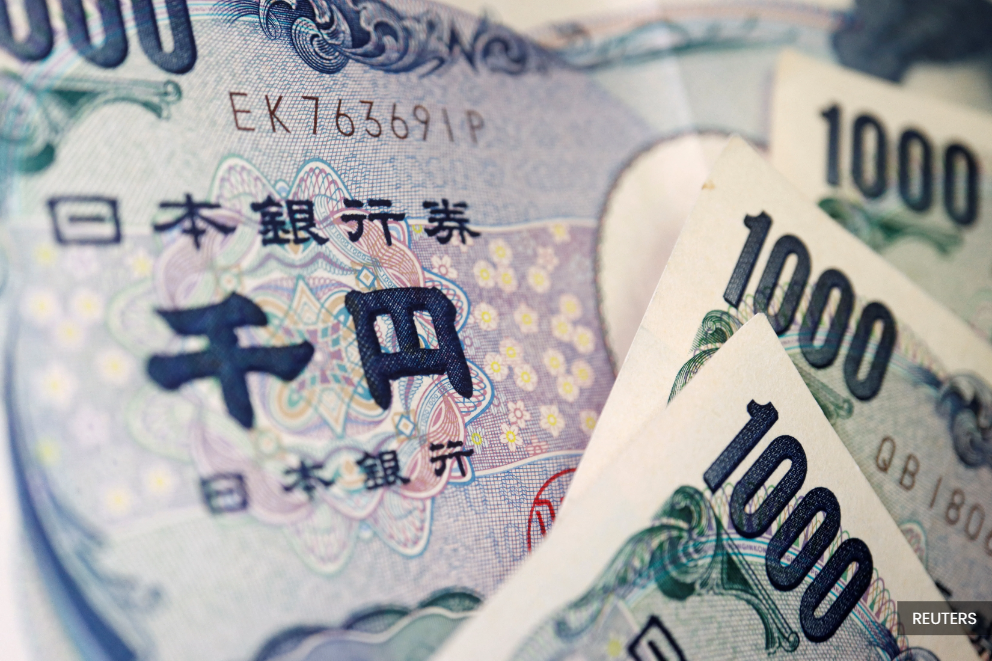
Delaying rate hikes could bring yen falls
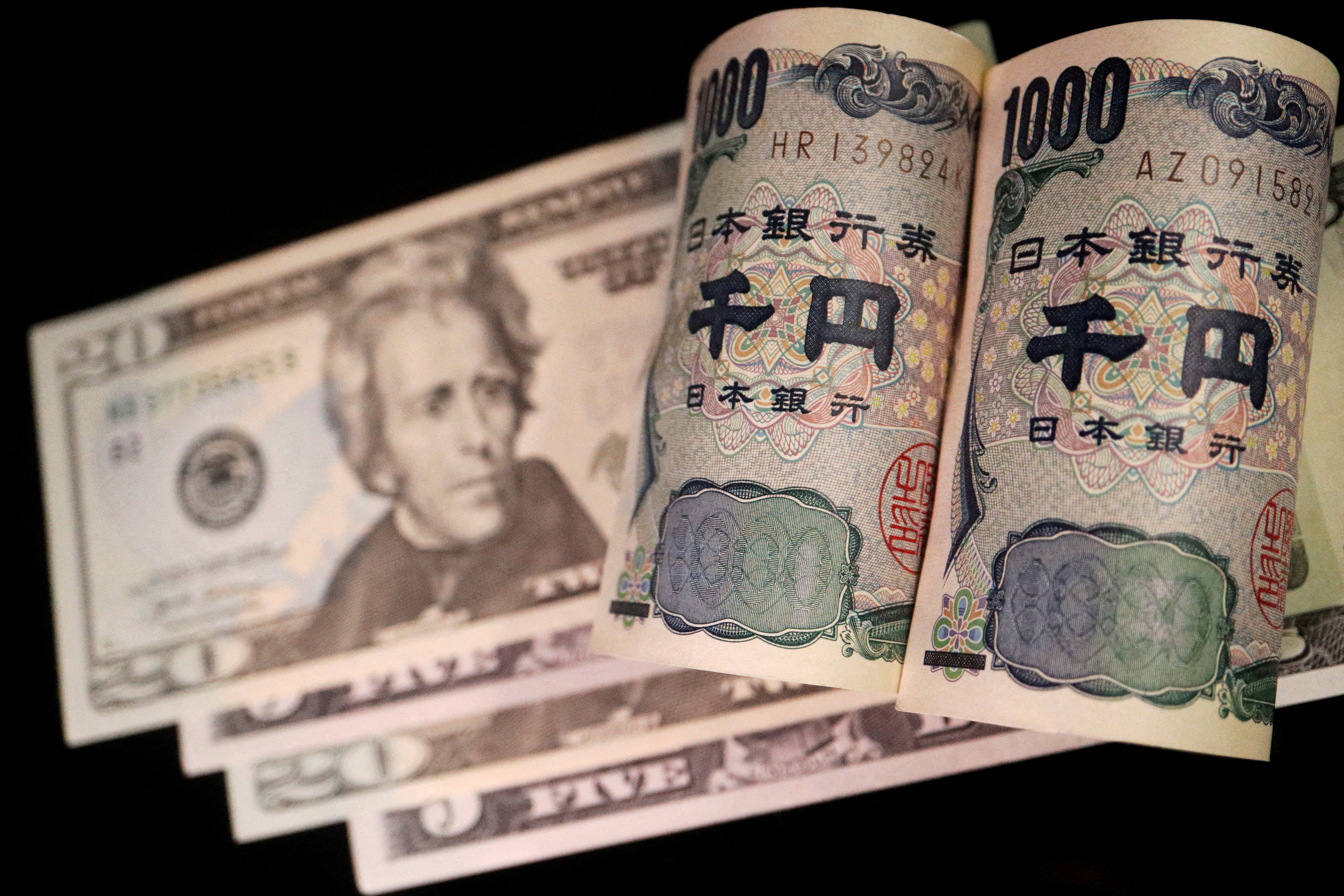
Analysts have remarked that delaying rate hikes is not without cost, as it could cause unwelcome yen falls, push up import costs, and lead to broader inflation.
Japan's benchmark bond yield jumped to a 29-year high today, fuelled partly by investors' concern that surging oil costs would add to mounting inflationary pressures.
While higher oil costs would push up energy prices in the short-term, Ueda noted that they could exert both upward and downward pressures on underlying inflation.
"If the output gap worsens, that could weigh on underlying inflation. On the other hand, if rising crude oil prices heighten the public's medium- and long-term inflation expectations, that could push up underlying inflation," he said.