
WASHINGTON, April 13 — The Middle East war will dominate global finance officials' talks this week in Washington, but World Bank President Ajay Banga is sounding the alarm about a bigger, looming crisis: a huge gap in jobs for the 1.2 billion people who will reach working age in developing countries in the next 10 to 15 years.
He told Reuters that, on current trajectories, those economies will generate only about 400 million jobs, leaving a deficit of 800 million.
The former Mastercard chief executive officer admits that focusing people on the long-term is daunting, given a series of short-term shocks that have buffeted the global economy since the COVID-19 pandemic, the most recent being the war in the Middle East.
Ajay is determined to ensure that finance officials stay focused on those longer-term challenges, including creating jobs, connecting people to the electricity grid, and ensuring access to clean water.
"We have to walk and chew gum at the same time. Short-velocity cycle is what we are going through; longer velocity is this job's circumstance or water," he said in an interview taped on Friday.

War overshadows other concerns
Thousands of finance officials from around the globe will gather in Washington this week for the spring meetings of the World Bank and the International Monetary Fund (IMF) under the shadow of the United States (US)-Israel war with Iran, which threatens to slow global growth and jack up inflation.
The extent of the hit to the economy will depend on the durability of a two-week ceasefire announced by US President Donald Trump last week, just hours before promised strikes that he said would destroy Iran's civilisation.
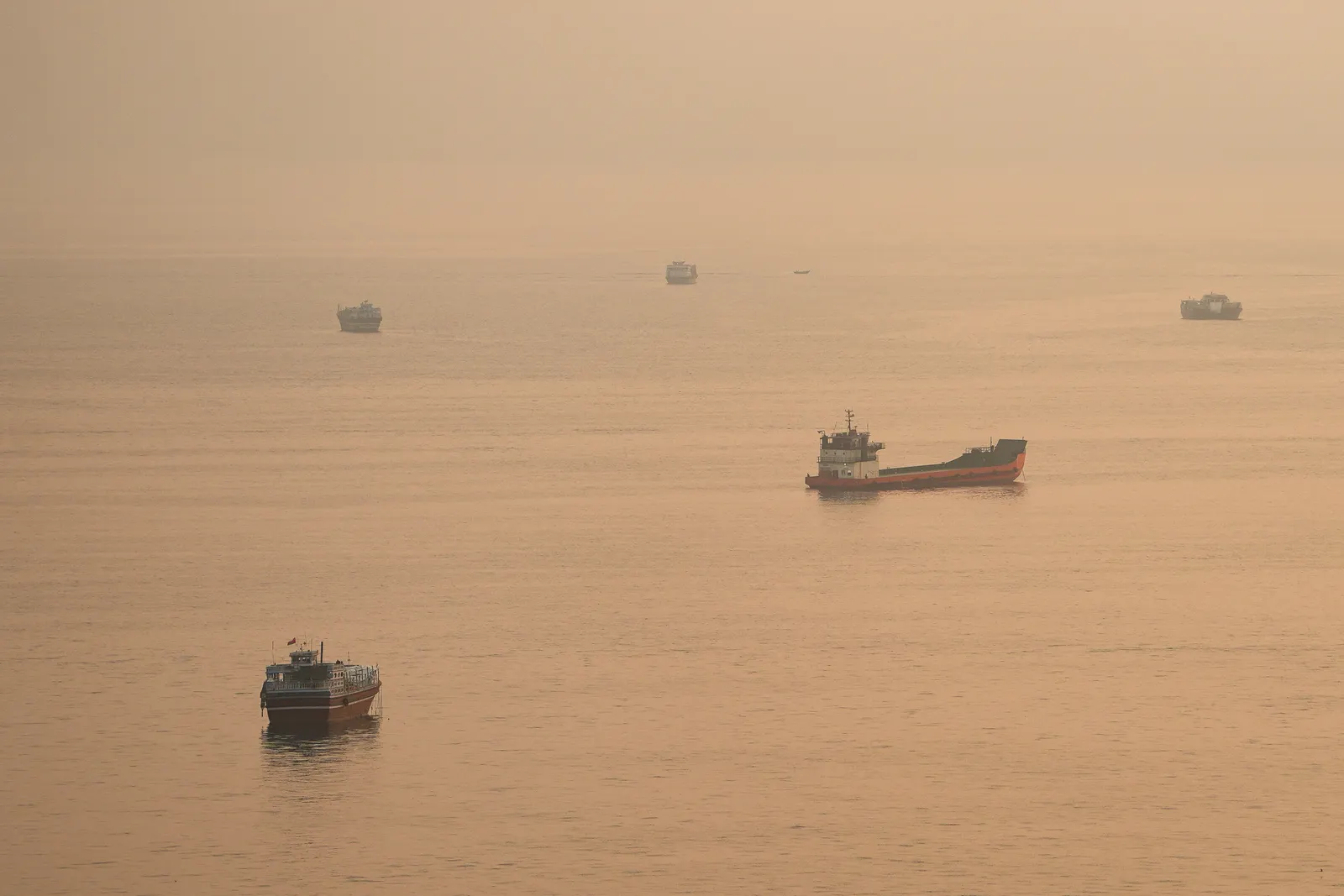
The ceasefire has halted most attacks. But it has not ended Iran's effective blockade of the Strait of Hormuz, which has caused the biggest-ever disruption to global energy supplies, or calmed a parallel war between Israel and Iran-backed Hezbollah in Lebanon.

Improving job creation
The World Bank's governing body, the Development Committee, outlined plans to work with developing countries to streamline policy and regulatory conditions that have hampered investment and job creation for years.
Ajay added that the discussions will cover transparency around permits, anti-corruption, labour law, land law, impediments to opening a business, logistics, improved trade systems, and non-price barriers to trade.
He is optimistic that solutions can be found to help young people find employment — and dignity — and to create opportunities for private companies that cater to their needs.
"I do not know that you can ever get to a situation of utopia and everybody is taken care of in the coming 15 years. I would doubt that is going to happen, but if you do not do it, the implications are quite severe in terms of illegal migration and instability," Ajay said.
United Nations data showed more than 117 million people were displaced worldwide as of 2025.
Ajay noted that companies in developing countries themselves were starting to expand globally, including India's Reliance Industries and the Mahindra Group, and Dangote in Nigeria.
His discussions with officials in developing countries showed their interest in creating more and better jobs for the next generation.
In addition to jobs, water will be a big focus. The World Bank, in conjunction with other development banks, is set to announce a push to ensure that one billion more people have secure access to clean water, adding to existing initiatives to connect 300 million households in Africa with electricity and to improve health care.
Pulling in the private sector
The World Bank focused on human and physical infrastructure required for the jobs-creation push during last fall's meetings of the IMF and World Bank, and will continue the cycle with an emphasis on attracting private-sector investment during this fall's meetings in Bangkok.
The bank identified five sectors that would benefit from investment and are not reliant on global trade or outsourcing from developed countries: infrastructure, agriculture for small farmers, primary health care, tourism and value-added manufacturing.
Those sectors are less likely to be immediately affected by advancements in artificial intelligence.
"The problem is, we cannot do this alone. We have got to get this snowball to roll downhill, gathering a lot of snow as it goes along, to reach that amazing number of 800 million," Ajay said.