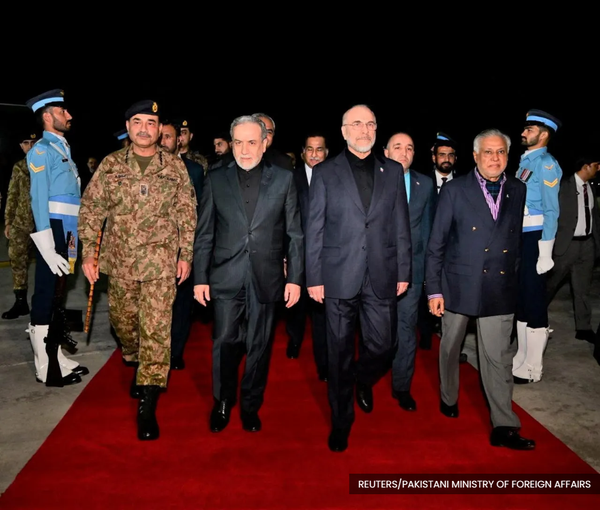
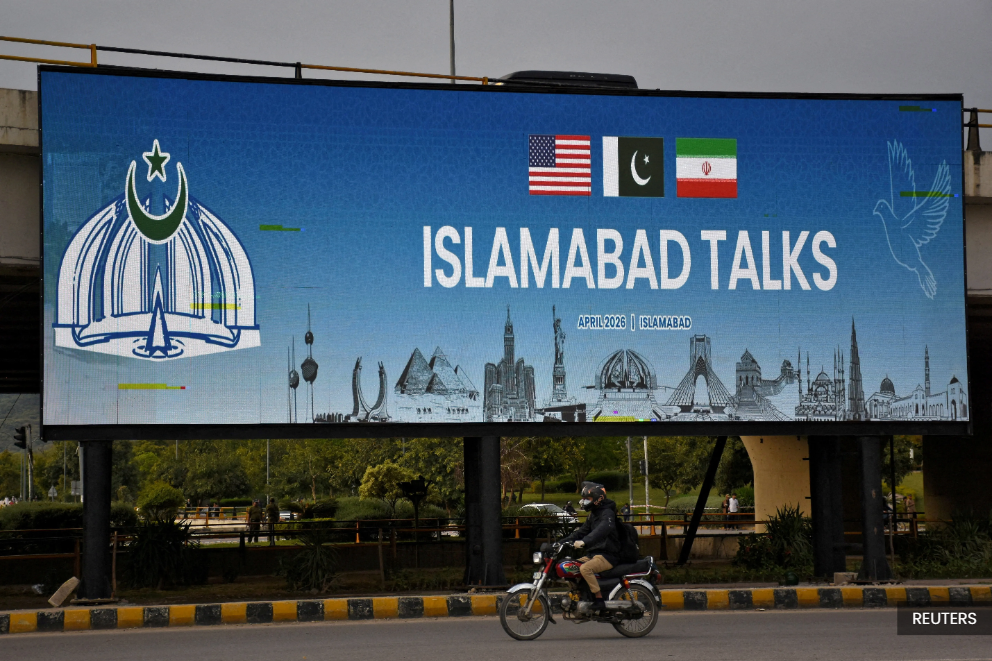
ISLAMABAD, April 11 — Senior United States (US) and Iranian leaders were in the Pakistani capital Islamabad on Saturday for negotiations to end their six-week-old war, although Tehran threw the talks into doubt by saying they could not begin without commitments on Lebanon and sanctions.
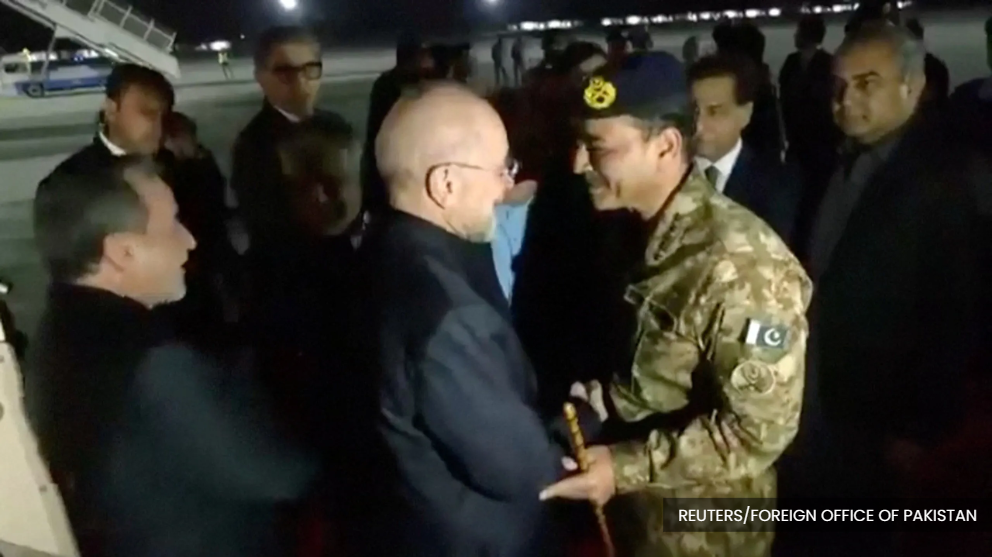
The US delegation, led by Vice President JD Vance and including President Donald Trump's special envoy Steve Witkoff and son-in-law Jared Kushner, landed in two US Air Force planes at an air base in Islamabad on Saturday morning.
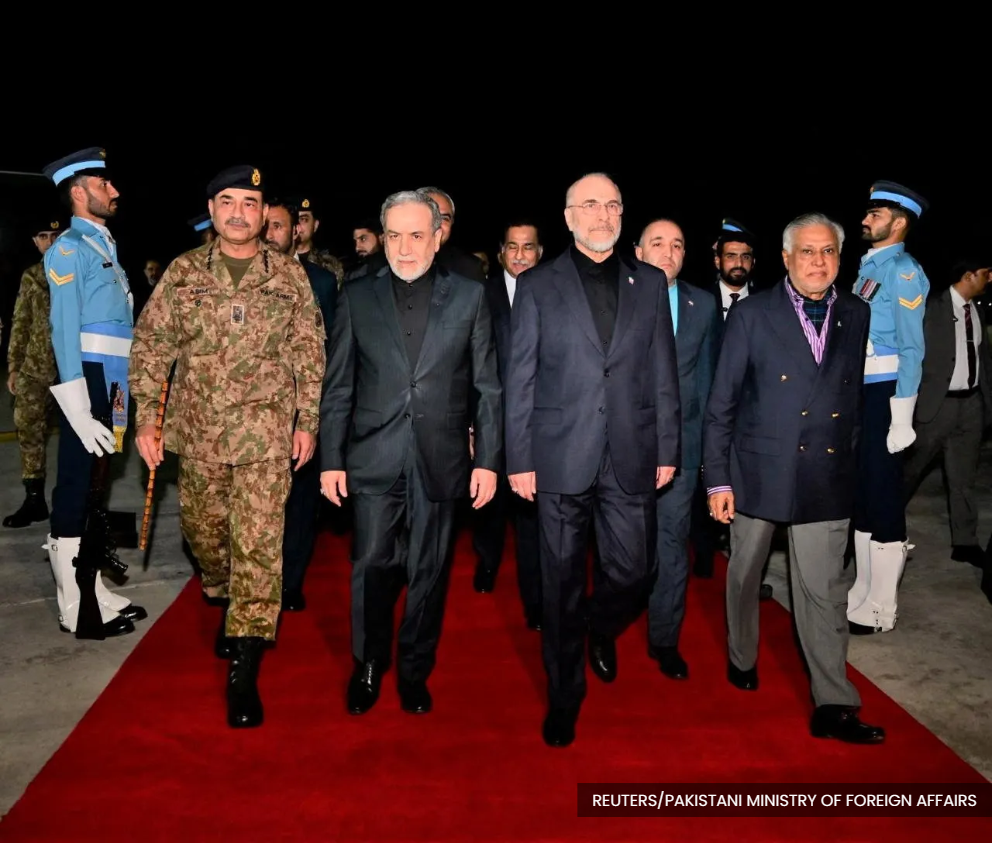
The Iranian delegation, led by Parliament Speaker Mohammad Baqer Qalibaf and Foreign Minister Abbas Araqchi, arrived on Friday.
These will be the highest-level US-Iran talks since the Islamic Revolution of 1979 and the first official face-to-face negotiations between the two sides since 2015, when they reached a deal on Iran's nuclear programme.
Trump scrapped the nuclear deal in 2018 during his first term in office. That same year, Iran's then-Supreme Leader Ayatollah Ali Khamenei, who was killed at the start of the war six weeks ago, banned further direct talks between US and Iranian officials.
Iran has 'no cards', Trump says
In a post on X (formerly Twitter), Qalibaf said that Washington had previously agreed to unblock Iranian assets and to a ceasefire in Lebanon, where Israeli attacks on Iran-backed Hezbollah militants have killed nearly 2,000 people since the start of the fighting in March. He added that the talks would not start until those pledges were fulfilled.
Israel and the US have said the Lebanon campaign is not part of the Iran-US ceasefire, while Tehran insists it is.
Iranian state media reported that separately, Qalibaf said that Iran was ready to reach a deal if Washington offered what he described as a genuine agreement and granted Iran its rights.
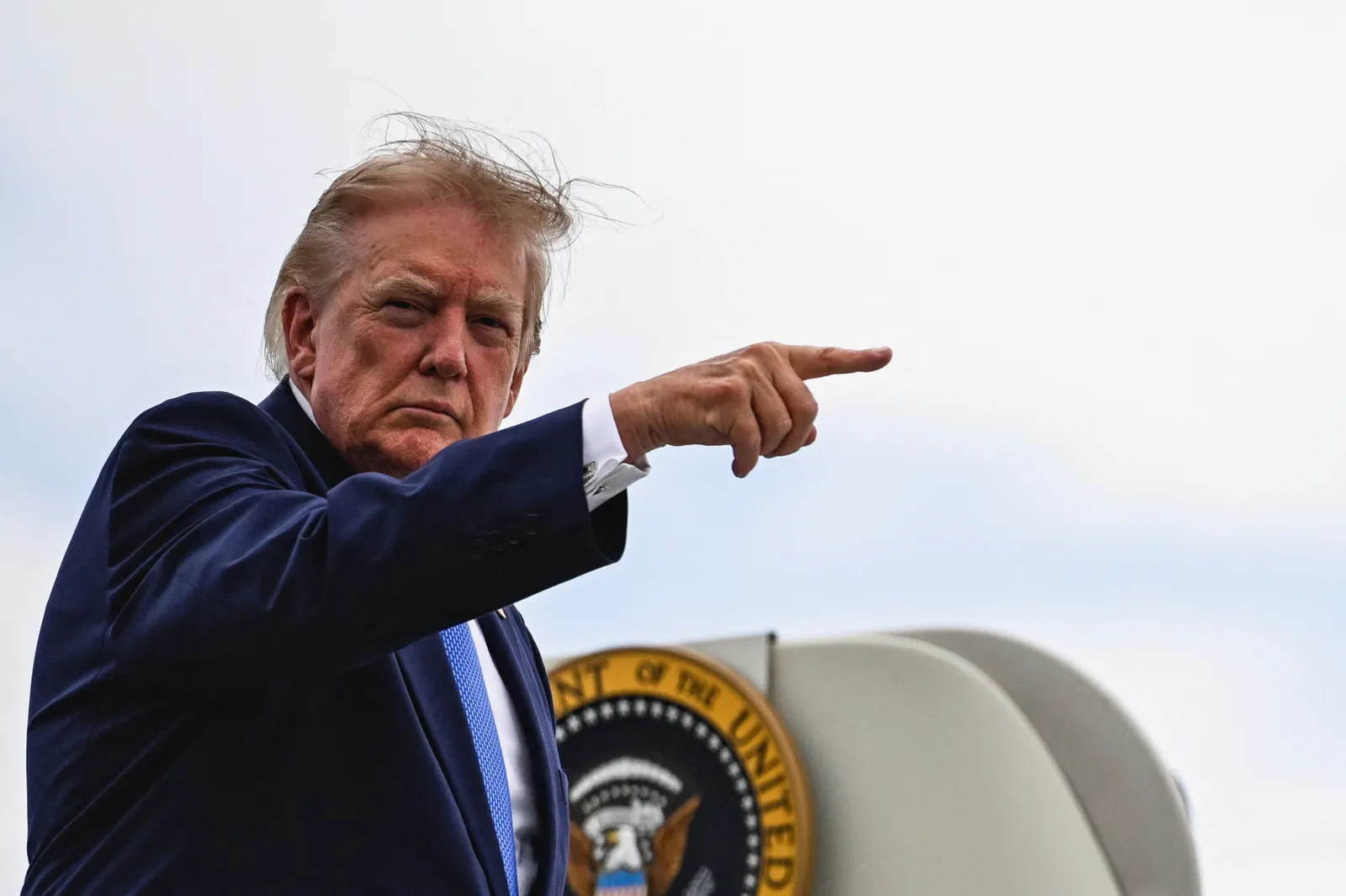
The White House did not immediately comment on the Iranian demands, but Trump posted on social media that the only reason the Iranians were alive was to negotiate a deal.
"The Iranians do not seem to realise they have no cards, other than a short-term extortion of the World by using International Waterways. The only reason they are alive today is to negotiate!" he said.
Vance, speaking as he headed to Pakistan, said he expected a positive outcome but added: "If they are going to try to play us, then they are going to find the negotiating team is not that receptive."
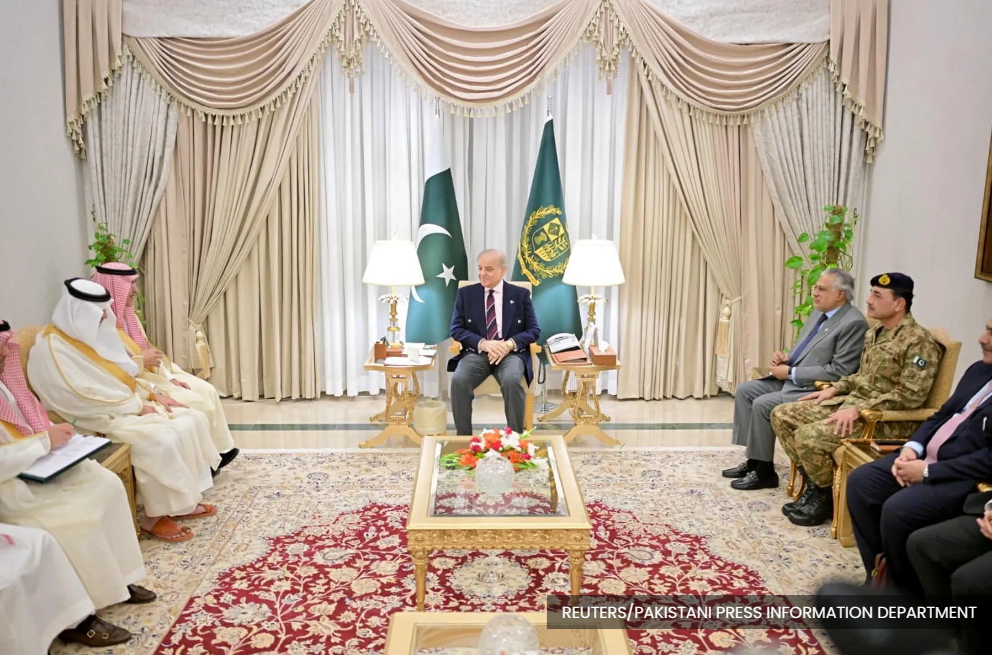
Sources in Islamabad have revealed that preliminary discussions have been separately held by Pakistani officials with advance teams from both sides.
Iran's semi-official Tasnim news agency said these included 70 members from Tehran, including technical specialists in economic, security, and political fields, as well as media personnel and support staff. A Pakistani government source said that about 100 members of an advance US team were in the city.
"We are very positive," said another Pakistani source close to the discussions.
Asked if talks would end on Saturday, the source said: "Too early to say. They have instructions to close a deal or walk away. Hence, not in a rush. These talks are not on the clock."
Islamabad was under an unprecedented lockdown ahead of the talks, with thousands of paramilitary personnel and army troops on the streets.
"We have deployed multi-layer security for this event, which is based on coordination, intelligence, and constant monitoring for zero disruption and full control," Pakistan's Junior Interior Minister Talal Chaudhry told Reuters.
Trump announced a two-week ceasefire in the war on Tuesday, which has halted US and Israeli airstrikes on Iran.
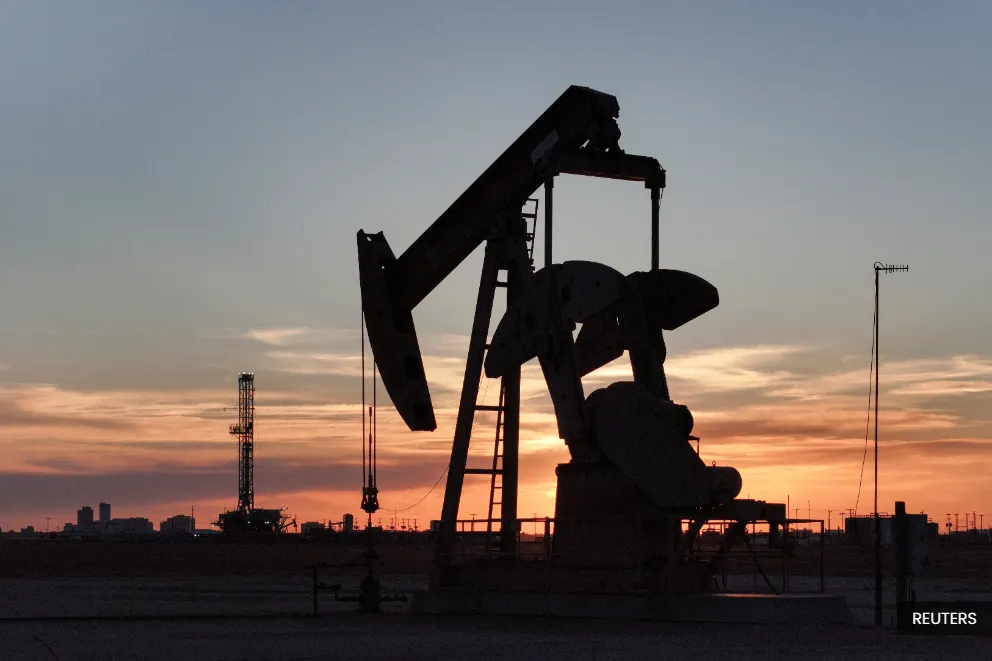
But it has not ended Iran's blockade of the Strait of Hormuz, which has caused the biggest-ever disruption to global energy supplies, or calmed the parallel war between Israel and Iran-backed Hezbollah in Lebanon.
Fighting continues in Lebanon
Israeli and Lebanese officials said that Israeli Ambassador to the US Yechiel Leiter and his Lebanese counterpart Nada Hamadeh Moawad will hold talks in Washington on Tuesday, amid the conflicting accounts on what those talks would cover.
Lebanon's Presidency said the two had held a phone call on Friday and agreed to discuss announcing a ceasefire and setting a start date for bilateral talks under US mediation. But Israel's Embassy in Washington said the talks would constitute the start of "formal peace negotiations" and that Israel had refused to discuss a ceasefire with Hezbollah.
Israeli attacks continued across southern Lebanon on Friday. In a statement, President Joseph Aoun said that one strike on a government building in the city of Nabatieh killed 13 members of Lebanon's state security forces.
Hezbollah said in a statement on its Telegram channel that it fired rocket salvos at northern Israeli towns in response.
Tehran's agenda at the Islamabad talks also includes demands for major new concessions, including the end of sanctions that crippled its economy for years, and acknowledgement of its authority over the Strait of Hormuz, where it aims to collect transit fees and control access in what would amount to a huge shift in regional power.
Iran's ships were sailing through the strait unimpeded on Friday, while those of other countries remained hemmed inside.
Disruption to energy supplies has fed inflation and slowed the global economy, with an impact expected to last for months even if negotiators succeed in reopening the strait.
The hard line taken by Iran's leaders ahead of the negotiations followed a defiant message from its new Supreme Leader Ayatollah Mojtaba Khamenei on Thursday.
Khamenei, yet to be seen in public since taking over from his father, said Iran would demand compensation for all wartime damage.
"We will certainly not leave unpunished the criminal aggressors who attacked our country," he said.
Although Trump has declared victory and degraded Iran's military capabilities, the war has not achieved many of the aims he set out at the start: to deprive Iran of the ability to strike its neighbours, dismantle its nuclear programme, and make it easier for its people to overthrow their government.
Iran still possesses missiles and drones capable of hitting its neighbours and a stockpile of more than 400kg of uranium enriched near the level needed to make a bomb. Its clerical rulers, who faced a popular uprising just months ago, withstood the war with no sign of organised opposition.