SHAH ALAM, April 10 — The Selangor government is aiming for at least 50 per cent of its buses to be electric vehicles (EVs) for the Smart Selangor service by 2028, as part of efforts to accelerate the state’s clean mobility agenda.
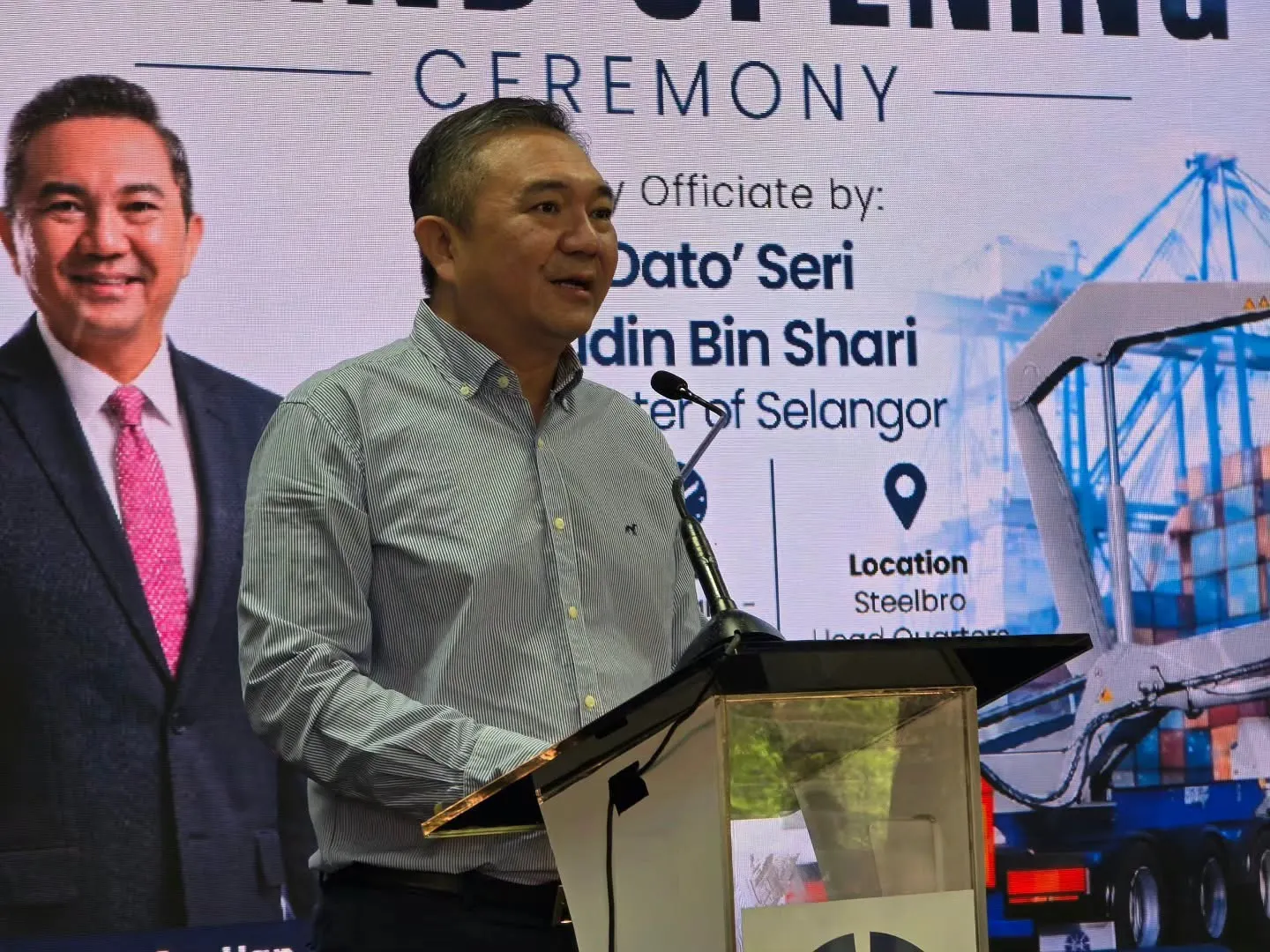
State executive councillor for investment, trade and mobility Ng Sze Han said the target represents an important phase before a full transition to EVs by 2030, in line with a decision made at the Selangor Mobility Standing Committee meeting on January 27, which requires all local authorities to plan the Smart Selangor EV transition from this year.
“This transition will not only reduce dependence on government diesel subsidies, but catalyse the National Energy Transition Roadmap (NETR) in support of the national agenda to achieve net-zero carbon emissions from as early as 2050.
“From a fiscal efficiency perspective, this step will optimise state expenditure through the use of alternative energy that is more cost-effective in the long term,” Ng said in a statement today.
According to him, from 2024 until today, 17 per cent, or 26 out of 156 existing buses, have been converted to EVs, involving five local authorities: 15 buses under the Subang Jaya City Council (MBSJ); five under the Hulu Selangor Municipal Council (MPHS); four under the Shah Alam City Council (MBSA); one under the Klang Royal City Council (MBDK), and one under the Petaling Jaya City Council (MBPJ).
He said the proactive move aims to address uncertainties in fossil fuel costs due to geopolitical conflicts in West Asia.
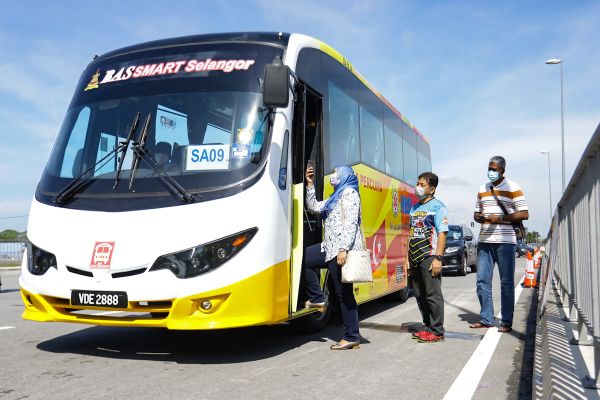
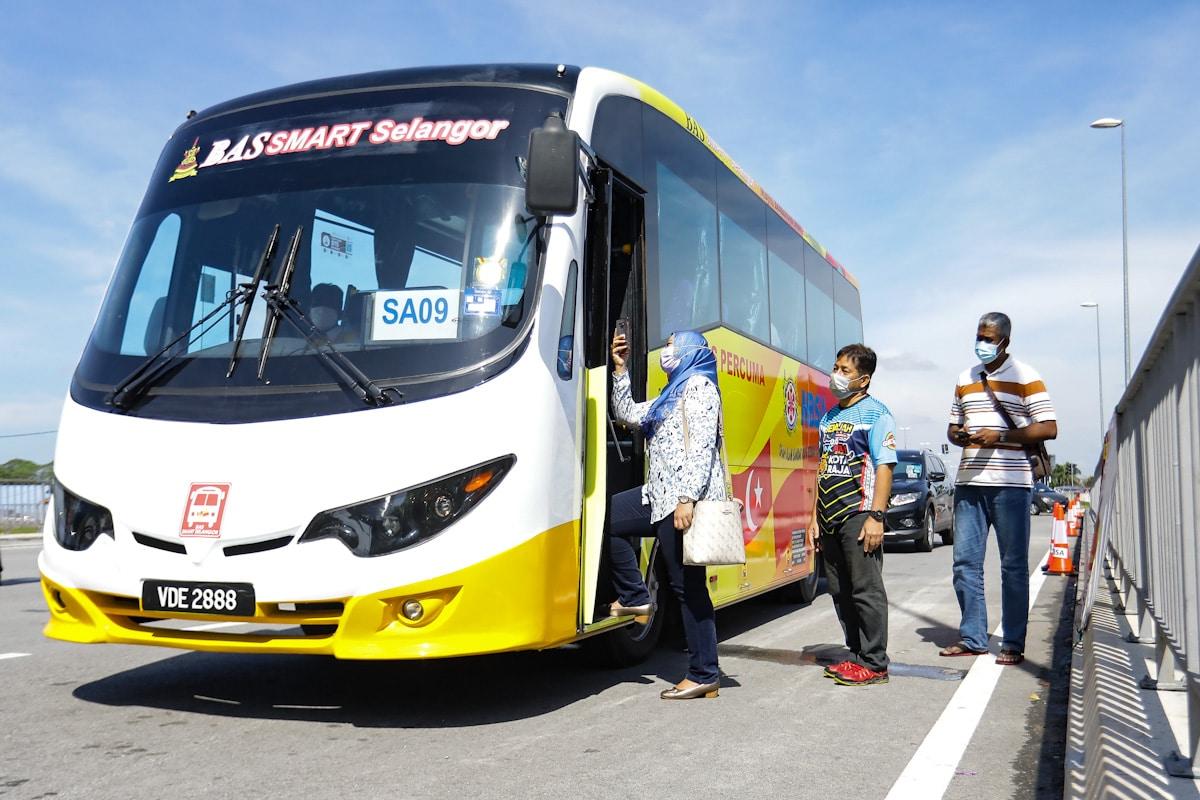
He added that the Smart Selangor service currently operates 156 buses across 57 routes statewide, serving an average of over eight million passengers annually.
Ng said the state government will continue to ensure public transport services remain efficient, clean, and sustainable for Selangoreans’ well-being.