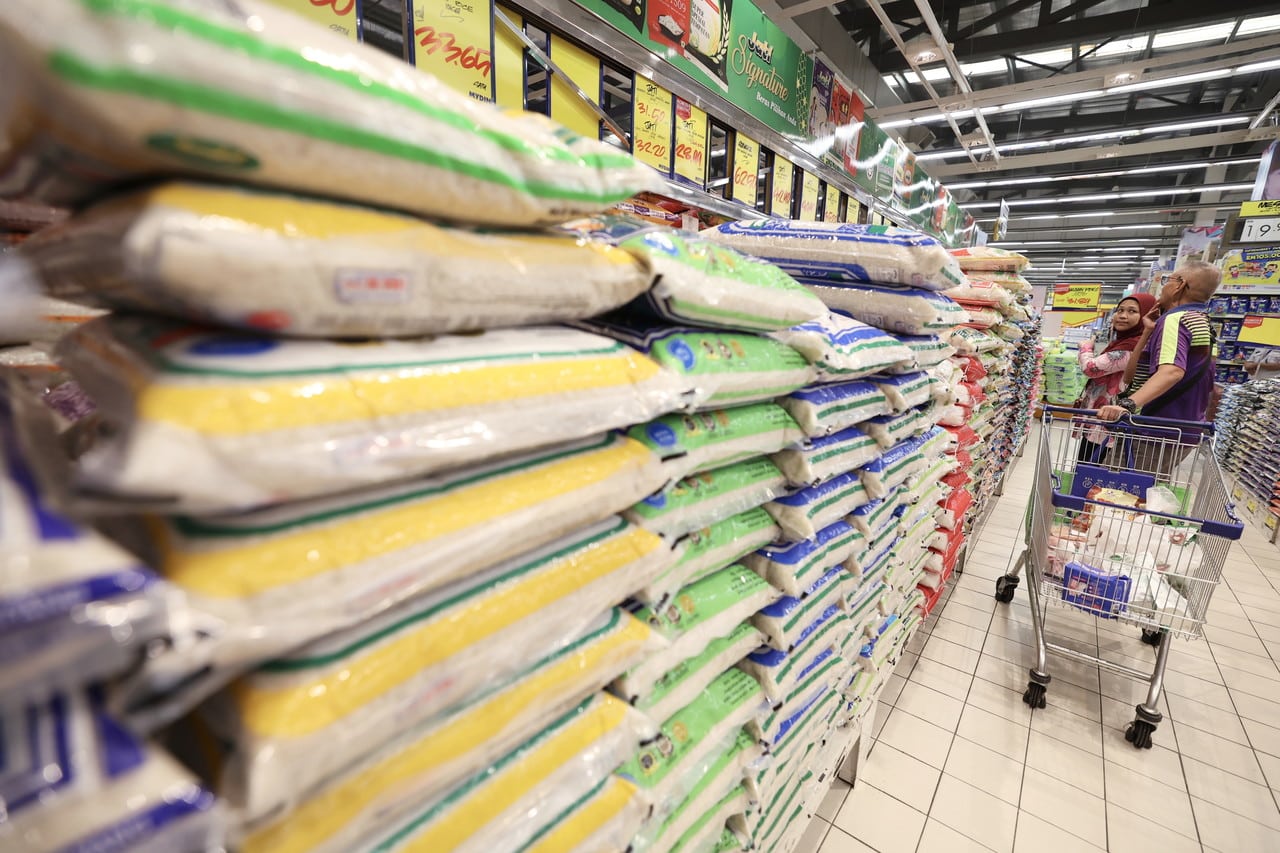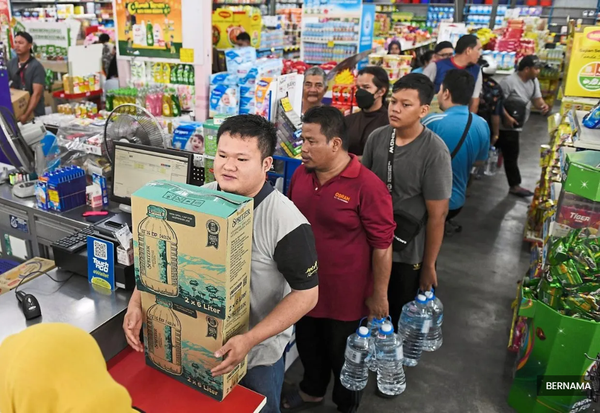
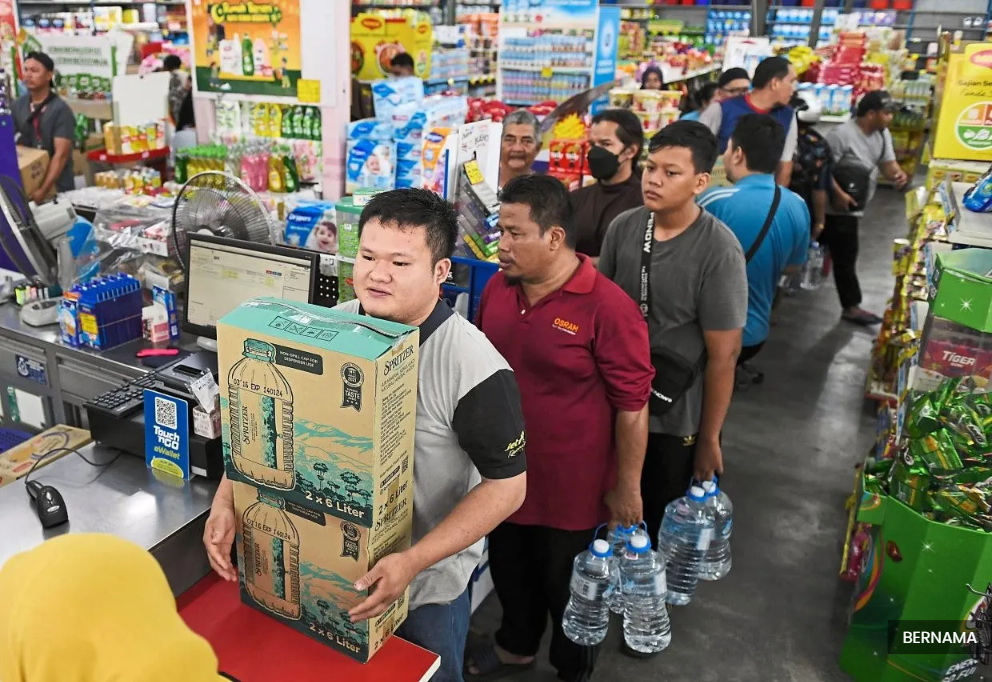
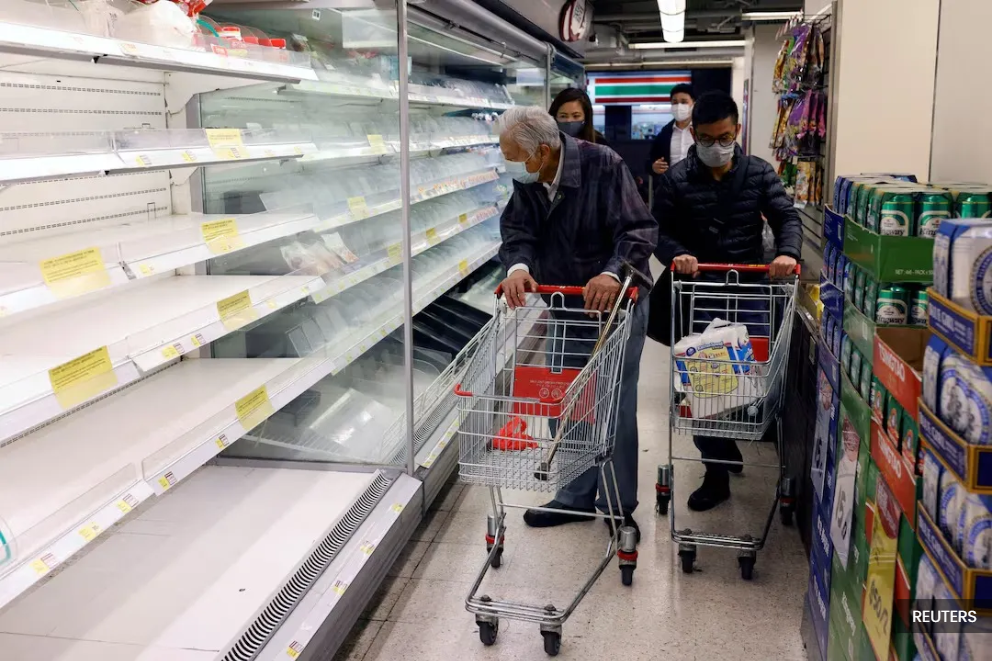
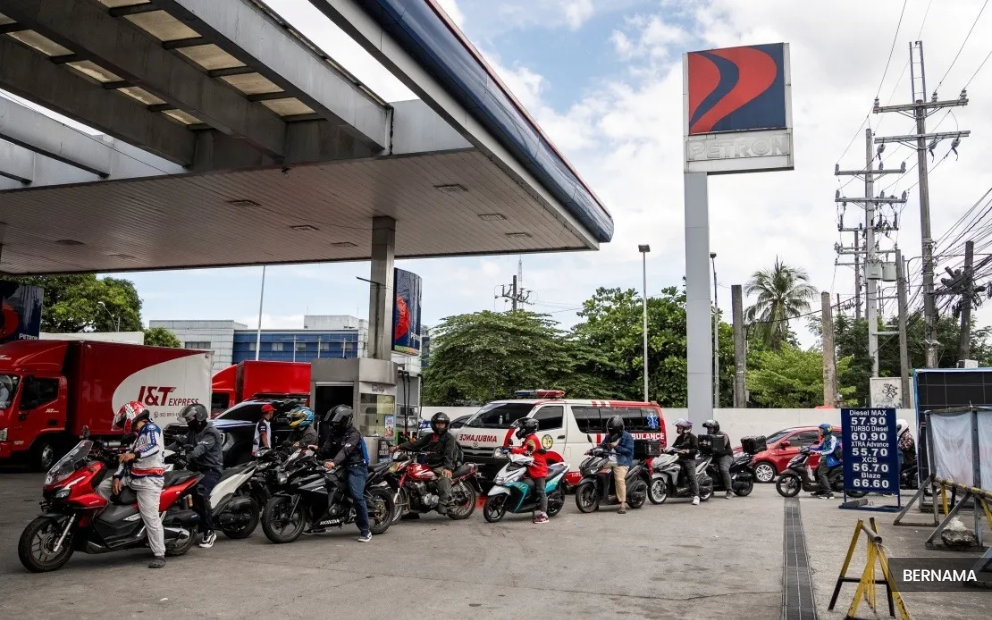
SHAH ALAM, April 11 — Economists have urged the public to avoid panic buying and not repeat the mistakes made during the COVID-19 pandemic to prevent market disruption that will add unnecessary pressure on the country.
Bank Muamalat chief economist Mohd Afzanizam Abdul Rashid said panic buying does not help the economy and can create market instability, leading to sudden price increases.
He said when consumers go out and buy their necessities in bulk, some irresponsible traders may take advantage of the situation by stockpiling goods for profit.
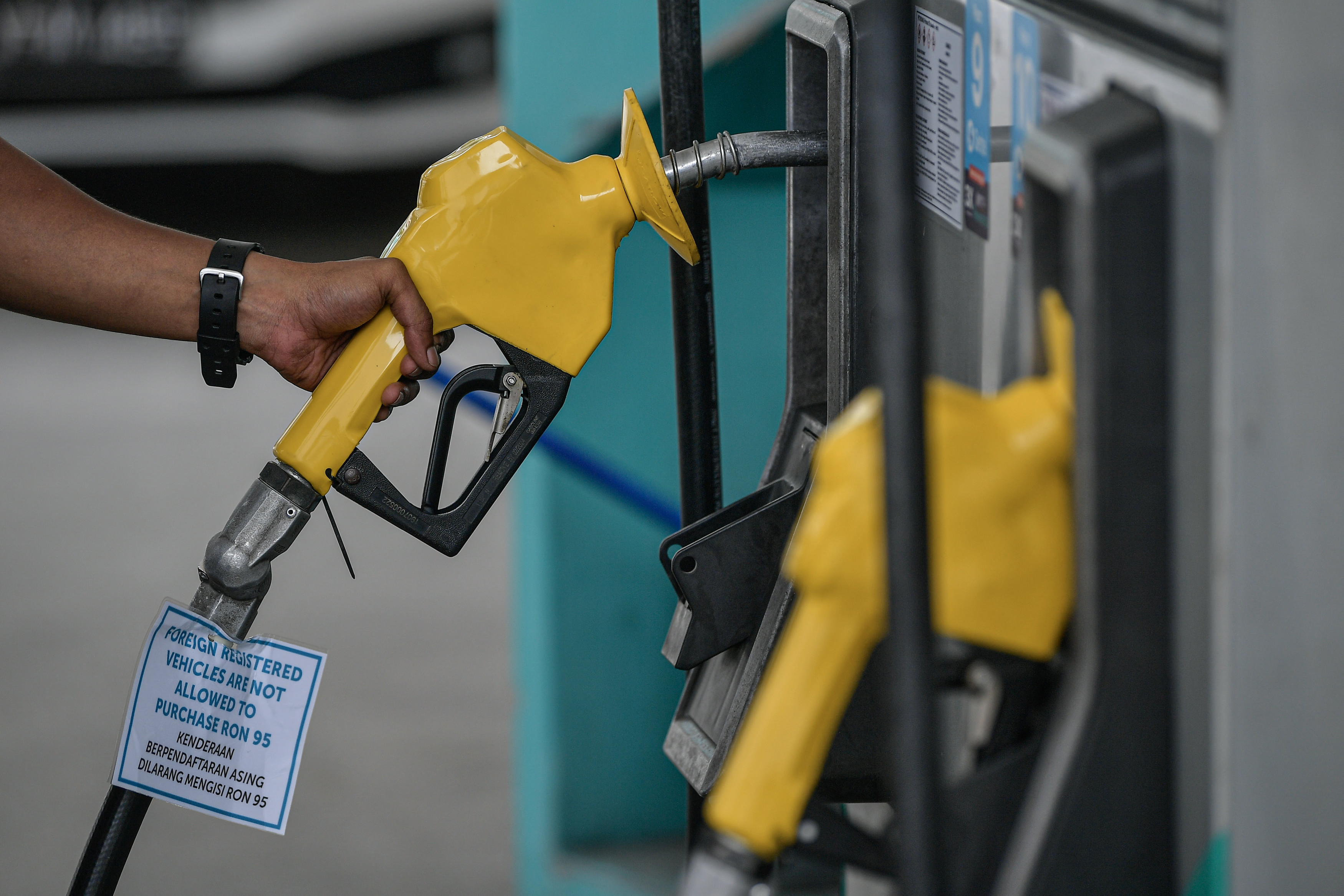
“Therefore, the public is encouraged to obtain accurate and authentic information to understand the current situation, especially regarding fuel supply in our country,” he said.
Afzanizam said panic buying can also lead to unnecessary purchases and wastage, similar to what occurred during COVID-19, when the people feared groceries would run out.
“Every Malaysian needs to have self-awareness in evaluating every piece of information they receive and act rationally,” he told Media Selangor.
He added that Petronas and the government are already taking proactive steps to provide updates and monitor fuel supply and cost-of-living issues.
Malaysia’s fuel consumption currently exceeds domestic oil production, requiring imports to meet demand.
“Based on data from Petronas, total oil consumption is 800,000 barrels per day compared to production of 400,000 barrels per day,” he said.
He said global crude oil price movements directly affect local pricing factors such as operating costs, transportation costs and insurance premiums, contributing to higher petroleum and goods prices in Malaysia.
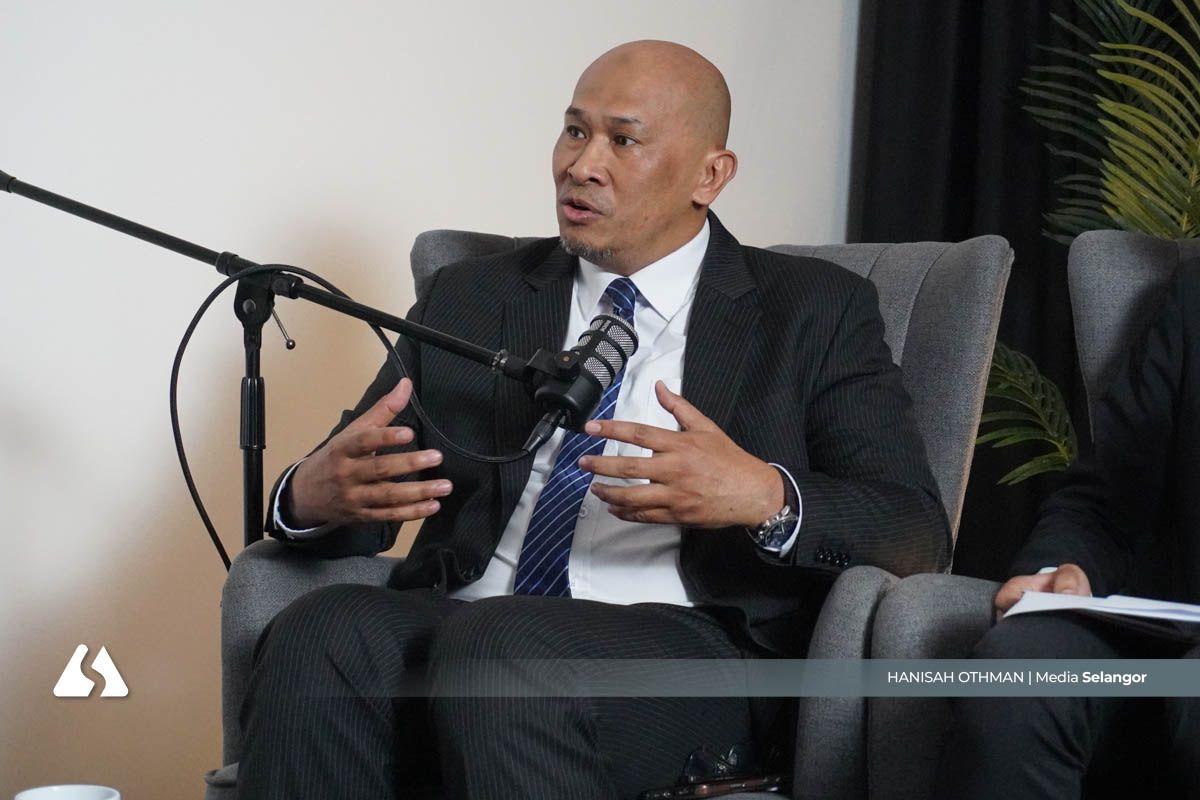
Afzanizam also said misinformation on social media is a major risk that can trigger panic buying, despite government efforts to provide frequent and verified updates through ministries and agencies.
“We as Malaysians also have a responsibility to evaluate every piece of news we receive, especially from unverified sources circulating on social media.
“We need to stay calm and avoid panic buying, and always seek accurate and verified information. Reassess personal and household budgets because the current situation is closely linked to rising prices for goods and services.
“Avoid wastage and focus on necessities over wants. For traders, assess cost structures and look for ways to reduce expenses. Do not forget consumers; they will remember you in difficult times,” he said.
He added that maintaining trust between traders and consumers is important as economic conditions are not permanent.
“There will be periods of economic recovery. We do not want to burn bridges with our customers,” he said.
Afzanizam also encouraged the public to start saving and investing to cope with rising living costs.
‘Fear drives fear’
Senior fellow at the Malaysian Institute of Economic Research (MIER) Shankaran Nambiar said if the conflict drags on, prices are likely to increase, particularly for goods dependent on oil and petrochemical derivatives such as fertilisers.
“Oil is not only an intermediate product but also a key input for logistics and transportation.
“Rising oil prices will eventually push up the price of most goods,” he said.
He also agreed that social media posts encouraging panic buying can fuel further panic, as “fear drives fear”.
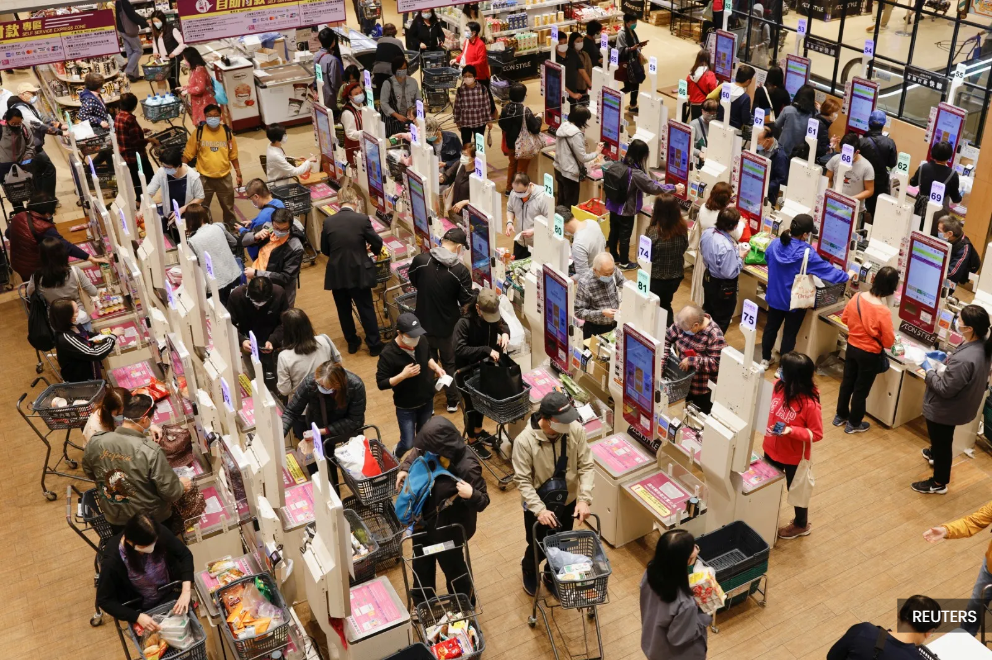
Shankaran said public perception of rising prices is already encouraging consumers to buy goods in large amounts amid uncertainty over supply and reserves.
“People lack clear information on how long the conflict will last. Some may prepare for a long war, even if it ends earlier.
“Others may assume oil prices will reach very high levels, which may not happen,” he said.
He added that consumption and buying behaviour are heavily influenced by uncertainty and assumptions, often leading to unnecessary purchases and wastage.
Shankaran urged the public to remain prudent and to prepare for possible increases in the cost of living by tightening household budgets.