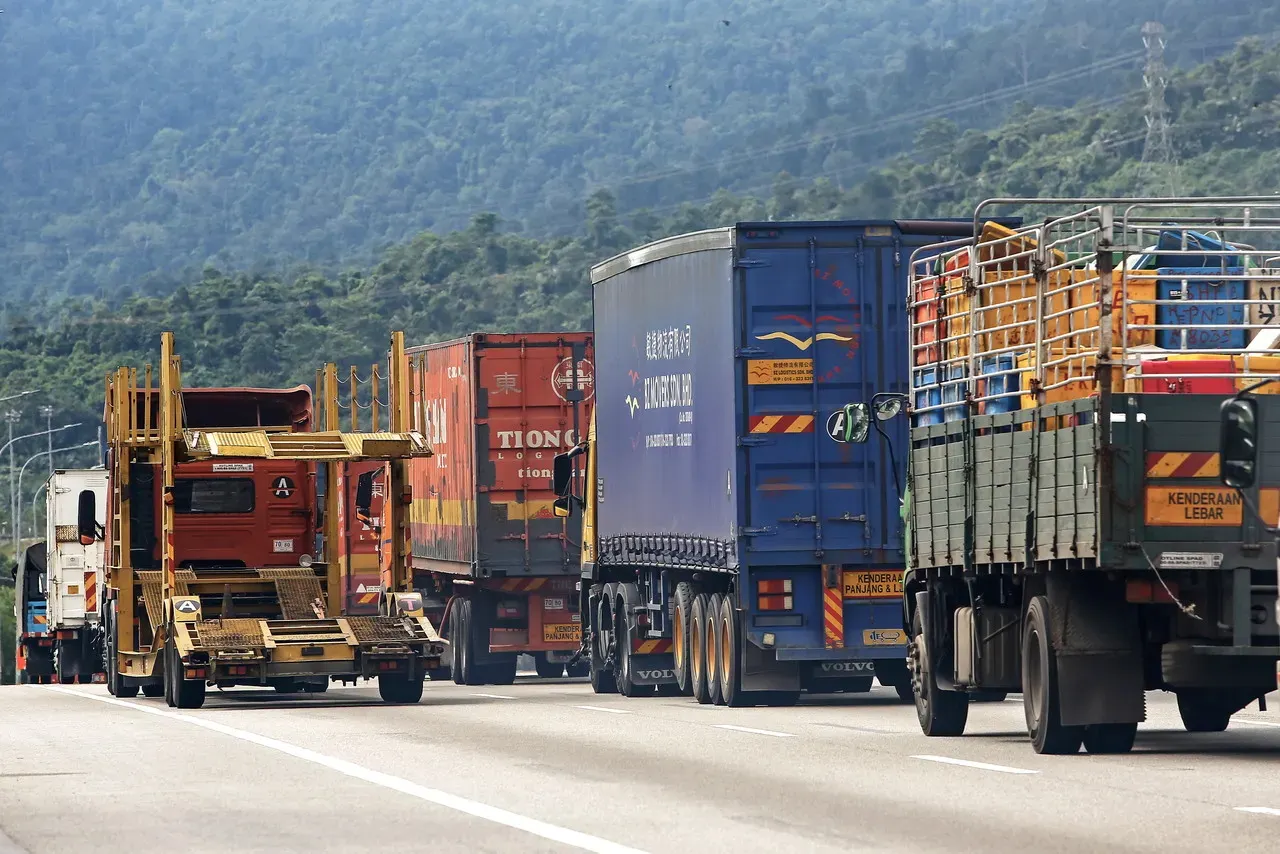
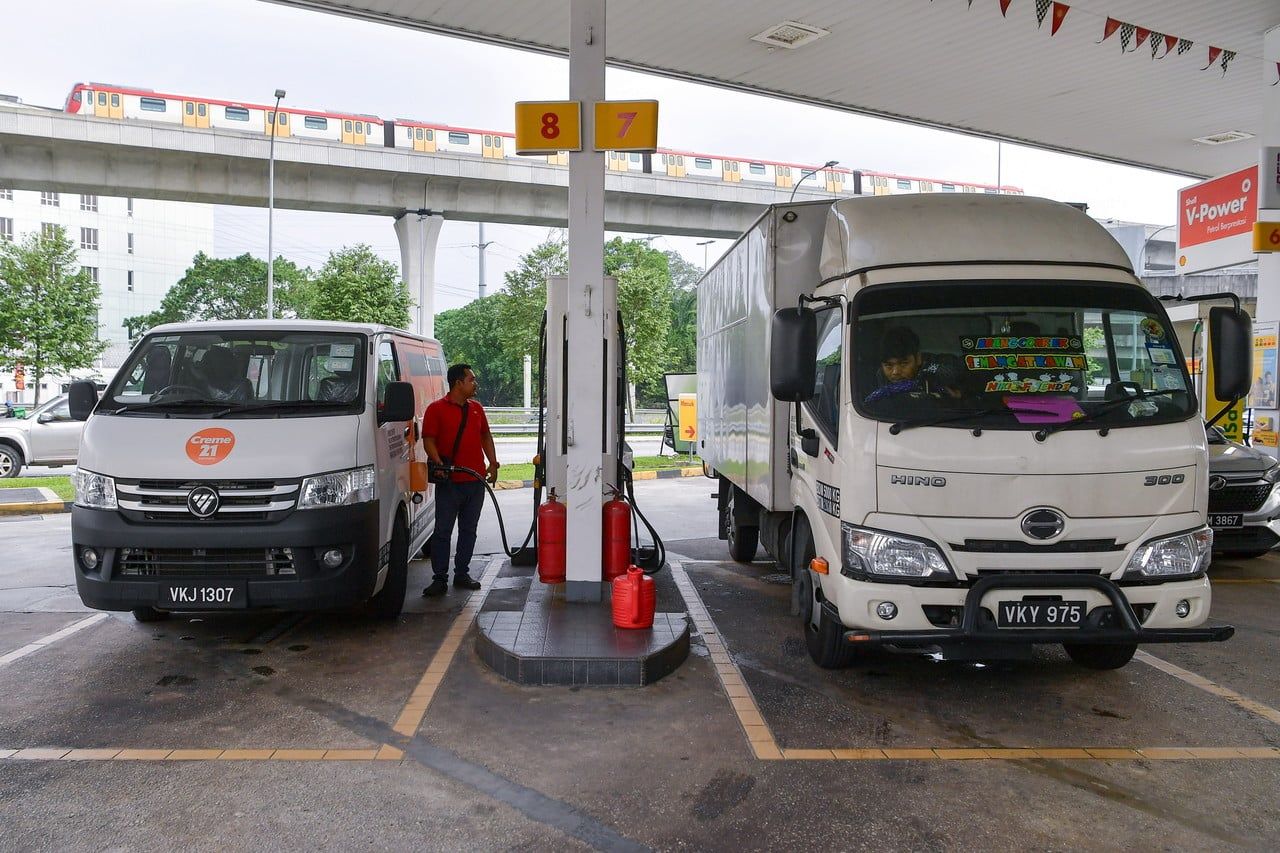
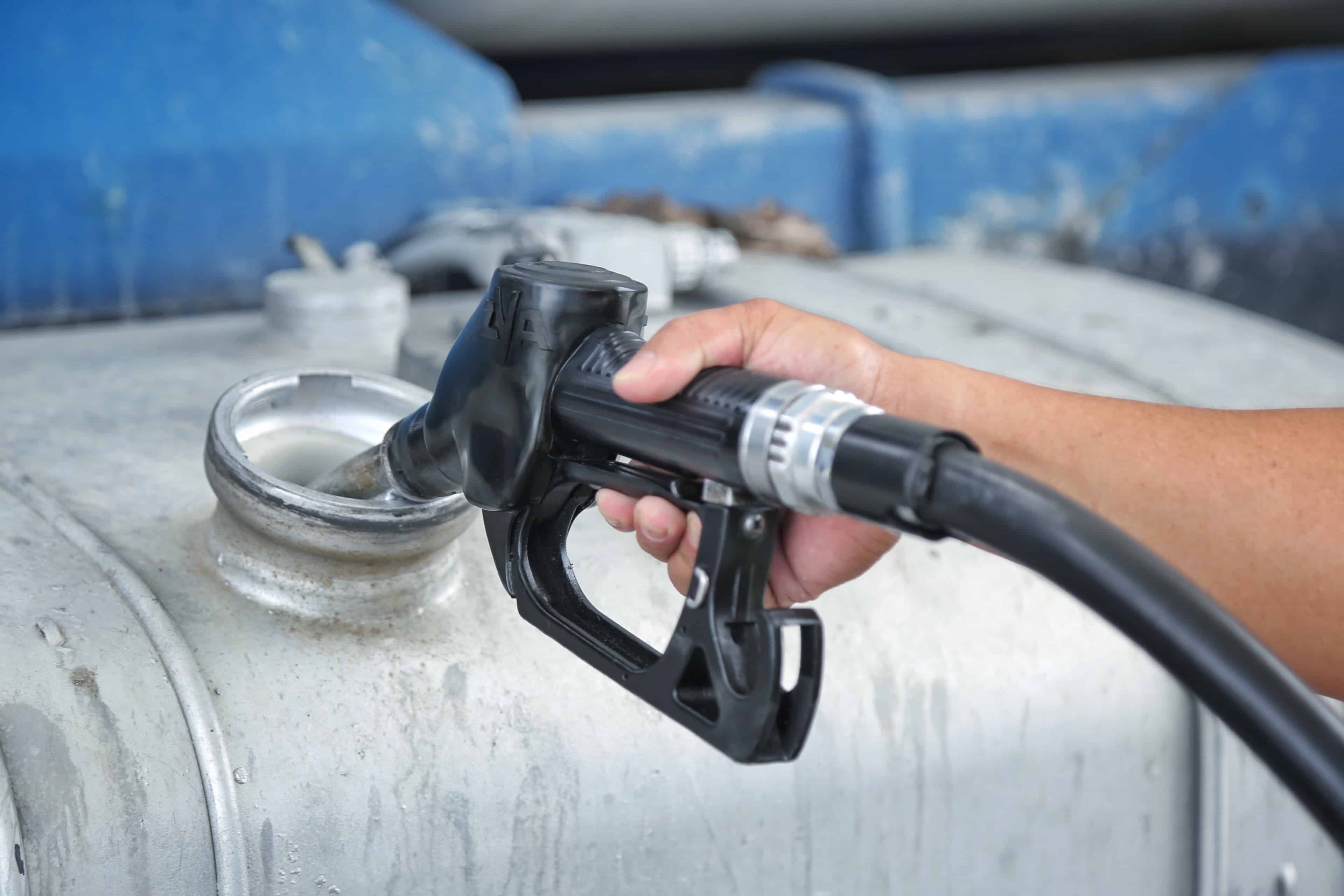
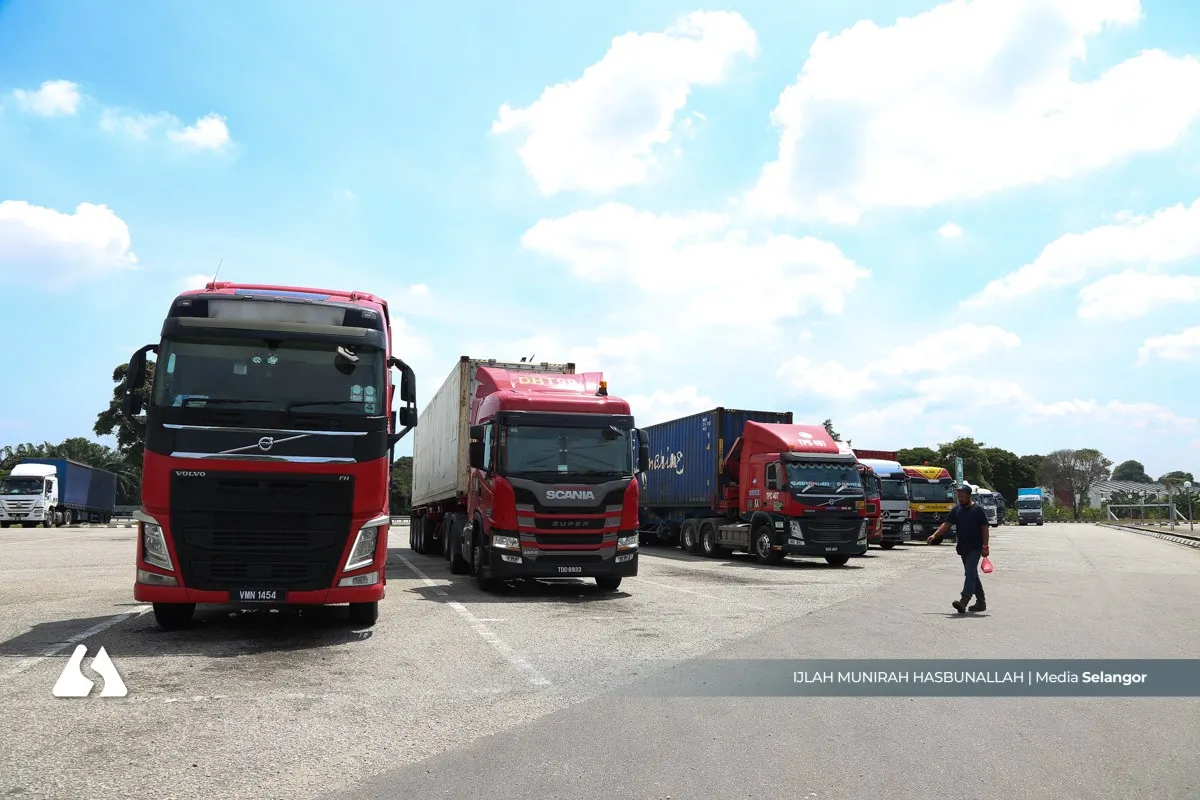
KLANG, Apr 10 — The increase in diesel prices has affected the daily operations of lorry drivers, with companies restructuring delivery schedules to manage fuel costs.
A survey found that most companies are maintaining operations to ensure supply to consumers is not disrupted, but delivery movements are now being carried out in a more structured and limited manner.
Lorry driver Barbir Singh, 64, said work is still running smoothly for now, although some adjustments to travel patterns have been made.
“Demand is still there, so deliveries continue, but companies are emphasising fuel savings and only carrying out trips that are truly necessary.
“Less important trips are being postponed, while deliveries are planned according to location to save time and fuel usage,” he said.
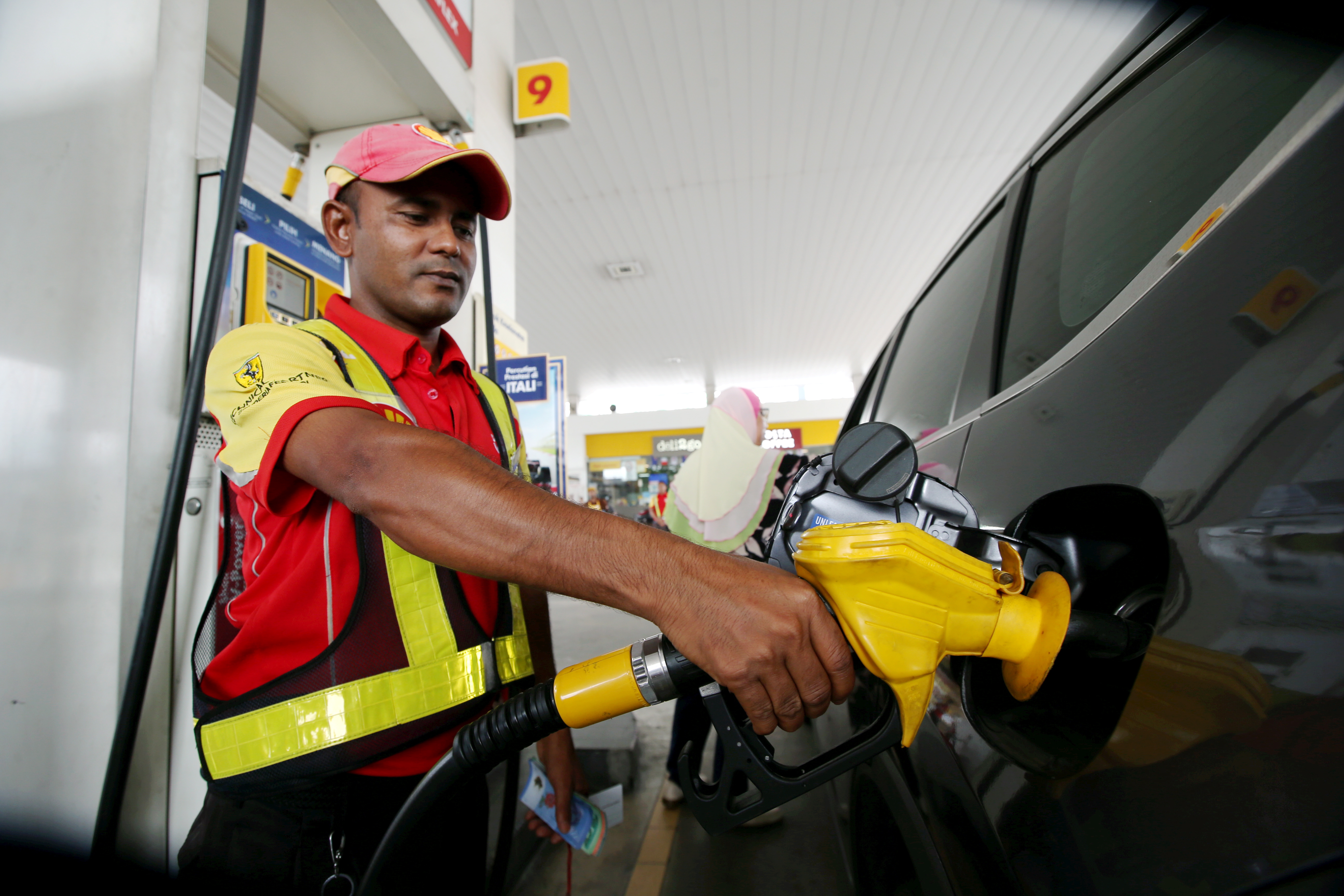
He added that the rise in diesel prices is unavoidable, with drivers also facing issues such as fuel shortages at stations and long queues to refuel.

For Muhammad Firdaus, 34, the situation has had a more significant impact, particularly due to limits on diesel purchases that affect travel schedules.
“We cannot fill up fully like before, we have to make repeated refuelling stops, which wastes time.
“Some companies also use card systems, and sometimes we have to wait for supervisors, all of which causes us to lose trips and makes work more difficult,” he said.

Meanwhile, Muhammad Salleh, 42, said some companies are absorbing diesel costs through internal subsidies, helping operations remain stable.
“Work-wise there is no issue because diesel costs are covered by the company and salaries are not affected.
“However, some companies have reduced trips or rental rates, which affects drivers’ income,” he said.
He expressed hope that diesel prices would be reduced to allow more trips and higher earnings.

Overall, company subsidies have helped ease operating costs to some extent, but restructuring delivery schedules remains the main measure to ensure operational continuity.
Diesel prices without subsidy in Peninsular Malaysia have increased by 70 sen to RM6.72 per litre, while the subsidised retail price in Sabah, Sarawak and Labuan remains at RM2.15 per litre for April 9 to 15.
Meanwhile, prices under the Subsidised Petrol Control System (SKPS) and Subsidised Diesel Control System (SKDS) remain at RM2.05 and RM2.15 per litre respectively.
The government also maintained the additional BUDI Diesel cash aid of RM100 for April, bringing the total to RM300 for recipients under BUDI Individu and BUDI Agri-Komoditi.
RON95 subsidised prices under the Budi MADANI programme remain at RM1.99 per litre, while the unsubsidised retail price has increased by 40 sen to RM4.27 per litre.