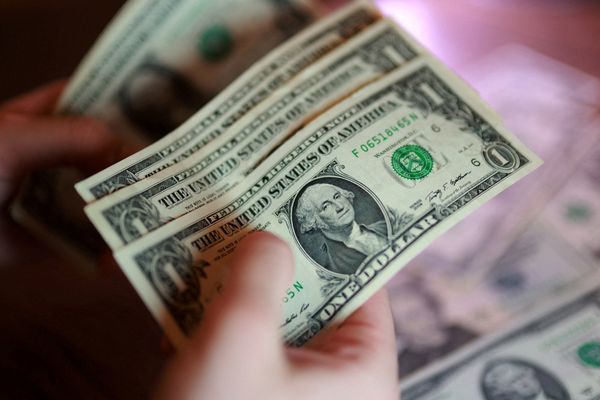
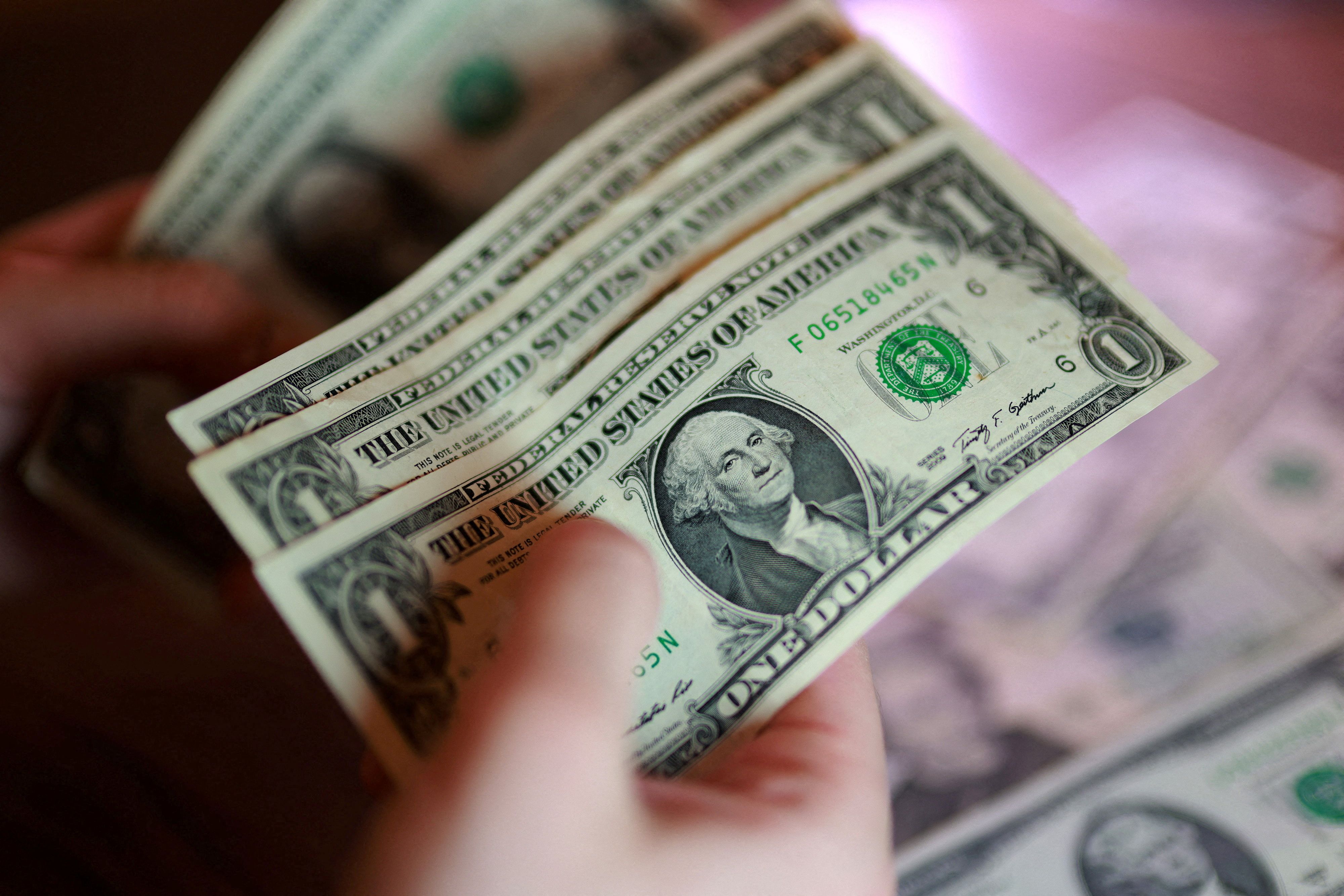
TOKYO, April 9 — The United States dollar remains on shaky footing today after broad losses, as investors anxiously assess whether a fragile ceasefire between the US and Iran would hold.
The ceasefire deal appeared to be on thin ice, as Israel continues its parallel war in Lebanon while Tehran accuses both Israel and the US of violating the agreement, saying that proceeding with peace talks would be “unreasonable”.
The Strait of Hormuz remains shut to vessels sailing without a permit and shippers said they need more clarity before resuming transit, sending oil prices higher.
US President Donald Trump said all of its ships, aircraft, and military personnel would stay in place in and around Iran until Tehran fully complies with a deal.
“There are probably some doubts emerging over whether the ceasefire expectations can really be sustained — or whether a ceasefire can even be finalised in the first place,” said Sho Suzuki, market analyst at Matsui Securities.
The dollar index, which measures the greenback against a basket of currencies including the yen and the euro, was flat at 99.07. The euro was down 0.01 per cent at US$1.1661 while sterling edged 0.01 per cent higher to US$1.3393.
The yen handed back some of the previous day’s gains following the announcement of the truce in the West Asia conflict, weakening 0.15 per cent against the greenback to 158.81 per dollar.
Among currencies, the US dollar has been the major beneficiary of the war it launched, in part because the US is a net energy exporter and therefore less exposed to the economic hit that oil importers like Japan and many European countries might face.
The five-week war has shaken investor confidence, triggering the largest disruption to global oil and gas supplies on record.
The uneasy truce leaves Iran with greater leverage over shipping through the vital strait than before the conflict, analysts said, after Trump backed off from his threats to attack Iran’s civilian infrastructure.
The US is set to release February personal consumption expenditure (PCE) and the PCE deflator today. Strong US data could trigger a rebound in the dollar, Akihiko Yokoo, senior analyst at Mitsubishi UFJ Bank, said in a note.
The Australian dollar weakened 0.06 per cent versus the greenback to US$0.7039. New Zealand’s kiwi strengthened 0.17 per cent versus the greenback to US$0.5832.
In cryptocurrencies, bitcoin fell 0.49 per cent to US$71,030.07, while Ethereum declined 1.06 per cent to US$2,186.50.