

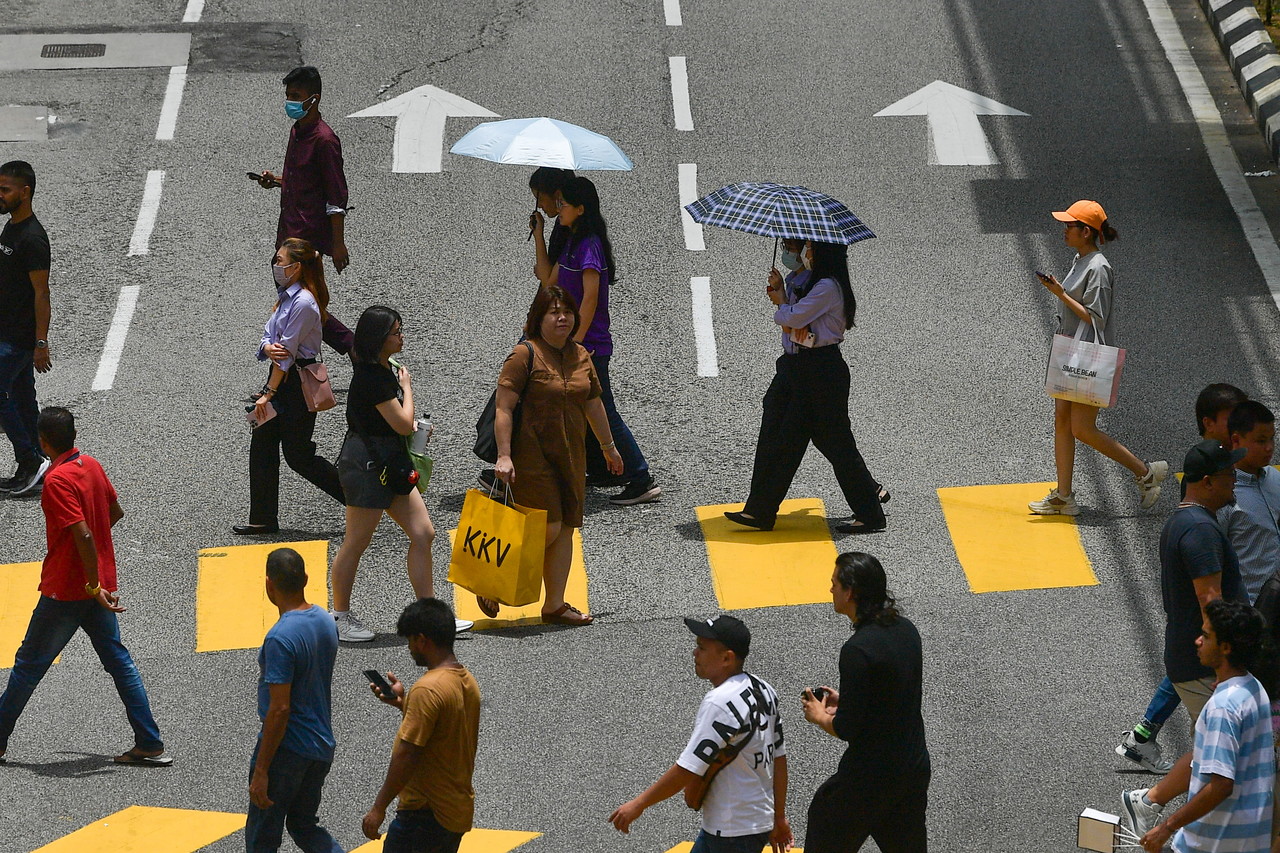
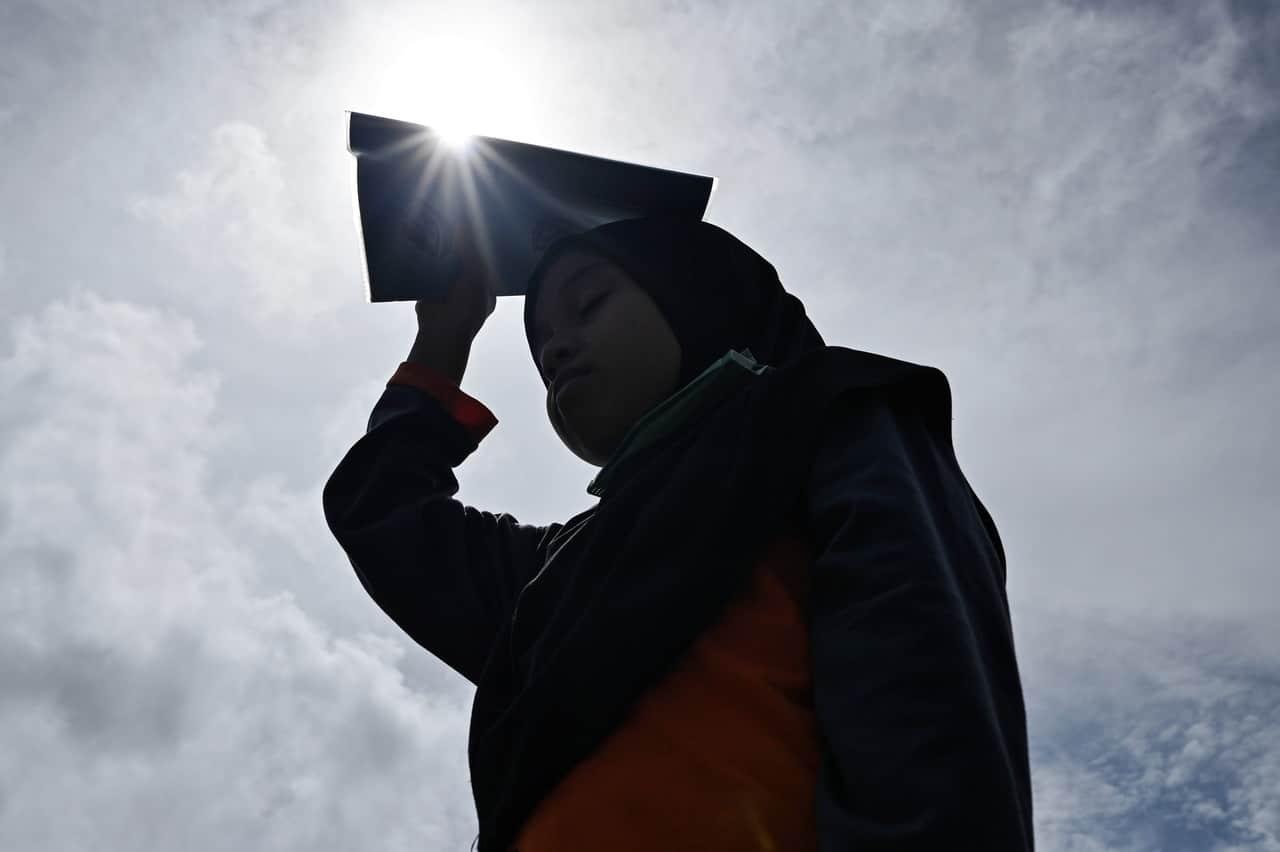
SHAH ALAM, Apr 9 — The current hot weather affecting the country is not an unusual phenomenon, but one that occurs annually.
The director-general of the Malaysian Meteorological Department (MetMalaysia) said such hot conditions typically occur between February and June, with temperatures peaking around March to April each year.
Dr Mohd Hisham Mohd Anip explained that the rise in temperature is due to a lack of rain clouds at the end of the Northeast Monsoon, allowing direct sunlight to reach the Earth’s surface.
“When there is no ‘umbrella’ (clouds), the Earth’s surface receives direct solar radiation without obstruction, causing temperatures to rise higher than usual.
“Records show that hot weather occurs every year. It is just that the public is now more aware of current conditions. Everything is shared on social media and goes viral, whereas this hot weather happens annually,” he said during the ‘Bicara Semasa’ programme produced by Media Selangor.

Mohd Hisham said the average temperature in Malaysia is around 32 to 34 degrees Celsius, but between February and June, it can exceed 35 degrees Celsius.
“In certain conditions, temperatures can reach between 37 and 38 degrees Celsius, especially when the sun is positioned directly overhead the country around March and April,” he said.
He added that northern states in Peninsular Malaysia such as Perlis and Kedah tend to record higher temperatures compared to other areas.
This, he explained, is influenced by their geographical proximity to mainland regions in Indochina such as Thailand, Cambodia, Vietnam and Myanmar, which experience hotter weather.
“Heat from those regions also affects temperatures in northern Peninsular Malaysia, making those areas hotter compared to other states.
“However, we are fortunate that there is no El Nino this year. If El Nino were to occur globally, the heat could be more intense,” he said.
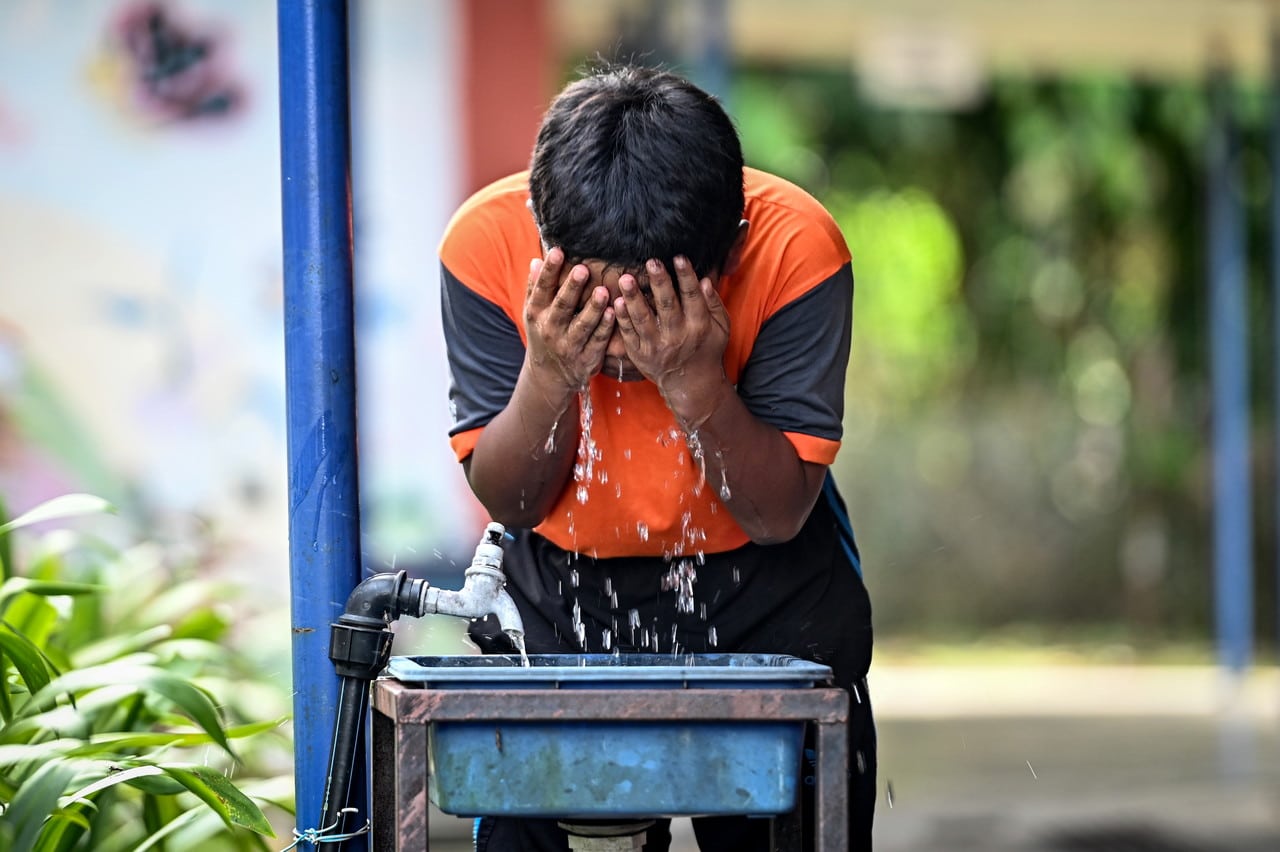
He also stressed that the rise in global temperatures contributes to hotter weather conditions, with records showing that temperatures in the country have increased compared to previous decades.
As such, the public is advised to remain alert to weather changes and take precautionary measures, including reducing outdoor activities during hot conditions to minimise the risk of heatstroke.