SHAH ALAM, April 8 — Community is a significant element in ensuring senior citizens’ welfare, in line with the Selangor government’s efforts towards a comprehensive, sustainable support system for the group, said state executive councillor for women empowerment and welfare Anfaal Saari.
She said the care of older folks shouldn’t be borne by individuals, but instead requires active community involvement to build a stronger support network.
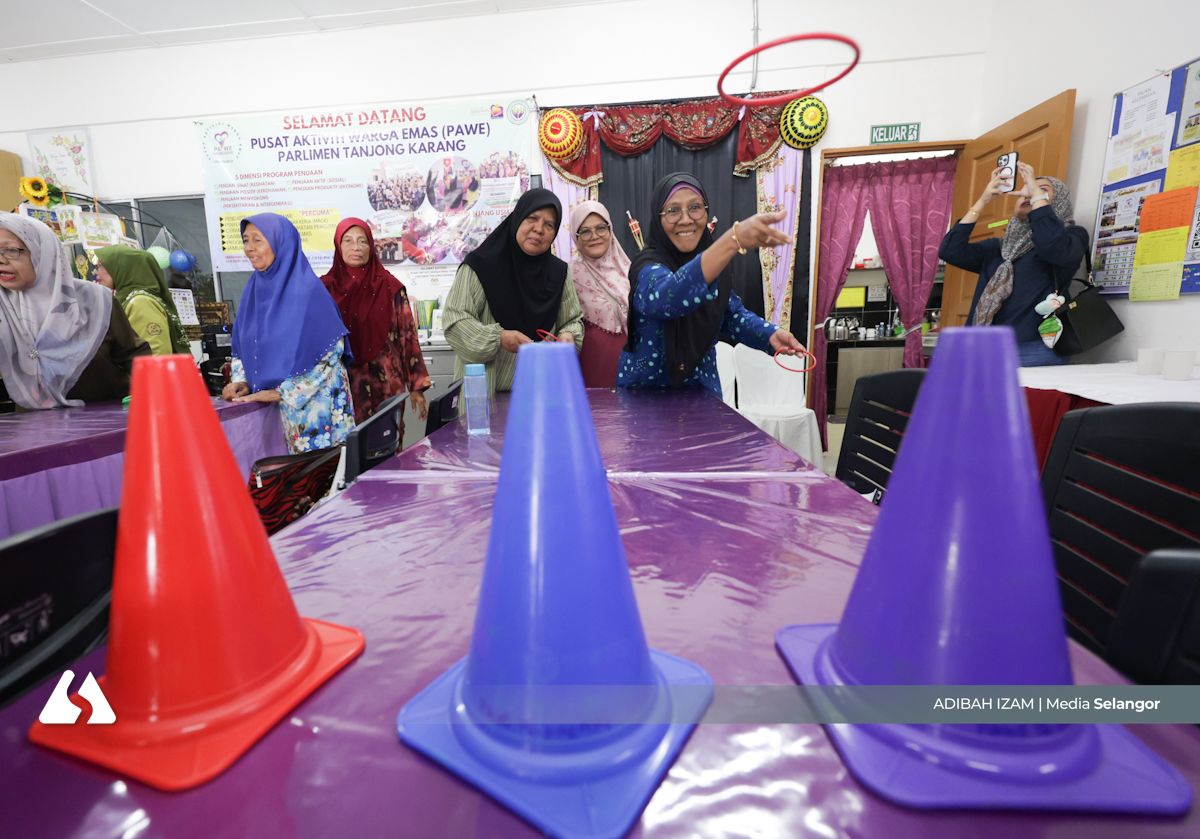
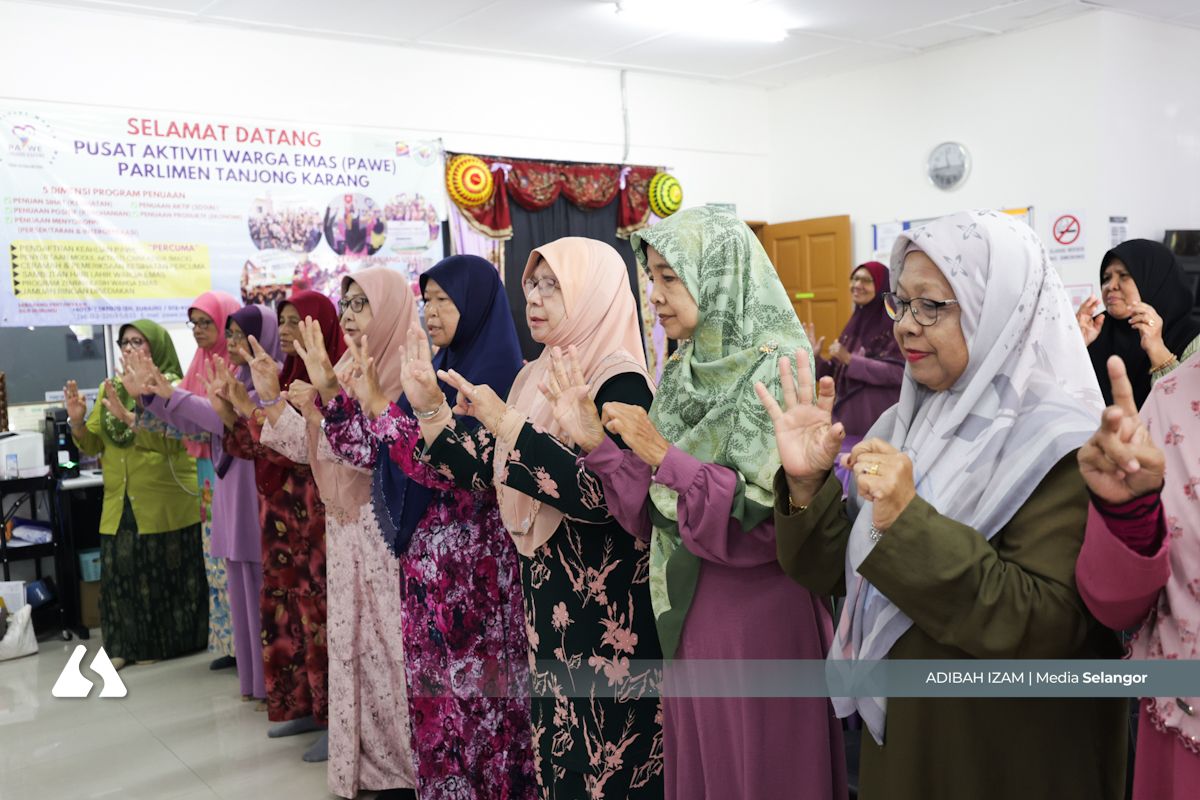
Among initiatives to this end are the establishment of Senior Citizen Activity Centres (PAWE), which aim to ensure older folk remain active and form social networks after retirement, she added.
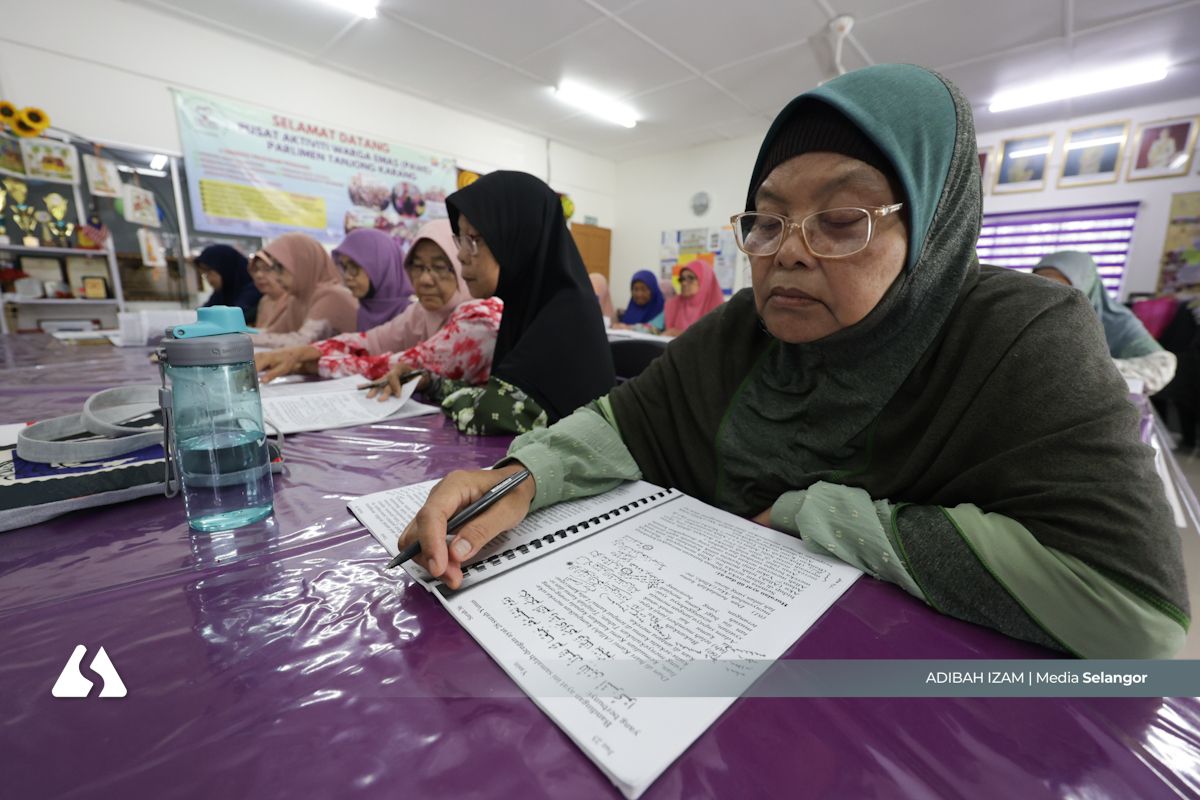
“PAWE are platforms for senior citizens to interact, participate in healthy activities, and avoid social isolation which could affect their physical and emotional health.
“The state government is planning to develop the Risk Spike Care Wellness Hub as a holistic support centre for senior citizens, which encompasses physical, psychospiritual and social health,” Anfaal said during an exclusive interview by Media Selangor at her office in the Sultan Salahuddin Abdul Aziz Shah Building on March 17.
She added that the hub is expected to add value to the community by helping older folk stay healthy, active and well.
“This initiative would also bring relief to carers when they need to attend to personal matters, by allowing senior citizens to be under safe care,” she explained.
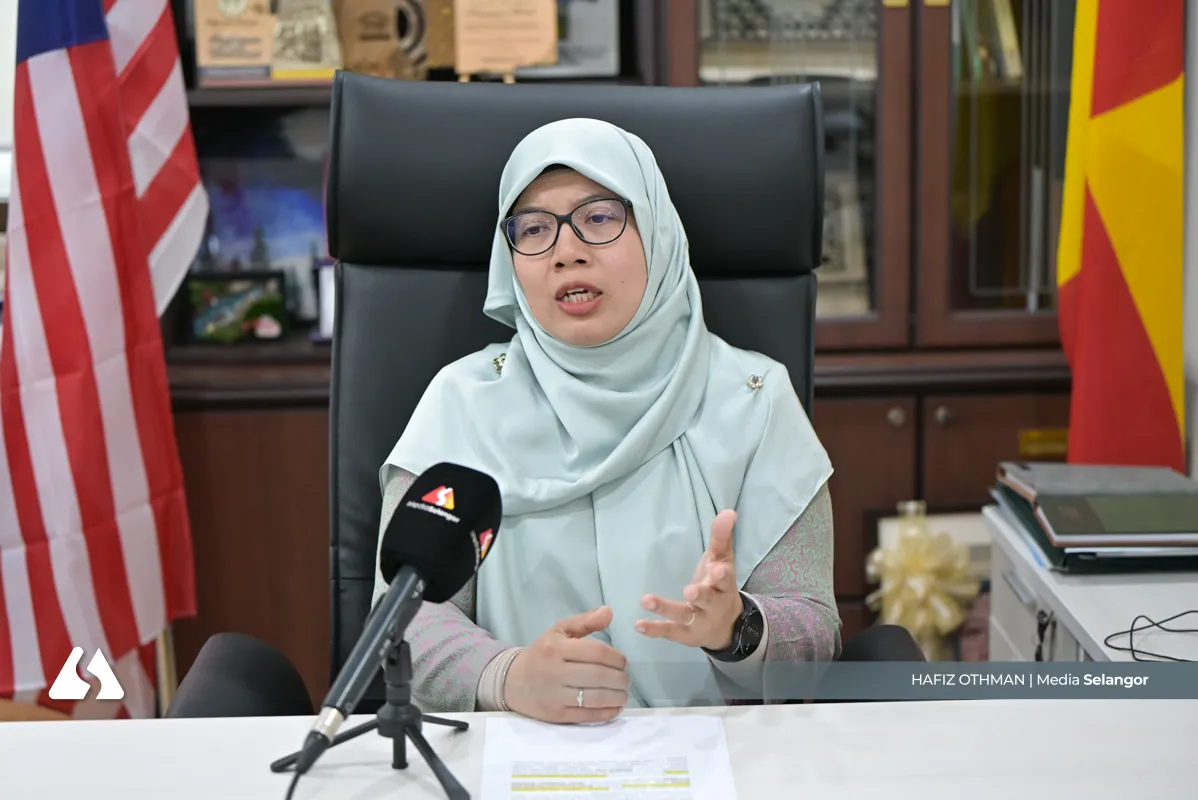
Anfaal also asserted the importance of community participation, including under the Rakan Penjaga Selangor initiative, saying the community-based approach not only creates a more caring, inclusive environment, but ensures senior citizens’ physical, emotional and social welfare.
On November 24, 2024, Selangor became the first state in Malaysia to launch a care economy policy ahead of its population ageing.
The Selangor Care Economy Policy prepares the state for a reality in which 8.1 per cent of its residents are aged 65 and above.
Menteri Besar Dato’ Seri Amirudin Shari said the policy, which runs up to 2030, covers care for senior citizens, children, and people with disabilities, and provides support for formal and informal carers.