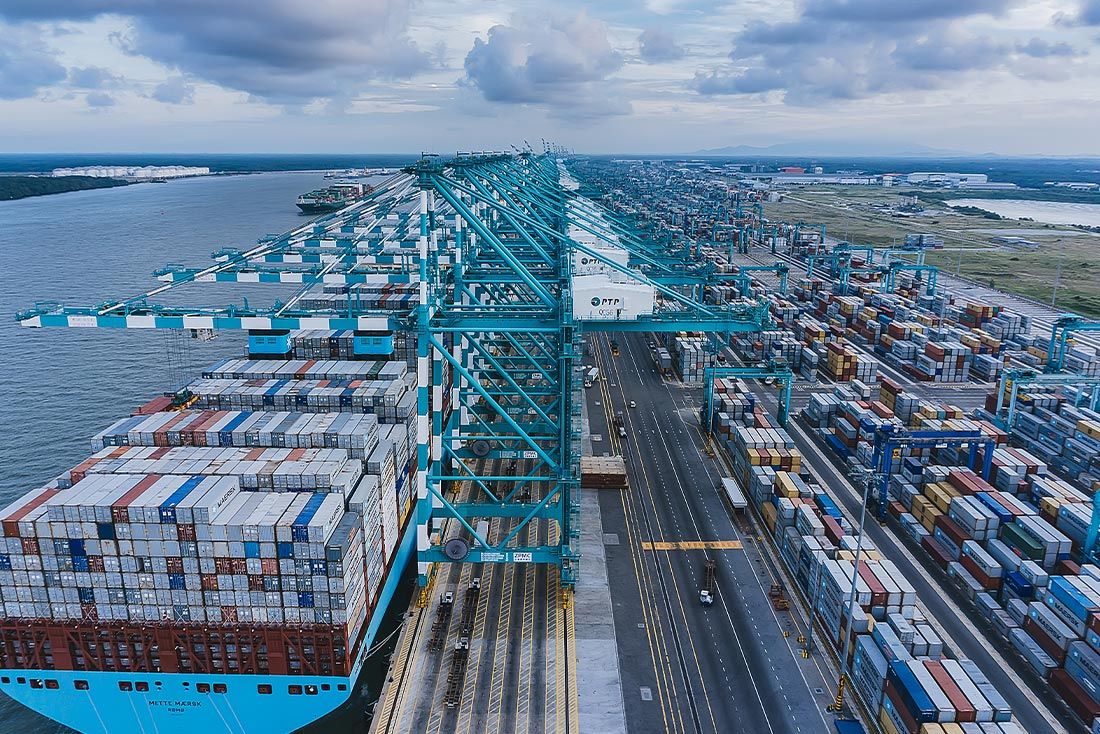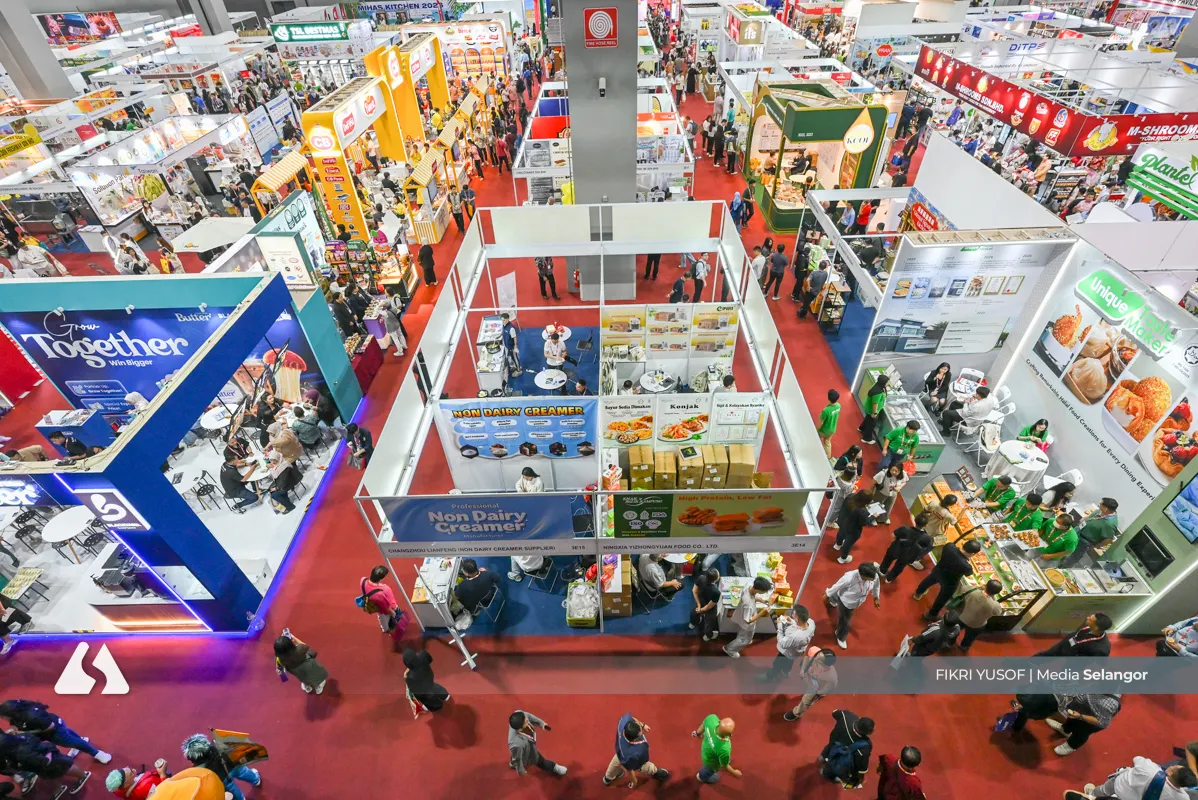

SHAH ALAM, April 8 — Malaysia’s halal food standards, renowned at the international level, now face significant pressure due to the West Asia conflict, with exports set to decline by between 20 and 60 per cent.
Products like 3-in-1 coffee, frozen food, roti canai, dumplings, and various kuih that were previously popular in the Gulf now face great challenges, while diesel price hikes and the potential closure of the Strait of Hormuz present compounding effects to local food manufacturers.
Malaysian Food Manufacturers Association president Ding Hong Sing said the current situation has been more challenging than the pandemic.
According to him, diesel price fluctuations have resulted in container shipping costs rising between US$2,000 to US$4000, piling pressure on traders.
“If the conflict between Iran, Israel, and the United States continues, exporters will be severely affected. The impact is great and burdensome,” he told Media Selangor.
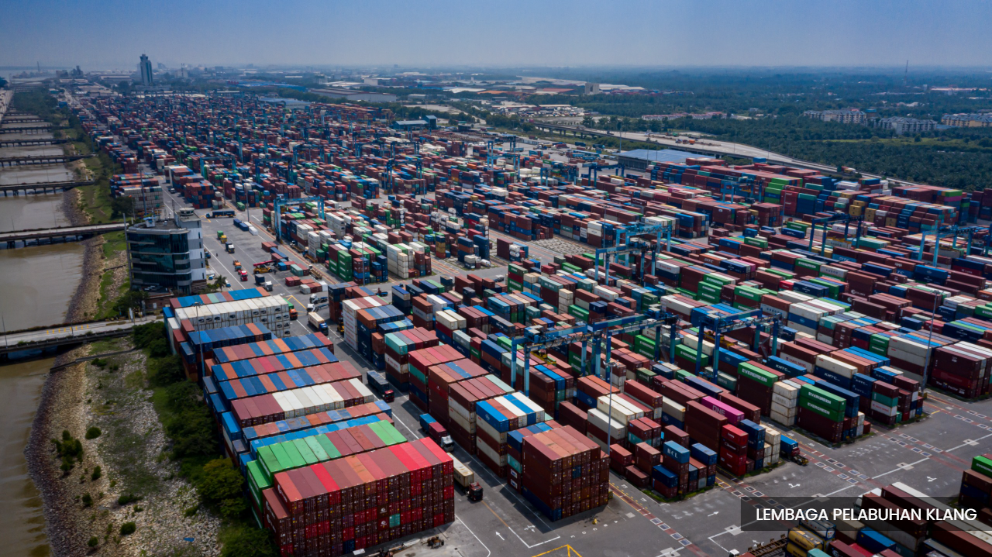
Ding, who is also PA Food Sdn Bhd founder, said around 30 per cent of his company’s business depends on the West Asian market, and with the Strait of Hormuz blocked, goods have to be rerouted by tens of thousands of kilometres and significantly raises logistics costs.
He added that most exports to Western countries like the United Kingdom and the Netherlands transit the Strait of Hormuz, with an average shipping period of 21 days, but rerouting forces vessels to go around South Africa, adding about three weeks to shipping periods and increasing overall costs.
“We hope this conflict ends soon. If not, the people will continue to bear (the effects) and Southeast Asia’s economy would also be greatly impacted,” he said.
He also said that up to 60 per cent of Malaysian food manufacturers’ exports focus on the West Asian market, meaning shipping destinations are hard to urgently replace or move.

Immediate steps
The Malaysian government has for the past few years explored West Asian markets like Dubai to aggressively promote local food with halal certification, which is highly credible among consumers.
“Even though we keep expanding our market to the United States, Europe and Canada, it still cannot make up for how important the West Asian market is,” Ding explained.
He added that continued cost pressures are slowing exports and reducing importer demand, affecting the entire trade industry.
Meanwhile, for imports, the cost of sending goods from Europe and the United States has also become more expensive due to longer shipping periods and rising fuel prices. Imports from Western countries mostly involve agricultural products like grapes, oranges, peas, corn, and wine, while those from West Asia include dates.
“From the aspect of vegetable imports, around 70 per cent comes from China, with the rest coming from Indonesia and Thailand. Imports from Western nations are small, so the overall impact is limited,” he said.
He urged the government to act immediately by stabilising diesel prices and supply and allowing six- to twelve-month loan moratoriums for SMEs.
“For industrial fuels, the government must provide appropriate subsidies. If not, small and medium manufacturers may not be able to be resilient and face closure,” Ding asserted.