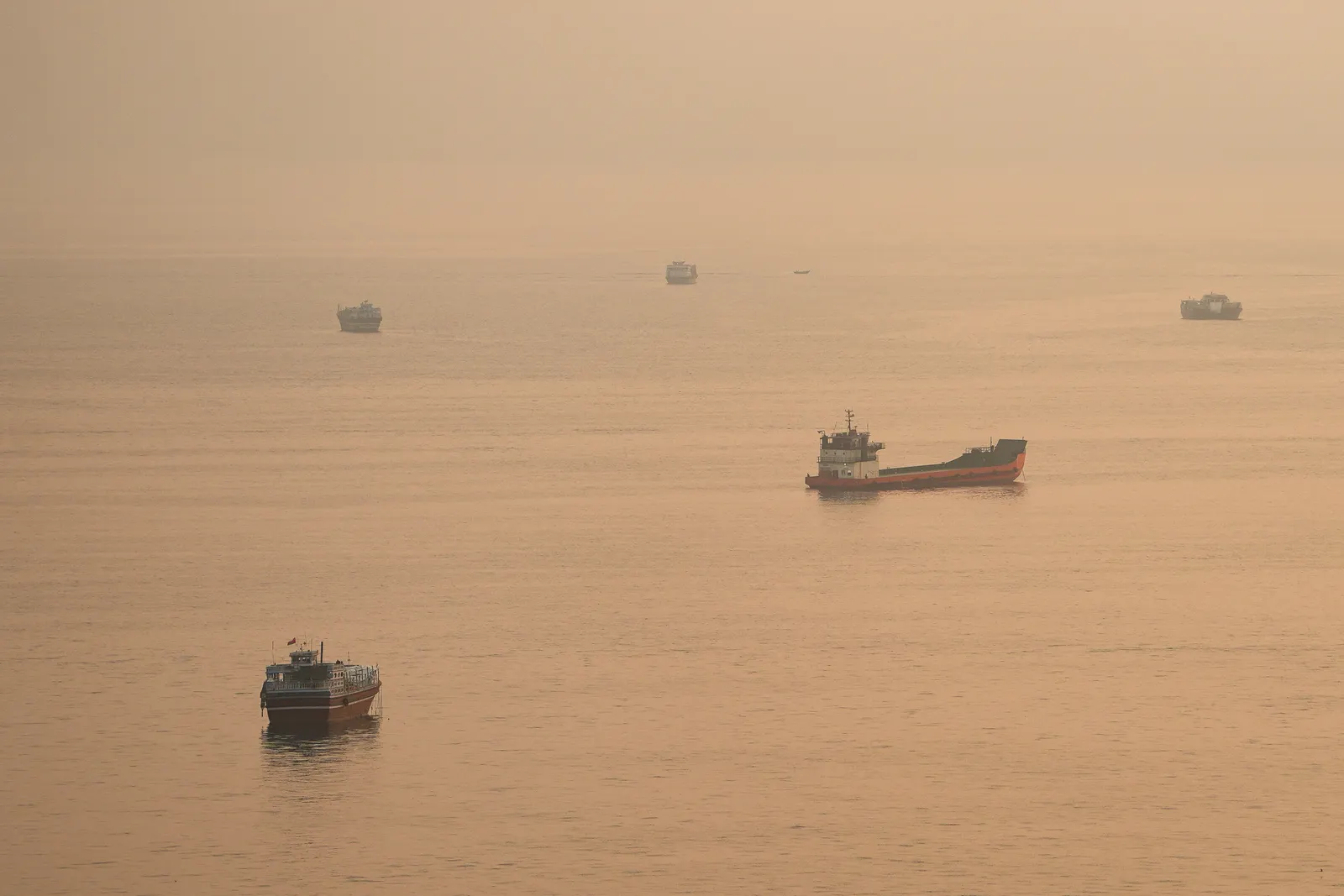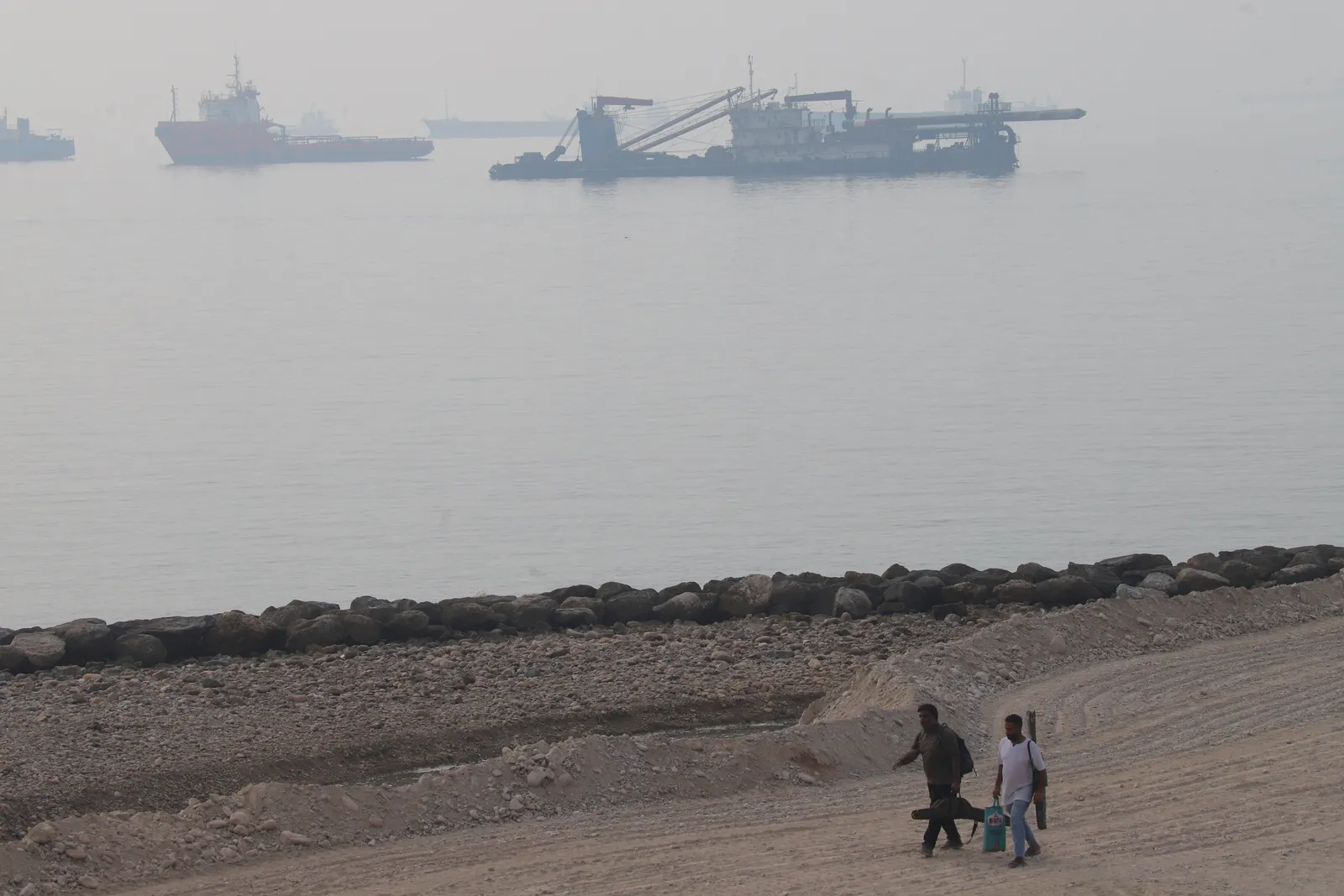
BRUSSELS, April 7 — The United Nations Security Council is expected to vote today on a resolution to protect commercial shipping in the Strait of Hormuz, but in significantly watered-down form after veto-wielding China opposed authorising force, diplomats said.
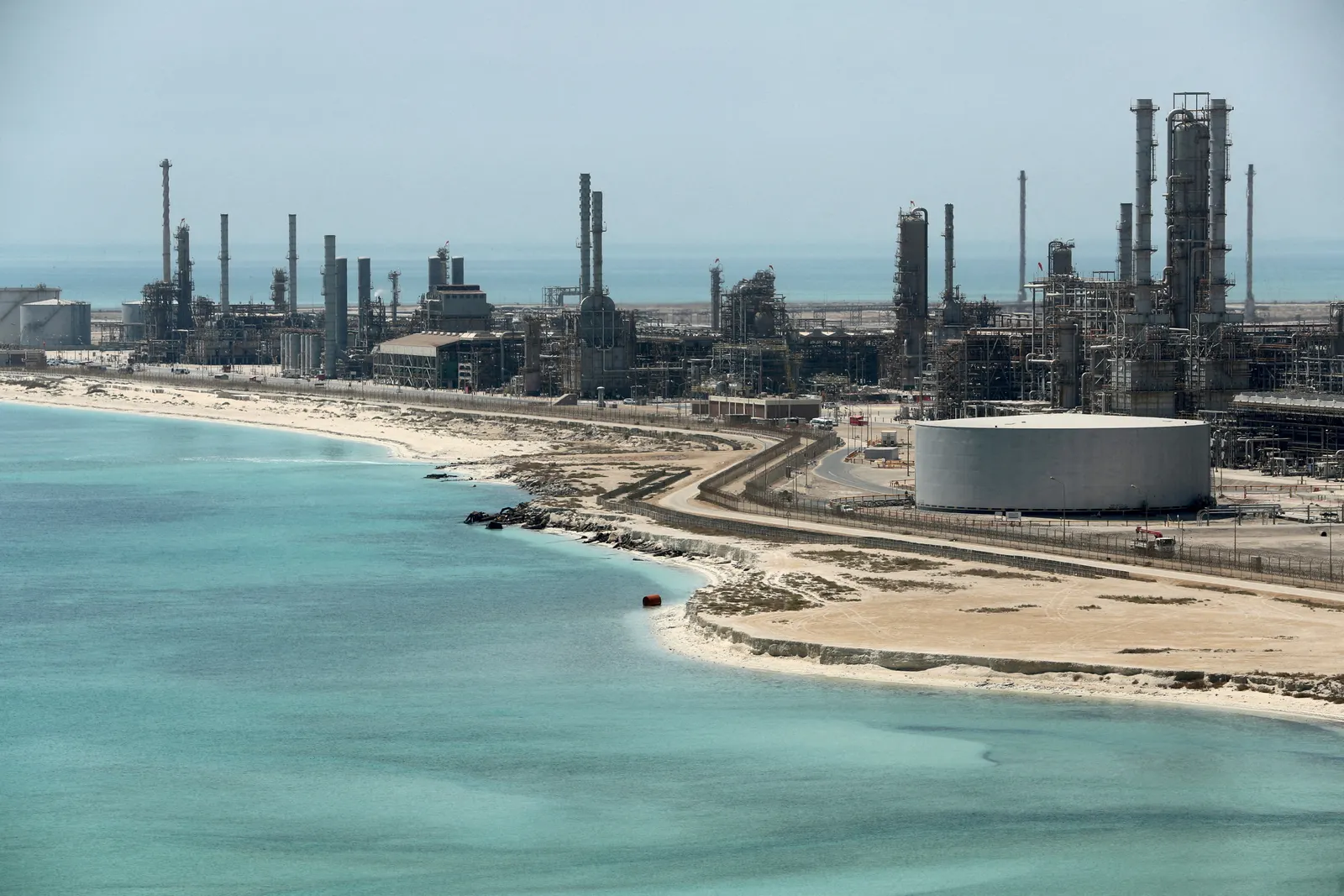
Oil prices have surged since the United States and Israel struck Iran at the end of February, unleashing a conflict that has run for more than five weeks and seen Tehran largely close the strait, a vital energy artery.
Efforts by Bahrain, the current chair of the 15-member council, to secure a resolution have involved multiple drafts seeking to overcome opposition from China, Russia and others. The latest iteration, seen by Reuters, drops any explicit authorisation of the use of force.
Instead, the text “strongly encourages states interested in the use of commercial maritime routes in the Strait of Hormuz to coordinate efforts, defensive in nature, commensurate to the circumstances, to contribute to ensuring the safety and security of navigation across the Strait of Hormuz”.
It said such contributions could include “the escort of merchant and commercial vessels”, and endorses efforts “to deter attempts to close, obstruct or otherwise interfere with international navigation through the Strait of Hormuz”.
Diplomats said the watered-down version has a better chance of passing, but it is unclear if it would succeed. It requires at least nine votes in favor and no vetoes from the five permanent members: Britain, China, France, Russia and the US.
Bahrain, which has been backed in its efforts by other Gulf Arab states and Washington, issued a draft on April 2 that would have authorised “all defensive means necessary” to protect commercial shipping, but votes on this were postponed on April 3 and 4.
Bahrain had previously dropped an explicit reference to binding enforcement.
On April 2, China opposed a resolution authorising force, saying this would be “legitimising the unlawful and indiscriminate use of force, which would inevitably lead to further escalation of the situation and lead to serious consequences”.
Iran yesterday said it wants a lasting end to the war, and pushed back against pressure to reopen the Strait, while US President Donald Trump warned the country could be “taken out” if it does not meet his deadline tonight to reach a deal.
Chinese Foreign Minister Wang Yi said on Sunday after speaking to his Russian counterpart that China is willing to continue cooperating with Russia at the Security Council and make efforts to calm the West Asia conflict.
Wang said the fundamental way to resolve the Strait issue is to achieve a ceasefire as soon as possible. China is the world’s largest buyer of oil moving through the Strait.