
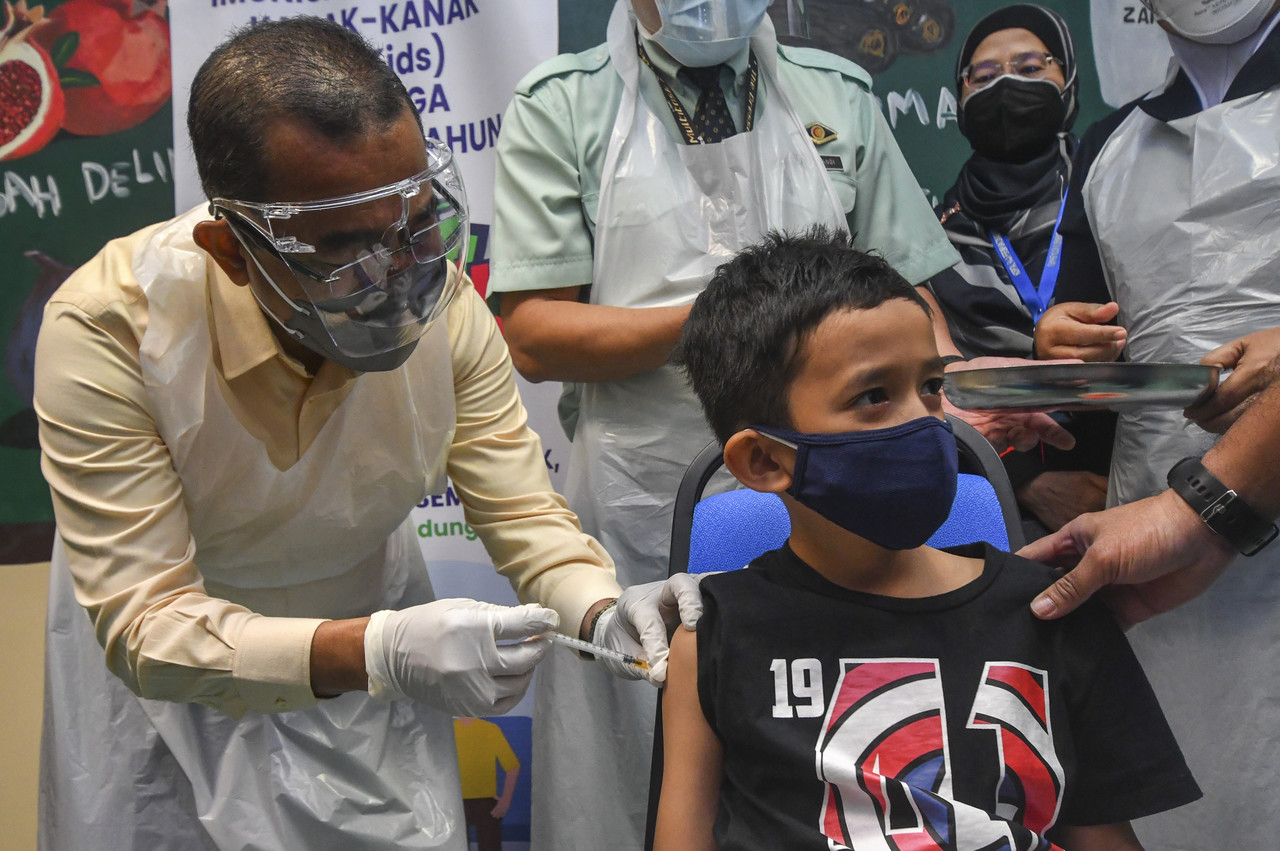
KUALA LUMPUR, April 3 — The public needs to change the perception that immunisation is only for babies and children, as it is, in fact, a lifelong health necessity, said a Health Ministry (MOH) medical expert.
Its Disease Control Division's Vaccine-Preventable Diseases Sector public health specialist Dr Wan Abdul Hannan Wan Ibadullah said efforts to correct public misconceptions about the importance of immunisation are continuously intensified to ensure universal health protection across all age groups.
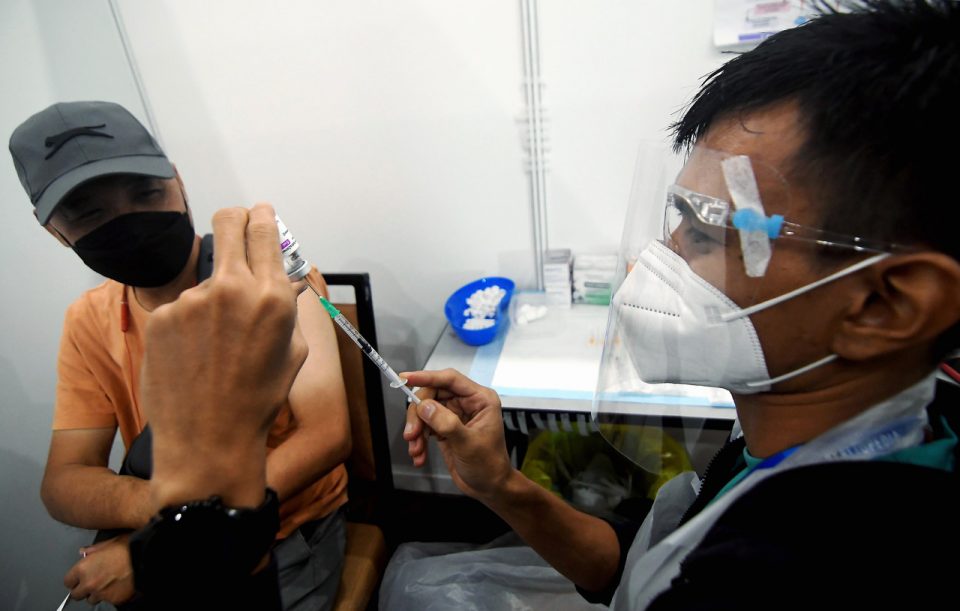
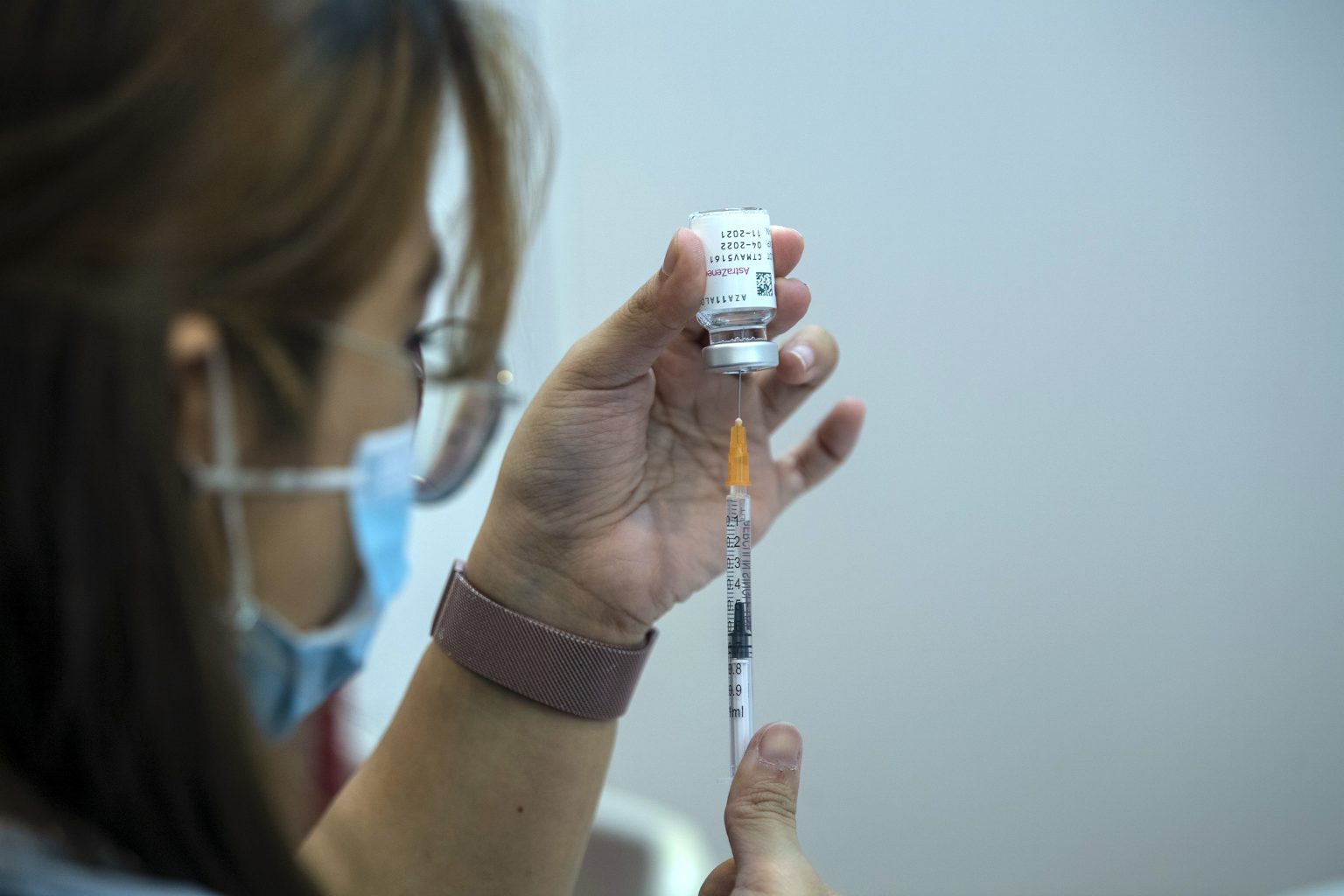
In addition to routine immunisation for infants, there are various other vaccines which are critical for adults, including the influenza vaccine for the elderly, the Tdap (Tetanus-Diphtheria-Pertussis) vaccine for pregnant women, and the meningococcal vaccine for pilgrims performing the Haj and Umrah.
“Vaccination is a health investment from infancy to old age, to ensure that our community achieves strong herd immunity.
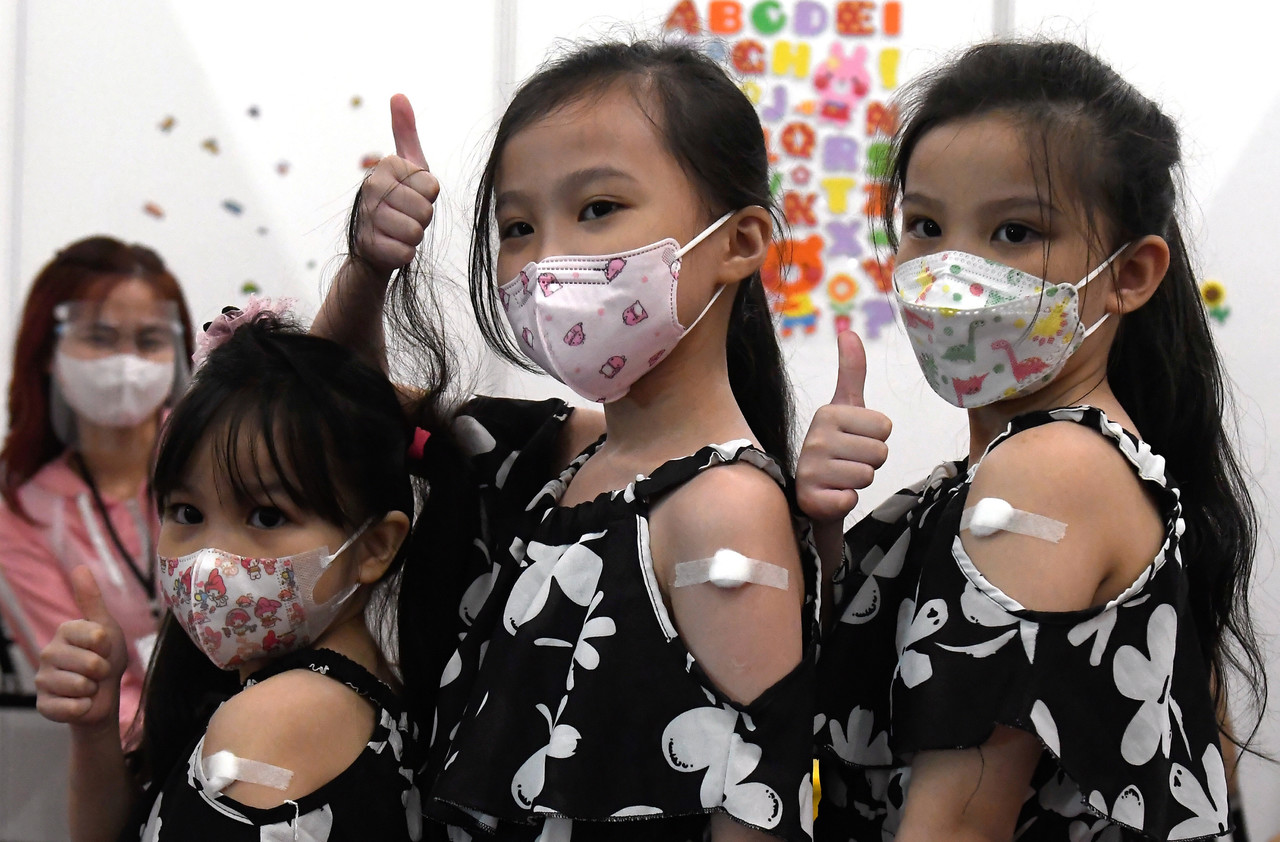
“We want the public to understand that the function of vaccines is to reduce severe infection complications and the risk of death for all groups. For example, human papillomavirus (HPV) vaccination has shown remarkable progress in reducing the risk of cervical cancer, at both global and national levels,” he said.
Dr Hannan was speaking as a guest on Bernama TV’s 'Apa Khabar Malaysia' programme today, titled ‘National Immunisation Day 2026’.
He added that awareness of the HPV vaccine is key to ensuring that future generations in the country are free from the threat of the disease.
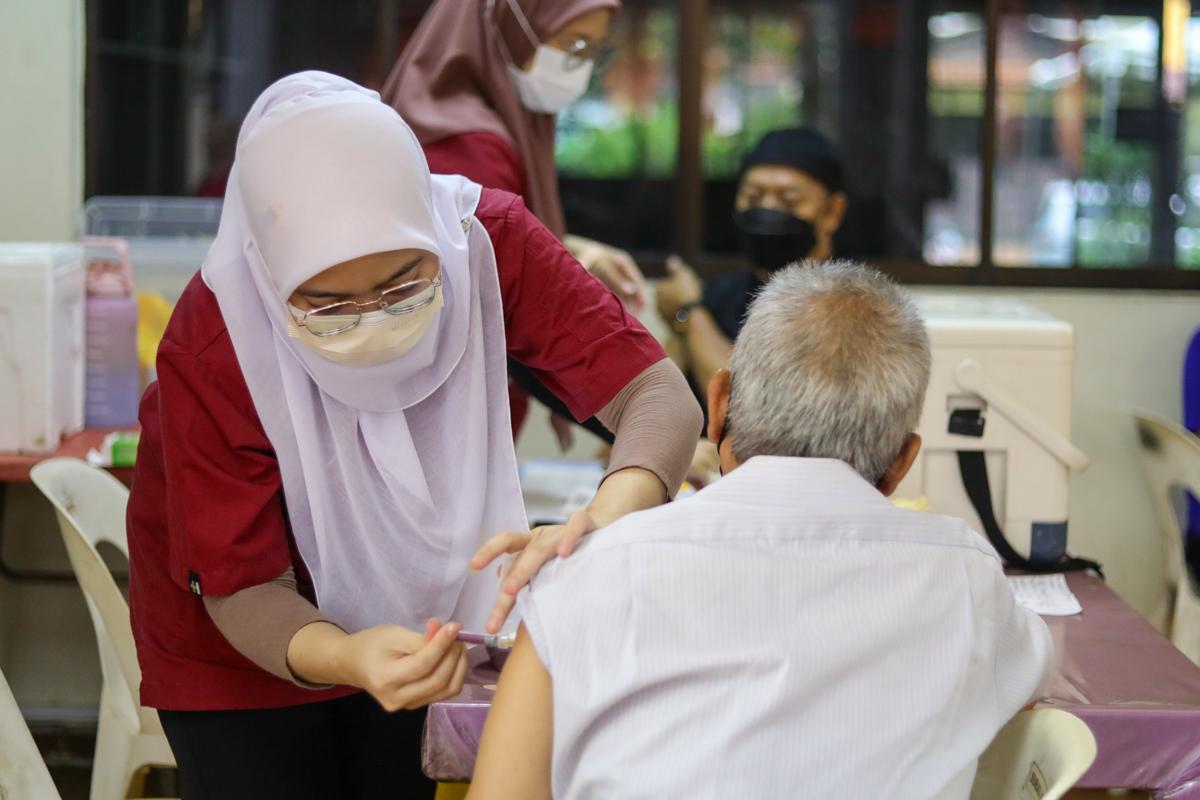
Commenting on the historical effectiveness of vaccination in the country, Dr Hannan said that, over the past 50 years, the infant mortality rate has declined significantly, from 95 deaths per 1,000 births in 1974 to just 25 per 1,000 births in 2025, while data shows that an average of six infant lives are saved every minute as a result of immunisation protection.
However, he is concerned about the influence of anti-vaccine narratives on social media platforms like TikTok and WhatsApp, which often spread misinformation that confuses parents and can pose fatal risks, especially to children.
Failure to receive vaccines can lead to preventable diseases, such as measles, that can cause permanent complications, including brain inflammation, blindness, and deafness, while COVID-19 vaccination has been shown to reduce admissions to Intensive Care Units.
“When it comes to measles, people think it is just a rash and fever. But they do not realise that, because of vaccination, children who are vaccinated only experience mild symptoms, and the complications are not as severe.
“The anti-vaccine issue may involve a small group, but its impact is significant, due to its spread on social media. I advise the public to always refer to qualified medical experts for accurate information, to safeguard the well-being and health of their families,” Dr Hannan said.
World Immunisation Week is observed annually, from April 24 to April 30. This year’s National Immunisation Day theme is 'Vaccines Protect Now, the Future and Throughout Life'.