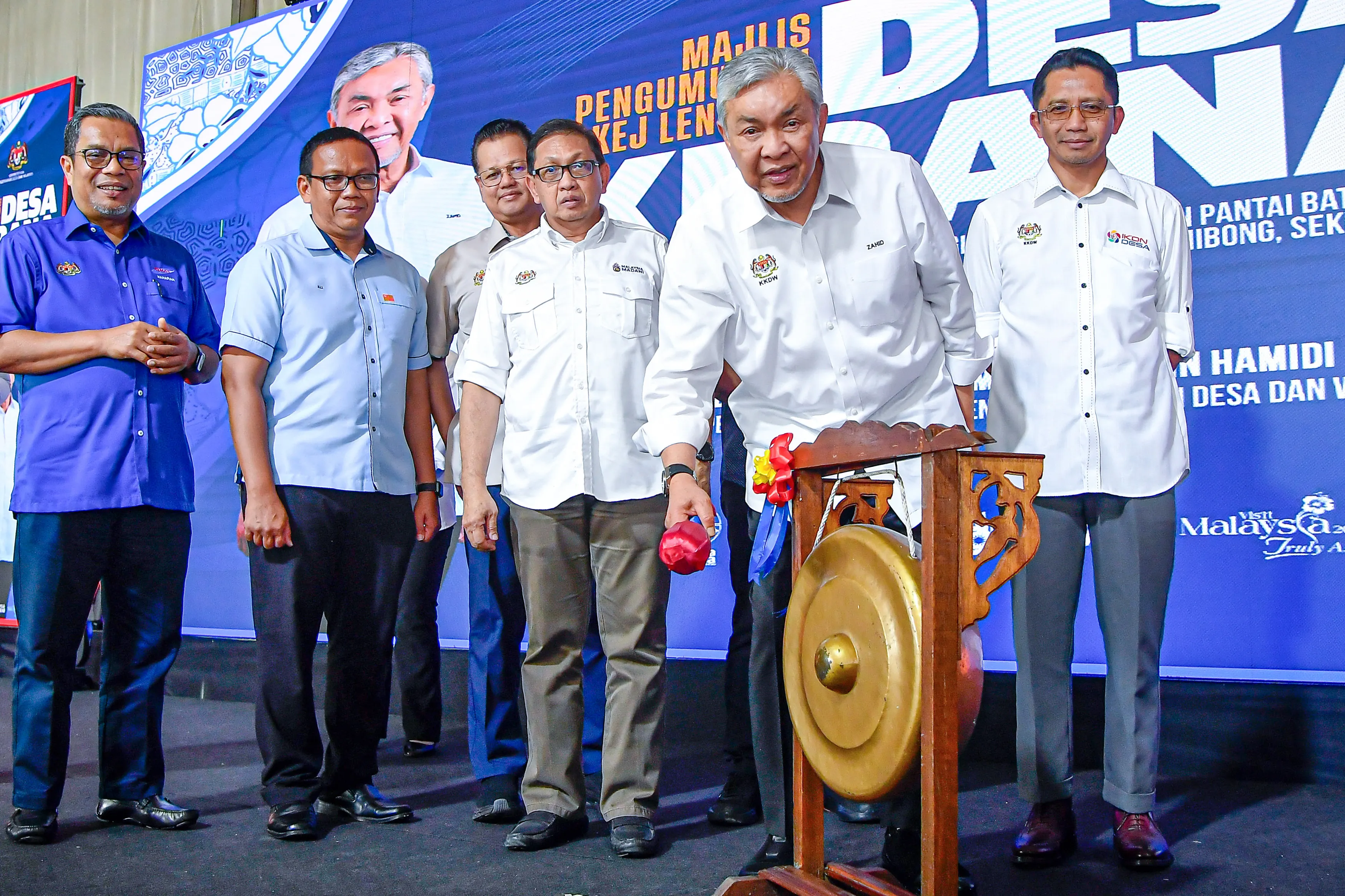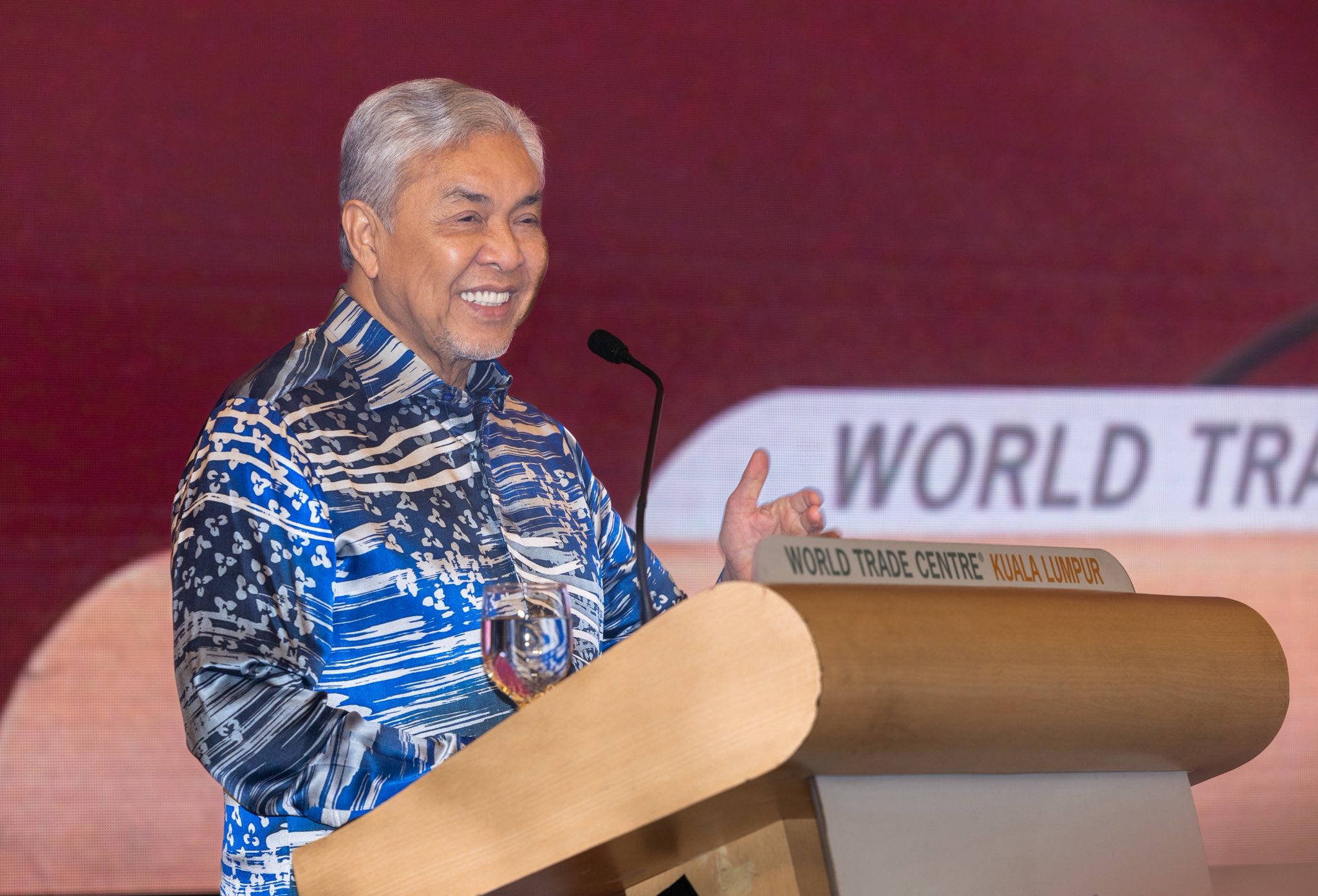
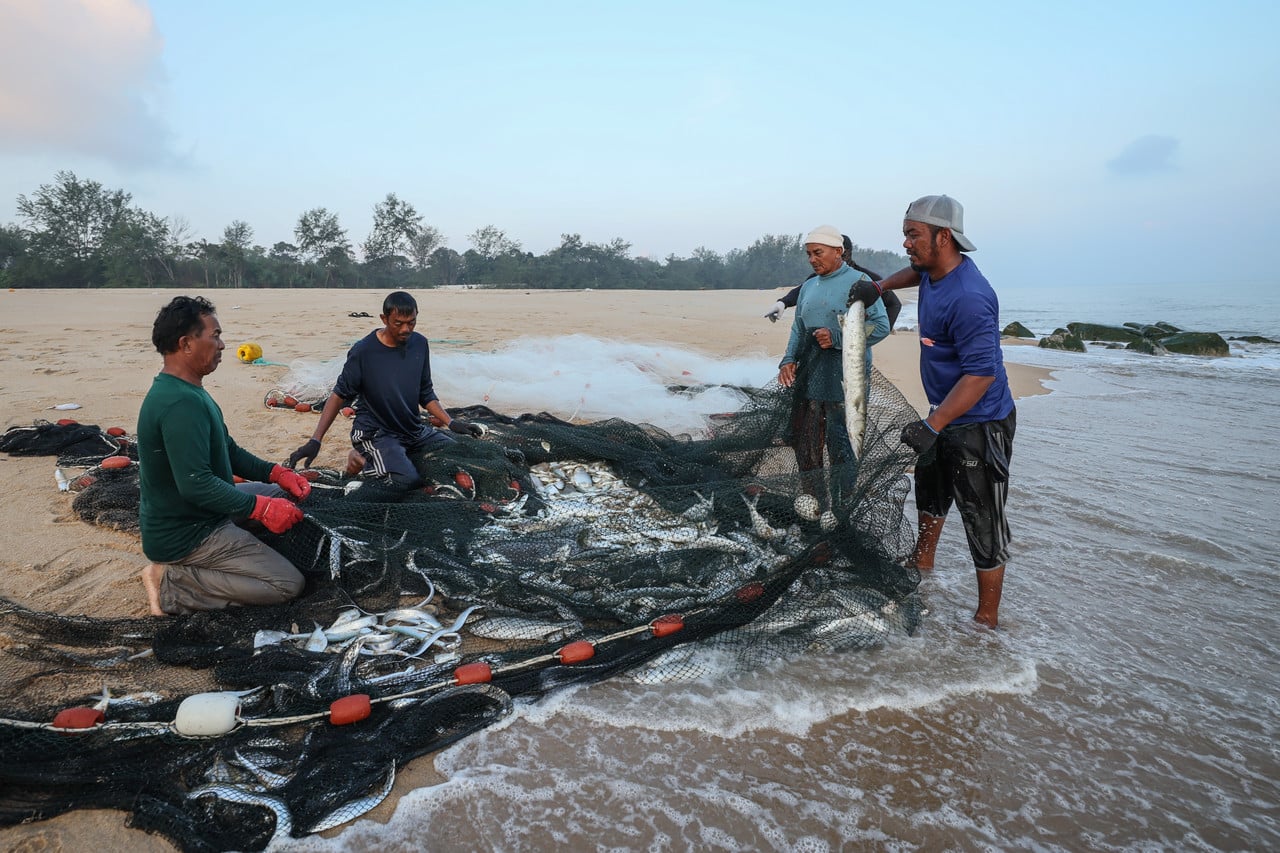
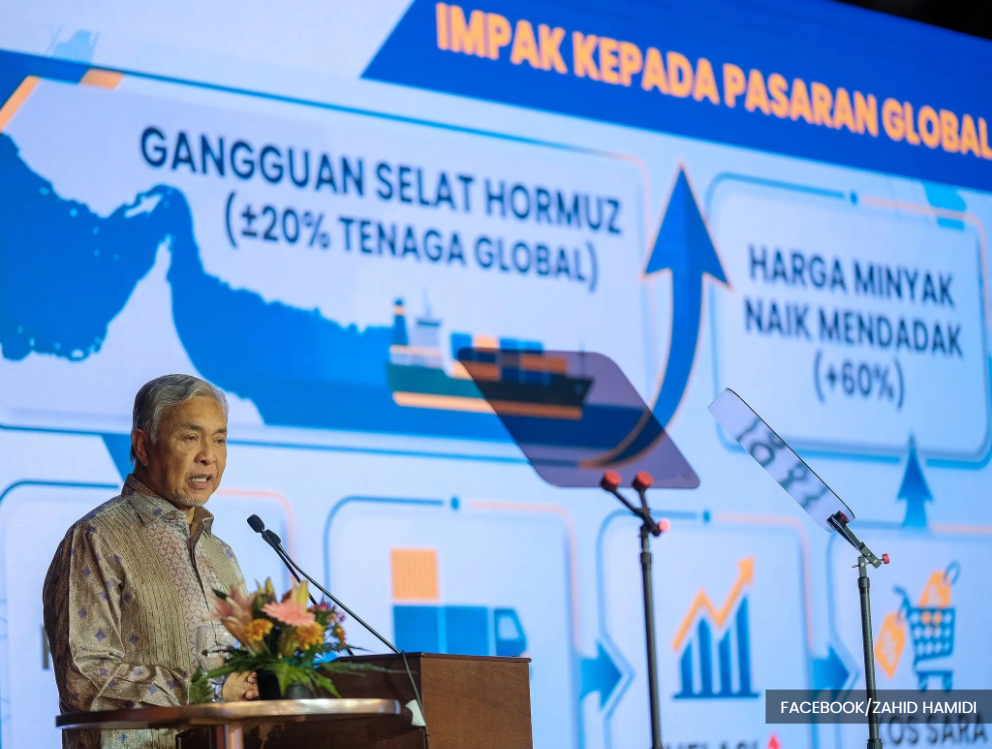
PUTRAJAYA, April 2 — The government will further refine the diesel subsidy for fishermen at upcoming meetings of the National Economic Action Council (MTEN) and the National Cost of Living Action Council (NACCOL), said Deputy Prime Minister Datuk Seri Ahmad Zahid Hamidi.
Zahid, who is also the Rural and Regional Development Minister, said this move comes as the government’s fuel subsidy burden has surged from RM700 million to RM3.5 billion.
“This is a very heavy burden. We must be rational, and all parties must accept that this situation is driven not by domestic factors but by the crisis in West Asia,” he told the media after a monthly assembly at the ministry today.
When asked if deep-sea fishermen in Zone C2 would be considered, Zahid said the matter would be discussed comprehensively at the NACCOL meeting later today, followed by MTEN next Tuesday.
During his address, the Deputy Prime Minister said the global energy crisis is exerting direct pressure on living costs, particularly among 8.1 million rural residents who depend on fuel subsidies and basic logistics chains.
“Among them, rubber smallholders, who contribute about 84.7 per cent of the country’s natural rubber output, are the most vulnerable to rising input costs and commodity price volatility,” Zahid said.
Similarly, he noted that over 224,000 Orang Asli are also facing mounting challenges, with higher fuel costs affecting water supply, student transport, healthcare services, and the delivery of basic aid to remote areas.
“If disruptions persist into May or June, the pressure will shift from higher costs to real cash flow constraints within rural communities, potentially requiring expanded government assistance programmes.
“This crisis is not to alarm, but to be addressed with effective and decisive action,” Zahid said.
He emphasised that the government has taken proactive mitigation measures, including maintaining subsidies, stabilising prices, and implementing targeted interventions to protect the public.
As such, the ministry’s priority is to ensure rural communities remain resilient in the face of the global crisis.