TAIPEI, April 2 — A delay in approving Taiwan's budget this year threatens TW$78 billion (RM9.83 billion) in weapons procurement, maintenance, and training, said a senior defence ministry official.
In August last year, President Lai Ching-te's administration said that defence spending is set to increase by 22.9 per cent to T$949.5 billion in 2026. At 3.32 per cent of gross domestic product, government figures showed that the figure will cross the three per cent threshold for the first time since 2009.
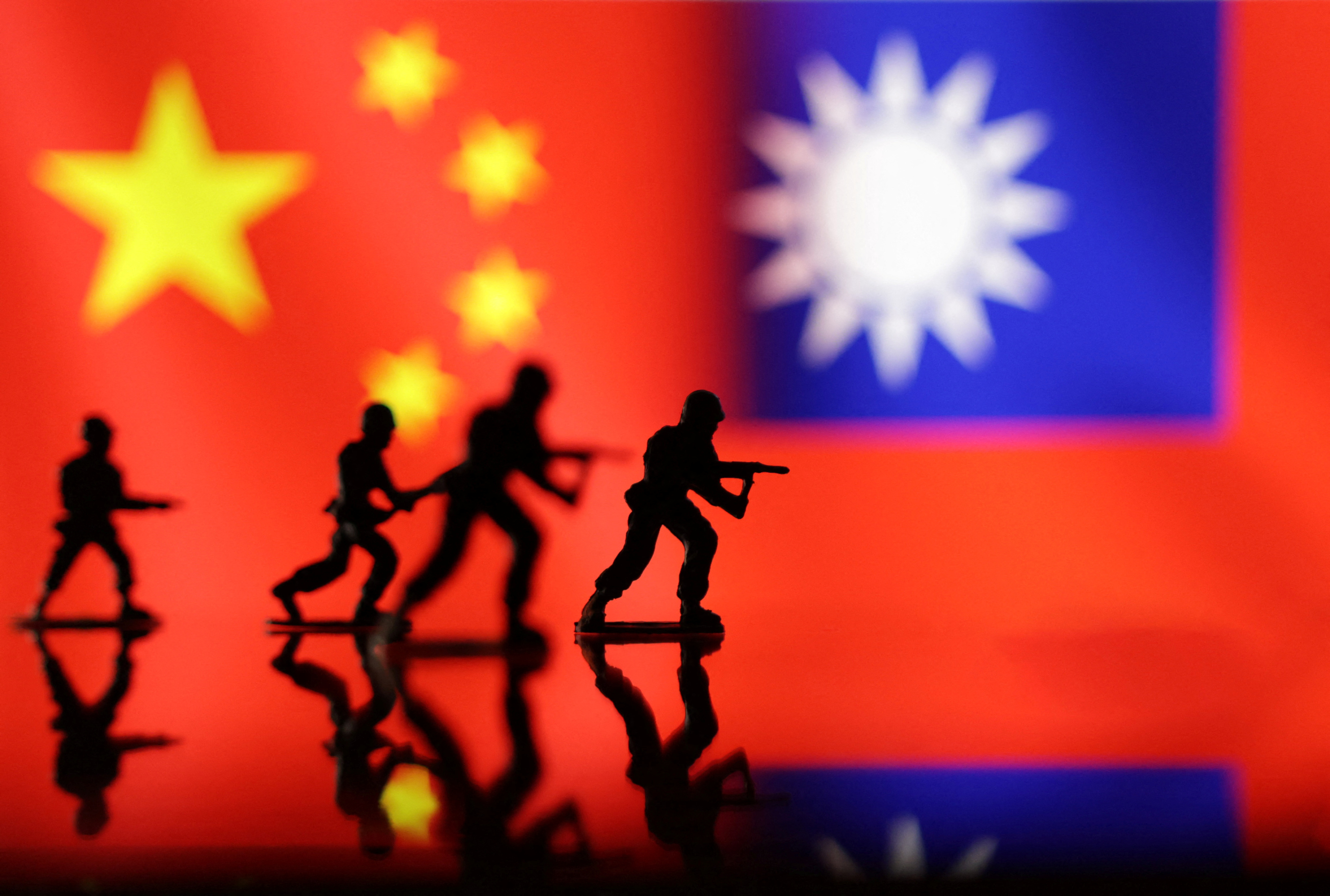
The government has said it needs to spend more to deter China, which claims sovereignty over the island and has raised military pressure, such as by holding war games. The United States (US) has backed the budget increase.
But the Opposition-dominated Parliament has stalled passage of the budget, as well as a separate proposal for TW$40 billion (RM5.04 billion) in extra military spending, saying that, while it supports more defence expenditure, it will not sign "blank cheques".
Speaking at a media conference today, the Defence Ministry's budgeting department head Yen Ming-teh said that the delay means it will not be able to execute 21 per cent of this year's budget under the original schedule, affecting TW$78 billion in spending.
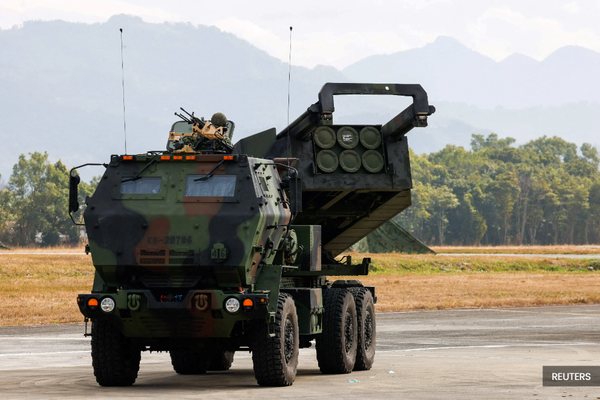
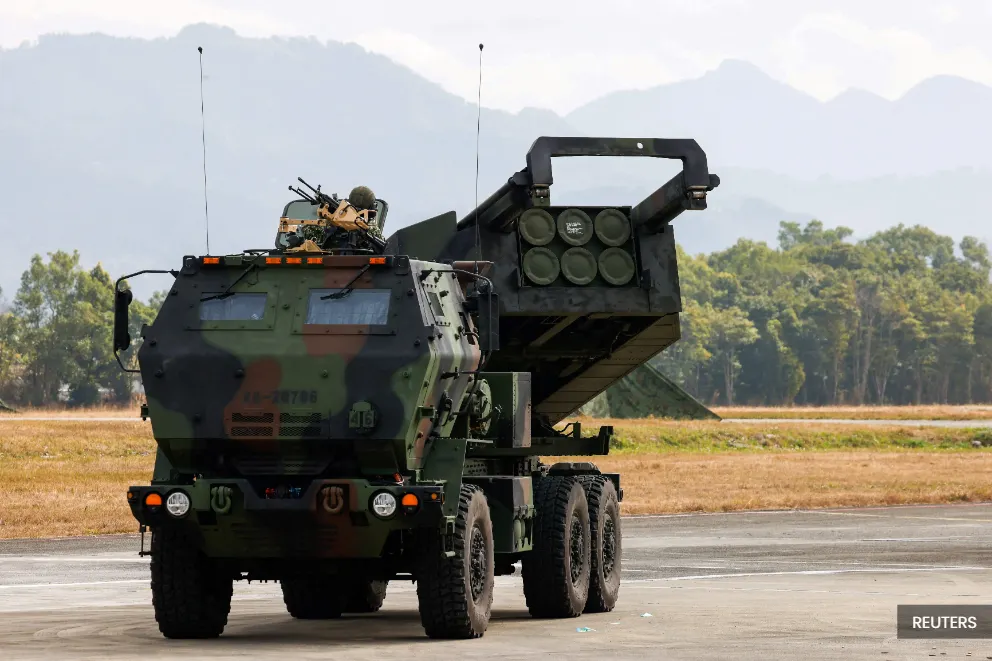
That includes spending on programmes such as the US-made HIMARS (High Mobility Artillery Rocket System), as well as on Javelin missile procurement and replenishment. The delay will also affect follow-on training for Lockheed Martin F-16 fighter jets.
"In response to the enemy threat, strengthening national defence capabilities cannot be delayed. Any delay in timing will cause irreversible negative effects," he said.
US President Donald Trump has repeatedly called on allies to spend more on defence, a call the Lai administration has endorsed.
Taiwan drills
Taiwan will hold the "table top" part of its annual Han Kuang military drills from April 11 to April 24, with the live part of the drills likely to take place in July.
The ministry's joint operations planning department head Tung Chi-hsing said the table-top exercises will incorporate "recent international military operations as important references".
He added that this not only includes US and Israeli operations against Iran, but also US operations in Venezuela, referring to the US military seizing Venezuelan President Nicolás Maduro in a January raid.
Lessons Taiwan has drawn include early warning and immediate response, counter-drone measures, layered air defences, and anti-infiltration operations.
China has never renounced the use of force to bring Taiwan under its control. Taiwan's democratically elected government rejects China's sovereignty claims, saying only the island's people can decide their future.