ISTANBUL, April 2 — The International Energy Agency (IEA), the International Monetary Fund (IMF), and the World Bank said Wednesday they will establish a coordination group to maximise their response to the energy and economic fallout from the war in West Asia.
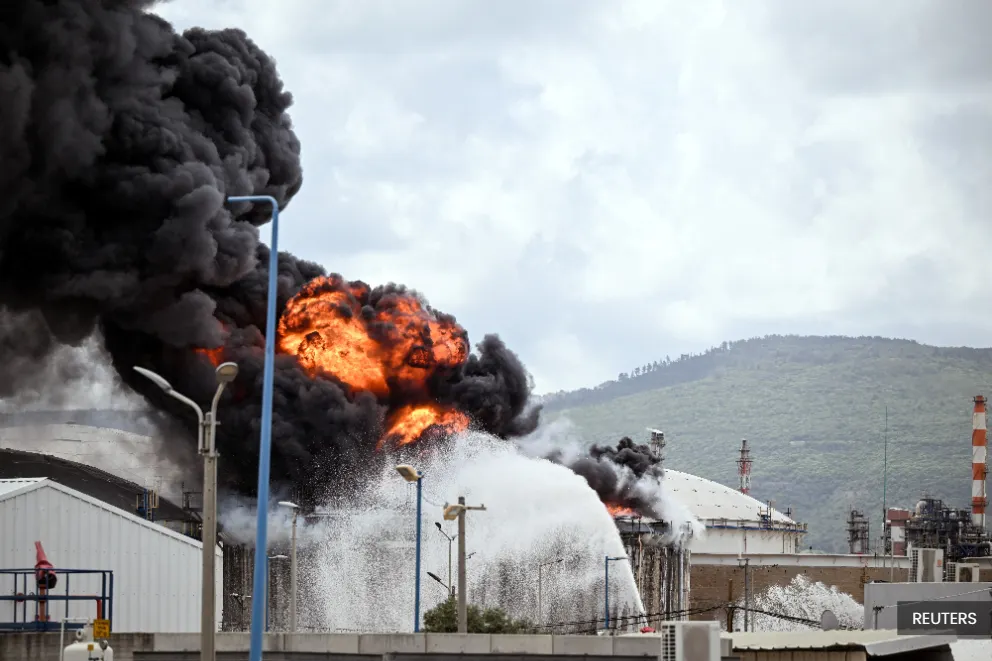
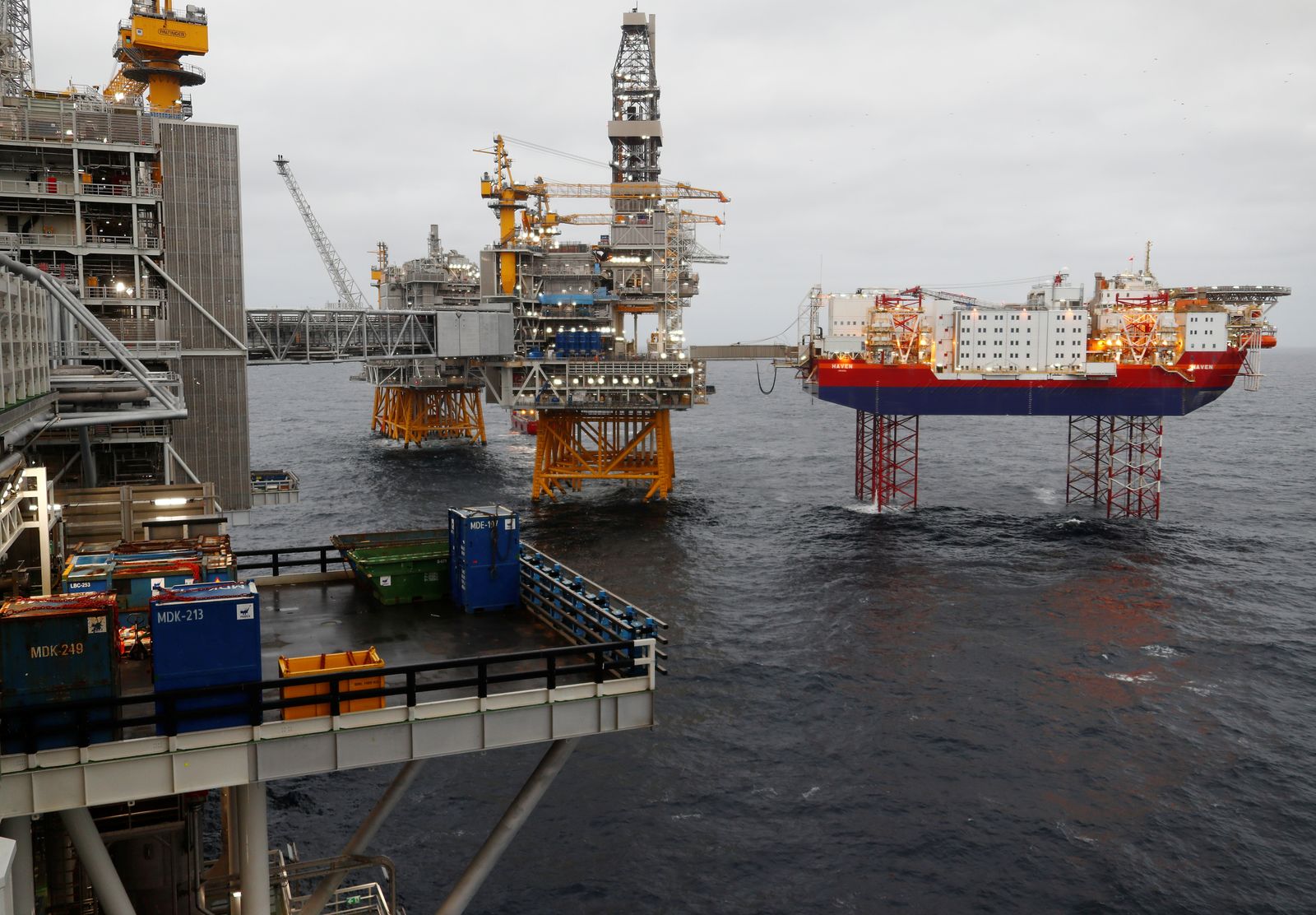
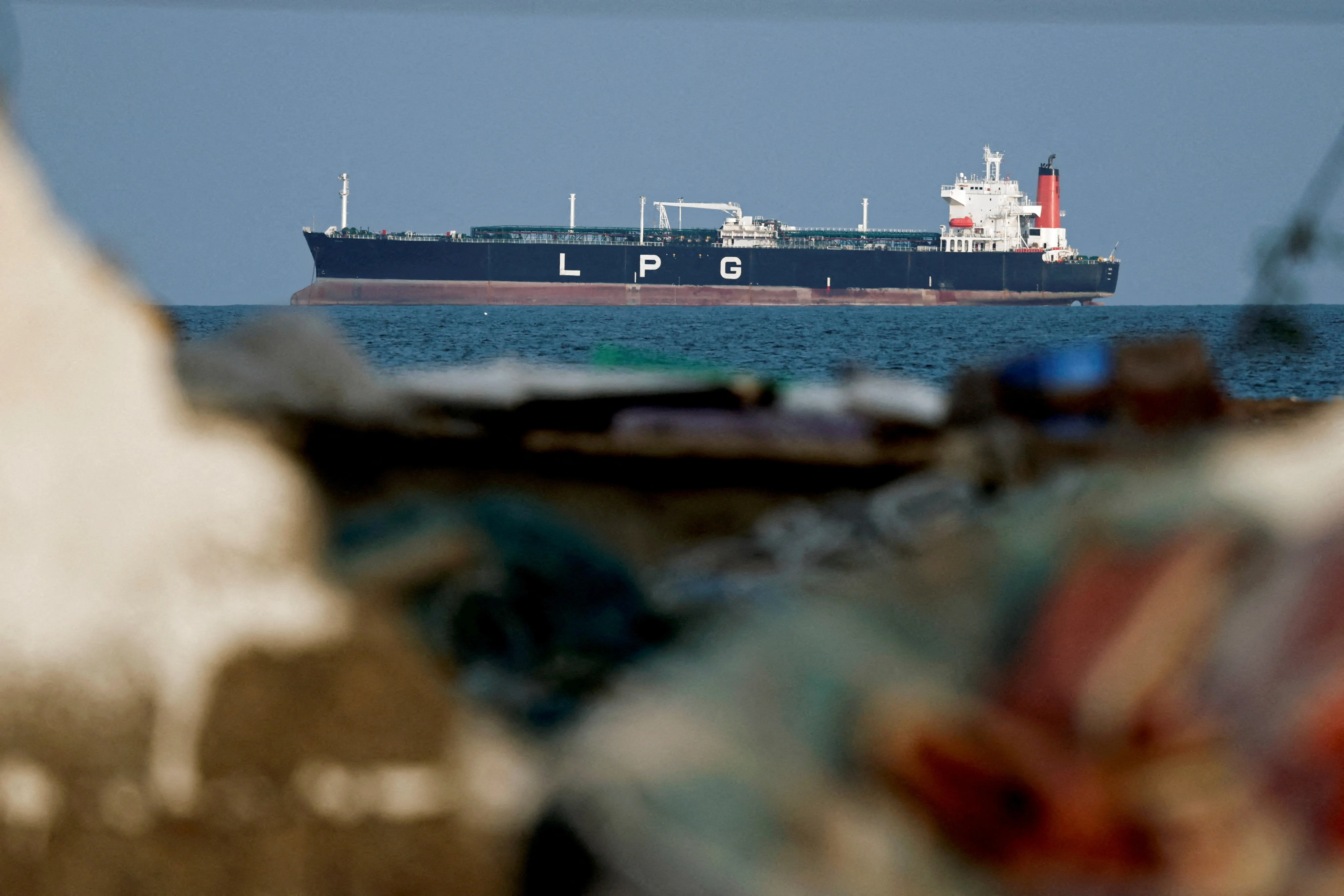
Anadolu Ajansı reported that the heads of the three institutions said the conflict has triggered “one of the largest supply shortages in global energy market history,” with wide-ranging global impacts that are “substantial, global, and highly asymmetric,” disproportionately affecting energy-importing economies, particularly low-income countries.
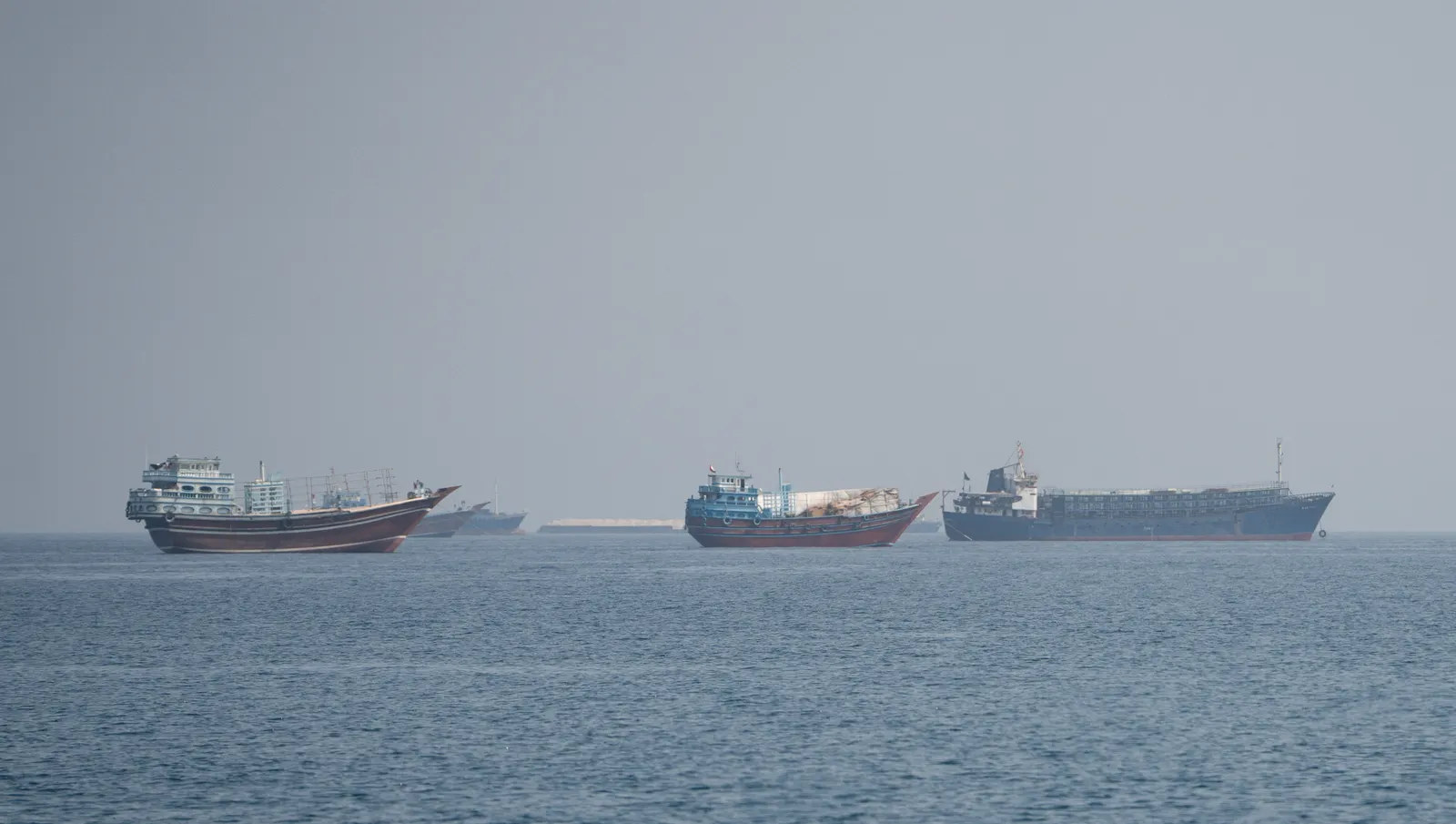
In a joint statement, they said the shock is already being transmitted through higher oil, gas and fertiliser prices, while raising concerns over food costs. Disruptions have also spread to global supply chains — including helium, phosphate, and aluminium — to tourism flows due to flight interruptions at major Gulf hubs.
The IEA, IMF, and World Bank warned that rising market volatility, currency weakness in emerging economies and mounting inflation concerns could lead to tighter monetary policy and weaker global growth.
To address these risks, the coordination group will assess the severity of impacts across countries by sharing data on energy markets, trade flows, fiscal pressures, and inflation trends.
It will also coordinate policy responses, including targeted advice, evaluation of financing needs, and the potential provision of financial support, including concessional funding and risk mitigation tools.
The group will further mobilise multilateral, regional and bilateral partners to ensure coordinated support for countries most affected by the crisis, particularly those with limited policy space and high debt levels.
The institutions said they will work closely with other international organisations and reaffirmed their commitment to safeguarding global economic and financial stability, strengthening energy security and supporting recovery, growth, and job creation.