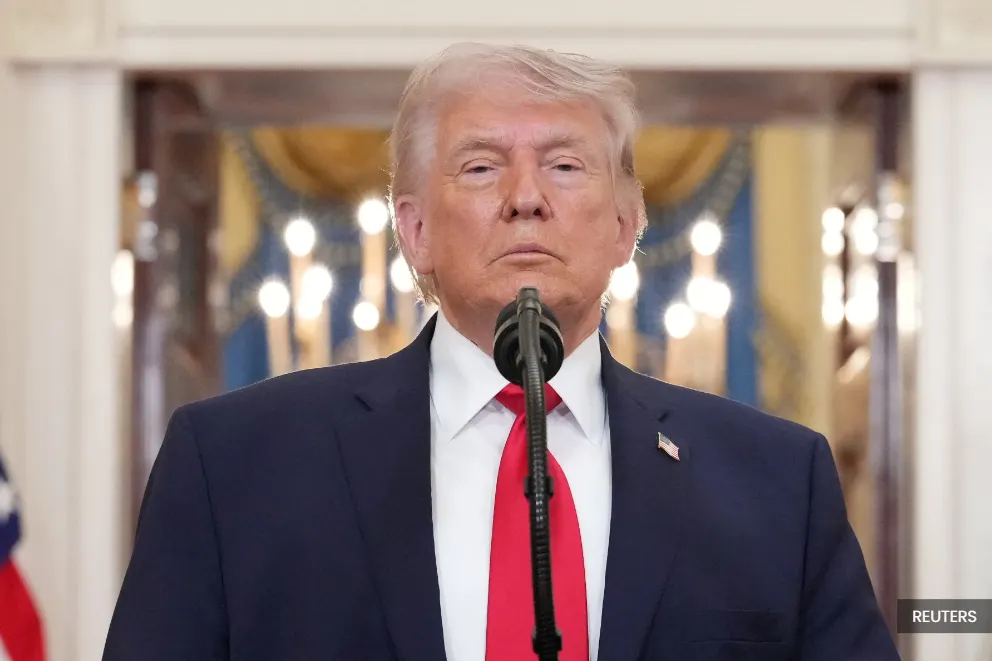
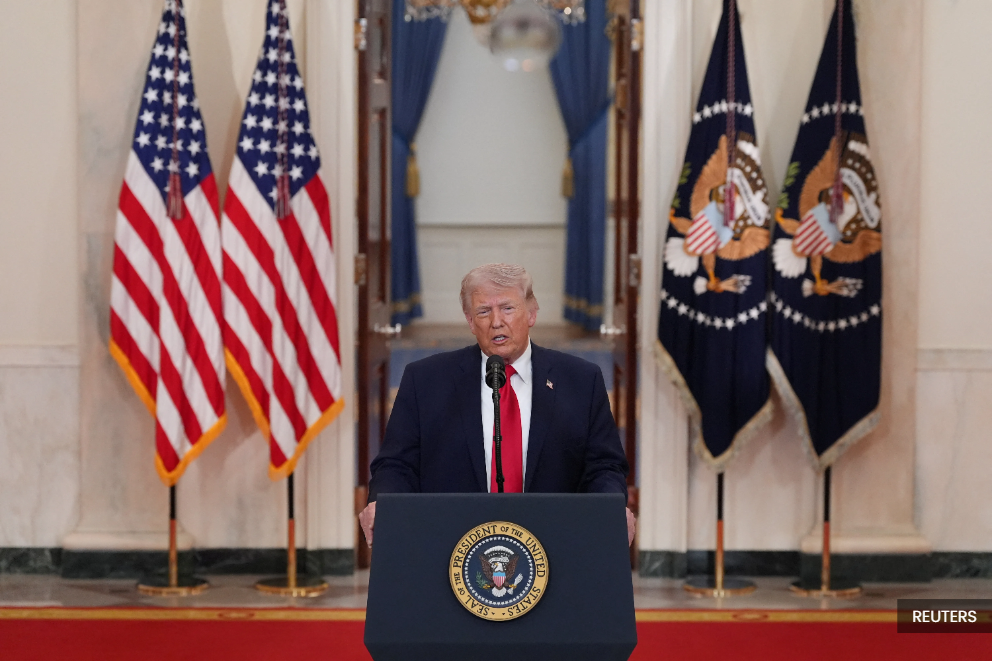
WASHINGTON, April 2 — US President Donald Trump told the nation in a televised speech on Wednesday night (9 am today in Malaysia) that the US military had nearly accomplished its objectives in Iran, but he declined to offer a concrete timeline for winding down the conflict.
Facing a war-weary American public, slipping approval ratings, and pressure from some allies to outline his war aims more clearly, Trump said the US had destroyed Iran's navy and air force, and crippled its ballistic missile and nuclear programmes.
He added that the US would continue to strike targets in Iran over the next two to three weeks, and assured viewers that the military would finish the job "very fast".
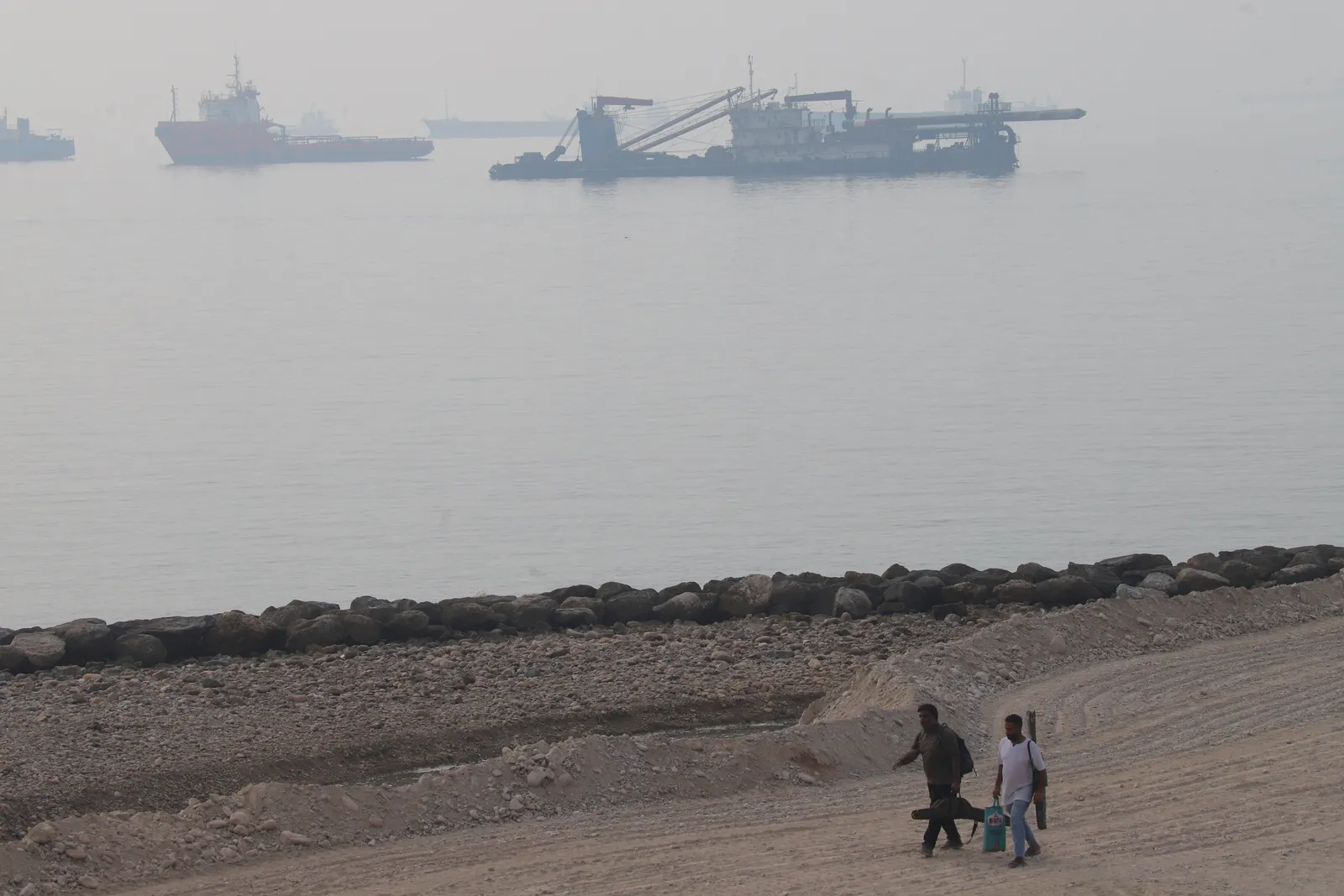
However, he glossed over unresolved issues during his 19-minute address, such as the status of Iran's enriched uranium and access through the Strait of Hormuz, a crucial conduit for global oil supplies that Iran has effectively closed since the US and Israel launched the war on February 28.
Trump also suggested the conflict could escalate if Iranian leaders did not capitulate to US terms during negotiations, warning that strikes on Iran's energy and oil infrastructure were possible.
He asked Americans to keep perspective on a war now in its fifth week, noting that the conflict was much shorter than the country's involvement in several previous wars.
"I can say tonight that we are on track to complete all of America's military objectives shortly, very shortly. We're going to hit them extremely hard over the next two to three weeks. We're going to bring them back to the stone ages where they belong," Trump said.
"In the meantime, discussions are ongoing. The new group is less radical and much more reasonable. Yet if during this period no deal is made, we have our eyes on key targets."
Trump and his advisers have offered shifting explanations and timelines for the conflict. Some allies are pressing the president to address growing concerns among Americans, most of whom oppose the conflict and are alarmed by rising petrol prices due to disruptions in the global oil supply.
The president briefly addressed those concerns, mainly saying that petrol prices would soon decline, that the conflict was a worthwhile short-term sacrifice, and that the situation was largely Iran's fault.
"This short-term increase has been entirely the result of the Iranian regime launching deranged terror attacks against commercial oil tankers of neighbouring countries that have nothing to do with the conflict," Trump said.
Reflecting widespread sentiment that Trump's comments did not indicate a short-term off-ramp, stocks fell, the dollar strengthened, and oil prices rose shortly after his address.