


By Yasmin Ramlan
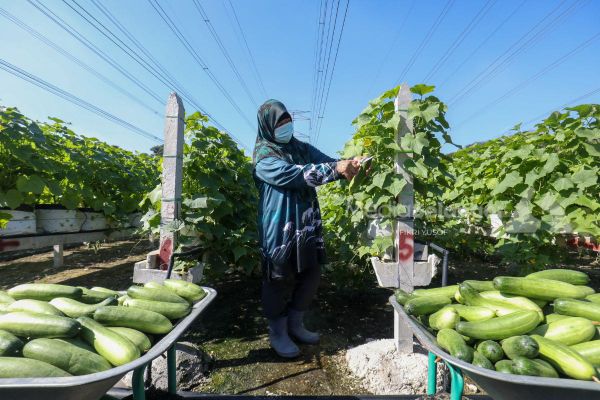
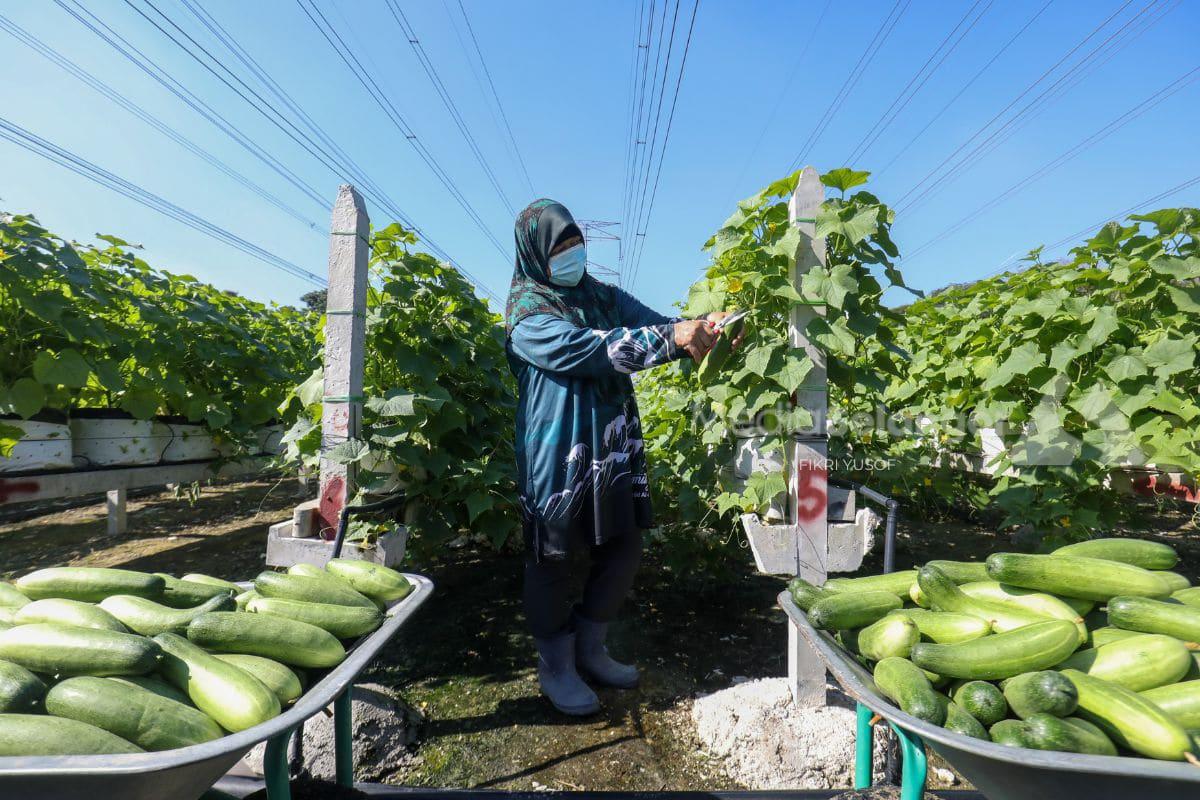
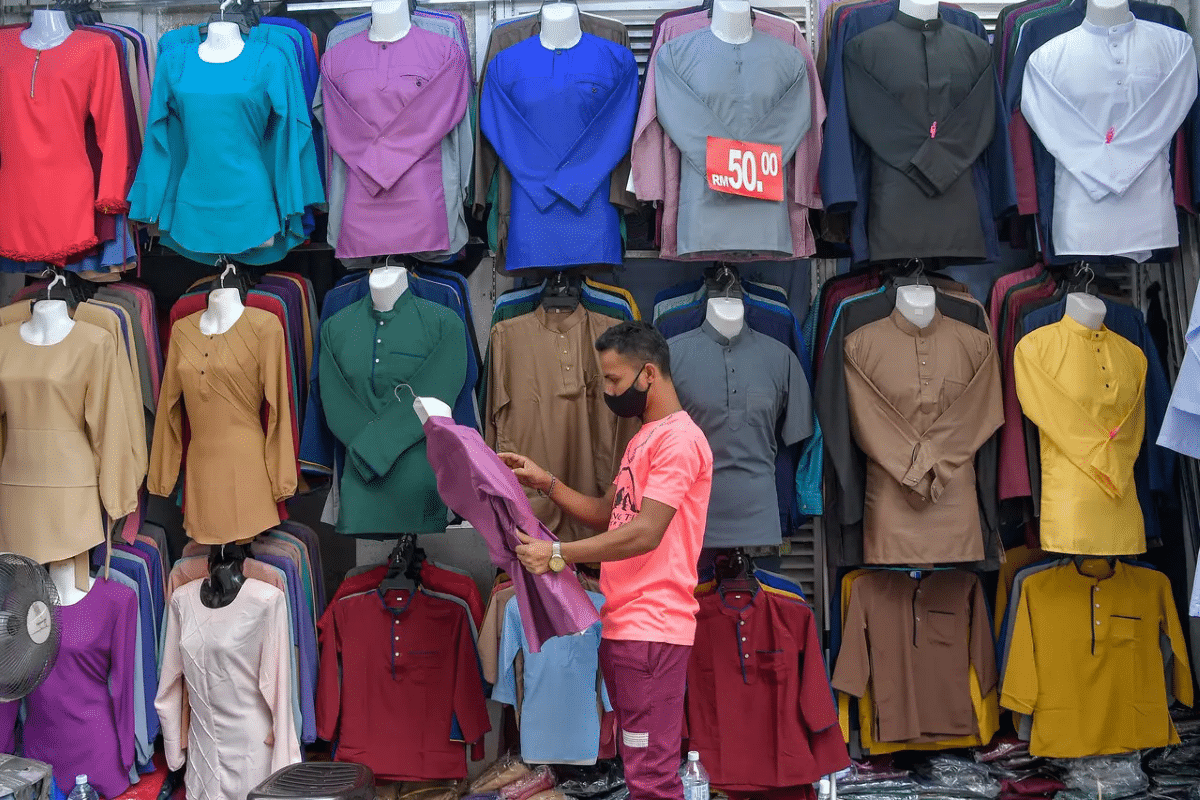
SHAH ALAM, April 2 — Small and medium enterprises (SMEs) in Malaysia are striving to absorb rising costs stemming from escalating tensions in West Asia, but prolonged disruption could push some businesses to scale down or even shut operations.
Malaysia SME Association president Chin Chee Seong said most companies are holding back from raising prices despite mounting cost pressures linked to the ongoing conflict involving the US, Israel and Iran, which has heightened risks along key global shipping routes such as the Strait of Hormuz.
“Most SMEs are still trying very hard to avoid blanket price increases because the market is already weak and many customers are also struggling with higher living costs.
“So, for now, the common approach is to absorb part of the higher fuel, freight, insurance and raw material costs, and only make selective, gradual price adjustments where absolutely necessary.
“This is not because SMEs can afford to do so comfortably, but because they are trying to protect sales, retain customers, preserve orders and avoid losing market share in an already fragile environment,” he told Media Selangor.
However, he cautioned that this approach is unsustainable if geopolitical tensions persist and continue to disrupt global trade flows.
Chin said cash flow remains the most pressing concern for businesses navigating the current environment, adding that while some may cope in the short term, prolonged disruption could significantly erode confidence and resilience.
“The real danger is that what starts as a temporary external shock can quickly evolve into a prolonged business survival crisis.
“In a worst-case scenario, some SMEs may be forced to scale down significantly, suspend operations or even shut down altogether,” he said.

Ongoing tensions in West Asia have heightened concerns over potential disruptions to global energy supplies and major shipping routes, affecting regional oil and gas production as well as supply chains and logistics.
The closure of the Strait of Hormuz, along with attacks on critical infrastructure, has disrupted global oil market stability and regional energy security, while driving up freight rates and logistics costs and putting pressure on trade flows.
Chin said if tensions remain elevated and disruptions around key shipping routes persist, business costs will stay under pressure and more SMEs will eventually be forced to revise prices, as it will become harder to continue absorbing the shock.
“The real message is SMEs are not raising prices aggressively because they want to protect the market, but they cannot absorb rising costs forever.
“If geopolitical tensions continue, the issue will no longer be just about shrinking business margins. It will become a broader inflation issue that affects consumers, supply chains and the wider economy.”
Defensive strategies
Amid the uncertainty, Chin said SMEs have begun taking steps to reduce exposure to geopolitical risks, including diversifying suppliers and markets.
“Yes, the shift has already begun, and it is a necessary one … businesses are becoming more aware that they cannot afford to rely too heavily on a single route, a single source or a narrow group of markets.”
However, he said smaller firms face constraints in adapting quickly due to limited financing and operational capacity.
In the immediate term, SMEs are adopting defensive strategies to stay afloat, focusing on cost control and cash flow management.
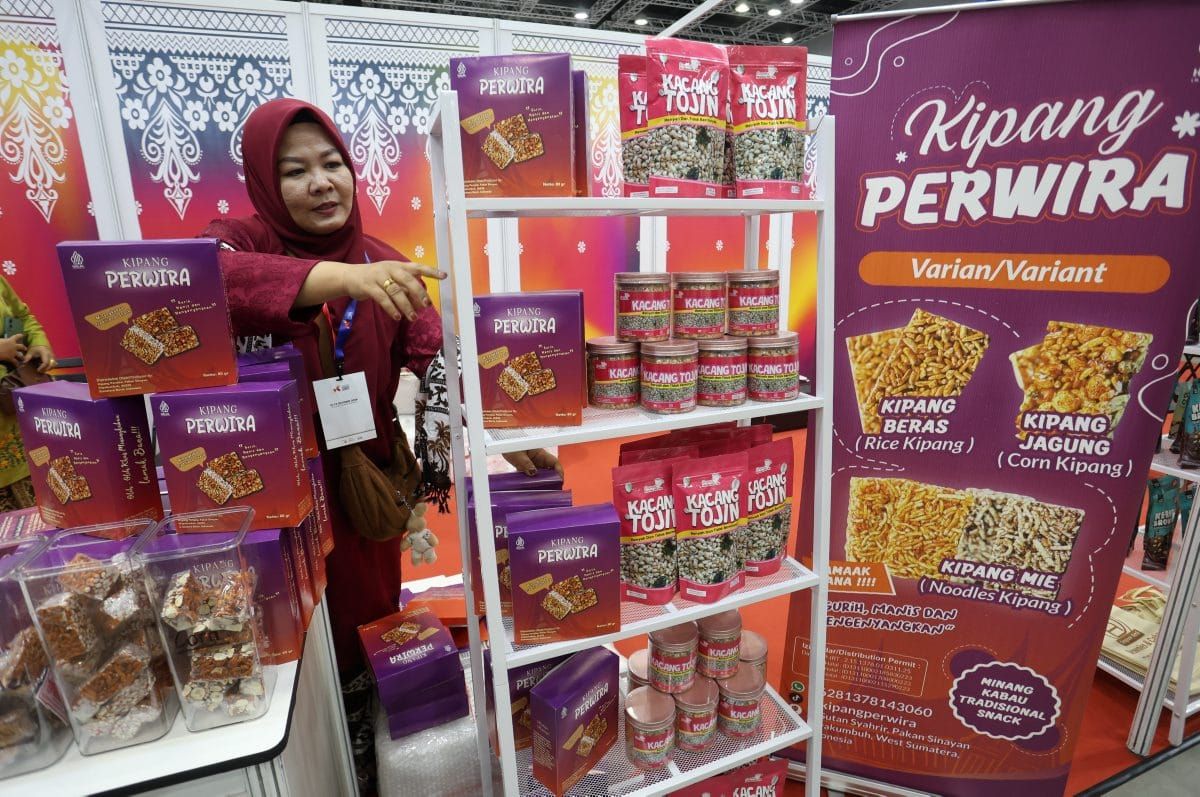
“The immediate response from SMEs is largely defensive, cautious and focused on survival. Many are absorbing part of the higher costs, tightening cash flow management, cutting unnecessary spending, delaying non-essential expansion and scaling back lower-margin business.
“Some are consolidating deliveries, managing inventory more carefully, reviewing shipment timing and prioritising products or orders that are faster-moving, more profitable or less exposed to high logistics costs.”
Others, he said, are renegotiating payment terms with suppliers and customers, postponing capital expenditure and seeking temporary financing relief to ease working capital pressure.
SMEs remain a key driver of Malaysia’s economic growth, accounting for about 98 per cent of total establishments in the country. According to the Statistics Department (DOSM), the sector grew by 5.8 per cent in 2024, outpacing the country’s overall economic growth of about 5.1 per cent.