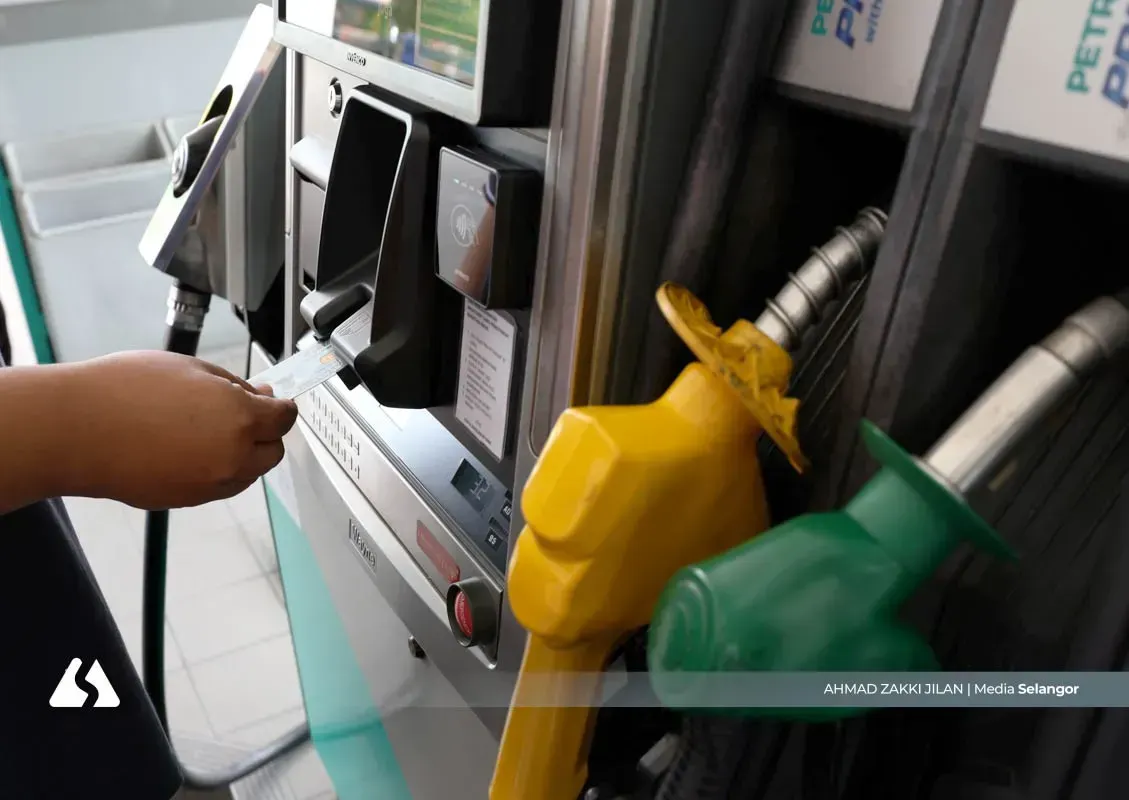
SHAH ALAM, March 30 — The recent surge in fuel prices due to the conflict in West Asia is now being felt by Malaysians. It also raises the question: why is a petroleum-producing country like Malaysia affected?
The reality is that Malaysia’s position in the global supply chain means it cannot escape the ripple effects of volatility in the international oil market.
Below is a question-and-answer explanation compiled by journalist Nadiah Zamlus, based on official statements from the Prime Minister’s Office and related agency reports:
Why is global oil supply disrupted?
Supply disruptions stem from the prolonged conflict in West Asia involving the United States (US), Israel and Iran.
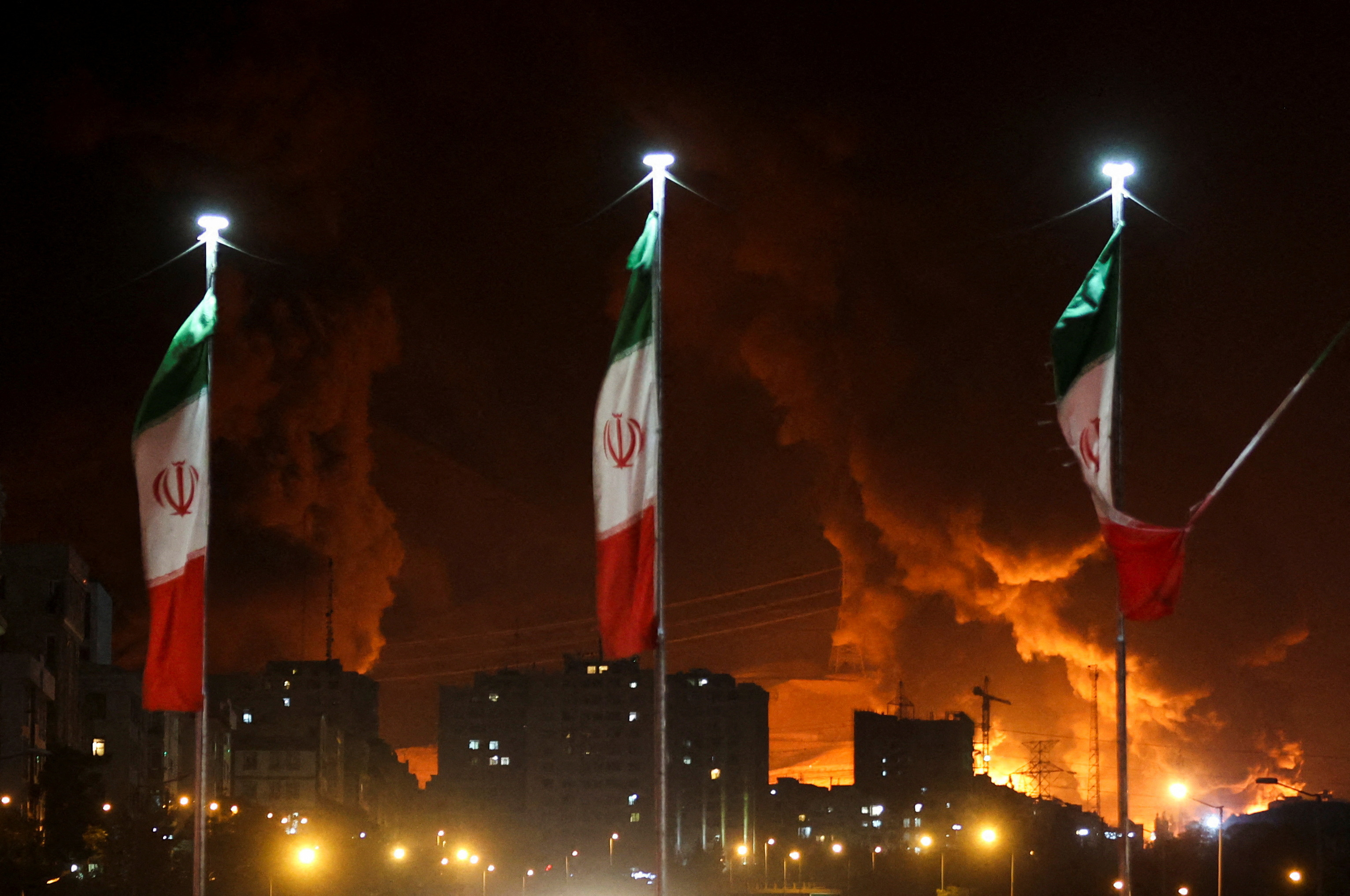
Tensions escalated after the US strike on Iran on February 28, followed by retaliatory attacks on Israel and US interests in the region.
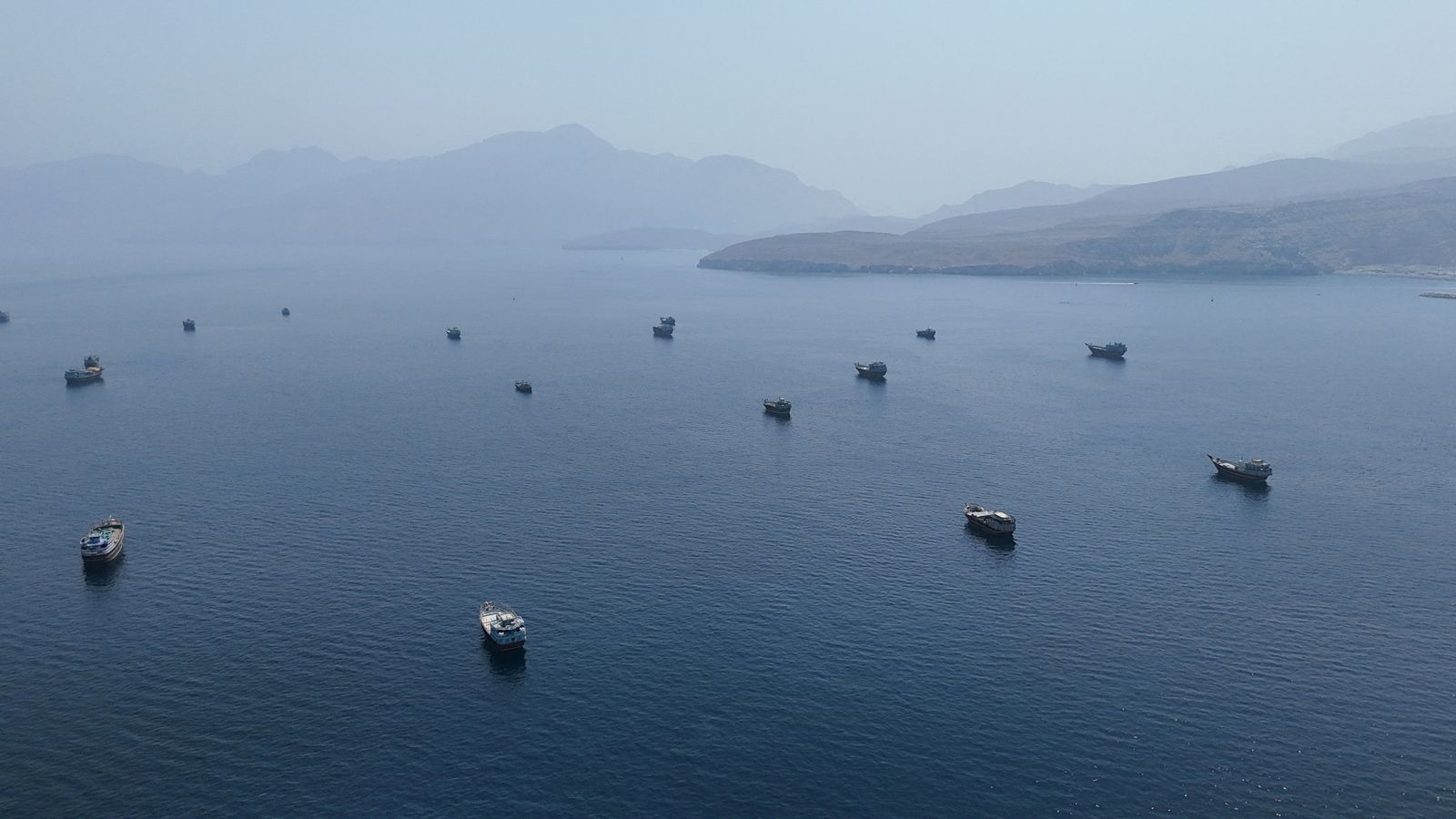
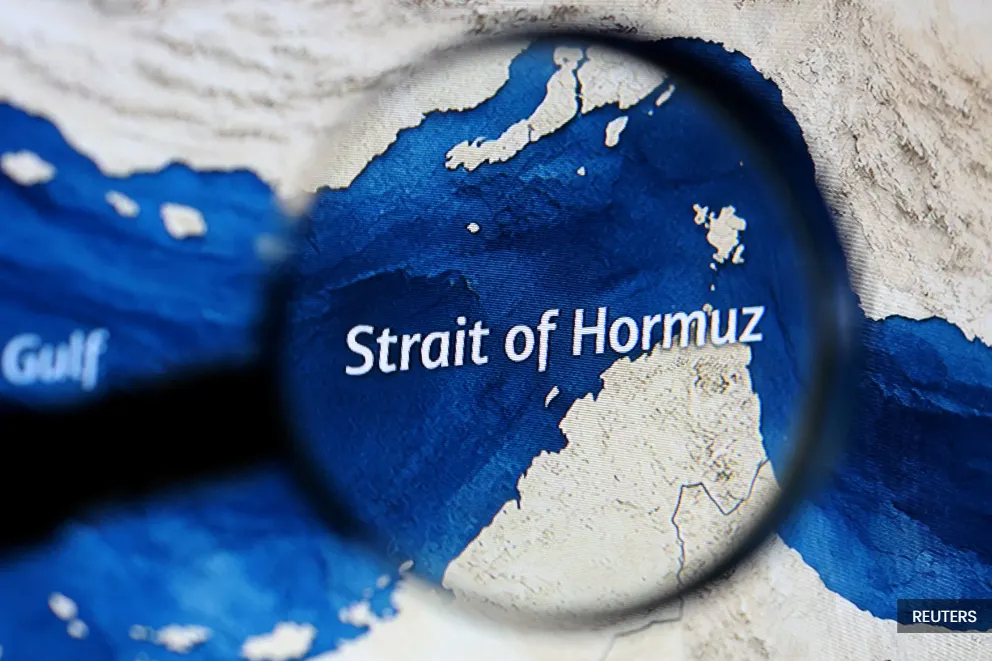
The situation has significantly affected the strategic Strait of Hormuz, which handles around one-fifth of global oil trade.
When Iran signalled tighter control over the passage, global markets were immediately affected, leading to supply uncertainty and rising prices.
How does this affect Malaysia?
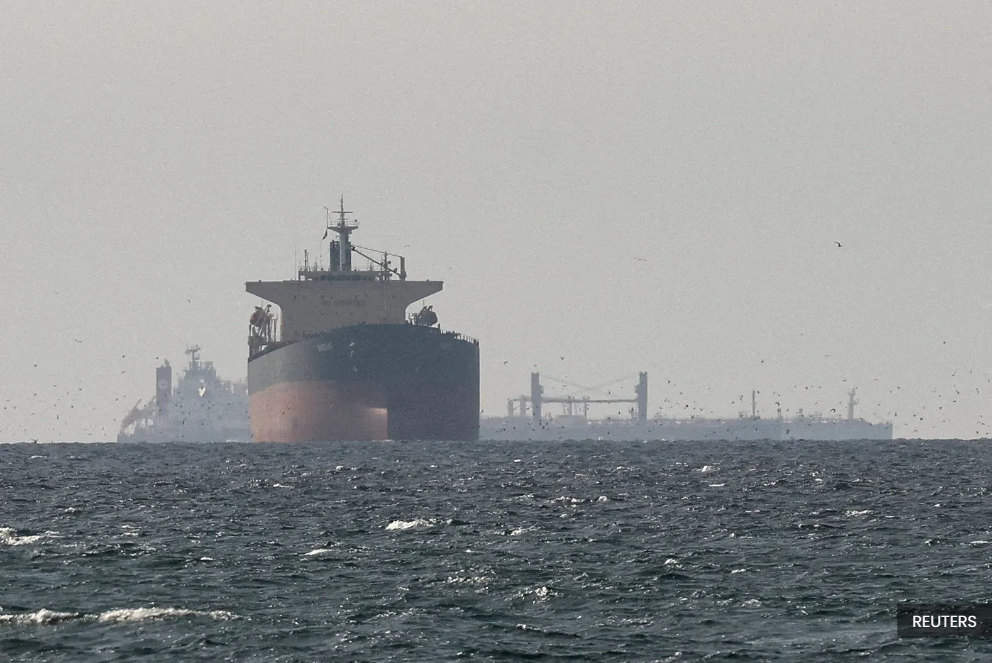
Malaysia is impacted because almost 50 per cent of the country’s oil supply passes through the Strait of Hormuz. Any disruption along this route directly pressures global oil prices, ultimately affecting domestic fuel costs.
Countries like the Philippines and Vietnam are even more vulnerable, relying almost entirely on imports from the Persian Gulf region.

Malaysia produces oil, so why is it affected?
Although Malaysia produces around 570,000 barrels of crude oil per day, it is still a net importer of crude oil.
Data shows Malaysia imports oil worth approximately US$12.6 billion, compared with exports of around US$5.5 billion.
The structure of the industry also plays a role. Malaysia exports light, low-sulphur crude, but imports heavier crude grades more suitable for domestic refining. This reliance exposes the country to global price fluctuations.
Is the country’s oil supply sufficient?
Currently, the supply of petrol, diesel and liquefied petroleum gas (LPG) remains stable and adequate.
Datuk Armizan Mohd Ali confirmed that Malaysia’s supply situation is more stable compared with several other countries.
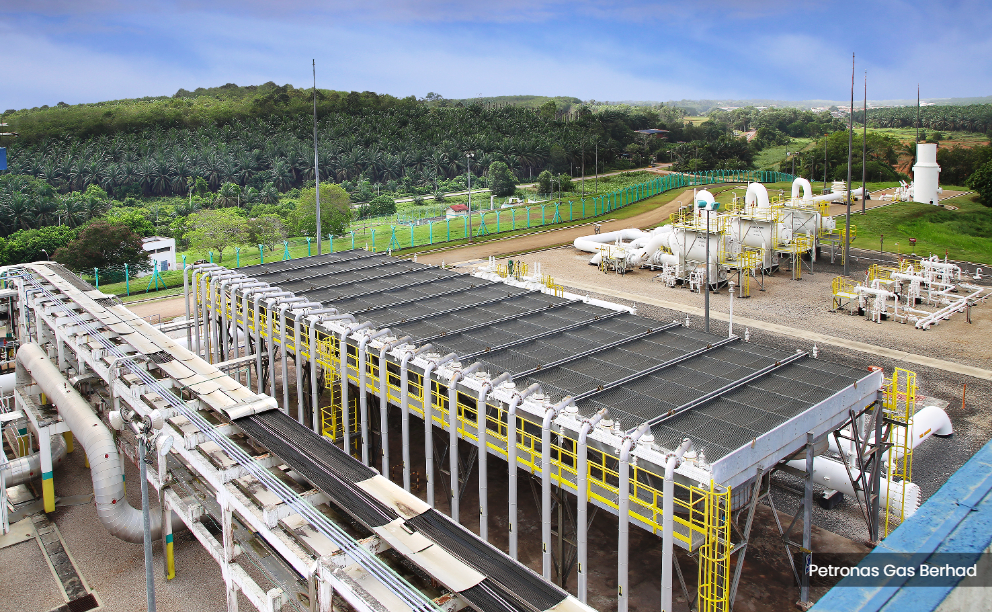
The Malaysia Petroleum Resources Corporation said this stability is supported by diverse supply sources and strategic storage facilities such as the Pengerang Integrated Petroleum Complex (PIPC).
What steps is the government taking?
To ensure supply stability and protect consumers, the government has implemented several measures:
Temporarily adjust the BUDI95 programme quota from 300 litres to 200 litres per month
Maintain fuel subsidies for the majority of Malaysians
Prohibit the sale of RON95 to foreign-registered vehicles
Control diesel sales in Sabah, Sarawak and Labuan according to vehicle categories
Prime Minister Datuk Seri Anwar Ibrahim said these measures are targeted approaches to manage uncertainties in the global oil market.