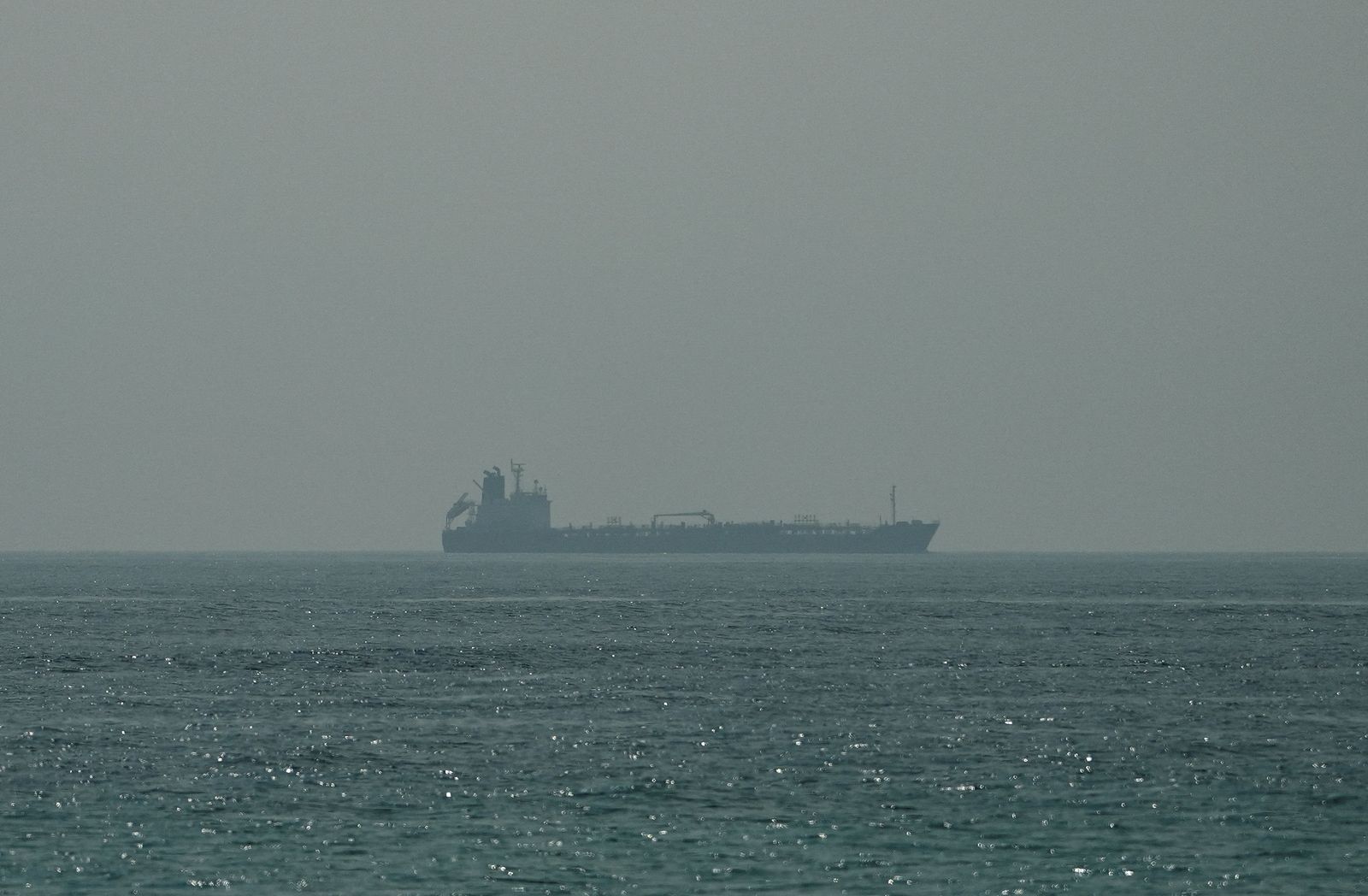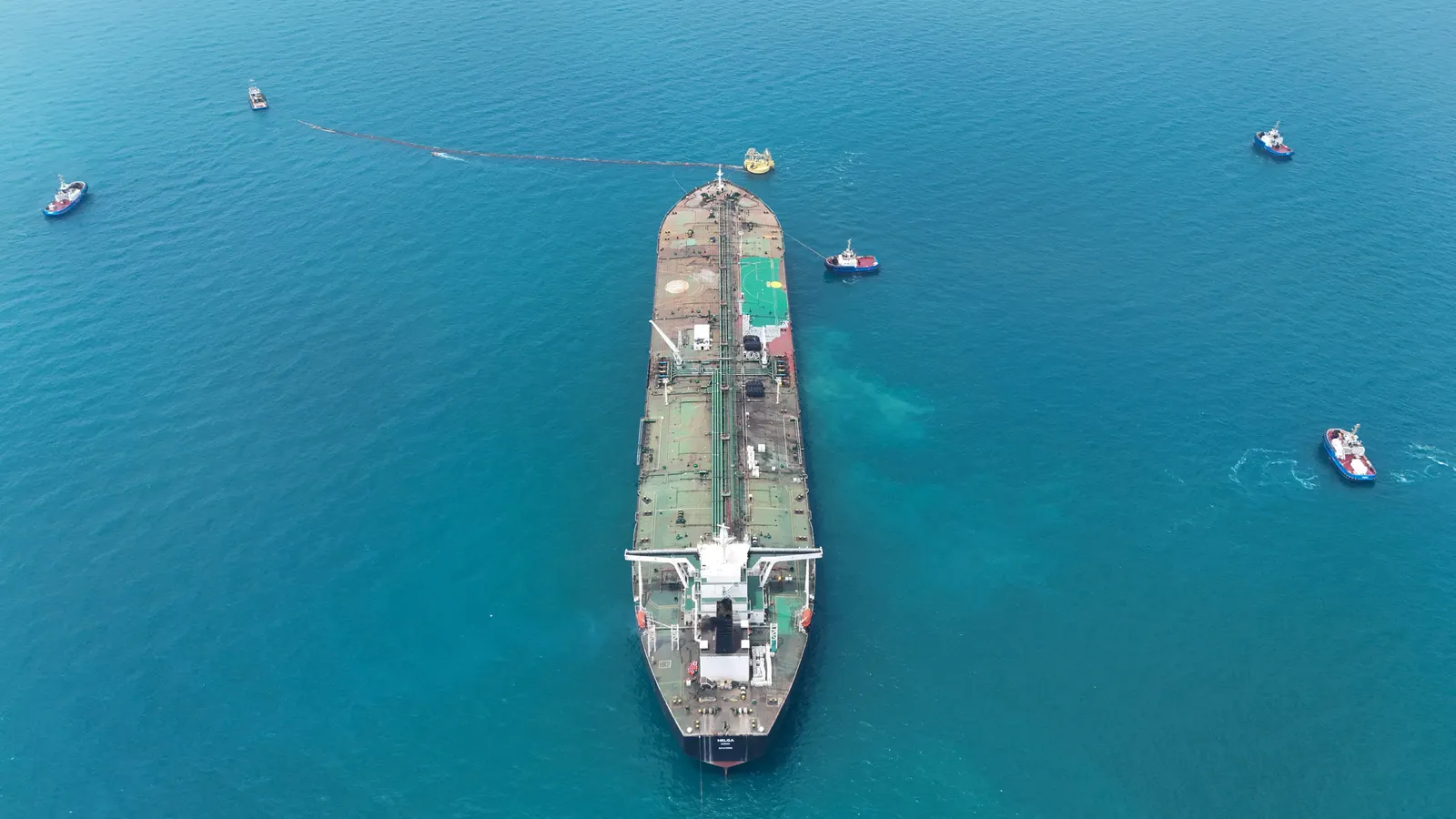
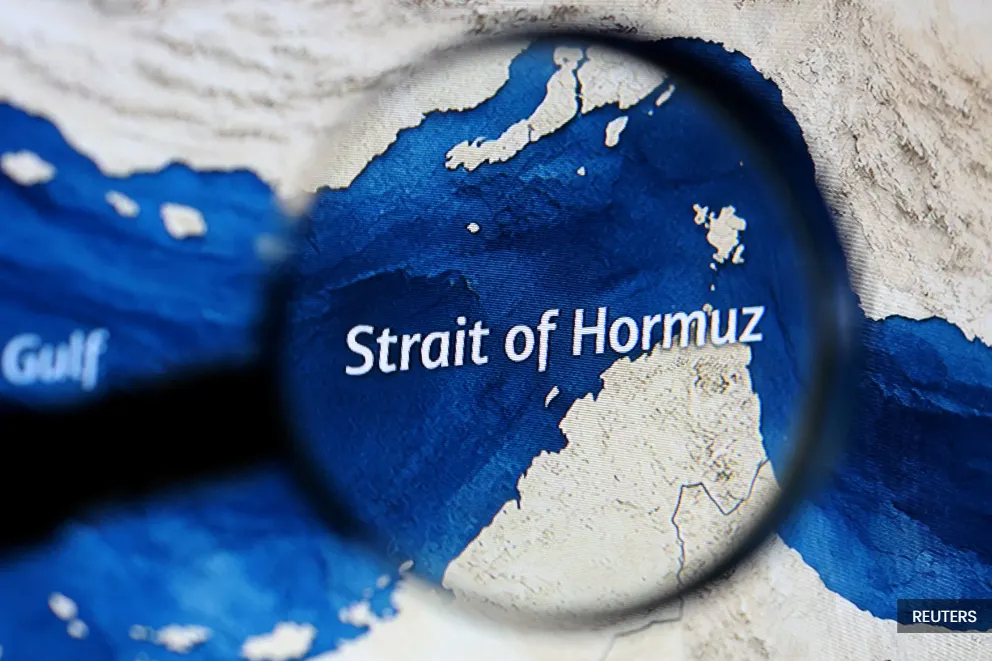
SHAH ALAM, March 29 — The Strait of Hormuz lies between Oman and Iran. For the world, it is not merely a sea route but a vital artery that drives the global supply of oil and energy from the Persian Gulf to the Arabian Sea.
At its narrowest point, the strait is about 33km wide, but the actual shipping lanes used by vessels are only about 3km in each direction.
The route is so narrow that every ship movement there affects oil prices, the cost of goods, and daily life worldwide, including in Malaysia.
The Strait of Hormuz handles roughly one-fifth of global oil trade, equivalent to about 21 million barrels per day, as well as nearly 20 per cent of global liquefied natural gas (LNG) supply.
Countries across the Persian Gulf facing Iran, including the United Arab Emirates (UAE), Kuwait, Bahrain, and Qatar, are among the world’s major oil producers.
However, it serves as the primary route for tankers carrying these supplies to global markets, making it one of the most strategic “choke points” in global energy trade.
Located between Iran to the north and Oman and the UAE to the south, the Strait ranges from about 33km to 96km in width.
Its proximity to land further heightens the risk of any disruption in the strait.
It is also frequently at the centre of geopolitical tensions, including threats of blockades by Iran, while the United States Fifth Fleet, based in Bahrain, plays a role in protecting commercial shipping in the area.
Who depends on the Strait of Hormuz?
According to Bloomberg data, about 16.5 million barrels of crude oil per day were transported through the Strait of Hormuz in 2024, involving exports from Saudi Arabia, Iraq, Kuwait, the UAE, and Iran.
Meanwhile, Vortexa data shows that between early 2022 and last month, around 17.8 million to 20.8 million barrels of crude oil, condensates, and fuels flowed through the strait daily.
Organisation of the Petroleum Exporting Countries (OPEC) member countries, including Saudi Arabia, Iran, the UAE, Kuwait, and Iraq, export a large portion of their crude oil through this route, particularly to Asia.
Qatar, as one of the world’s largest LNG exporters, ships almost all its supply through the same strait.
Saudi Arabia is the largest oil exporter through the Strait of Hormuz. However, it has an alternative by using a 1,229km pipeline across the country to a terminal on the Red Sea, enabling it to bypass the Strait of Hormuz and the southern Red Sea route.
The UAE can also export part of its crude oil without relying on the strait, by channelling around 1.5 million barrels per day via a pipeline to the port of Fujairah on the Gulf of Oman.
For Iraq, all oil exports are currently shipped by sea from the port of Basra and through the Strait of Hormuz, after the pipeline to the Mediterranean was closed, making it highly dependent on this route. Similarly, Kuwait, Qatar, and Bahrain have no alternative but to use the strait.
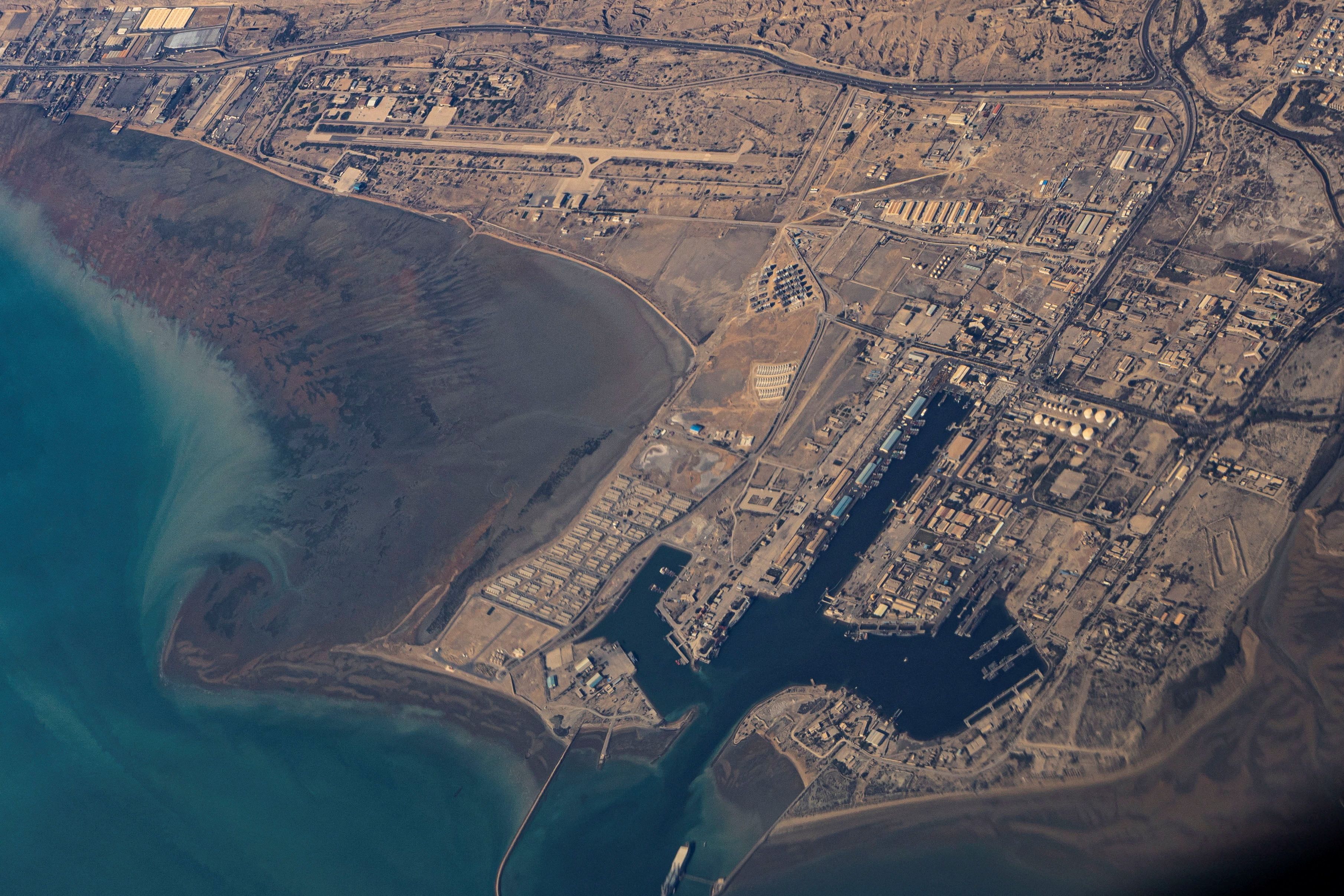
Most of the oil passing through the Strait of Hormuz is shipped to Asia. Iran also relies on this route for its oil exports, although it has a terminal at Jask on the eastern end of the strait, which began operations in July 2021.
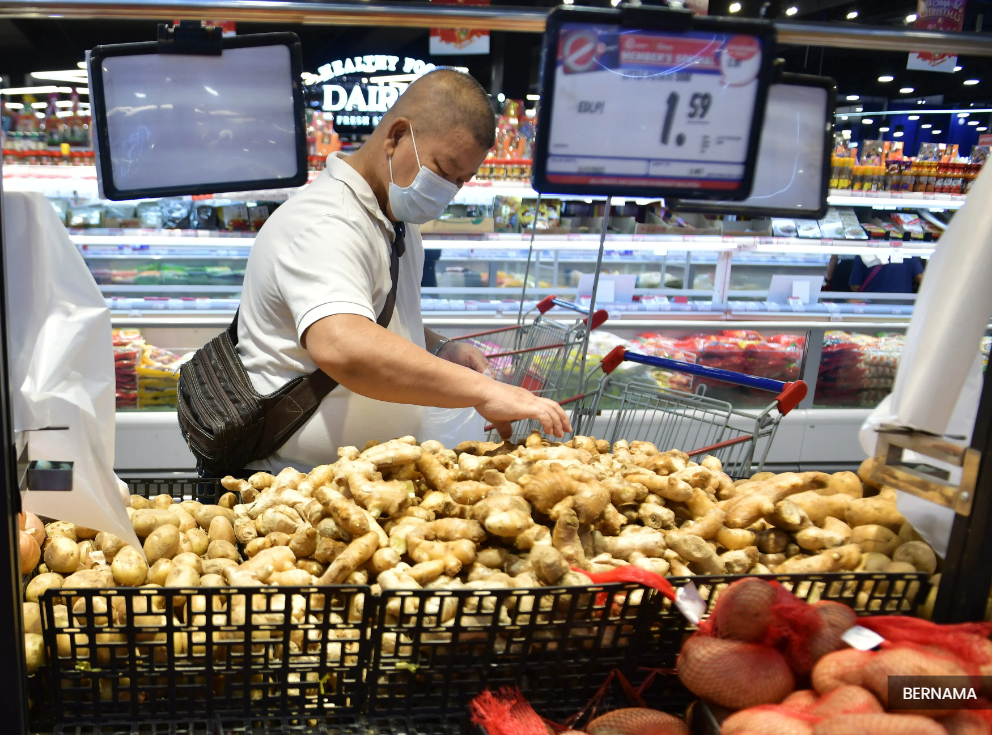
How does the West Asia conflict trigger rising prices in Malaysia?
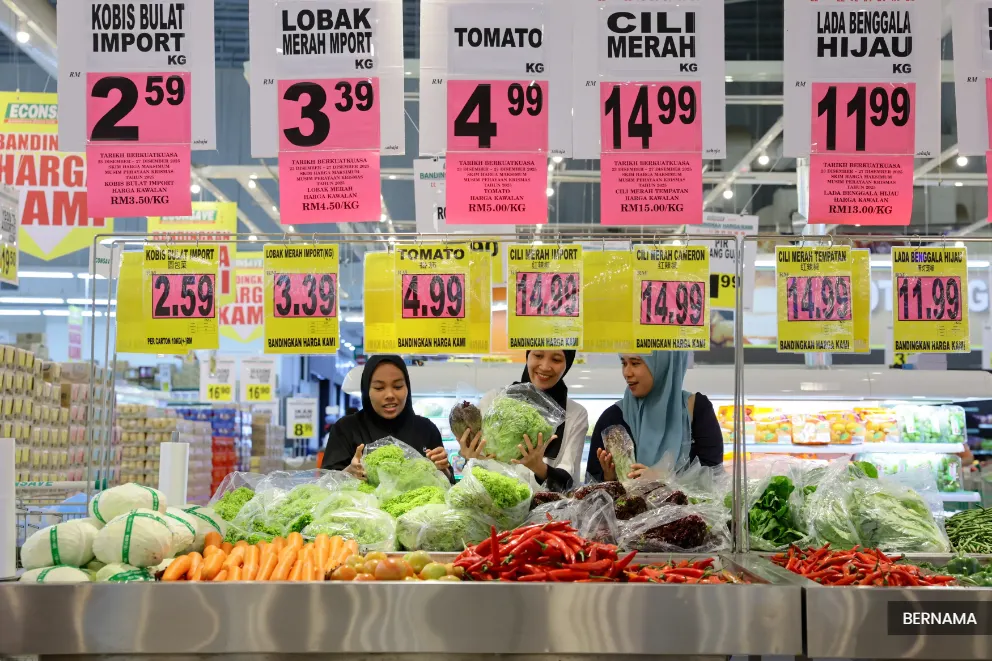
The rise in prices in Malaysia due to conflict in West Asia as of March 2026 is driven by disruptions in global supply chains, which increase business operating costs.
The conflict has also pushed up energy prices, including petrol and diesel, as well as fertiliser prices. This, in turn, raises logistics costs and increases the risk of food inflation.
This directly affects the cost of living and necessitates cost-saving measures and a review of government subsidies.
Brent crude oil prices surged from around US$70 to nearly US$120 per barrel within a short period. Although the price of RON95 is maintained at RM1.99 through subsidies, fuel costs for the industrial and commercial transport sectors have still increased, leading traders to pass on costs to consumers.
Simultaneously, disruptions in the Strait of Hormuz — a route that handles about 20 per cent of global oil and gas supply — have also affected global energy flows.
Malaysia imports nearly 50 per cent of its oil supply via this route for refining, making it vulnerable to supply disruptions, as well as higher insurance and tanker logistics costs.
The conflict has also disrupted global fertiliser production, driving up fertiliser prices in Southeast Asia. The increase in input costs affects the prices of basic food items, including vegetables, rice, chicken, and eggs, in the local market.
This contributes to cost-push inflation, in which rising transport and utility costs lead to broad-based price increases. Analysts expect Malaysia’s inflation rate to rise to as much as 2.2 per cent if the conflict persists.
At the same time, the government’s fuel subsidy bill has risen from RM700 million to RM3.2 billion per month, putting pressure on the country’s fiscal position and affecting consumers’ purchasing power.
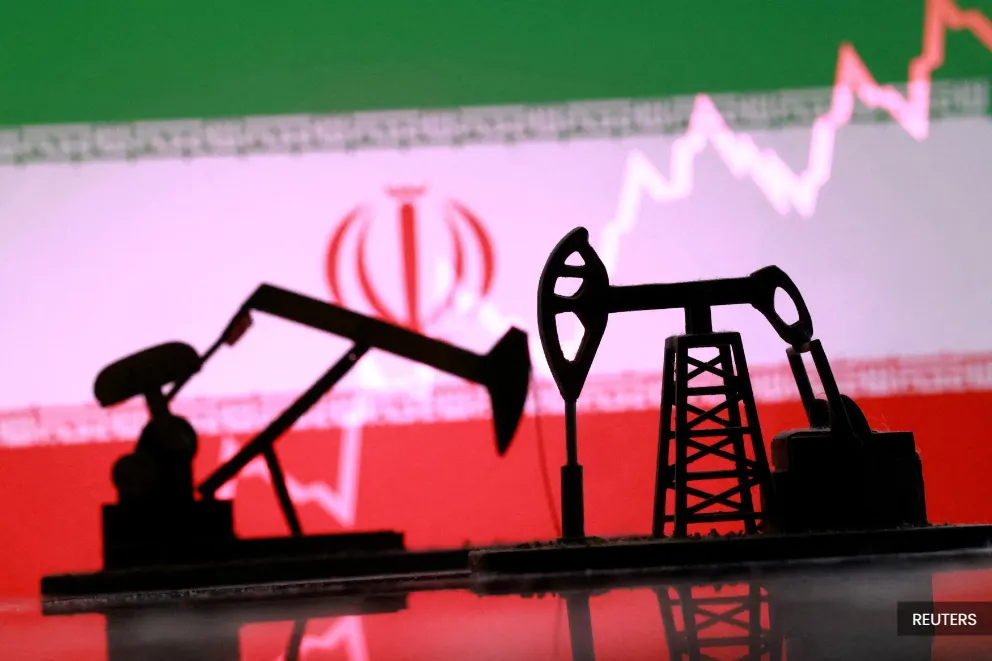
Why are global oil prices rising?
The threat of closure of the Strait of Hormuz, which handles about 20 per cent of the world’s oil and LNG supply, has led markets to anticipate a sudden supply shortage.
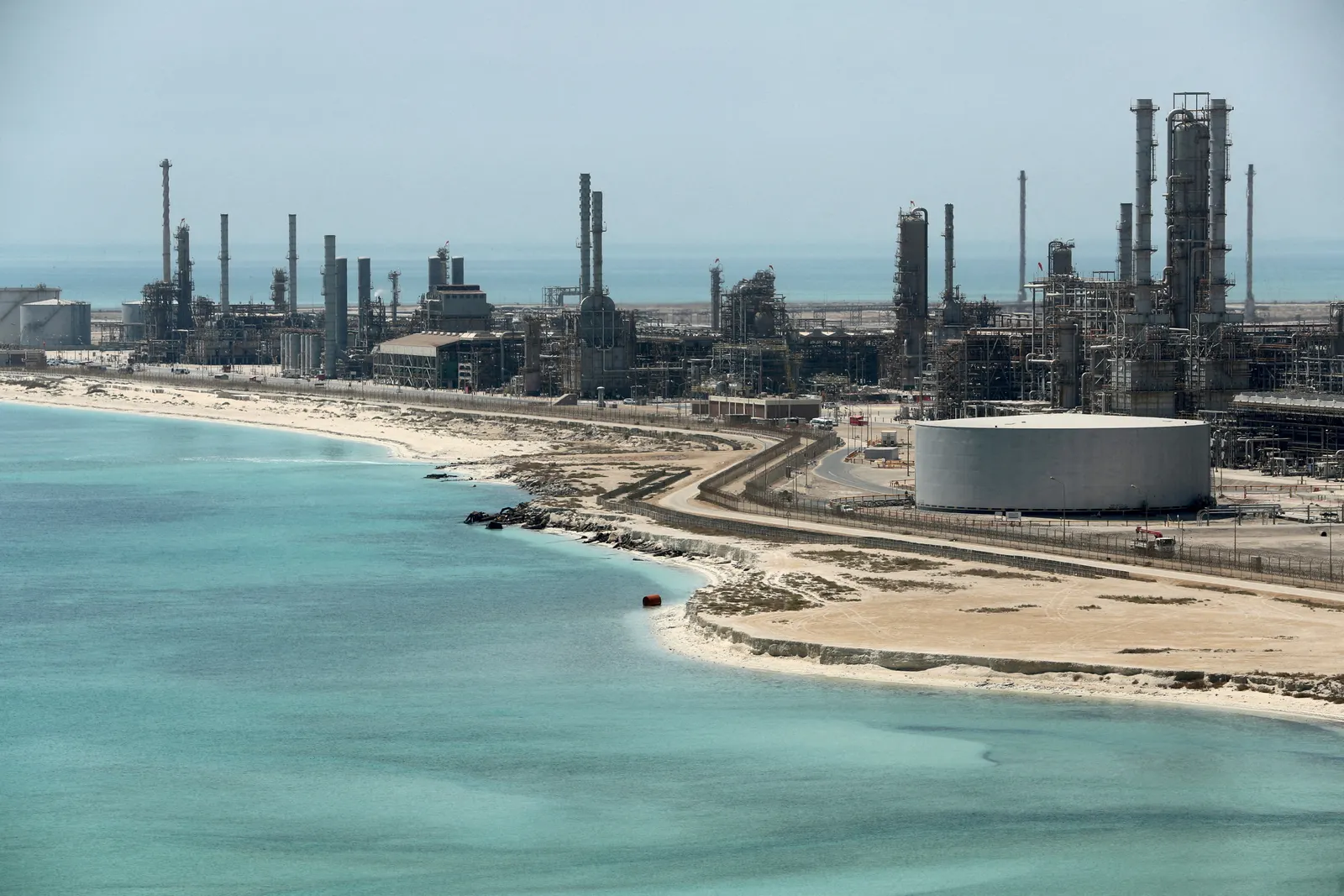
In addition, attacks on energy infrastructure, including Aramco facilities in Ras Tanura, have forced temporary production shutdowns and reduced global oil stocks.
This uncertainty has also prompted investors to apply a risk premium, further driving up oil prices. With supply under threat, energy companies compete for more stable sources, pushing prices even higher.
Who determines oil prices?
Globally, oil prices are determined in real time through trading activities in international commodity markets, based on benchmarks such as Brent crude and West Texas Intermediate.
In addition, OPEC+, a group of oil-producing countries including Saudi Arabia, Russia, and Malaysia as cooperating partners, influences prices by coordinating production quotas to balance supply and demand.
Geopolitical factors also play a role, as statements by world leaders and market expectations from financial institutions can move prices over short periods.
In Malaysia, retail petroleum prices are set weekly by the Finance Ministry based on the Automatic Pricing Mechanism formula. The government also determines subsidy levels to control prices, including maintaining RON95 at RM1.99 per litre under the BUDI95 initiative.
Similarly, the Domestic Trade and Cost of Living Ministry monitors price compliance and ensures there is no profiteering by traders.