
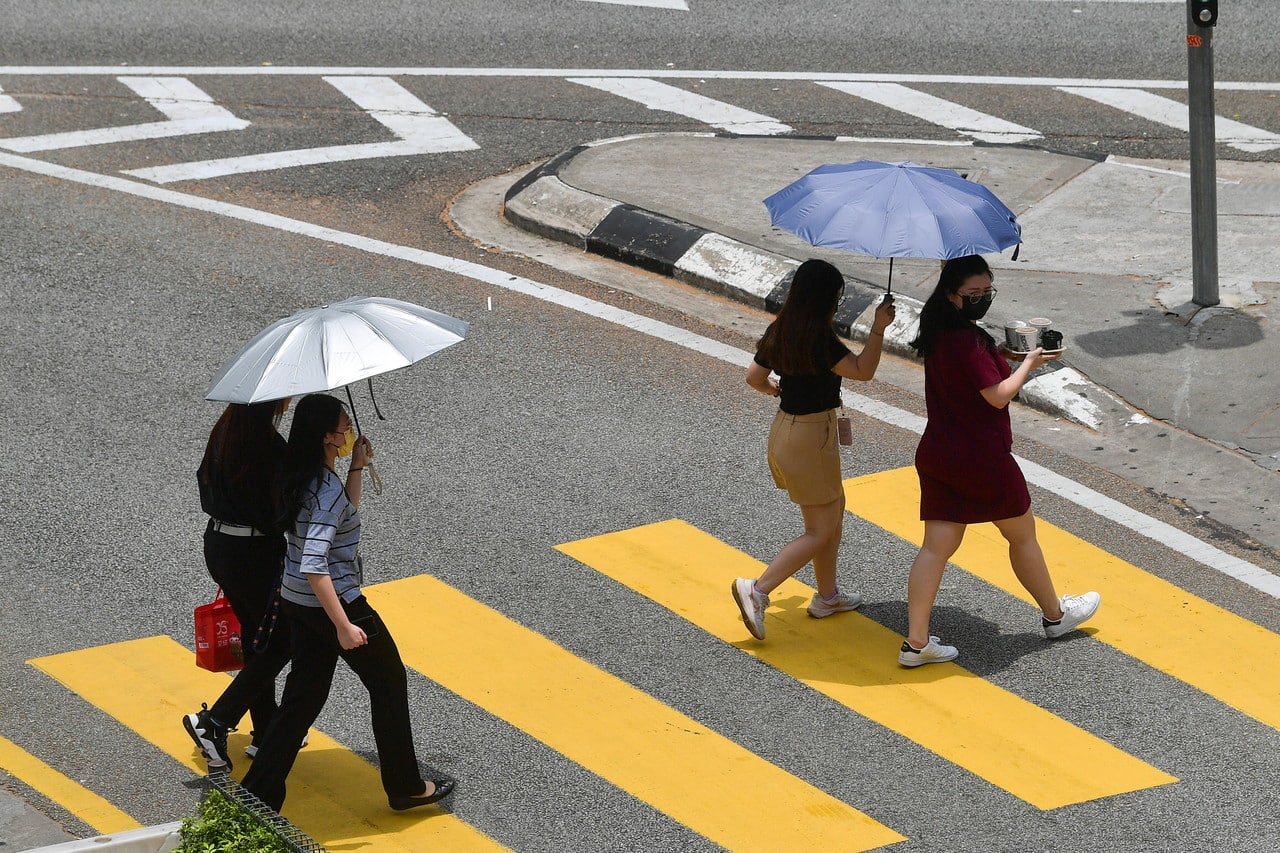
SHAH ALAM, March 26 — The hot weather affecting several areas, particularly in the northern part of Peninsular Malaysia, is due to a suppressed convective phase following the Madden-Julian Oscillation (MJO) in the Southeast Asian region.
Universiti Kebangsaan Malaysia (UKM) climatology and climate change expert Emeritus Professor Fredolin Tangang said the El Nino phenomenon expected to occur in the middle of this year is not related to the current hot weather conditions.
“Simply put, the reason for the hot weather during this MJO convection-suppressed phase is that the region is dominated by high atmospheric pressure, which inhibits convection, reduces cloud cover, and consequently increases solar radiation reaching the Earth’s surface and heat absorption.
“The absence of rainfall also reduces cooling through evaporation, which can lead to heatwaves. Typically, this condition is temporary, where the suppressed convection centre will shift eastward within one to two weeks and be replaced by a following convection phase,” he told Media Selangor.
Previously, the Malaysian Meteorological Department (MetMalaysia) projected that the hot and dry season caused by the Southwest Monsoon would begin in May and continue until September.
The conditions are already being felt in several locations nationwide, with the districts of Pendang, Pokok Sena, and Baling in Kedah experiencing a Level Two heatwave, with daily maximum temperatures reaching between 37°C and 40°C.
Another 16 areas in the peninsula are under Level One (alert) status, including the whole of Perlis, as well as several districts in Kedah, Penang, Perak, and Pahang.
Meanwhile, Fredolin said Malaysia is expected to face a strong El Nino event, with a high probability of recording the hottest temperatures compared to other periods.
Based on his experience of over three decades of researching El Nino, he noted that the phenomenon can raise global temperatures, with 2024 declared the hottest year on record worldwide.
A positive phase of the Indian Ocean Dipole is also forecast for the end of this year, with the country expected to face dry-weather hazards like haze and forest fires.
“Global temperatures in 2024 reached 1.55°C above pre-industrial levels in Europe. Temperatures in 2025 were slightly lower than in 2024 due to La Nina, which can lower global temperatures.
“However, due to ongoing global warming, temperatures in 2025 were still the third highest on record. But what about 2026? Will it be the hottest year ever recorded?
"My answer is that the probability is high,” Fredolin said.
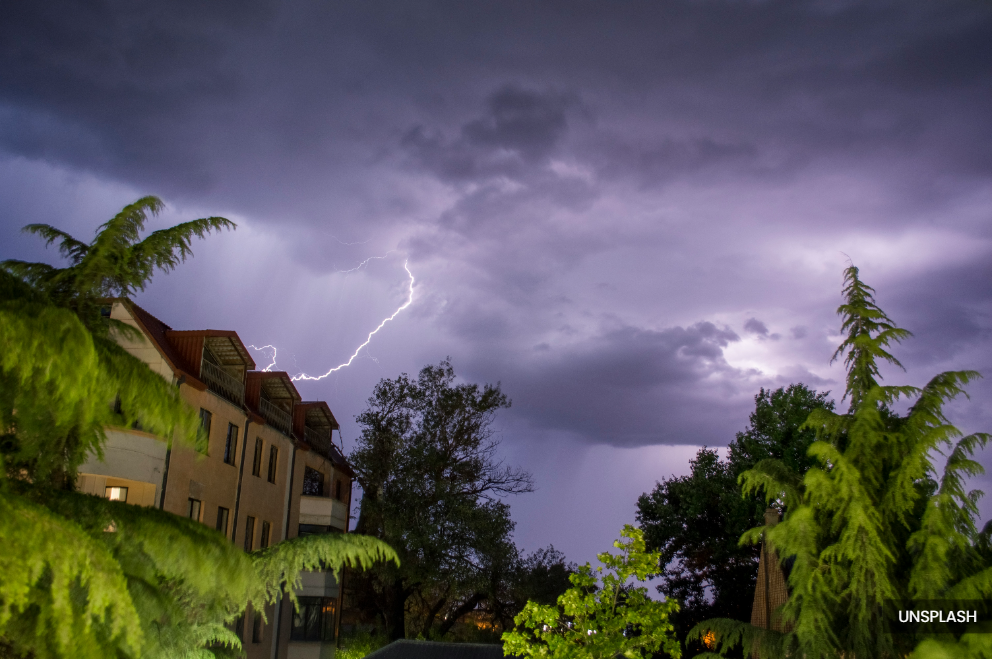
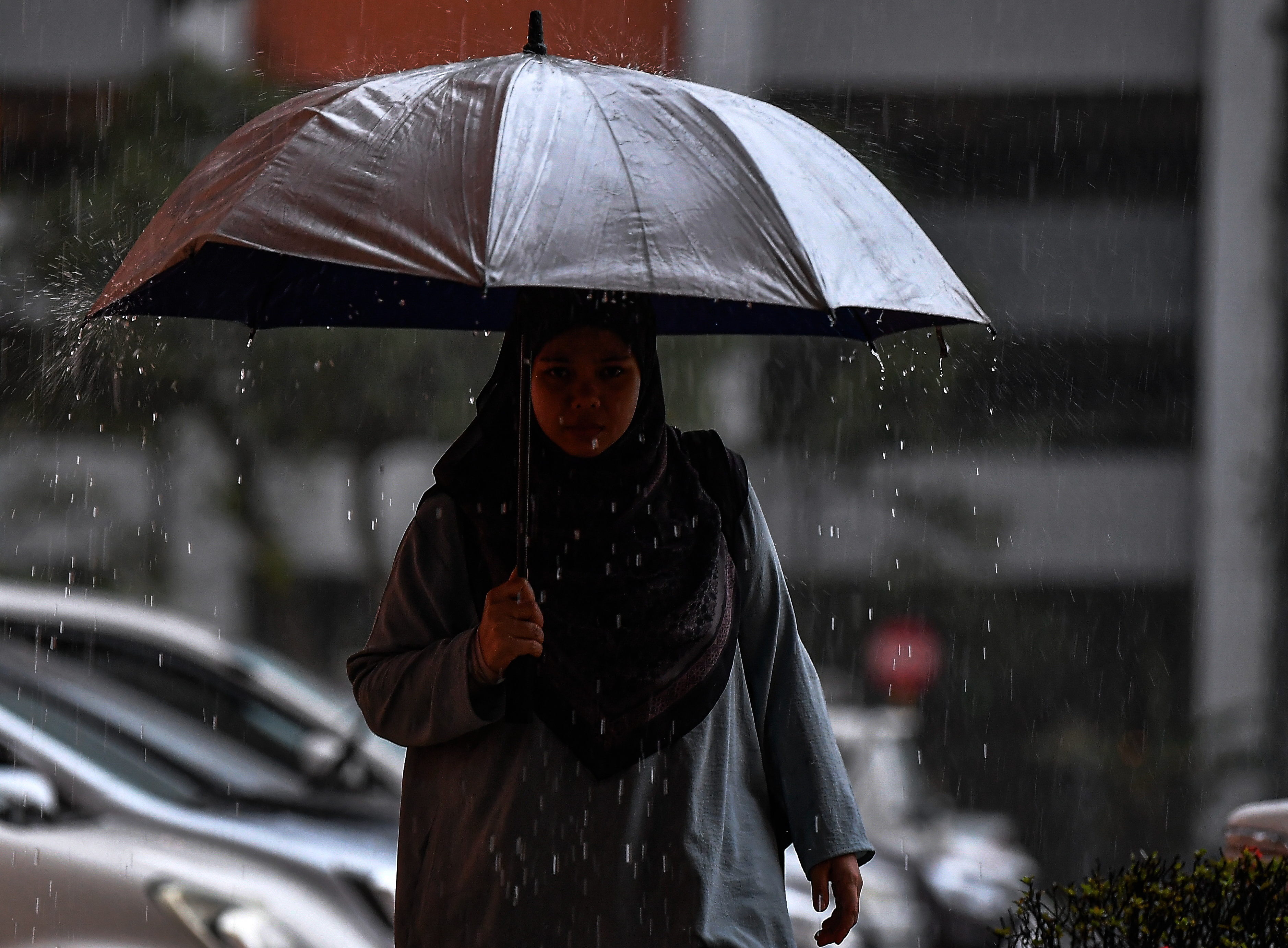
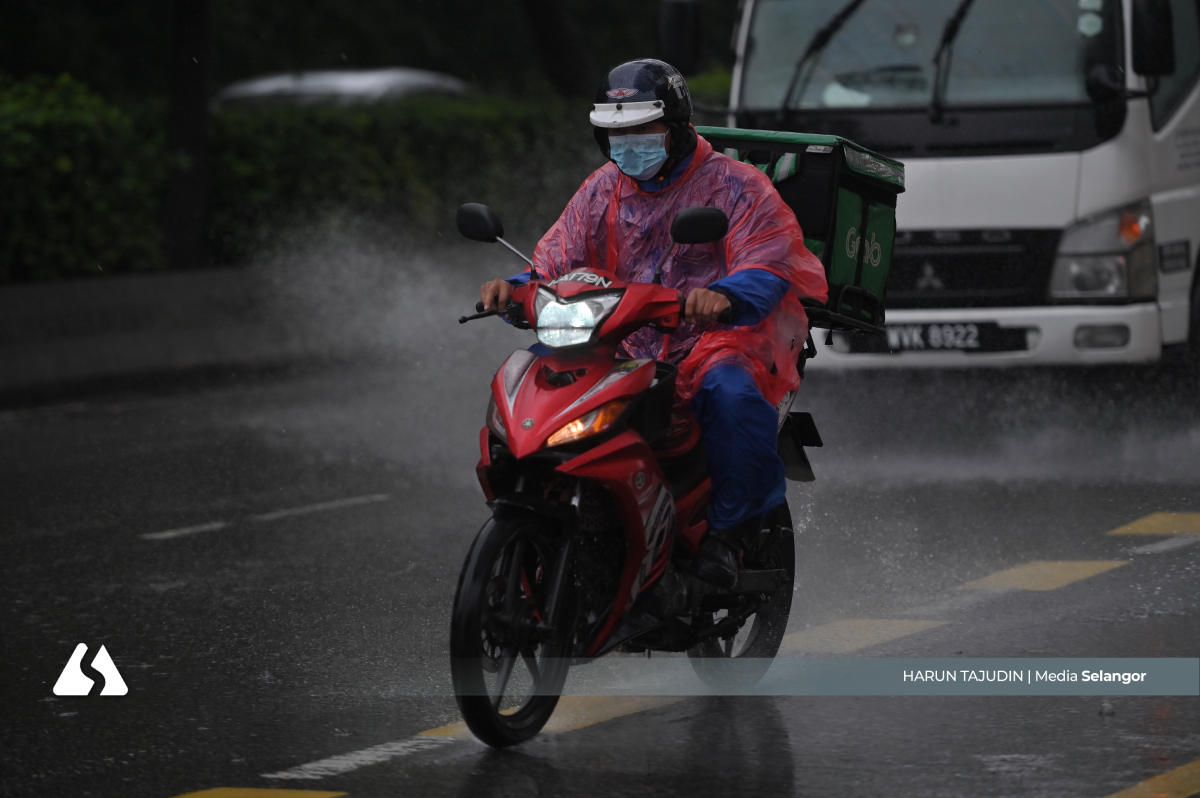
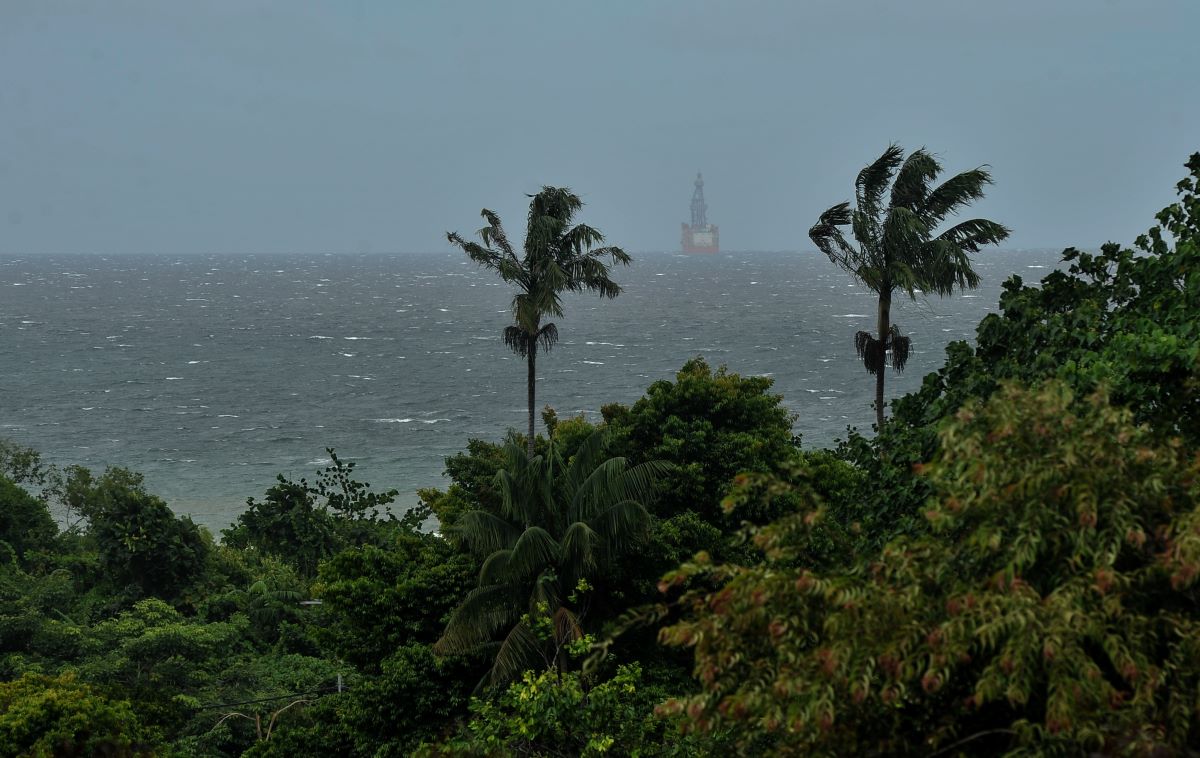
Earlier, MetMalaysia forecast that the inter-monsoon phase, which brings heavy rain and thunderstorms, would begin on March 29 (Sunday) and continue until May.
Its director-general Mohd Hisham Mohd Anip said the start of the phase marks the end of the northeast monsoon, which began on November 13 last year.