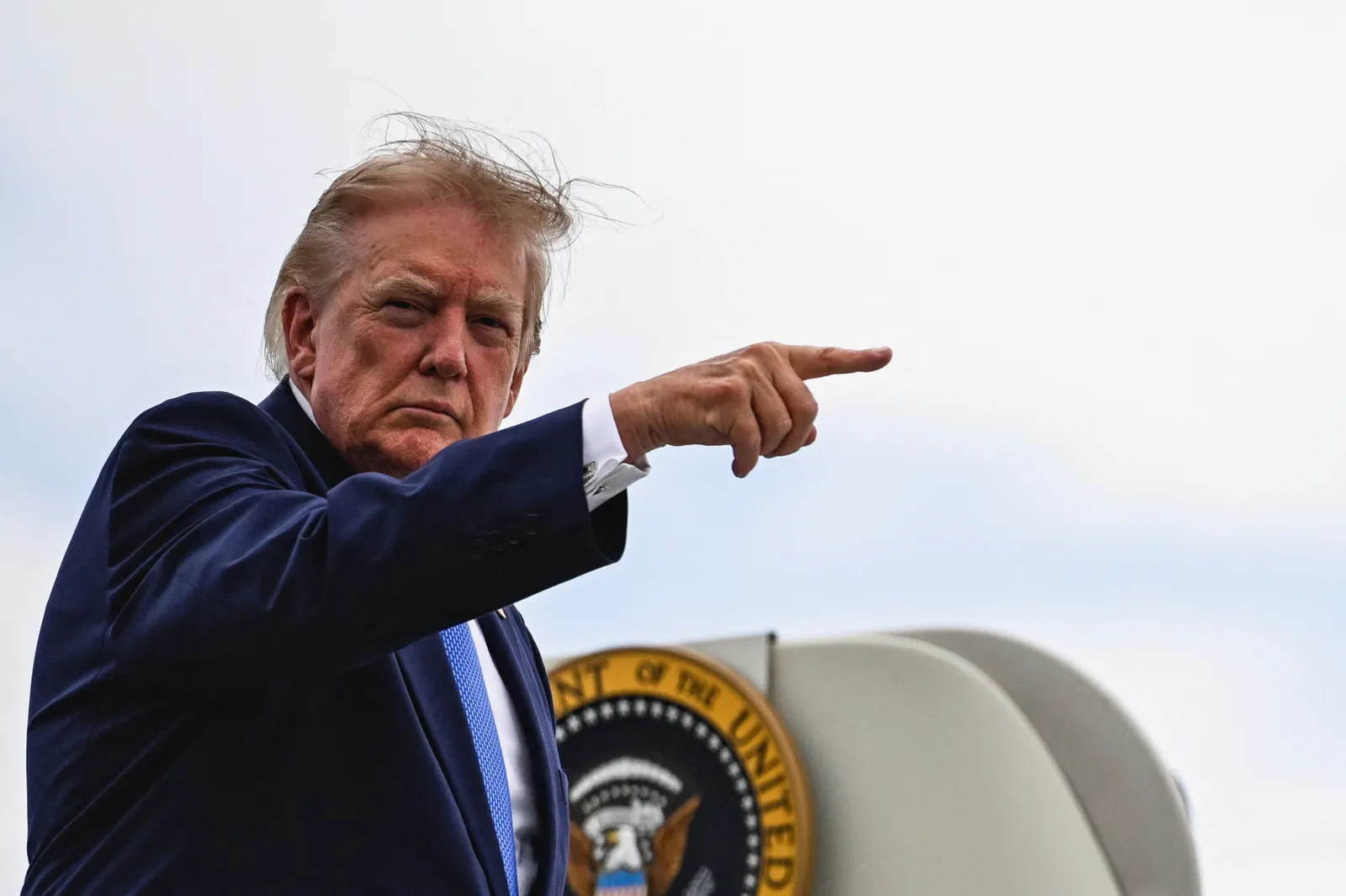
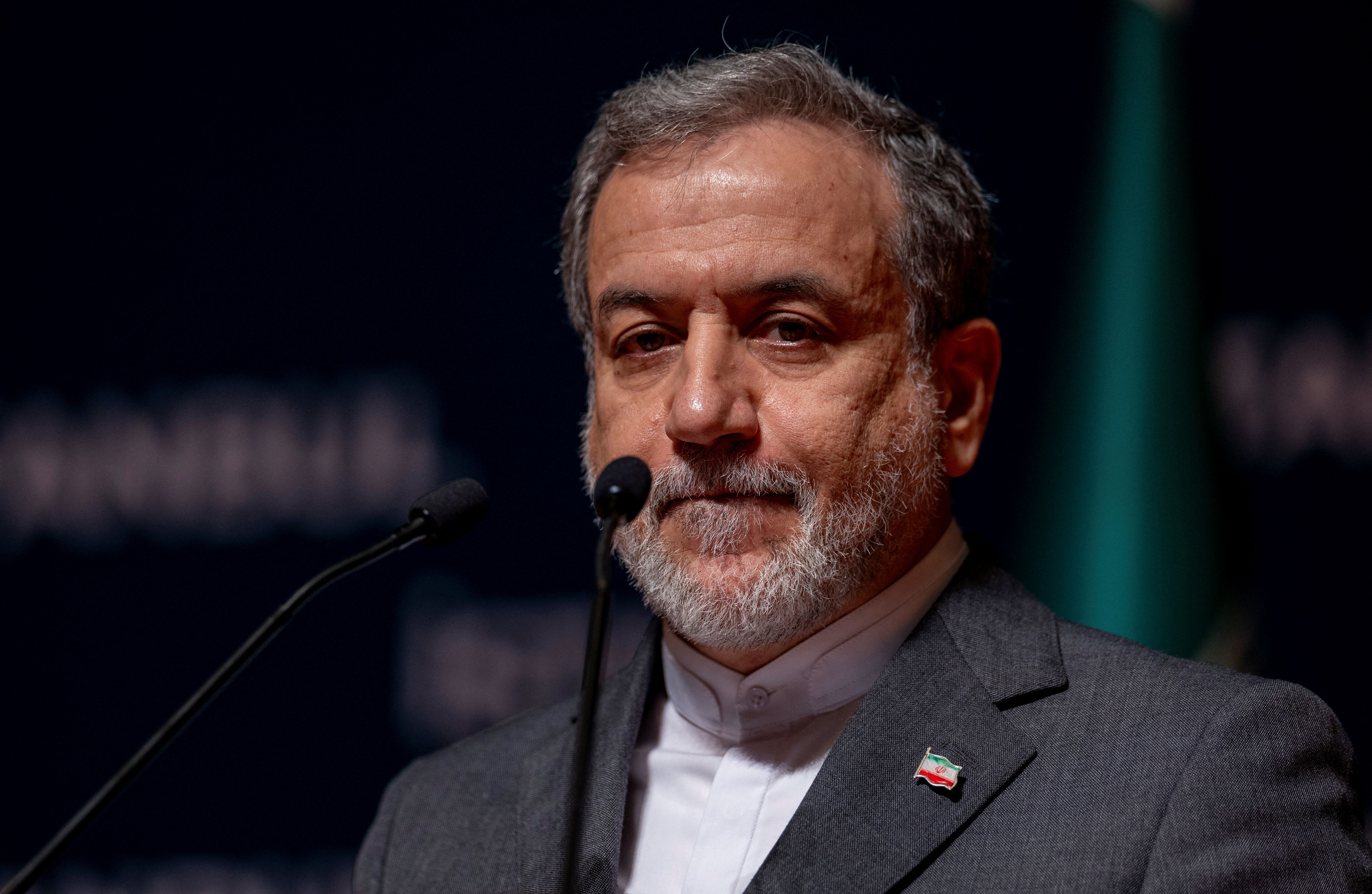
DUBAI/TEL AVIV/WASHINGTON, March 26 — United States (US) President Donald Trump said Iran was desperate to make a deal to end nearly four weeks of fighting, contradicting Iranian Foreign Minister Abbas Araqchi, who said Tehran is reviewing a US proposal but had no intention of holding talks to wind down the conflict.
Araqchi said while there had been no dialogue or negotiation with the US, various messages had been exchanged through intermediaries.
"Messages being conveyed through our friendly countries and us responding by stating our positions or issuing the necessary warnings is not called negotiation or dialogue. It is simply an exchange of messages through our friends," he said in a state television interview on Wednesday.
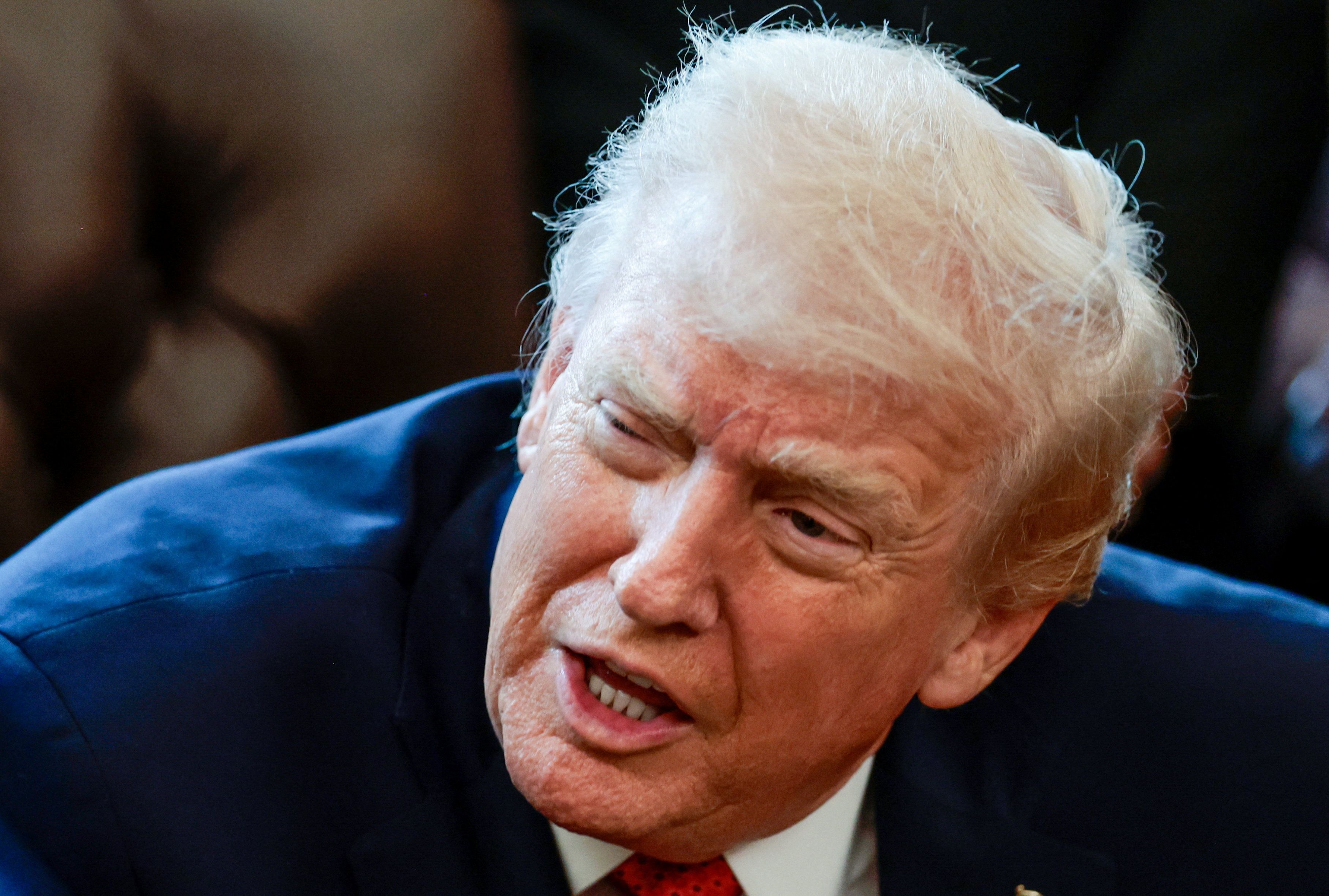
Trump, speaking later on Wednesday at an event in Washington, said Iranian leaders "are negotiating, by the way, and they want to make a deal so badly, but they are afraid to say it because they will be killed by their own people. They are also afraid they will be killed by us."
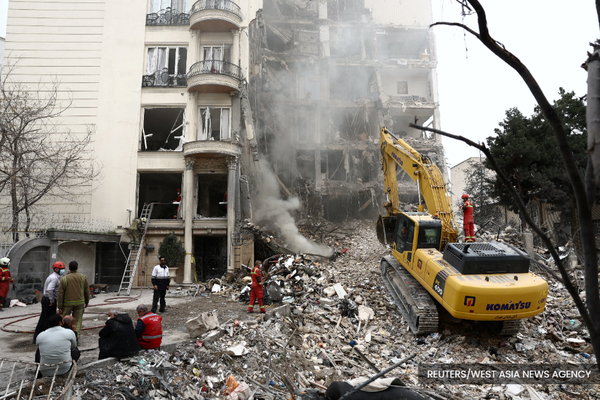
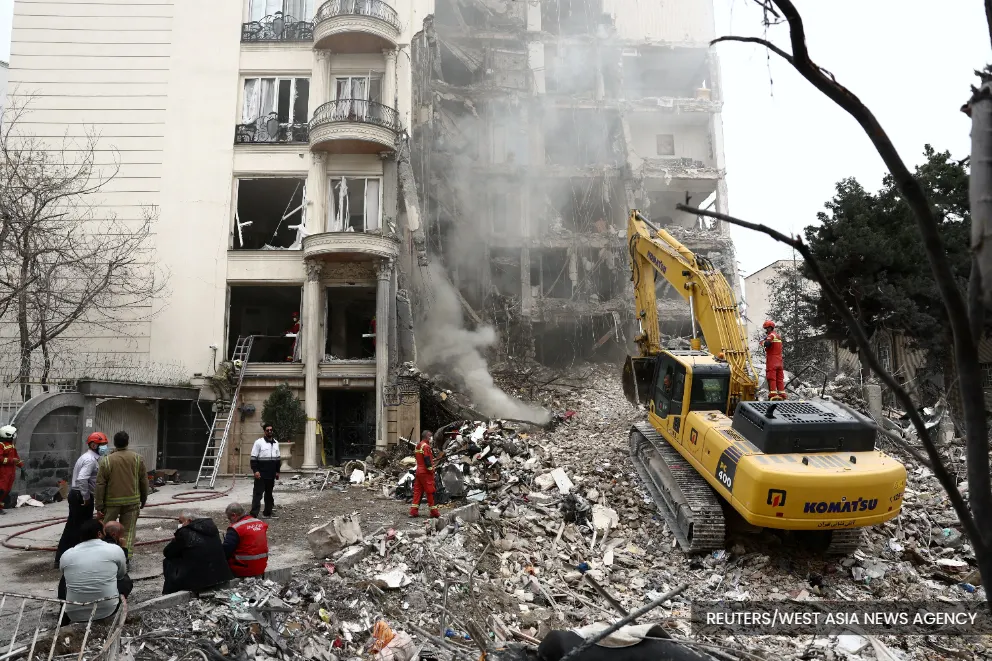
He has not identified who the US is negotiating with in Iran, with many high-ranking officials among the thousands of people that were killed across the Middle East since the US and Israel attacked Iran on February 28 and Iran launched strikes against Israel, US bases, and Gulf states.
Iran's Supreme Leader Ayatollah Ali Khamenei was killed on the first day of the conflict by an Israeli strike and was replaced by his son Mojtaba, who has been wounded in strikes and not been seen in any photograph or video clip since his appointment.
Impacts of conflict spread far and wide
The fallout from the conflict, which has caused the worst energy shock in history, has spread far beyond the region.
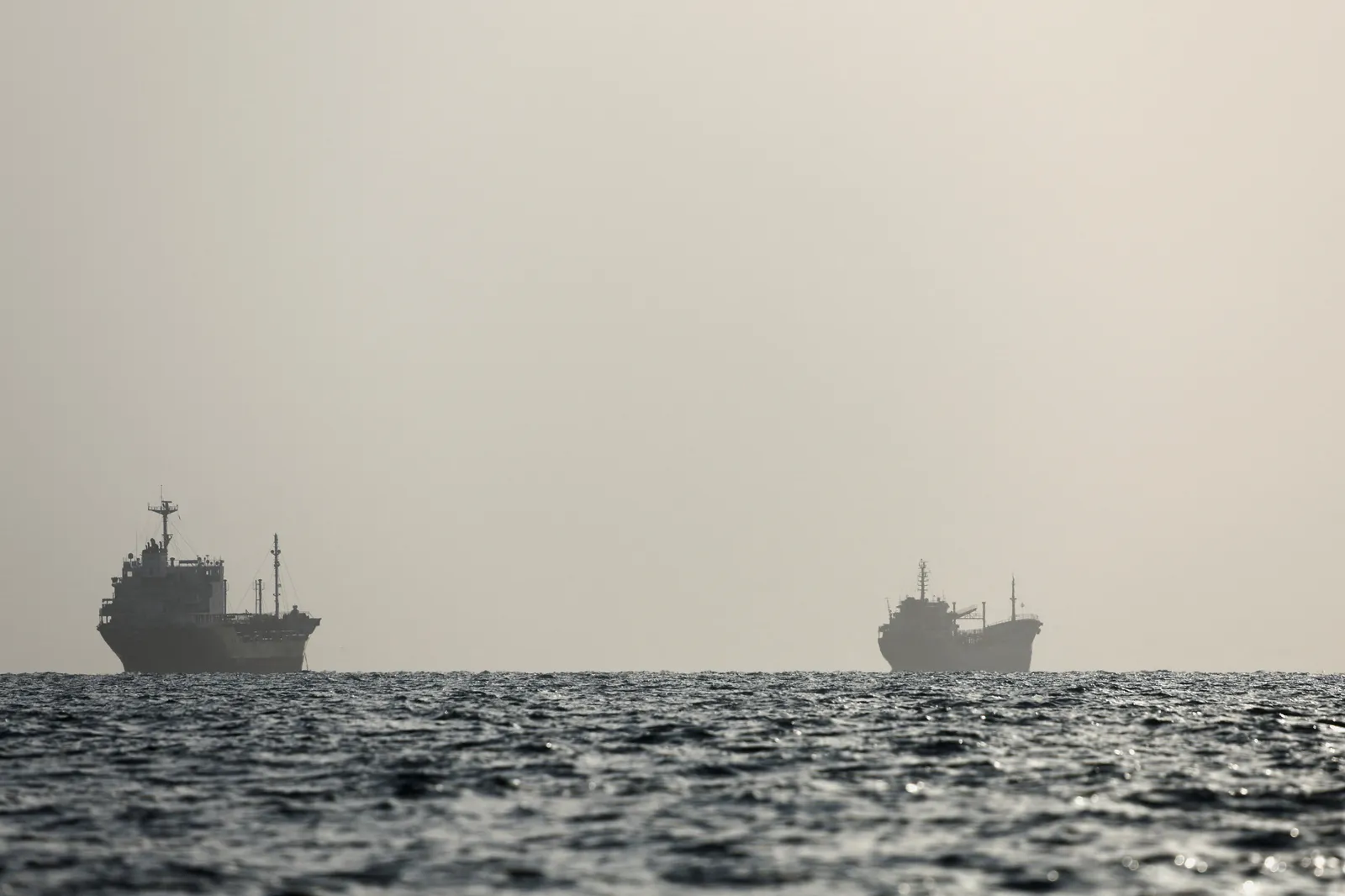
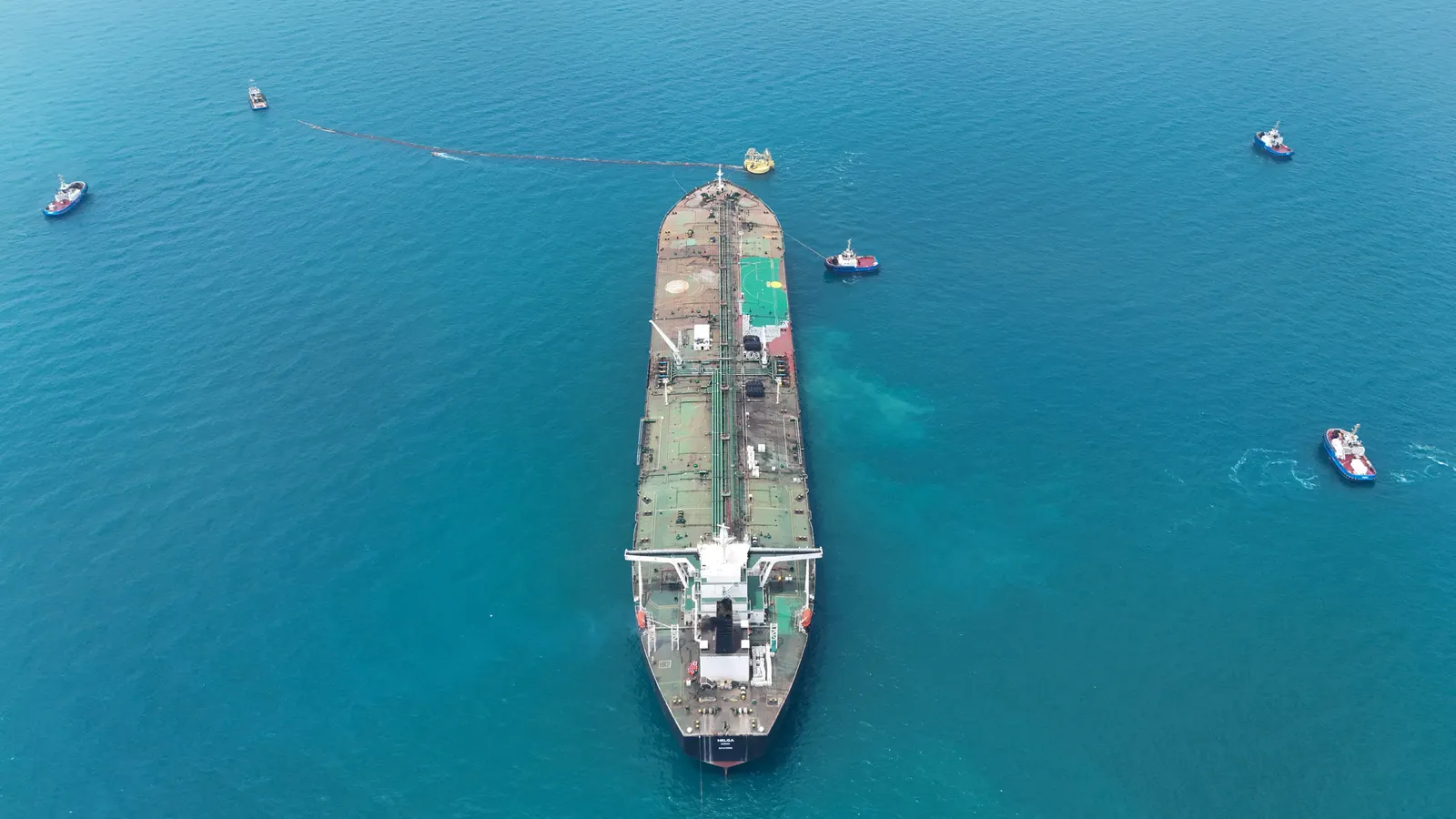
With the Strait of Hormuz, a conduit for a fifth of the world's oil and liquefied natural gas, effectively closed, fuel shortages are occurring around the globe, and businesses from airlines to supermarkets and used-car dealers are grappling with challenges including rising costs, weakening demand, and disrupted supply chains.
Some governments are weighing support measures last used during the COVID-19 pandemic.
The World Food Programme has estimated that farmers are struggling to source diesel for their tractors, and tens of millions more people will face acute hunger if the war continues into June.
According to three Israeli cabinet sources familiar with the plan, a 15-point US proposal to end the conflict, sent through Pakistan to Iran, calls for removing Iran's stocks of highly enriched uranium, halting enrichment, curbing its ballistic missile programme, and cutting off funding for regional allies.
The White House declined to disclose specifics of its proposal and threatened to escalate its strikes.
"If they fail to understand that they have been defeated militarily, and will continue to be, President Trump will ensure they are hit harder than they have ever been hit before," White House press secretary Karoline Leavitt told the media.
A senior Israeli defence official said Israel was sceptical Iran would agree to the terms, and that Israel is concerned US negotiators might make concessions. A second source said that Israel also wants any agreement to preserve its option to conduct pre-emptive strikes.
Meanwhile, six regional sources familiar with Iran's position said that Tehran has informed intermediaries that Lebanon must be included in any ceasefire agreement with the US and Israel.

Stock rally fades, oil prices resume rise
Hopes of a resolution to the conflict that had boosted global stock markets the previous session faded on Thursday, with oil prices resuming their surge.
"Optimism regarding a ceasefire has faded," said NLI Research Institute senior economist Tsuyoshi Ueno.
Meanwhile, missiles and drones kept striking targets across the Gulf.
Early on Thursday, the Israeli military said it had completed a wide-scale wave of strikes targeting infrastructure in several areas across Iran, after another wave of attacks on Wednesday.
Admiral Brad Cooper, the Central Command chief leading the US forces in the Middle East, said the US had hit over 10,000 targets inside Iran and was on track to limit Iran's ability to project power outside its borders.
During a video briefing on Wednesday, he noted that 92 per cent of Iran’s largest naval vessels had been destroyed and that its drone and missile launch rates were down by more than 90 per cent. The US and Israel have damaged or destroyed two-thirds of Iran’s missile, drone and naval production facilities and shipyards.
Elsewhere, sources have told Reuters that the Pentagon is planning to deploy thousands of airborne troops to the Gulf to give Trump more options to order a ground assault, adding to two Marine contingents already on their way.
The first Marine unit, aboard a huge amphibious assault ship, could arrive around the end of the month.
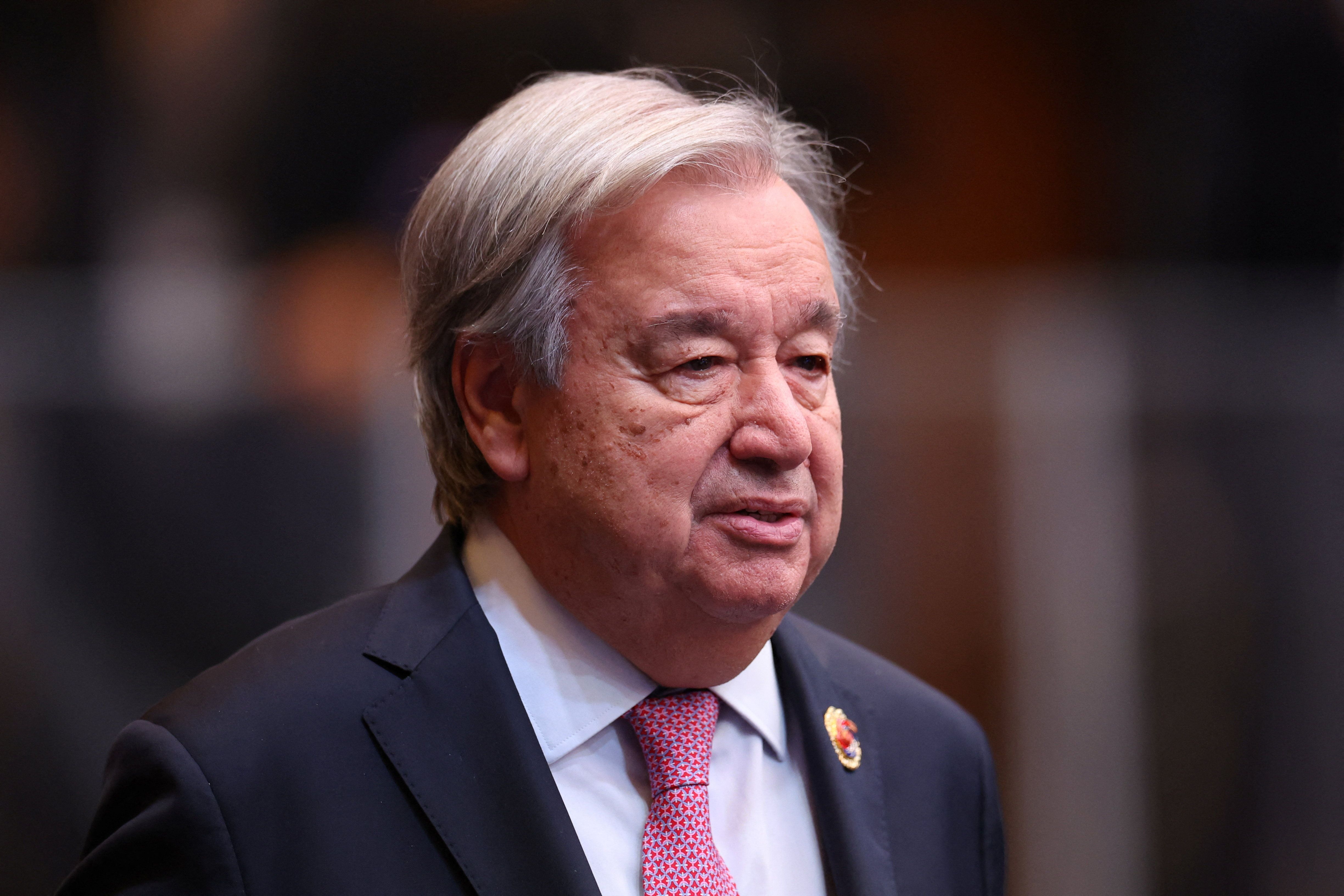
United Nations (UN) Secretary-General António Guterres warned: The "world is staring down the barrel of a wider war" in the region.
"It is time to stop climbing the escalation ladder — and start climbing the diplomatic ladder," he said at the UN headquarters in New York on Wednesday.