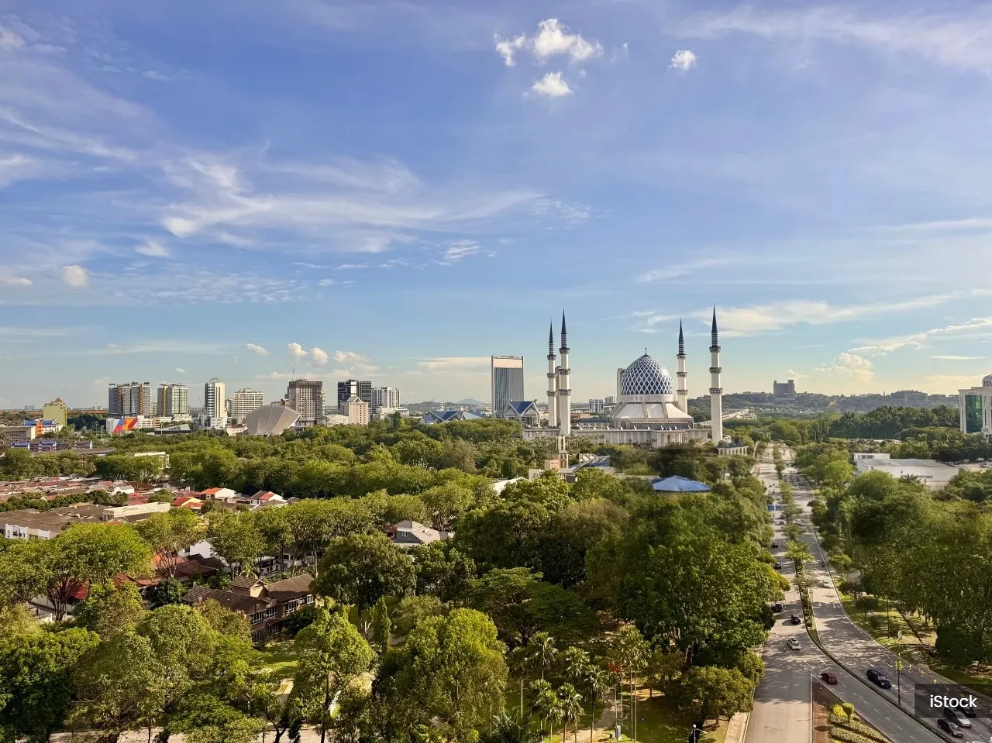

KUALA LUMPUR, March 25 — Malaysia’s residential property transactions are projected to increase by 15 per cent over the next five years, with Selangor expected to remain the largest contributor to housing demand, said IQI co-founder and group chief executive officer Kashif Ansari.
He said the state's population is projected to increase by 382,000 by 2030.
"This will necessitate more transit-oriented, affordable, and mid-market residential developments," Kashif said in a statement today.
Sabah is forecast to record the second-largest increase, with an additional 283,000 residents, followed by Johor, with 279,000, benefiting from stronger migration flows linked to the Johor-Singapore Special Economic Zone and the Rapid Transit System Link.
Kelantan and Terengganu are expected to register population growth of more than 12 per cent, highlighting rising housing needs in markets that have historically faced supply gaps.
He added that overall population growth will lead to the formation of about 582,000 new households over that period, providing a strong underlying driver of housing demand nationwide.
“Population growth alone could lead to a 15 per cent increase in the number of homes purchased, and that leaves out demand from upgrade buyers, investors, and foreign buyers,” Kashif said.
Malaysia’s population is expected to grow by 2.2 million people, from 34.3 million currently to 36.5 million, by 2030.
Based on an average household size of 3.8 persons, the additional population would translate into more than 116,000 new households annually over the next five years.
This consistent household formation will continue to add both buyers and renters to the market, supporting transaction activity nationwide.
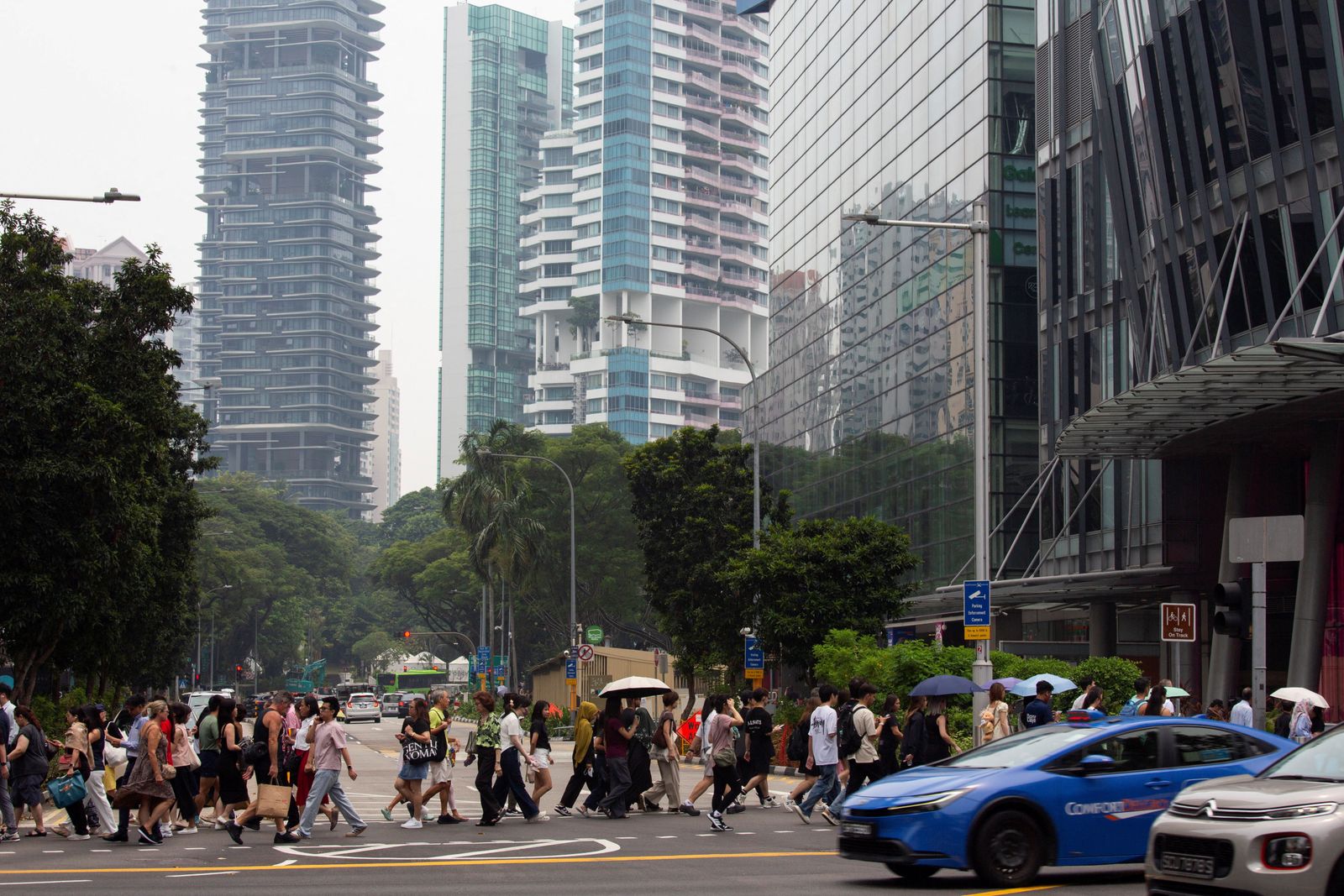
He noted that the proportion of Malaysians living in urban areas is projected to rise to 79.3 per cent by 2030, driving a sustained need for housing, infrastructure, and supporting services.