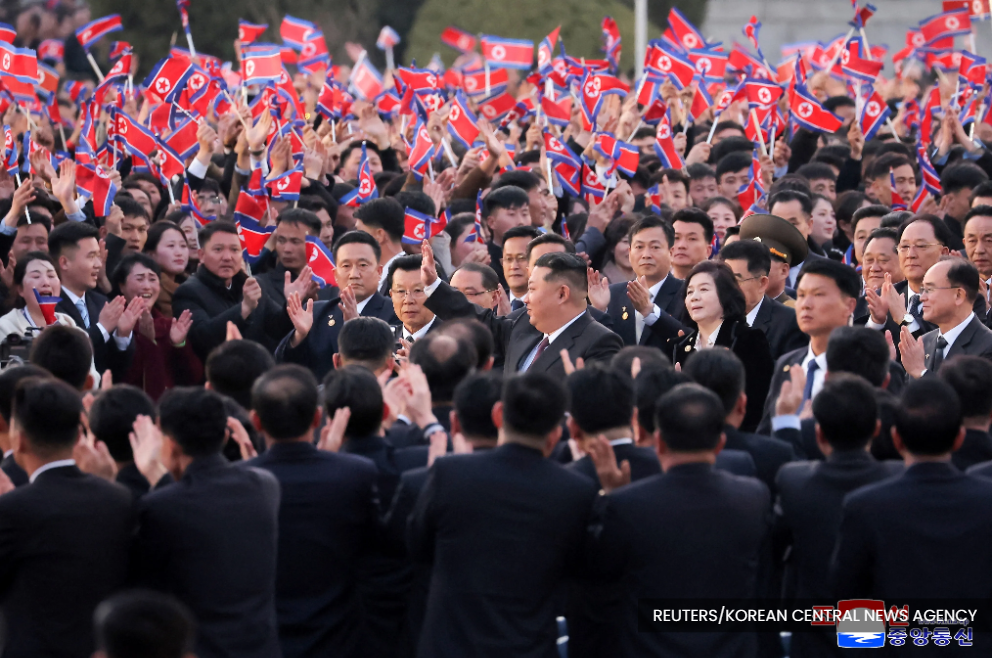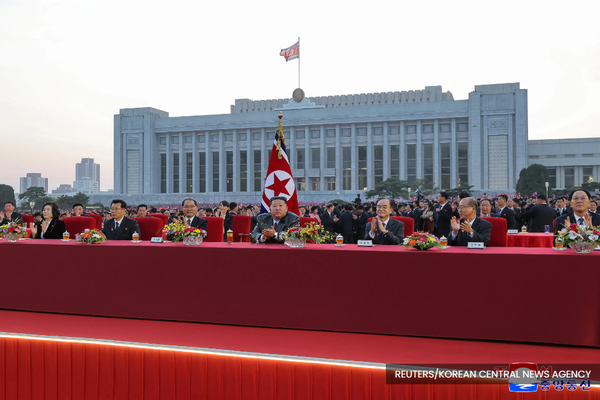
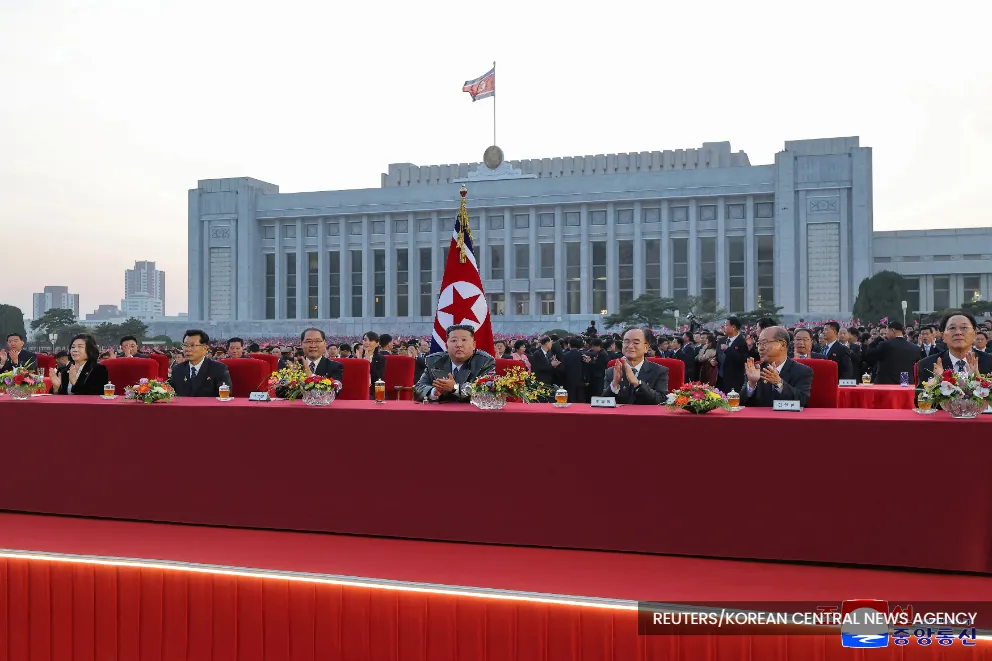
SEOUL, March 24 — North Korean leader Kim Jong Un said his country would permanently strengthen its nuclear forces and treat South Korea as its most hostile state, as he set out policy priorities in a speech to Parliament.
State media KCNA reported today that he said Pyongyang's status as a nuclear-armed state was irreversible and expanding a "self-defensive nuclear deterrent" was essential to national security, regional stability and economic development.
Kim rejected the idea that nuclear disarmament could be exchanged for economic benefits or security guarantees, saying North Korea had already proven that maintaining nuclear forces while pursuing development was the correct strategic choice.
"The current world reality, where the dignity and rights of sovereign states are mercilessly violated by unilateral force and violence, clearly teaches what the true guarantee of a state’s existence and peace is,” he said in yesterday's address to the Supreme People's Assembly, the communist-run country's rubber-stamp legislature.
Kim added that nuclear weapons had deterred war and allowed the state to focus resources on economic growth, construction and living standards.
Analysts in South Korea said the comments amounted to an indirect critique of the United States (US) military action against Iran.
"These circumstances have reinforced Pyongyang’s long-standing argument that nuclear weapons are essential to deter external intervention and safeguard regime survival," said the University of North Korea Studies' professor Yang Moo-jin.
The leader accused the US and its allies of destabilising the region by deploying strategic nuclear assets near the Korean peninsula, but said that North Korea no longer viewed itself as a country under threat and possessed the power to threaten others if necessary.
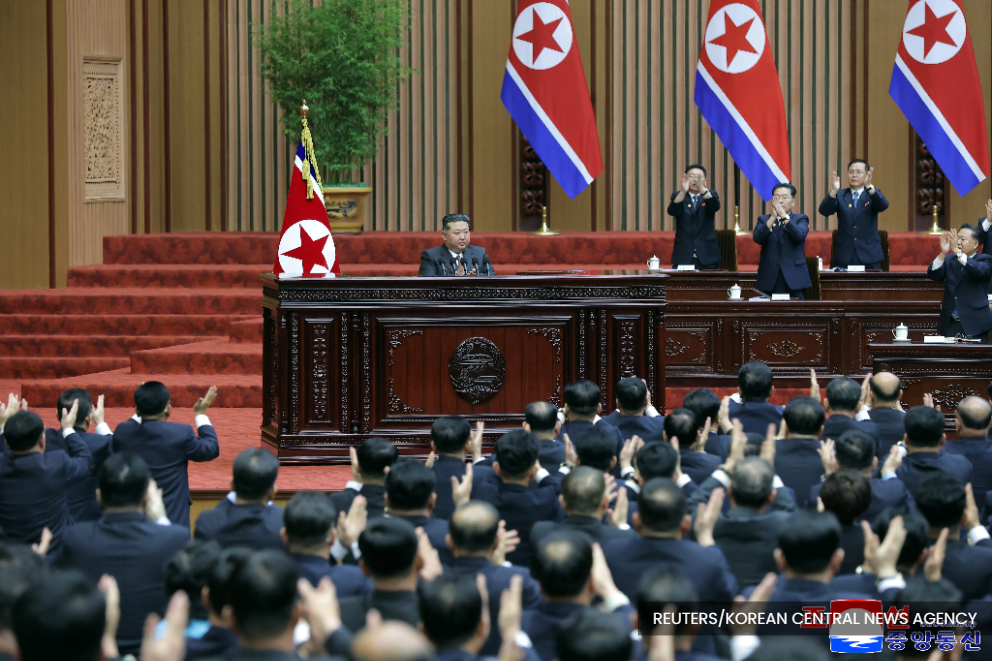
South Korea designated most hostile state
Kim also said that South Korea had been "recognised as the most hostile state", warning Seoul that any attempt to infringe on North Korea's sovereignty would be met "mercilessly without hesitation or restraint".
The comments are the latest sign of Pyongyang’s hardening stance toward Seoul since Kim dropped decades of policy seeking peaceful reunification and moved to redefine relations with the South as those between two hostile states.
Analysts have been watching for any sign that this shift had been codified in law. The state media report did not elaborate.
Kyungnam University's Lim Eul-chul said the language "effectively strips South Korea of any remaining status as a compatriot nation" and goes beyond past rhetoric aimed at isolating Seoul diplomatically.
Instead, it marked a "declaration denying South Korea's very legitimacy as a counterpart".
Yonhap News Agency reported on the South Korean presidential Blue House's response today, which said that Kim’s remarks were "undesirable for peaceful coexistence," adding that only dialogue and cooperation could ensure mutual security and prosperity on the Korean peninsula.
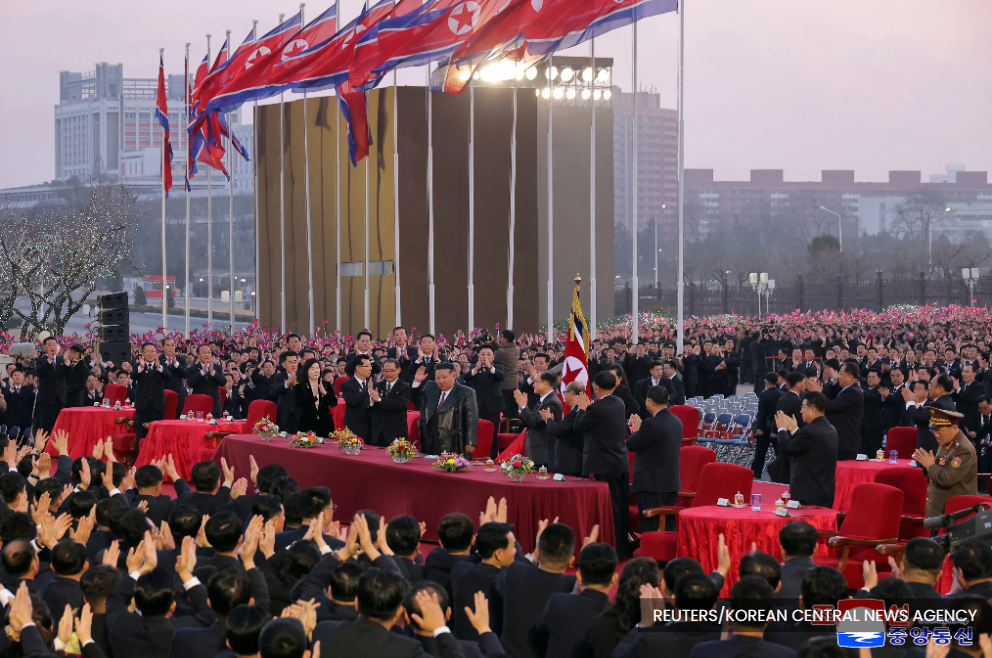
Five-year plan to modernise
Alongside security policy, he outlined economic priorities, calling on officials to fully implement a new five-year development plan focused on modernising industry, boosting electricity and coal production, increasing food output, and expanding housing construction nationwide.
North Korea is one of the world’s poorest countries, with a heavily sanctioned economy and chronic shortages that have left much of its population dependent on state rations and informal markets, according to international assessments.
KCNA reported that the Parliamentary session adopted amendments to the constitution and passed legislation endorsing the new five-year economic plan.
Lawmakers also approved a 2026 state budget that raises defence spending to 15.8 per cent of total expenditure, with funding explicitly allocated to expanding nuclear deterrence and war-fighting capabilities, according to a separate budget report released at the session.
The assembly heard a congratulatory message from Russian President Vladimir Putin, who praised Kim’s leadership and pledged to deepen a comprehensive strategic partnership between Moscow and Pyongyang.