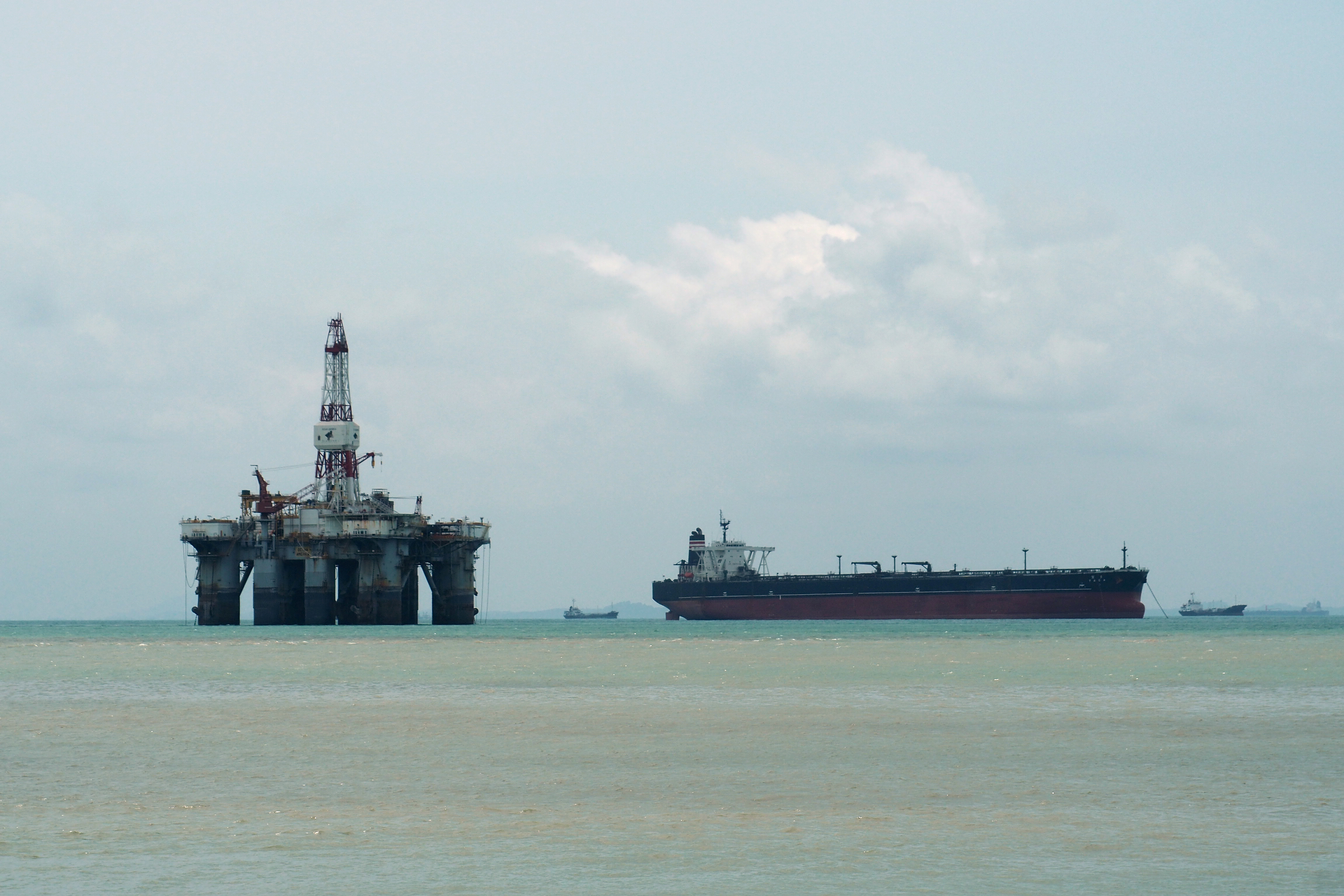
KUALA LUMPUR, March 24 — The decision by oil companies to shift away from West Asia and support offshore crude oil exploration in Southeast Asia could potentially benefit offshore support vessel (OSV) operators.
The decision to realign investments will depend on the duration of the war in West Asia, ongoing disruptions at the Strait of Hormuz, rising oil prices, and the economics of upstream oil and gas (O&G) exploration.
Understandably, the driving factors are heightening concerns over global oil supply security, more so with crude oil prices now above US$100 per barrel, which is putting a strain on oil-consuming nations.
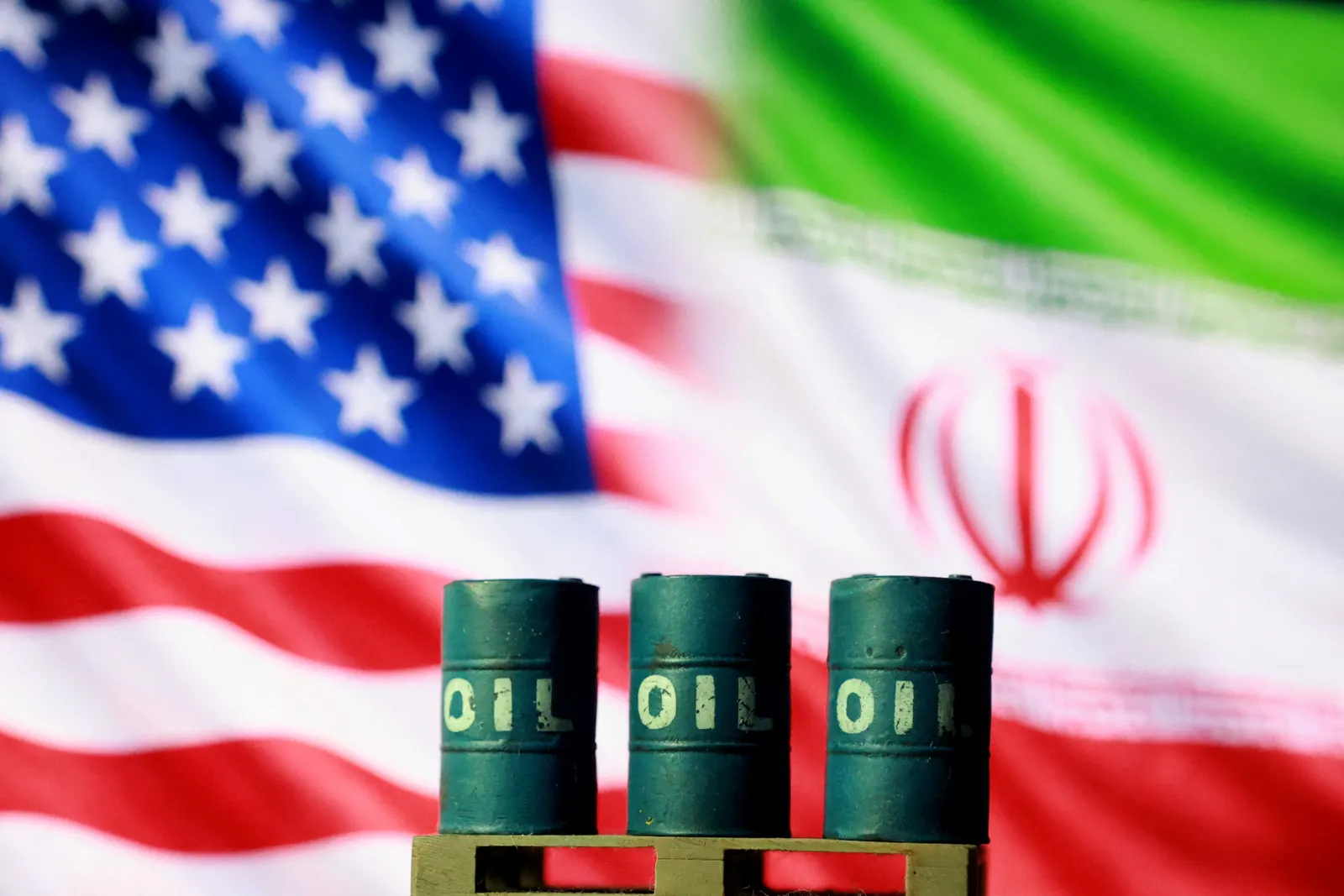
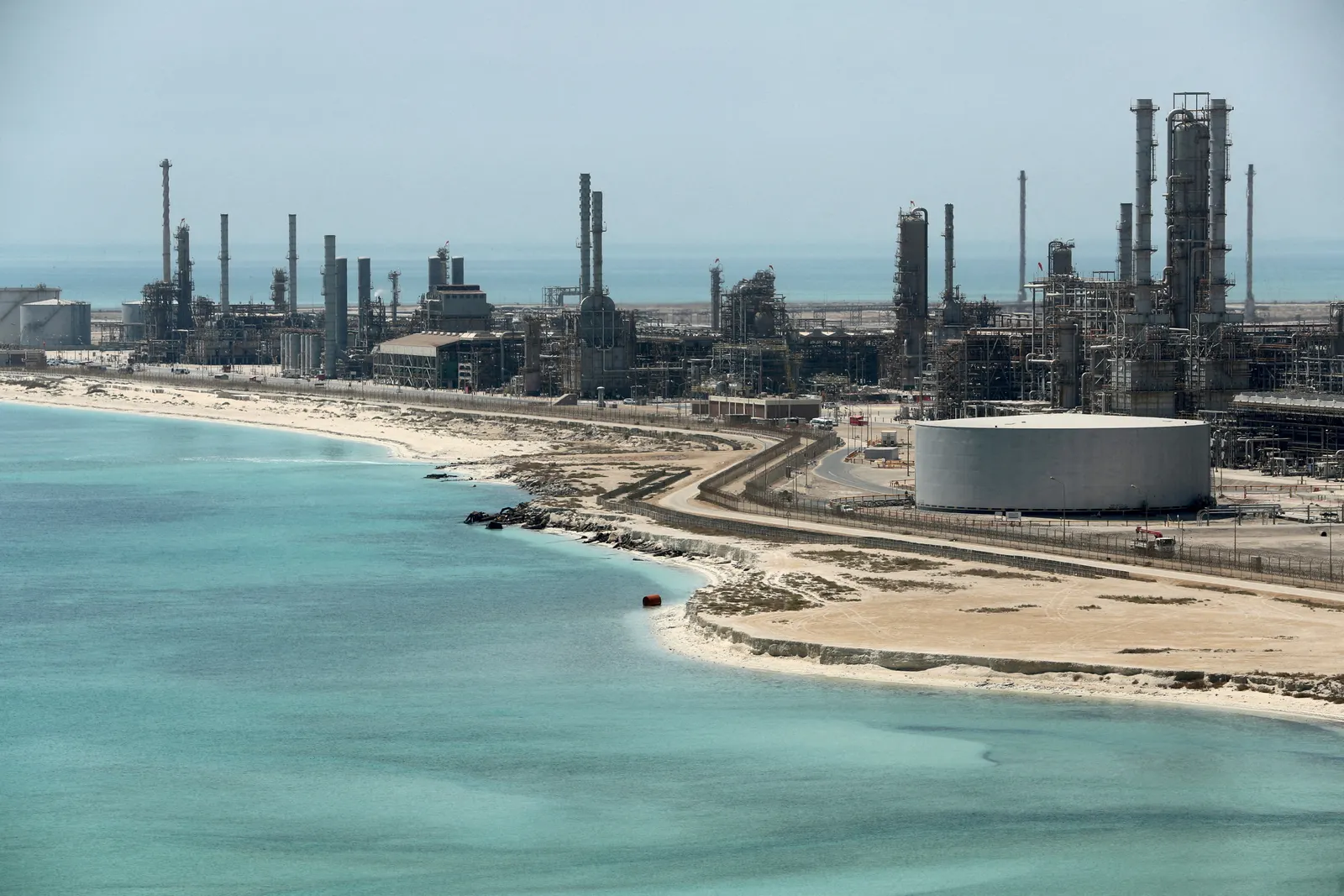
Global energy markets remain highly affected by disruptions to oil supply from West Asia, as this region accounts for a significant share of global oil production and exports. The presence of critical transit routes, such as the Strait of Hormuz, plays a vital role in these dynamics.
As a result, there may be advantages for regional offshore marine support services serving the upstream O&G industry, like Perdana Petroleum Bhd.
This is largely because prolonged instability in West Asia could affect oil price dynamics and upstream investment decisions worldwide, with implications for offshore exploration and related support services.
In this context, offshore services providers such as Perdana Petroleum could benefit if stronger crude oil prices improve the economics of upstream O&G projects.
Perdana Petroleum managing director Jamalludin Obeng said the military conflict is unfolding in a key oil-producing region responsible for around 20 per cent of global O&G supply, alluding to countries now seeking alternative, secure sources of energy.
“Though oil majors and national oil companies have yet to make announcements on shifts in capital or operational spending, naturally, with these developments, other producing regions, including Southeast Asia, may need to increase production to support global energy demand.
“This could eventually lead to higher upstream activities and increased demand for OSVs,” he told Bernama.
Energy supply risks
Jamalludin added that sustained higher crude oil prices could improve the economics of upstream O&G projects, encouraging oil majors and national oil companies to proceed with exploration, development, and production activities.
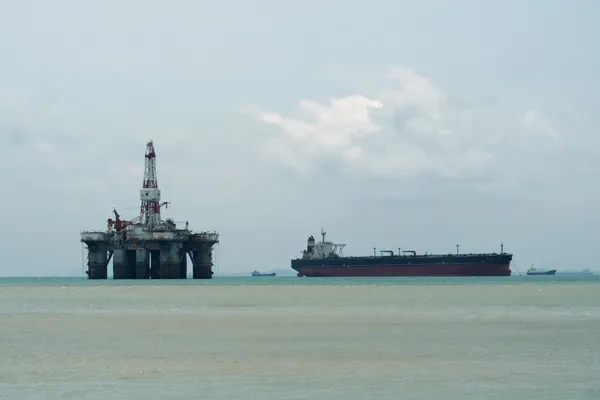
“As offshore projects grow, the demand for supporting services, such as vessel chartering, offshore logistics, and marine support, typically increases, which benefits OSV operators,” he said.
Offshore activity outlook
Perdana Petroleum’s fleet utilisation is currently at a healthy level and typically improves further during non-monsoon seasons, particularly in the second and third quarters of the year.
“Southeast Asia remains an active offshore region, and at Perdana Petroleum, we are also bidding for contracts beyond Malaysia, in adjacent countries.
“In Malaysia, with Petronas continuing to prioritise sustaining production levels while investing in production sustainability and new field developments, it creates opportunities for OSV operators to support drilling, development and offshore maintenance activities,” said Jamaluddin.
He noted that the medium-term fundamentals of the OSV sector are expected to remain stable in 2026, despite current tensions and supply disruptions in West Asia.
This projection is supported by Petronas’s continued commitment to offshore exploration and production activities, which provides a baseline demand for OSVs.
However, the company will continue to navigate cautiously as the operating environment remains influenced by broader economic challenges and geopolitical uncertainties.
“Industry-wide, concerns remain regarding the ageing OSV fleet and the slow pace of new vessel deliveries, which could tighten vessel supply over the medium term and support firmer charter rates,” Jamaluddin said.
Investment shift uncertain
While stronger oil prices may support upstream activities, it may be premature to expect immediate shifts in global energy investment strategies.
CGS International Securities Malaysia chief economist Nazmi Idrus said it is still too early to determine whether the ongoing conflict would lead to significant realignments in energy investment decisions.
“I am not sure if anyone would change their investment strategy this early in the conflict. We need to see whether this is a long game, and if so, only then would investment realign to the new reality,” he said.
Meanwhile, Bank Muamalat Malaysia Bhd chief economist Mohd Afzanizam Abdul Rashid expects the geopolitical tensions in West Asia to heighten concerns over global oil supply.
The O&G industry is undergoing structural changes as economies transition towards renewable energy and electric vehicles.
He pointed out that global oil rig activity has yet to recover to pre-2014 levels following the oil price collapse, partly triggered by a surge in supply, including from United States shale production.
“The structural shift in the industry is real as more economies move towards sustainable energy sources, although O&G remain relevant due to their importance in petrochemicals and various industrial applications,” he said.
Despite supply risks stemming from geopolitical tensions, Afzanizam said that oil companies may not necessarily significantly ramp up capital expenditure, as investment decisions remain largely driven by commercial considerations and long-term demand trends.
While geopolitical tensions could lend near-term support to oil prices and offshore activities, the longer-term outlook for upstream investments will continue to be shaped by evolving energy demand, supply dynamics, and the global transition towards cleaner energy sources.