JAKARTA, March 23 — Indonesia expects the Hari Raya Aidilfitri mudik, or homecoming momentum, to support its 2026 economic growth target of 5.5 to 5.6 per cent year-on-year, with public mobility and spending rising during the festive period.
The Coordinating Ministry for Economic Affairs' spokesman Haryo Limanseto said the outlook builds on last year’s Aidilfitri, which recorded 154.62 million people travelling nationwide, with movement and spending this year projected to increase further.
The projection comes despite global pressures arising from geopolitical tensions, including the West Asia conflict, noting that Indonesia’s economic fundamentals remain strong.
“Additionally, the government is committed to not increasing fuel prices at this time to maintain the people’s purchasing power.
“Therefore, for this year’s Aidilfitri, we are optimistic that the economy can perform better than the previous year,” he said in a statement today.
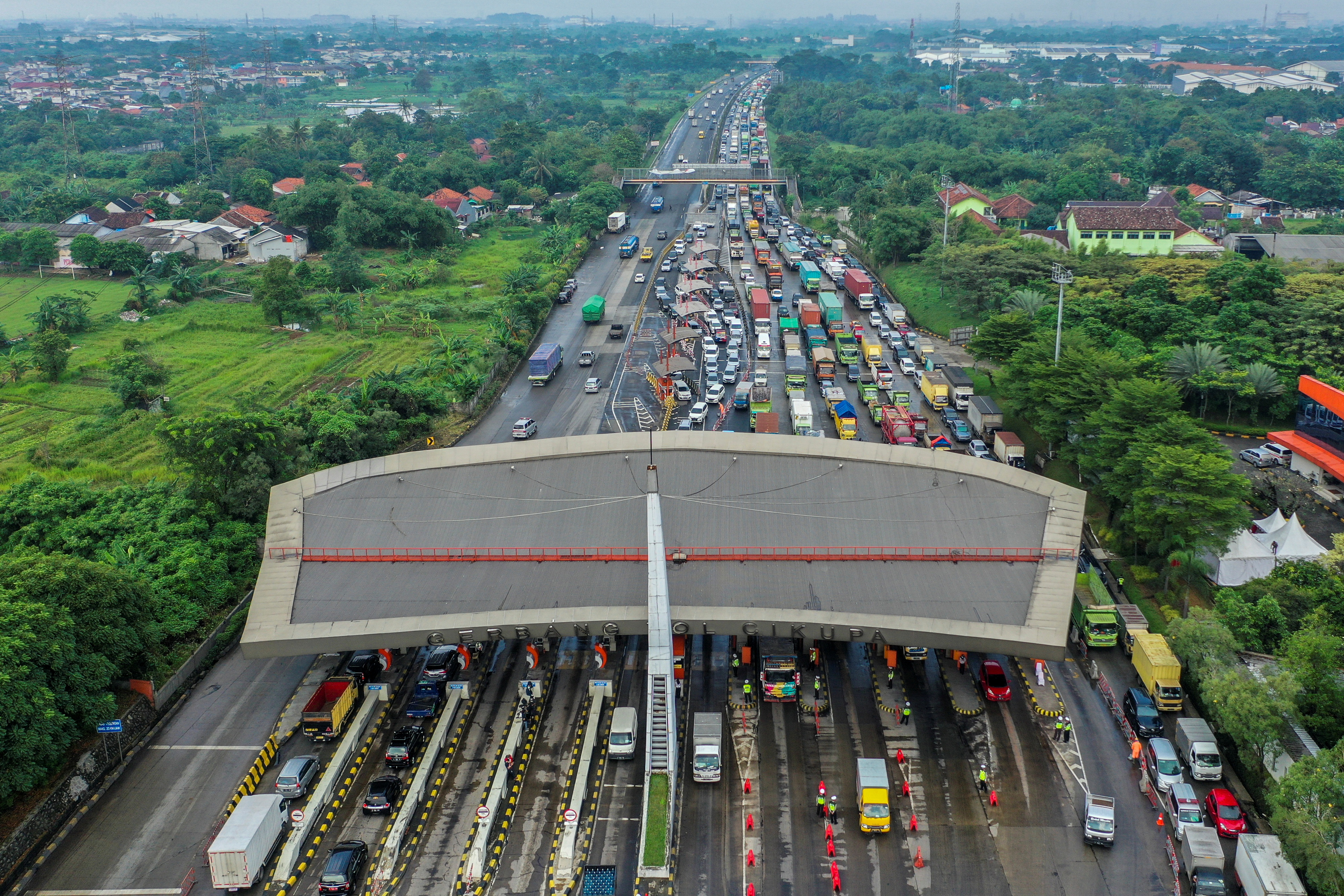
Earlier, Transportation Minister Dudy Purwagandhi had estimated that 76.24 million people would travel by private car during the 2026 Aidilfitri homecoming period.
He added that the government also allocated 31,000 buses, 840 sea vessels, 254 ferries, 372 aircraft, and 3,687 train units during the Aidilfitri travel period.
Meanwhile, Haryo explained that the Work From Anywhere policy also enables travellers to continue working while in their hometowns, extending their stay and encouraging higher spending.
“By continuing to work and receive a full income, travellers have more time to engage in activities and spending, thereby increasing money circulation and strengthening economic activity during the Aidilfitri period,” he said.
The projection is supported by various government stimulus measures, including more than 12.8 trillion rupiah (RM2.97 billion) in fiscal stimulus and rupiah 11.92 trillion rupiah (RM2.76 billion) in social assistance distributed to 5.04 million families ahead of Aidilfitri.
Haryo noted that said 911.16 billion rupiah (RM211.4 million) was allocated for transportation fare discounts to ease travel costs and encourage mobility.
Household consumption, which accounts for 53 to 54 per cent of gross domestic product, is expected to remain a key driver of economic performance.
He said that mudik activities have historically contributed around 1.5 per cent to annual economic growth, based on a 2023 study by Statistics Indonesia, driven by increased consumption and the redistribution of money flows to regions.
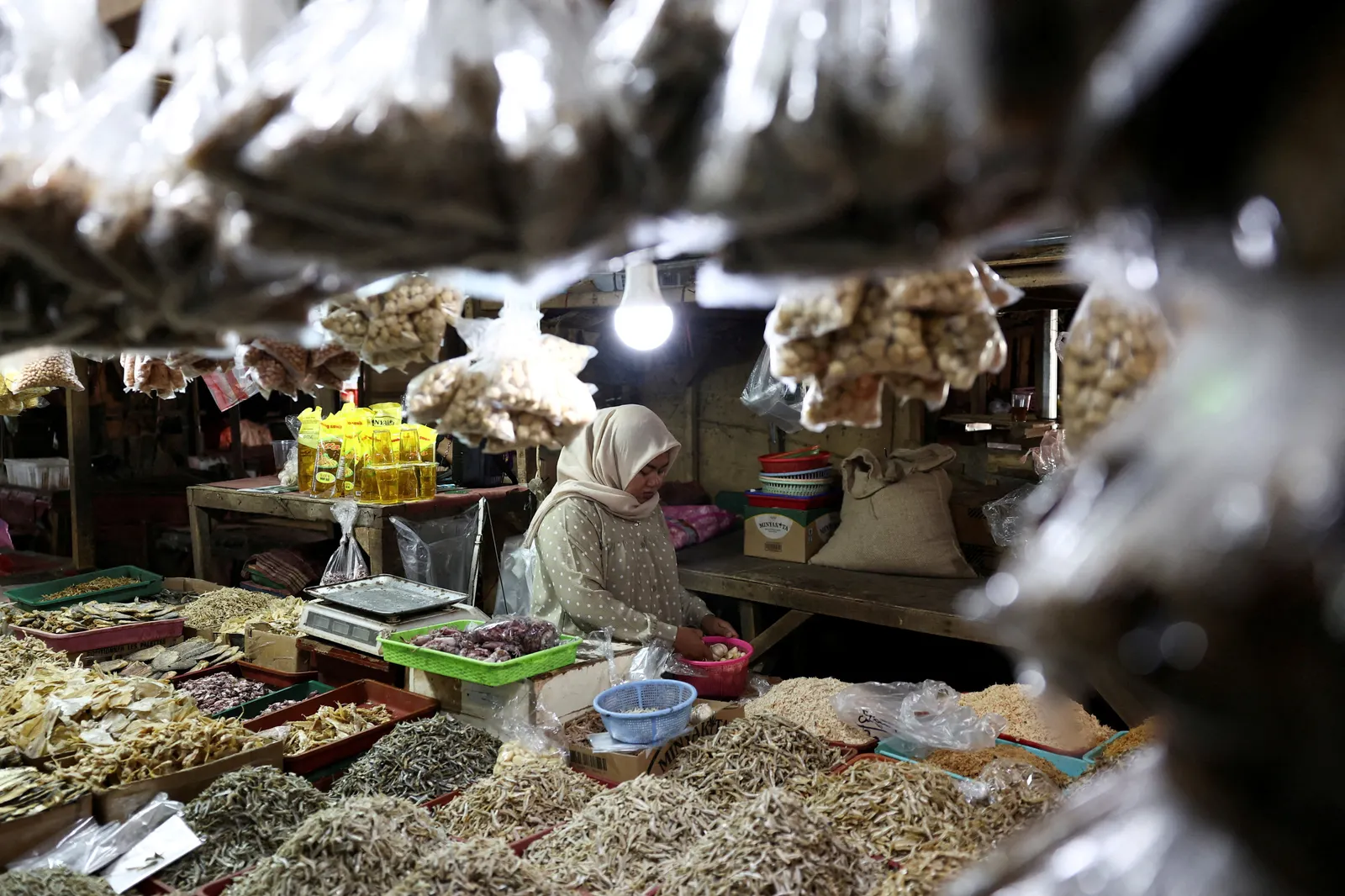
Household consumption typically rises by 15 to 20 per cent during the period, with regional micro, small and medium enterprises seeing income increases of 50 to 70 per cent due to the strong multiplier effect generated by festive spending.