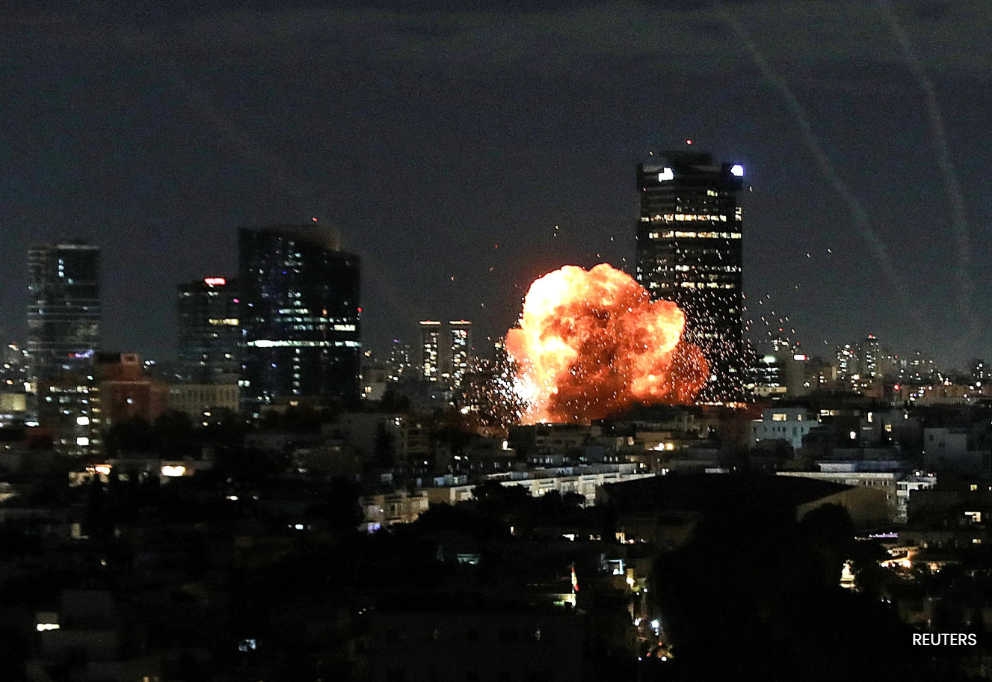
LONDON/SYDNEY, March 23 — Global shares slid on Monday while United States (US) bond yields hit eight-month peaks as the US and Iran traded escalating threats and Israel planned for "weeks" more fighting, sending oil prices on another roller-coaster ride.
On Sunday, Tehran said it would strike the energy and water systems of its Gulf neighbours if US President Donald Trump followed through with a threat to hit Iran's electricity grid within 48 hours, extinguishing any hope of an early end to the war, now in its fourth week.
Trump warned that Iran had two days to fully open the vital Strait of Hormuz, which is effectively closed to most vessels and has little prospect of naval protection for shipping, with the deadline set for 2344 GMT on Monday.
MSCI's broadest index of global stocks ticked 0.6 per cent lower on Monday, adding to over 7.4 per cent of losses for the month.
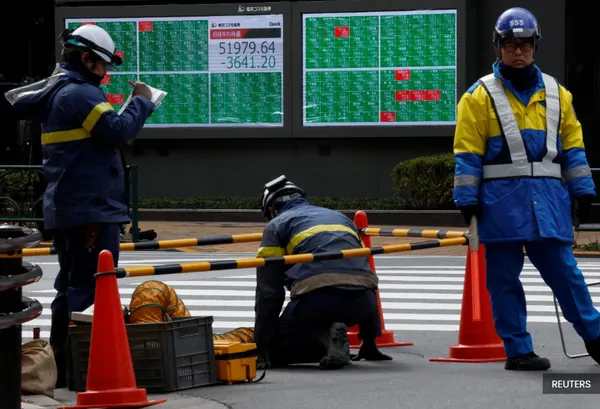
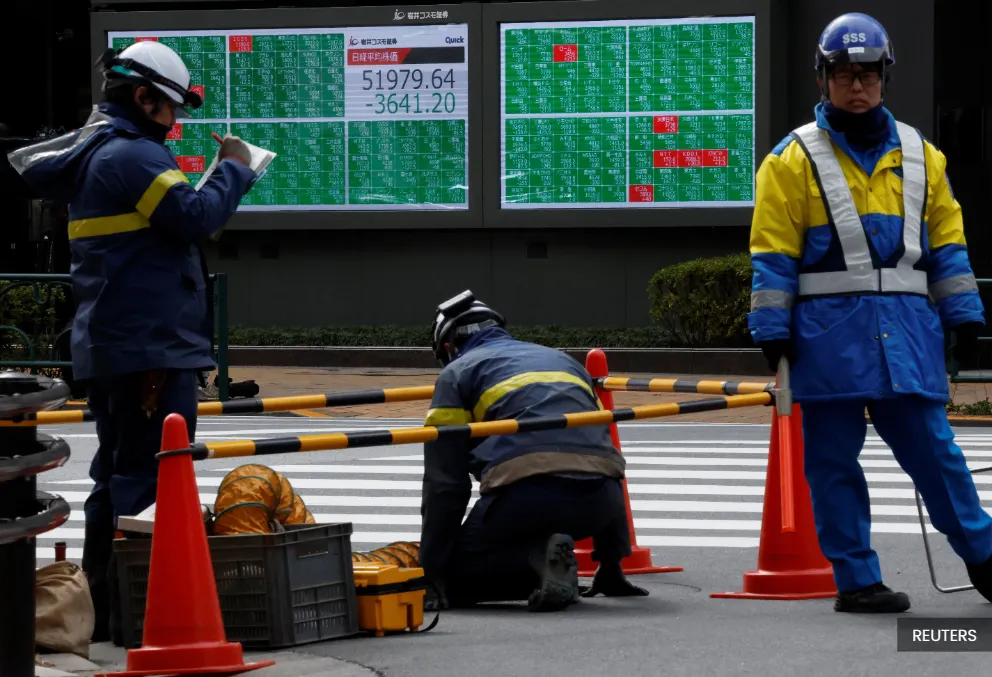
Japan's benchmark Nikkei fell 3.5 per cent, and nerves finally hit China, where blue chips headed for their heaviest beating since US tariffs hit markets last year.
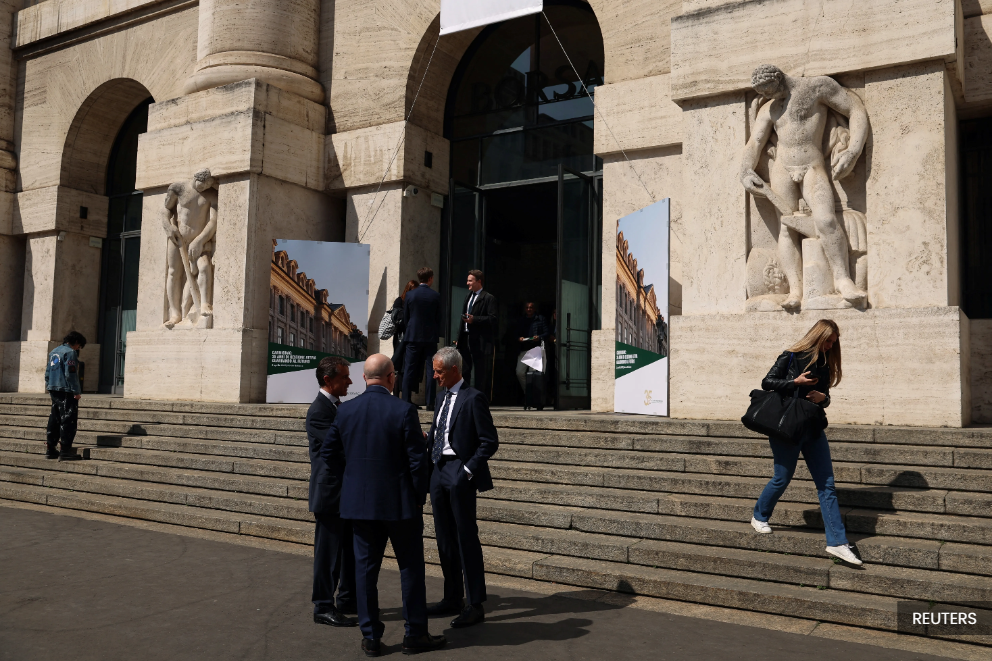
European shares opened lower, falling to a four-month low, led by the defence sector, as a spike in crude prices prompted investors to factor in potential inflationary pressures amid the intensifying Middle East conflict. The pan-European stocks index was last down 1.75 per cent.
S&P 500 futures slipped 0.6 per cent, while Nasdaq futures lost 0.7 per cent.
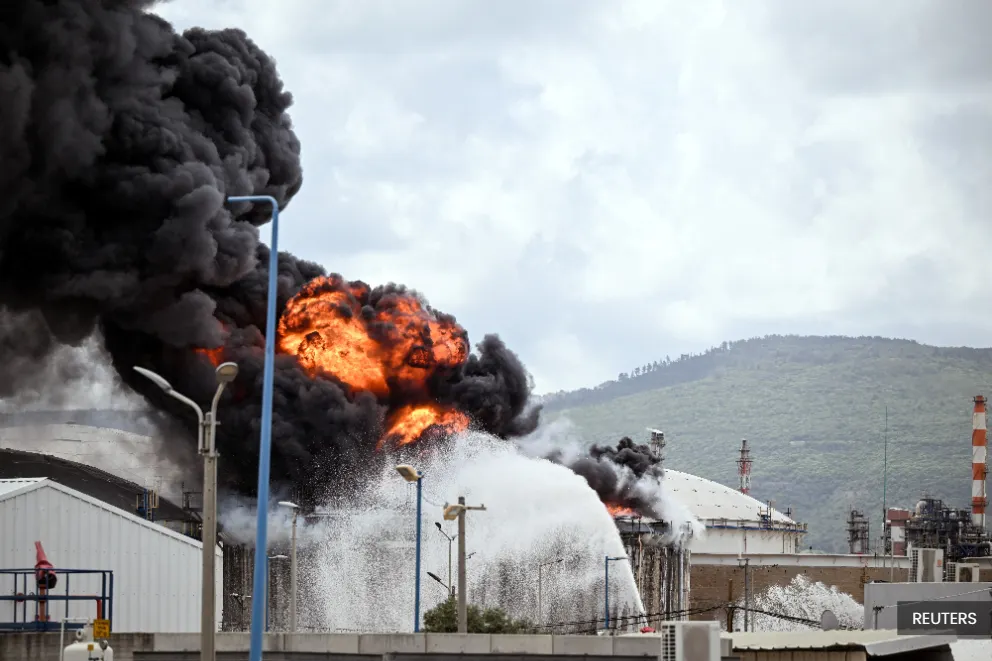
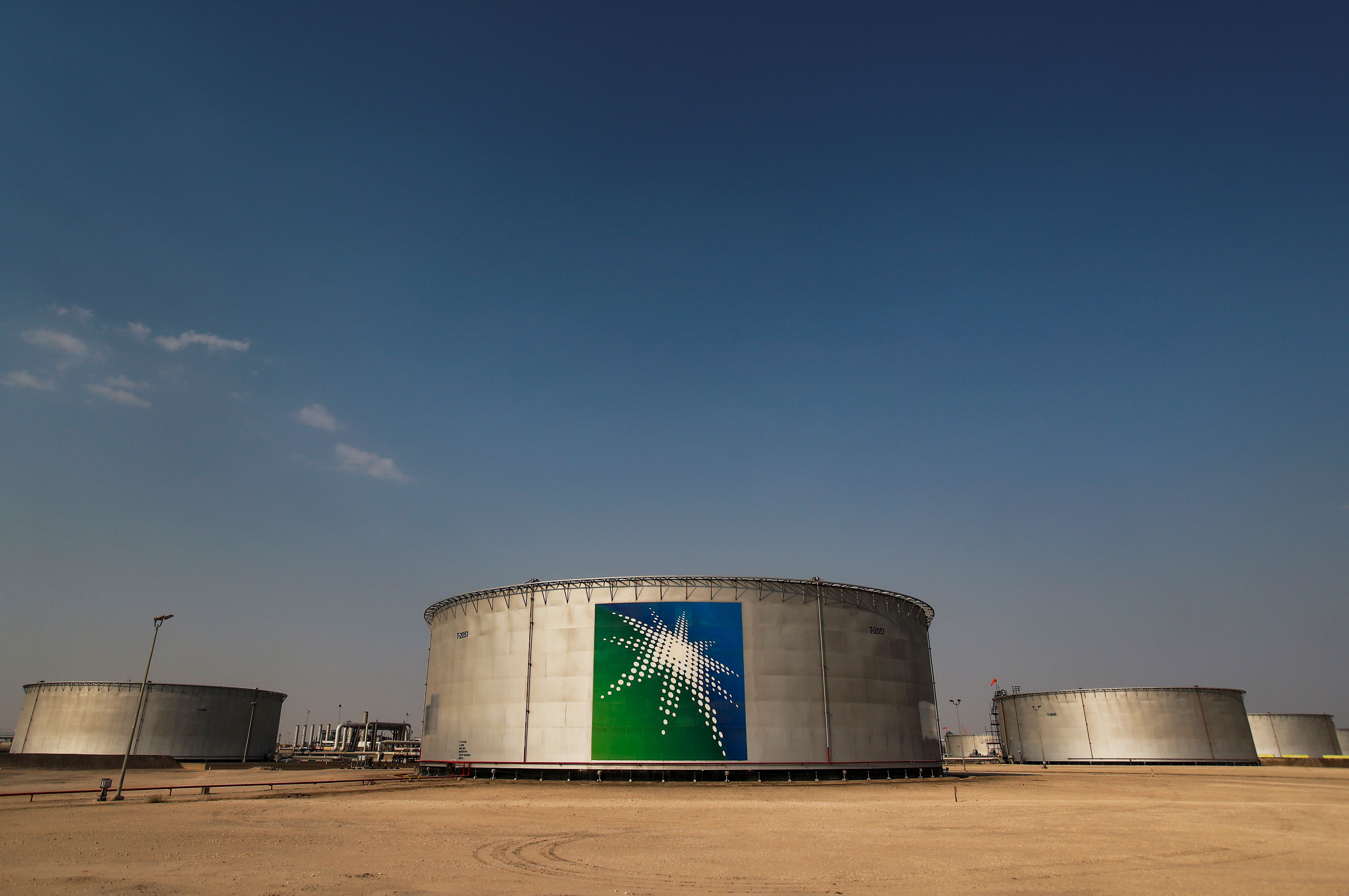
Oil prices were again choppy, with Brent last up 0.8 per cent at US$113.20 a barrel, more than 55 per cent higher for the month so far. US crude gained 0.9 per cent to US$99.15.
Near-term supplies have been aided by the US allowing Iranian and Russian oil to be sold from tankers, but the growing risk of longer-term shortages was lifting futures down the curve. September Brent, for instance, was up US$2 at US$93.90, suggesting high prices were here to stay.
"Far from providing reassurance that the conflict could be resolved, Trump’s ultimatum to Iran over the Strait of Hormuz has sent another jolt of worry through markets," said British brokerage Wealth Club's chief investment strategist Susannah Streeter.
Analysts at HSBC noted Singapore jet fuel was up 175 per cent this year to a multi-decade high, while Asian liquefied natural gas has climbed 130 per cent. Bunker fuel used in shipping has blown out, raising the cost of transporting goods, while surging fertiliser prices will make food more expensive.
International Energy Agency boss Fatih Birol warned that the crisis was "very severe" and worse than the two oil shocks of the 1970s combined.
Say goodbye to rate cuts
The inflationary pulse from energy has led markets to abandon hopes for further monetary easing globally and to price in rate hikes across most developed nations.
Futures have wiped out expectations for 50 basis points of easing from the US Federal Reserve this year, with even a small chance the next move could be up.
The hawkish sea change has hammered bonds and sent yields climbing, adding to borrowing costs for many governments already struggling with deficits and debt.
The prospect of higher costs and softer consumer demand has clouded the outlook for corporate profits, while the jump in yields has made equity valuations look ever more stretched.
The energy shock, combined with pressure on fiscal budgets from higher defence spending, saw double-digit increases in bond yields globally last week.
Ten-year US Treasury yields hit a nine-month high of 4.4274, having climbed a steep 44 basis points since the war began.
The heightened market volatility has tended to benefit the US dollar as a store of liquidity. The US is also a net energy exporter, giving it a relative advantage over Europe and much of Asia, which are net importers.
The euro was a shade lower at US$1.1514, but some way from major supports at US$1.1409 and US$1.1392.
The dollar was 0.1 per cent firmer versus the yen at 159.45, just off a 20-month high of 159.88, with investors wary that a break above 160 could trigger intervention from Japan.
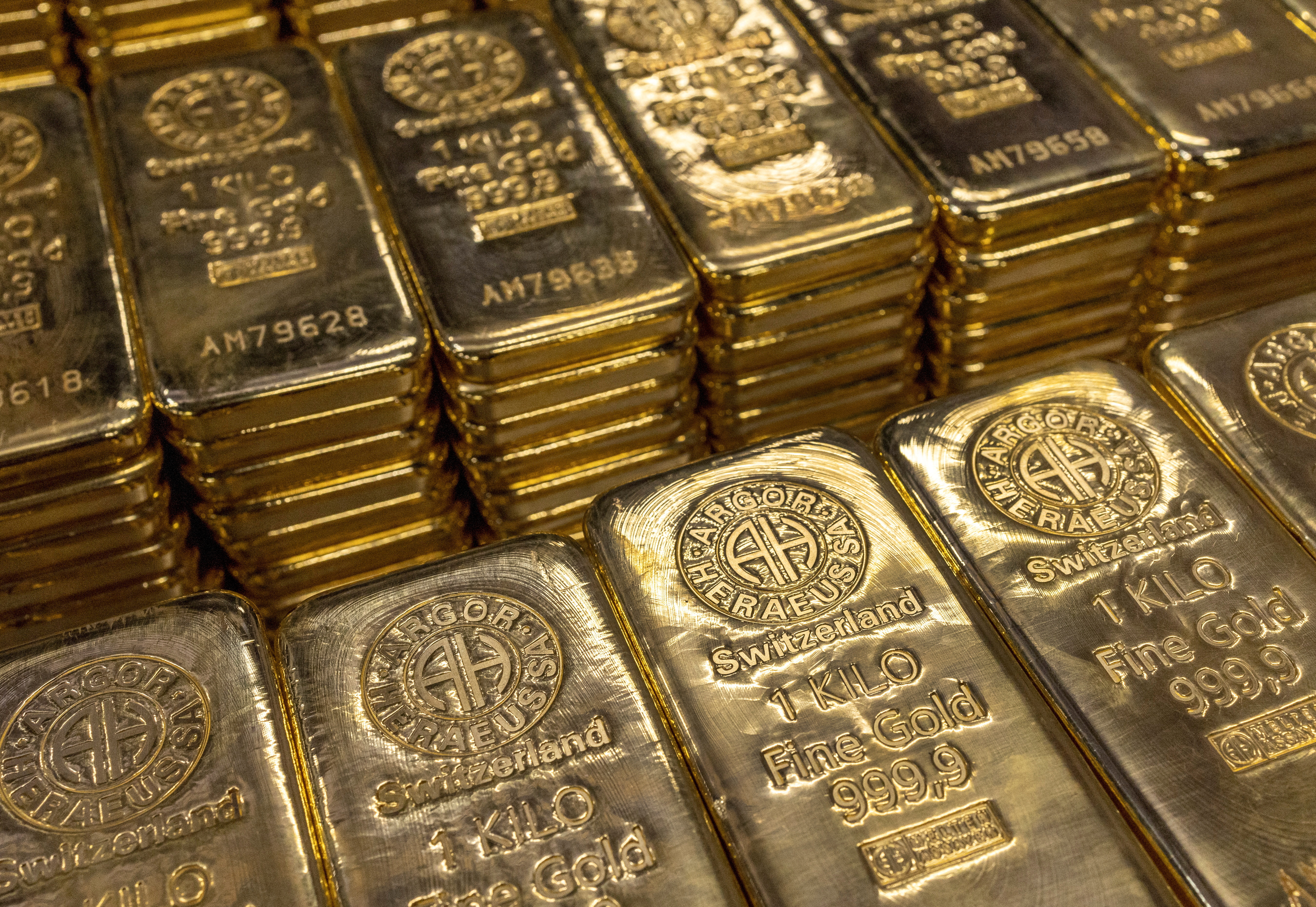
In commodity markets, gold slipped 4.35 per cent to US$4,300 an ounce, having lost ground as investors wager on higher global interest rates.