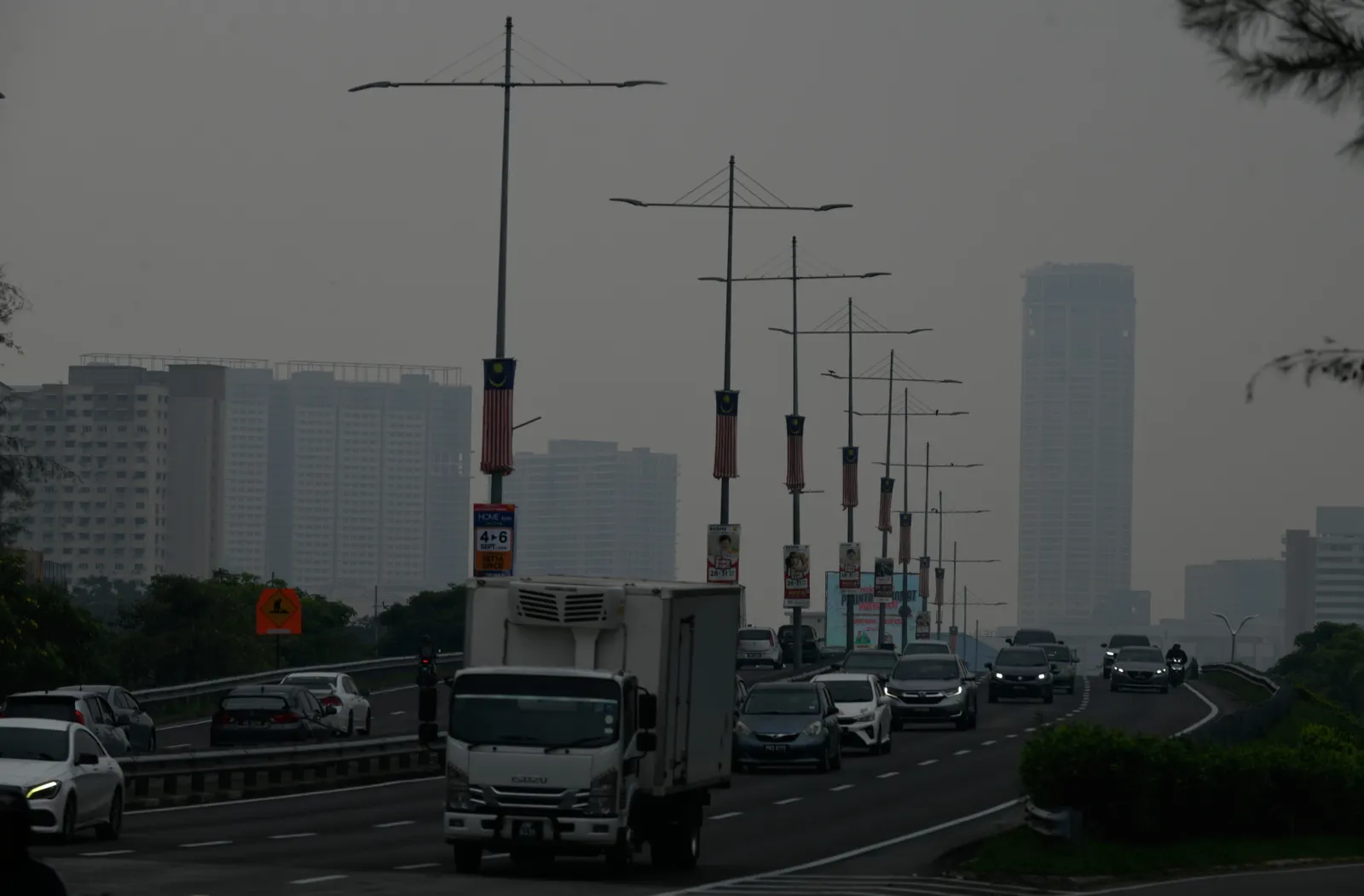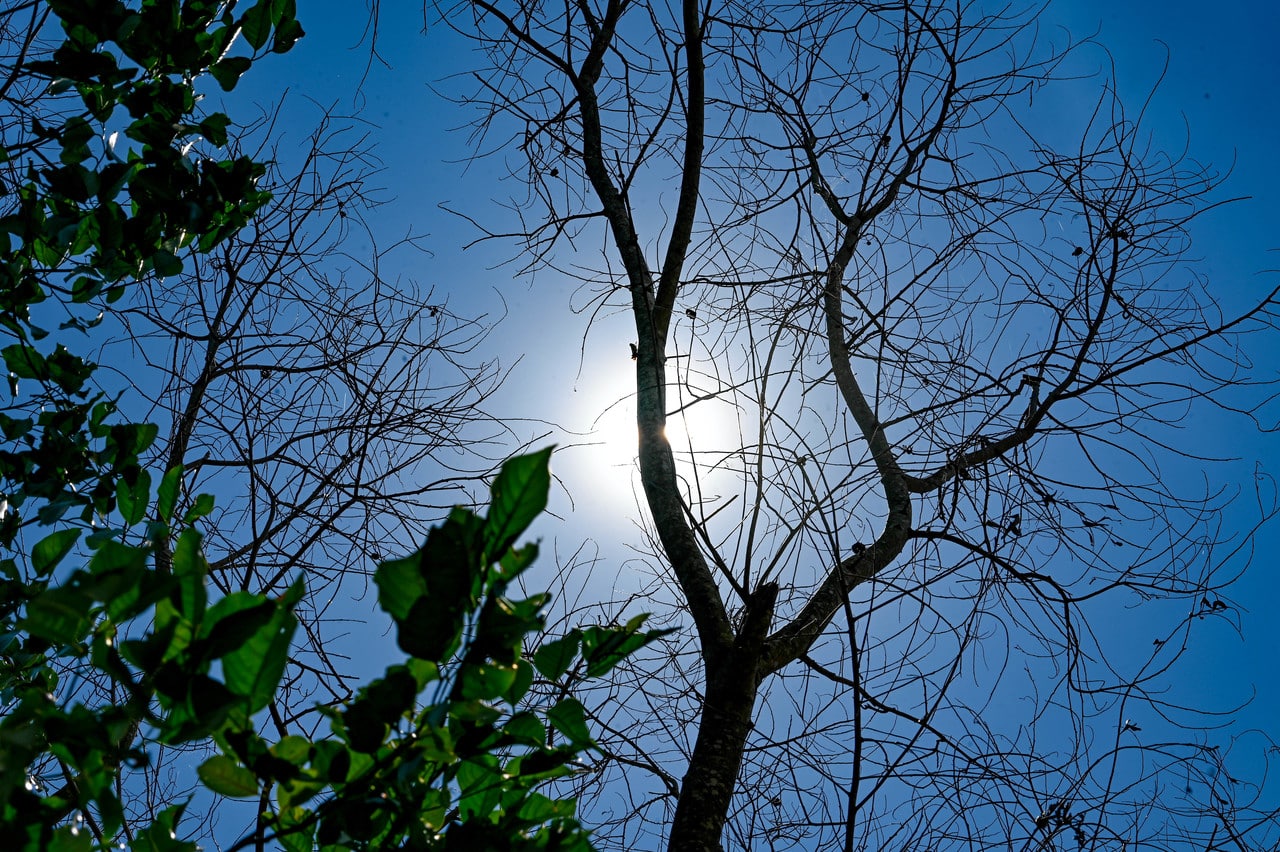
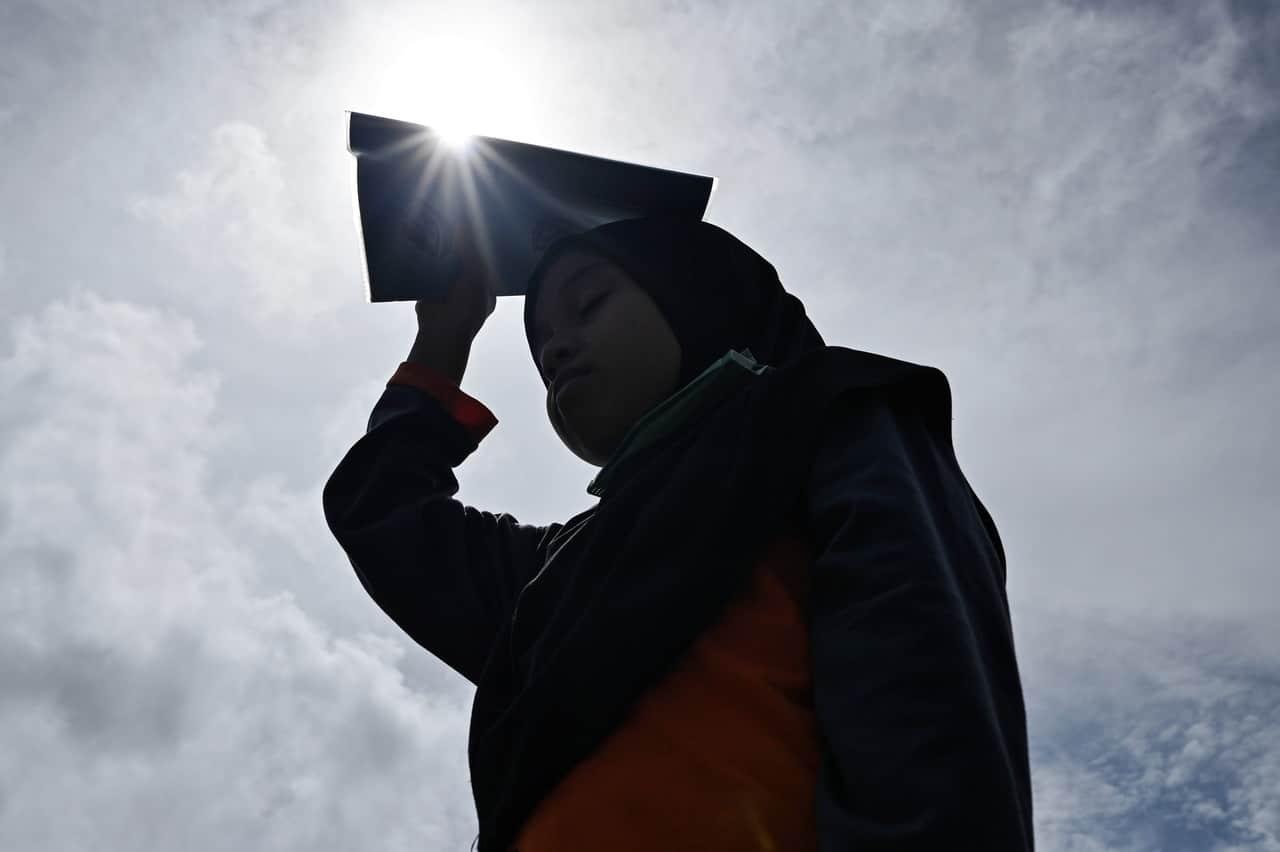
KUALA LUMPUR, March 23 — The prolonged hot and dry weather not only affects health, but also risks disrupting ecosystem balance, increasing the likelihood of drought and forest fires, as well as affecting surface water sources such as rivers and dams.
The Natural Resources and Environmental Sustainability Ministry's National Climate Change Consultative Panel member S. Mogesh said a prolonged dry spell could disrupt natural systems and the country’s socio-economic stability.
“In the agricultural sector, prolonged hot weather can reduce crop yields and affect livestock productivity, which in turn has implications for the country’s food security.
“Prolonged hot and dry weather will also cause a sharp increase in electricity demand due to higher use of air-conditioning, thereby putting pressure on the energy system and potentially increasing carbon emissions if it relies on fossil fuels,” he told Bernama.
Mogesh added that a more worrying concern is the long-term impact of the situation in urban areas, such as the ‘urban heat island’ phenomenon, which makes cities hotter than surrounding areas.
“This situation not only affects quality of life, but also increases dependence on energy for cooling. Measures must be taken to strengthen adaptation efforts, such as more efficient water resource management, green urban planning, and effective early warning systems,” he said.
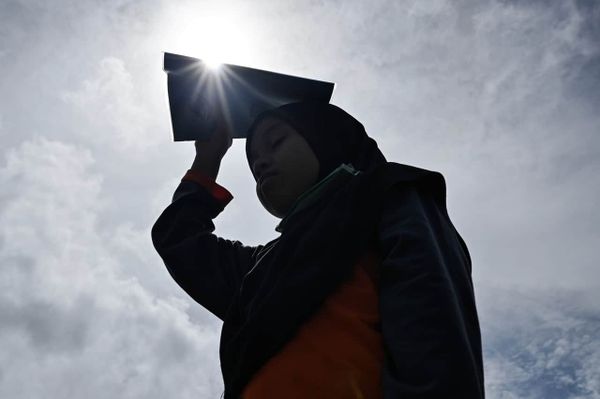
Meanwhile, Universiti Kebangsaan Malaysia public health specialist Prof Dr Sharifa Ezat Wan Puteh said children, pregnant women, and the elderly are at higher risk of being affected by heatwaves as their bodies have a more limited ability to regulate temperature.
In this regard, she advised the public to stay hydrated by drinking plenty of water, wear loose, light-coloured clothing, and ensure good ventilation in vehicles and at home.
“When indoors or in a vehicle, make sure the surrounding ventilation is good by opening windows or using air-conditioning. In addition, bathe frequently and drink water to reduce body heat,” Dr Sharifa said.
She also reminded parents to be alert to signs of fever and heatstroke in children and to seek immediate treatment if a child develops a fever after prolonged exposure to hot weather.
“Avoid playing outdoors when the weather is extremely hot and reduce prolonged sports or recreational activities,” Dr Sharifa said.