TOKYO, March 23 — The Bank of Japan (BOJ) is laying the groundwork for tweaks to its policy language in April, keeping alive the chance of a near-term interest rate hike as the weak yen and Middle East conflict pile inflationary pressures on the economy.
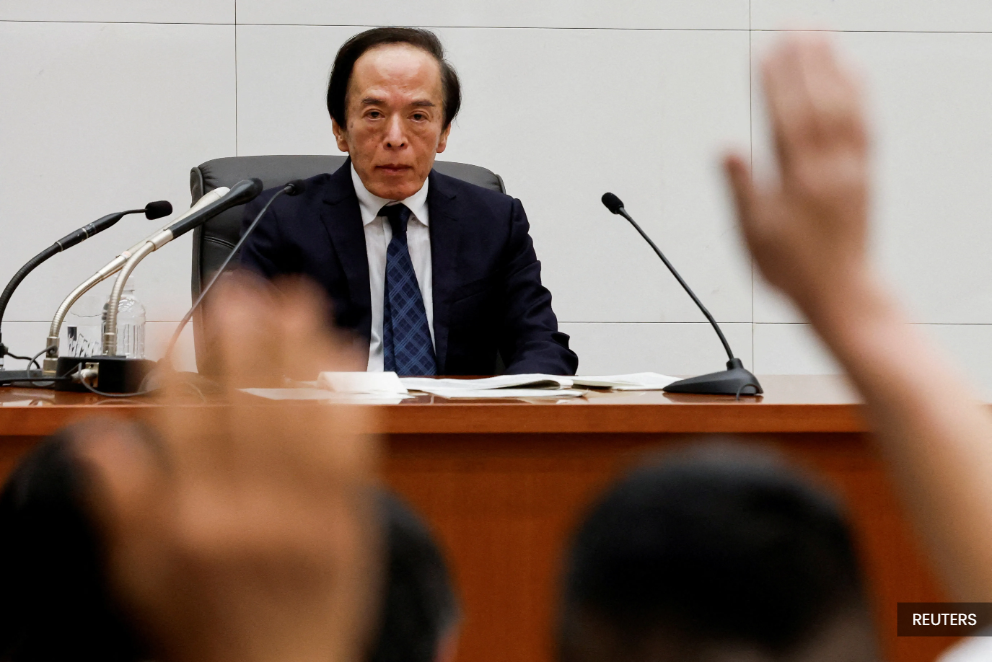
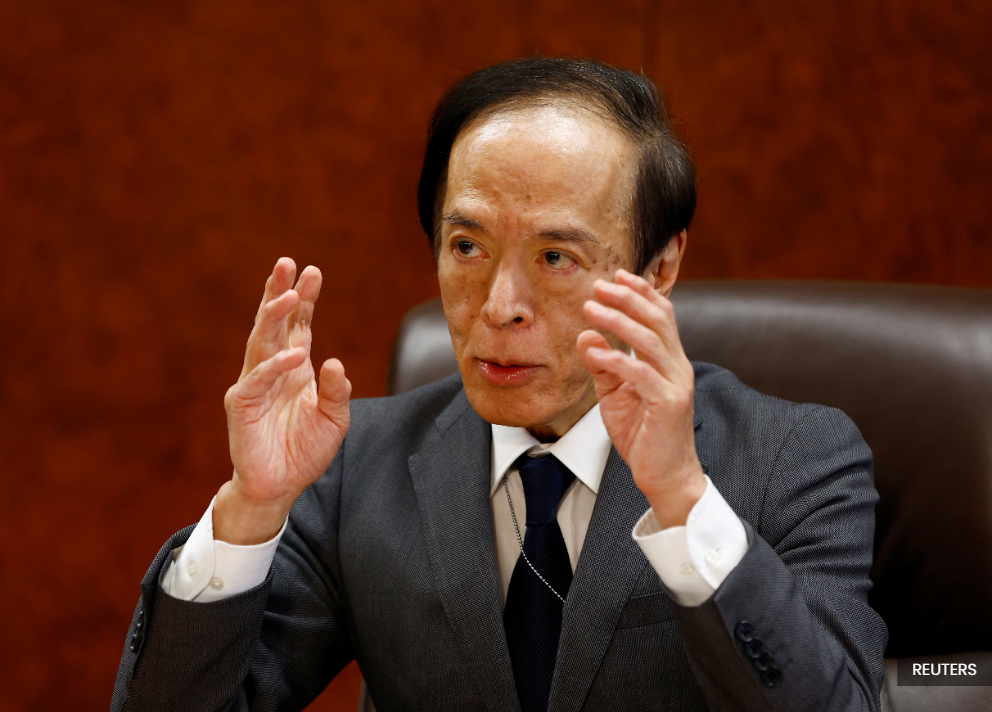
While the central bank kept rates steady last week, Governor Kazuo Ueda signalled that the bank was shifting away from a focus on downside risks to the economy, which had required a slow, cautious approach to raising borrowing costs.
For one, the board will debate next month, tweaking guidance that rate increases would come "in accordance with improvements" in the economy; language seen by some analysts as ruling out the chance of a hike when growth was under pressure.
"Even if the economy comes under downward pressure, if we judge that such downward pressure would be temporary and will not affect underlying inflation, it would be possible for us to raise interest rates," he said in unusually hawkish remarks that contrast with his typical emphasis on risks to growth.
Analysts said that any such change would leave scope for the BOJ to hike rates, even if the board cuts its growth forecasts in new quarterly forecasts due at the April 27 to April 28 policy meeting.
Changing the story on inflation
Another tweak Ueda revealed was a plan to disclose, by summer, a new inflation indicator and an updated staff estimate of Japan's neutral interest rate, a move he described as part of the BOJ's efforts to enhance communication.
The new price gauge adds to the data the BOJ uses to determine Japan's underlying inflation, or price moves driven by domestic demand rather than cost-push factors.
While the central bank already releases estimates of consumer inflation excluding the impact of fresh food and fuel costs, such indices have been swayed by various government steps to cushion the blow to households from rising living costs.
The new indicator will strip away the effect of government measures that aim to push down inflation, including subsidies to slash school tuition fees and gasoline bills.
Analysts have noted that the gauge is expected to help the BOJ argue that underlying inflation remains on track to reach and stabilise at two per cent, even if headline inflation briefly slides below that level.
"All else equal, such new measures could potentially help the BOJ to navigate through short-term disinflationary measures and justify a faster pace of rate hikes," said Amova Asset Management chief global strategist Naomi Fink.
Meanwhile, Nomura Securities executive rates strategist Mari Iwashita said that the BOJ could start releasing the new indicator in April and revise up its price forecasts to account for rising import costs from a weak yen.
"The BOJ appears to be doing what it can, including on the communication front, to proceed with policy normalisation. It seems well prepared for the next rate hike," she said.
Monetary policy and politics
Yet with the escalation of Middle East tensions jolting markets, there is no guarantee the BOJ can convince markets and the dovish Prime Minister Sanae Takaichi of the need for further rate hikes.
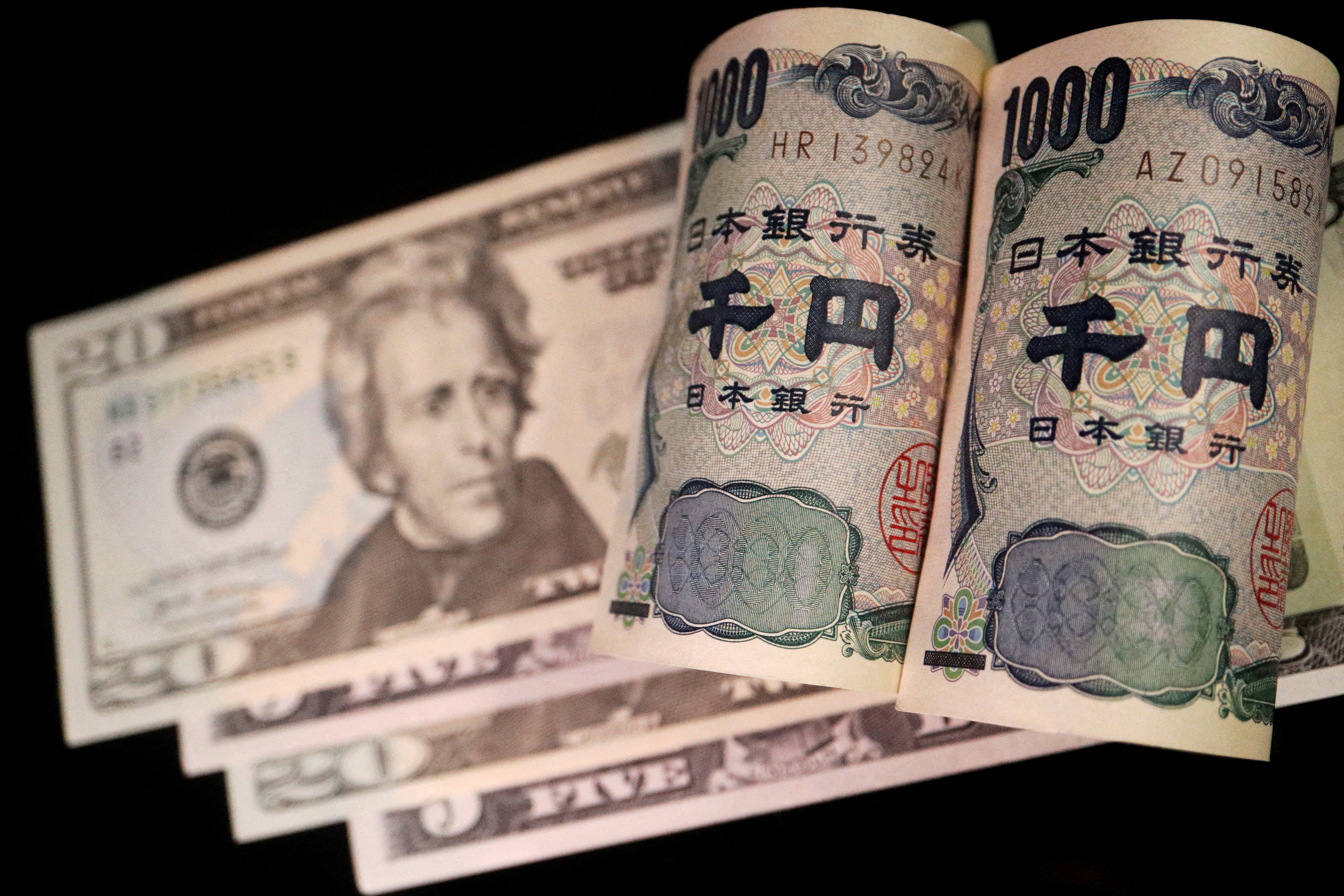
Ueda's hawkish remarks failed to sustain a rebound in the yen, which fell near the key 160-per-dollar mark today, disappointing policymakers fretting about rising import costs from the currency's weakness.
Japan's heavy reliance on imports makes its economy vulnerable to surging fuel costs caused by the conflict.
As a sign of her focus on propping up growth, Takaichi has signalled the possibility of compiling an additional budget to ramp up stimulus. Two government sources told Reuters that her reservations about near-term rate increases have not budged, with one saying the government may not signal an April hike.
Ueda played down the likelihood of a rift, saying the government's view of underlying inflation likely did not deviate much from the BOJ's. With the weak yen and rising fuel costs piling inflationary pressure on Japan, markets still see roughly a 60 per cent chance of an April rate hike.
But former BOJ executive Akira Otani, who is currently managing director at Goldman Sachs Japan, expects the central bank to wait until July for evidence that the hit to profits from the Iran war does not discourage smaller firms from hiking wages.
"Given uncertainty over Middle East developments and comments from the government, we see the hurdle for an April rate hike as quite high. For the BOJ, deciding on an April rate hike will not be as easy as markets expect," he said.