PHNOM PENH, March 23 — Tensions in West Asia are swelling, prompting governments across the region, from Vientiane to Yangon, to implement unconventional measures to curb energy consumption and rein in surging fuel prices.
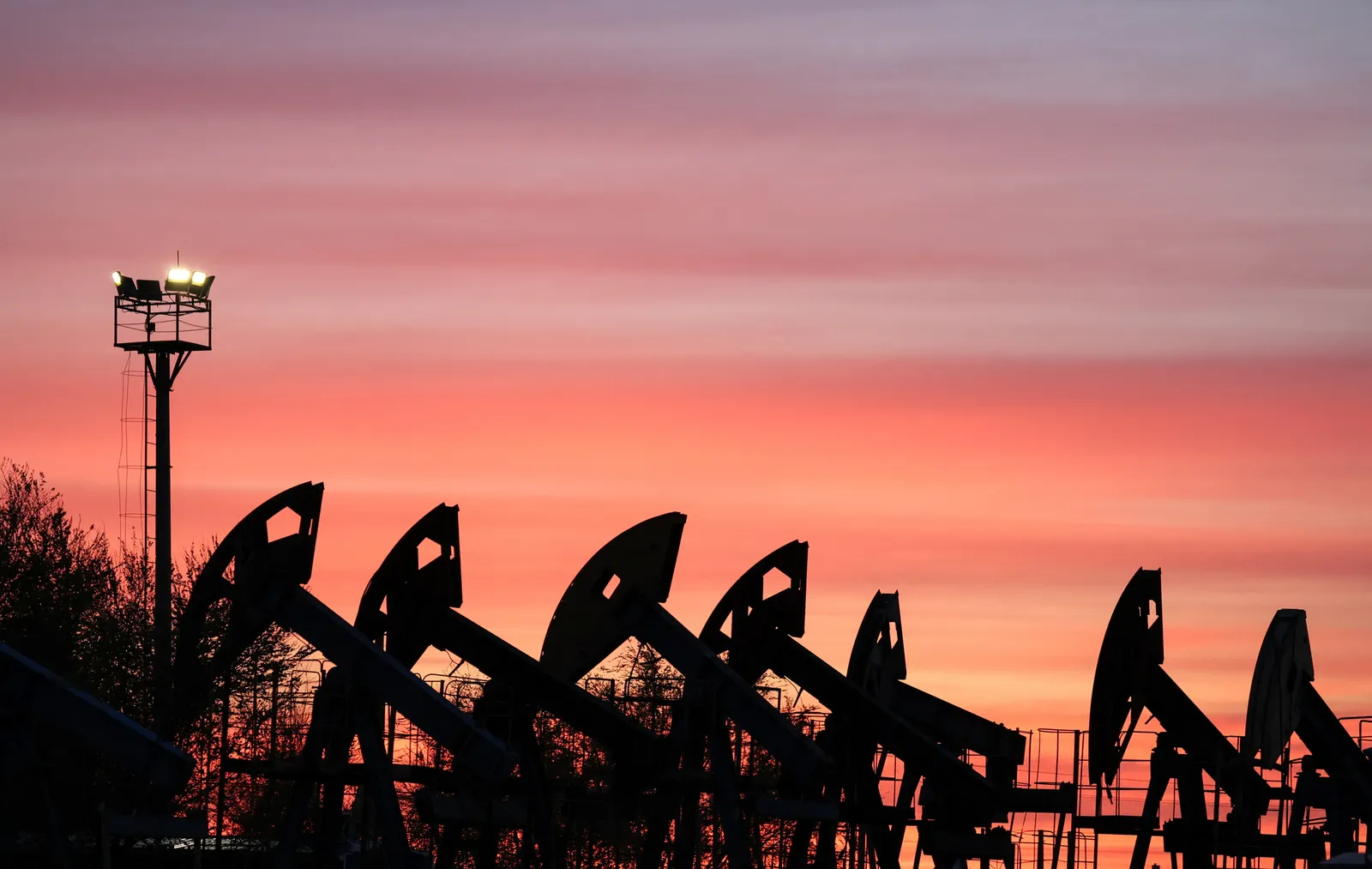
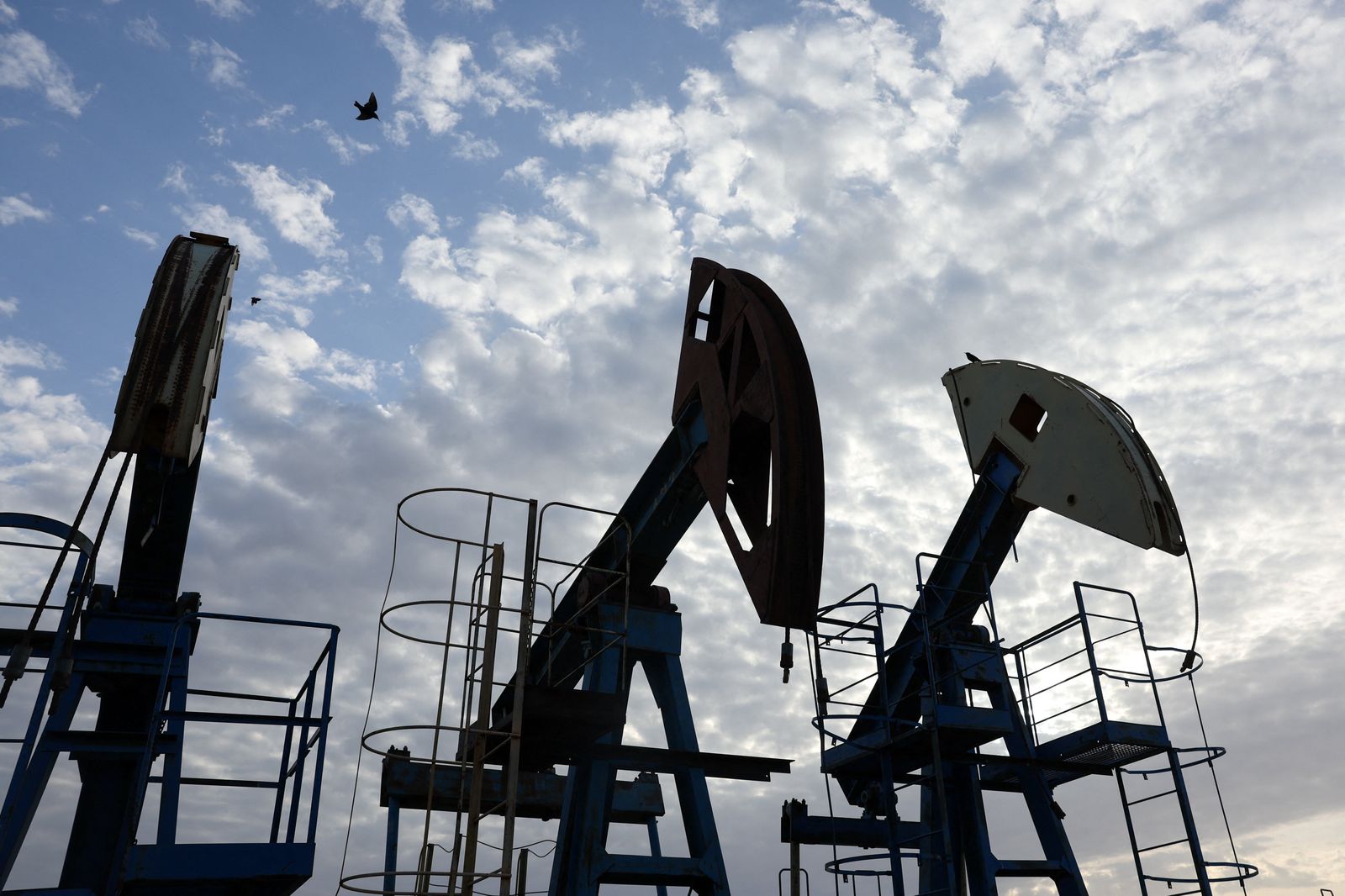
Rising oil and gasoline prices, driven by disruptions in the Persian Gulf supply chain, are becoming a nightmare.
They are disrupting daily lives and forcing citizens and businesses to recalibrate.
Working from home, cutting school days, and reducing air-conditioning temperatures are being vigorously pursued against the backdrop of the fuel crisis, from tiny Laos to energy-scarce Myanmar and landlocked Cambodia.
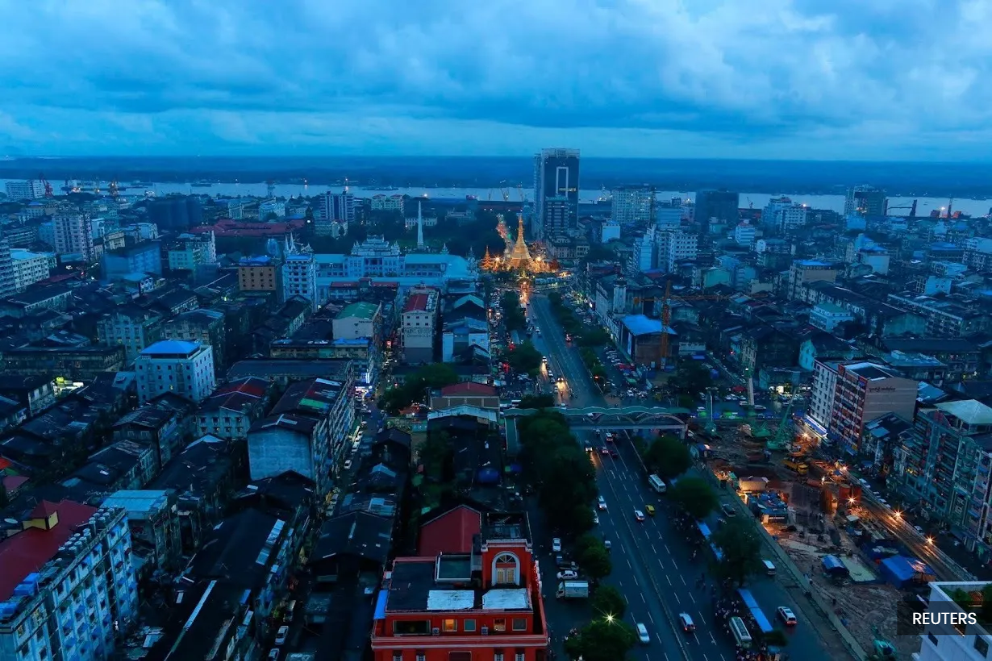
The incoming Myanmar government has announced a new directive requiring government departments to implement remote working every Wednesday, starting on Wednesday (March 25).
State media The Global New Light of Myanmar reported today that this additional measure comes after the earlier odd-even vehicle rotation directive and fuel rationing purchase structure; pre-emptive measures to plug potential fuel shortages.
“All government officers and staff are required to perform their duties from their respective homes or hostels every Wednesday, rather than commuting to their offices.
“As the primary objective of this measure is fuel conservation, officers and staff must refrain from any non-essential travel or vehicle use on these designated days,” said the National Defence and Security Council.
On March 20, the International Energy Agency 20 cautioned of the worsening fuel crisis caused by the war in West Asia and urged governments, businesses, and households to adjust to the supply crisis.
“The war in West Asia is creating a major energy crisis, including the largest supply disruption in the history of the global oil market.
“In the absence of a swift resolution, the impacts on energy markets and economies are set to become more and more severe,” said IEA Executive Director Fatih Birol, according to the agency’s website.
Earlier, crude oil was trading at about US$100 (RM394) per barrel due to war-driven supply scarcity, compared with roughly US$60 (RM236) to US$68 (RM268) per barrel for both Brent and WTI in February, just before the military conflict.
Laos, a country of 7.7 million people, is also facing the effects of the oil crisis that started after the United States and Israel launched joint attacks on Iran on February 28.
The Vientiane Times reported that the Laotian Prime Minister’s Office has ordered a reduction in the number of school days from the usual five to just three per week, in response to rising prices and ongoing shortages.
“(In addition) as an intermediate measure, authorities will shift schools and educational institutions with adequate capacity to online learning if the situation worsens or persists.
“Schools that lack the necessary infrastructure and technology will be allowed to temporarily suspend classes,” it said.
Similarly, Cambodian Prime Minister Hun Manet’s government announced several measures to curb fuel and electricity consumption, such as improved traffic management during peak periods and reduced long-distance official travel.
Several ministries have announced energy-saving measures such as setting the air conditioner temperature in offices, conference rooms and classrooms at 25°C.