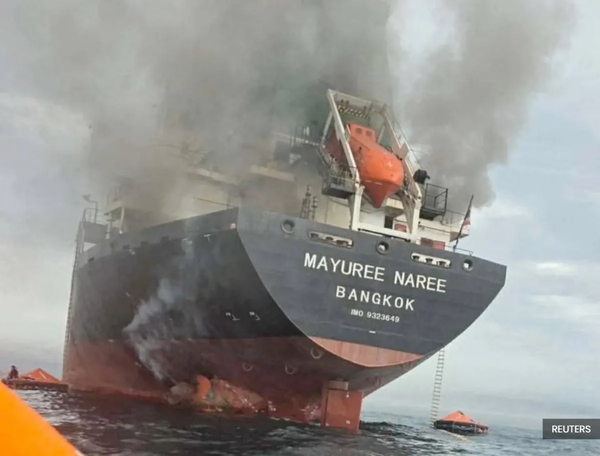
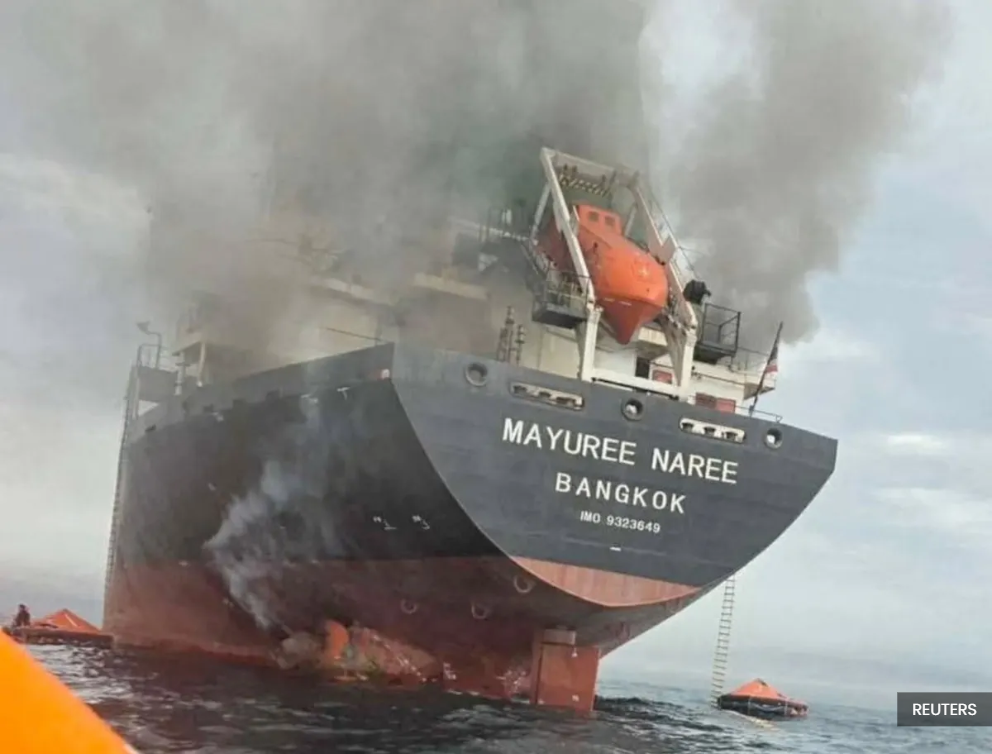

BRUSSELS, March 20 — The International Energy Agency (IEA) has urged governments, businesses, and households worldwide to adopt immediate measures to cut oil demand as the war in West Asia triggers the largest supply disruption in global oil markets.
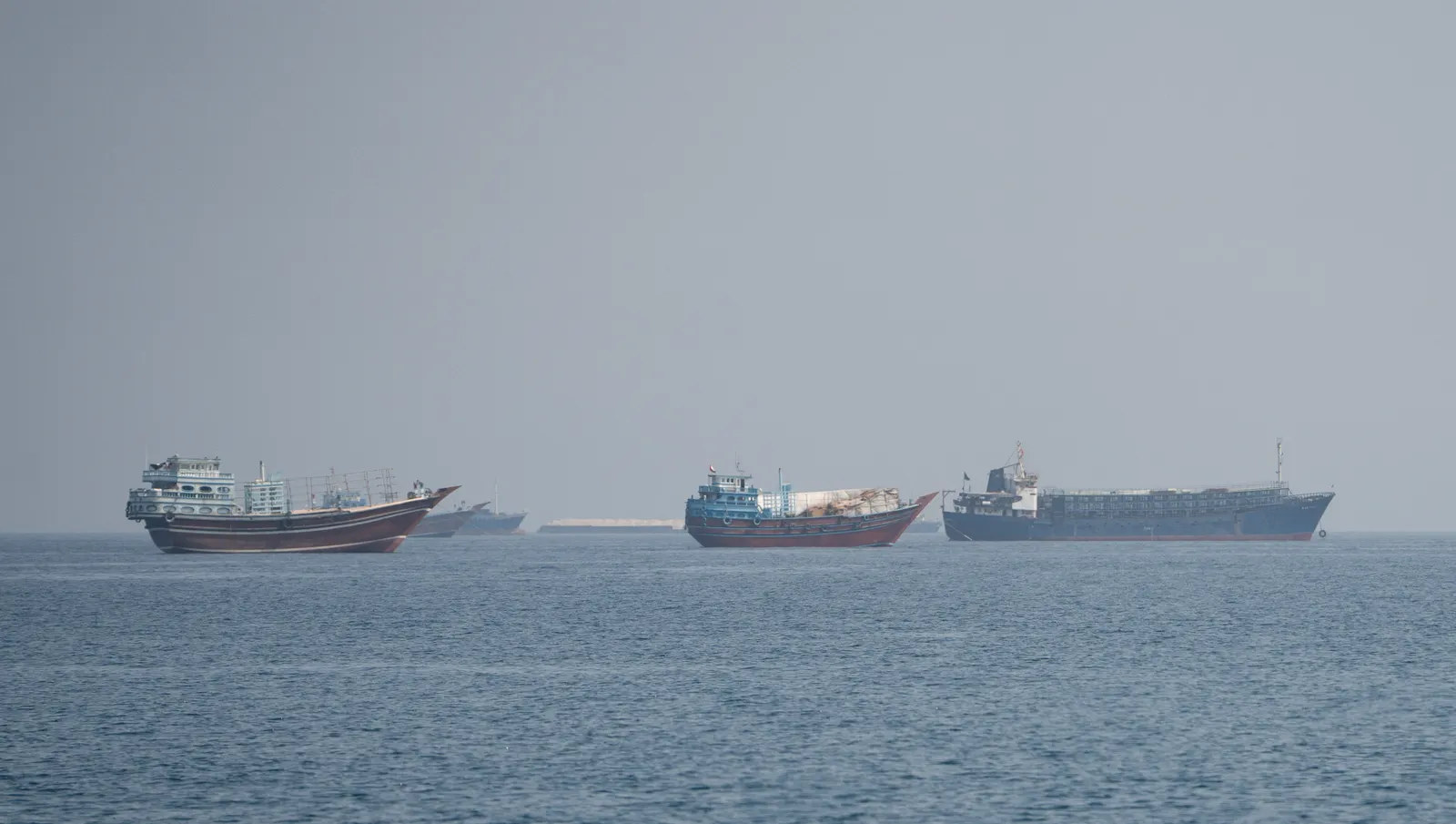
Anadolu Ajansı reported it as saying that the conflict has sharply reduced shipments through the Strait of Hormuz, which normally carries about 20 per cent of the world’s oil.
The resulting shortage has pushed crude prices above US$100 per barrel and sent diesel, jet fuel, and liquefied petroleum gas (LPG) prices soaring.
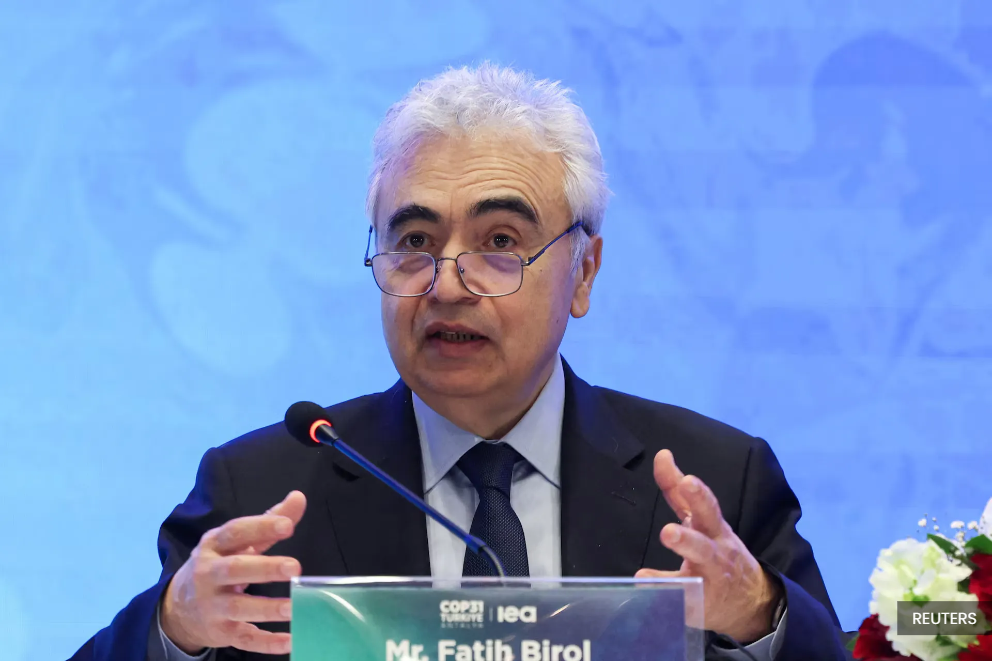
"The war in the Middle East is creating a major energy crisis, including the largest supply disruption in the history of the global oil market. In the absence of a swift resolution, the impacts on energy markets and economies are set to become more and more severe," IEA Executive Director Fatih Birol said in a statement.
The IEA also called for the rapid adoption of measures such as remote working to reduce commuting, lowering highway speed limits, promoting public transport, and limiting private car use through alternating access schemes in major cities.
Car sharing and more efficient driving practices for both personal and commercial vehicles were also highlighted.
Beyond road transport, it urged governments and individuals to reduce non-essential air travel to ease pressure on jet fuel markets and to prioritise LPG for cooking, encouraging modern alternatives like electric cooking where feasible.
For industries, switching from LPG to alternative feedstocks and implementing efficiency measures could help free up fuel for essential needs.
The IEA stressed that while these demand-side measures cannot fully replace the lost supply, widespread implementation can help lower costs for consumers, reduce market strain, and preserve fuel for critical uses until normal flows through the Strait of Hormuz resume.
Regional tensions in West Asia have escalated since Israel and the United States launched a joint offensive on Iran on February 28, killing more than 1,200 people, including then Supreme Leader Ali Khamenei.
Iran has retaliated with drone and missile attacks across the region and has effectively closed the Strait of Hormuz to most ships, a key oil transit route that normally handles about 20 million barrels per day and roughly 20 per cent of global liquefied natural gas trade.