
STUTTGART, March 20 — The balance of power in the global car market is shifting, with imports of cars and automotive parts from China into Europe surpassing exports from the bloc to China for the first time, according to an analysis by consultancy EY.
The German Press Agency reported that exports of cars and parts from the European Union (EU) to China fell by 34 per cent last year to €16 billion (RM72.87 billion). Since 2022, exports have more than halved.
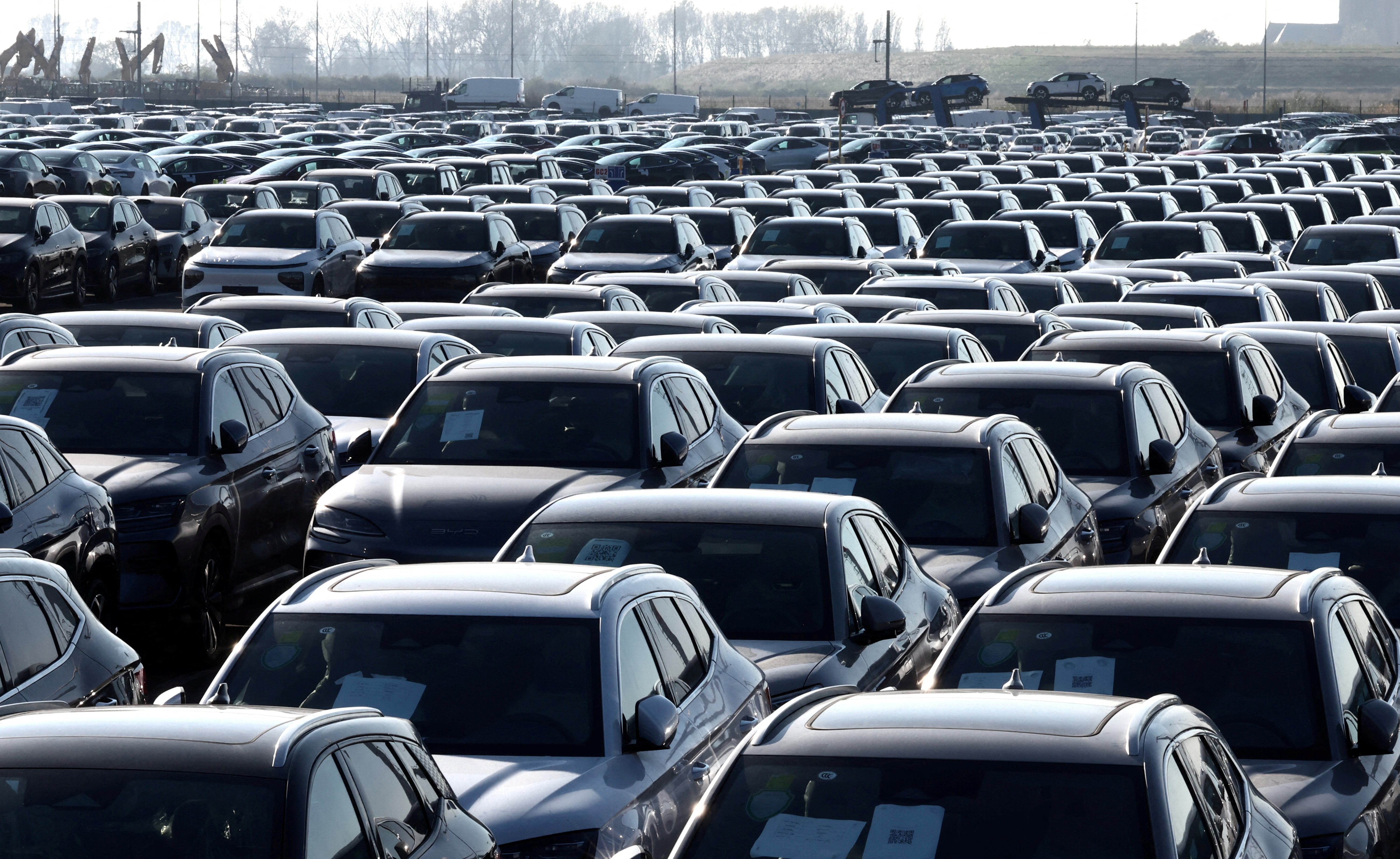
At the same time, imports from China rose by eight per cent to €22 billion (RM100.1 billion), turning an export surplus into a deficit within just a few years.
A similar trend can be seen at the national level. In Germany, Europe’s automotive powerhouse, China ranked only sixth among the country’s manufacturers' export markets in 2025. Although German exports still exceeded imports, the gap has narrowed significantly.
Since the 2022 peak, German exports to China have more than halved from around €30 billion (RM136.6 billion) to €13.6 billion (RM61.94 billion), while vehicle imports from China have risen by two-thirds to €7.4 billion (RM33.70 billion).
The EY analysis stated that if current trends continue, imports and exports could reach parity in 2026.
According to EY expert Constantin Gall, Chinese carmakers currently face challenges in Germany, where Volkswagen, Mercedes-Benz and BMW have so far successfully defended their market shares.
But in other European markets, Chinese manufacturers have already made notable gains.
He added that the competition is expected to intensify further in 2026, increasing pressure on Germany as an automotive production hub.