BUKIT MERTAJAM, March 20 — Prime Minister Datuk Seri Anwar Ibrahim has criticised certain parties for politicising the issue of rising global oil prices even though the crisis stems from international conflicts beyond the country’s control.
At a time when the world was facing geopolitical tensions involving attacks and the West Asian crisis, there were parties who continued to blame the government without considering the global reality.
“There are those who take advantage of this situation when the economy is declining, and oil supply is disrupted. It is not our fault, yet there are still some Opposition members who hurl abuses at us in the current situation.
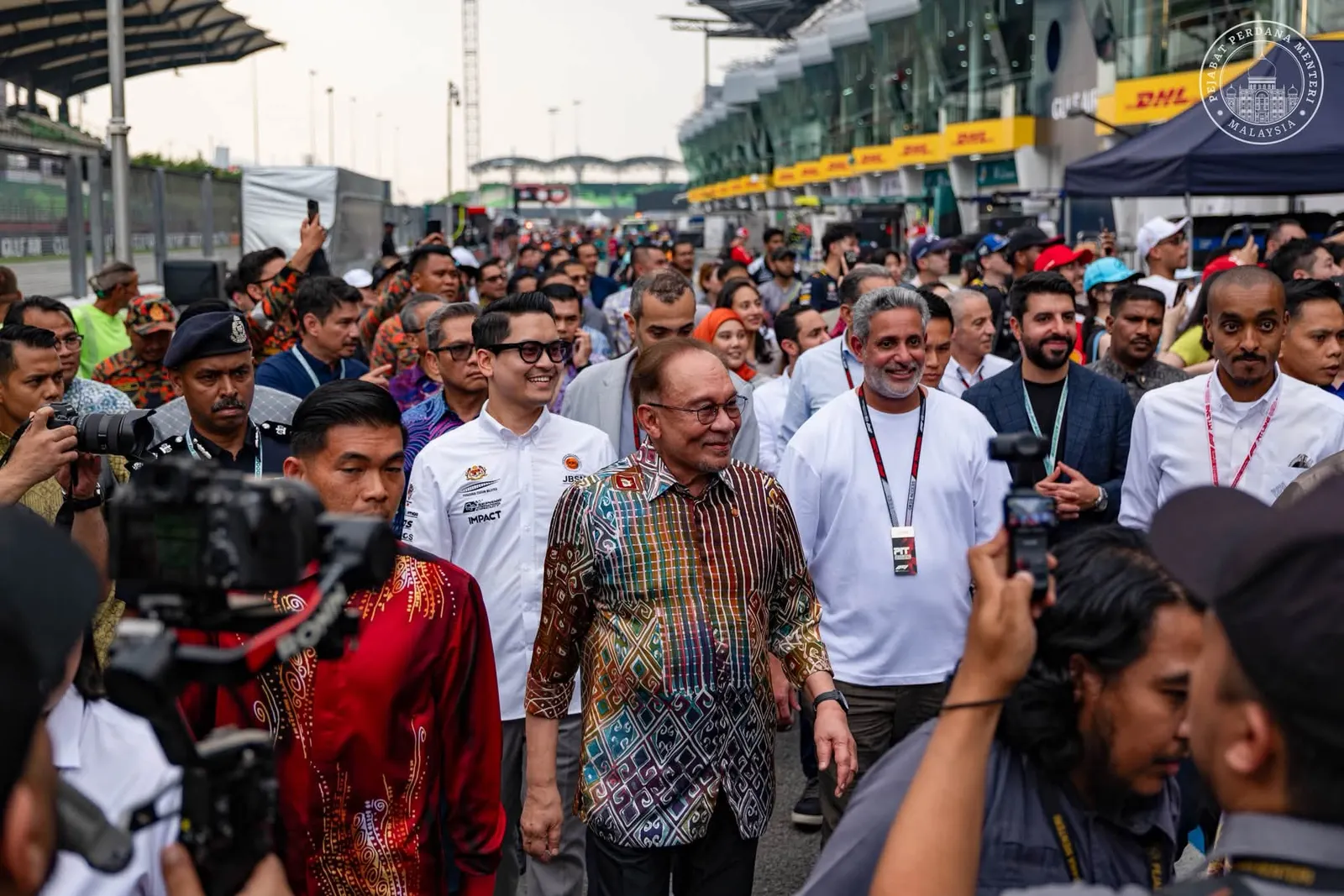
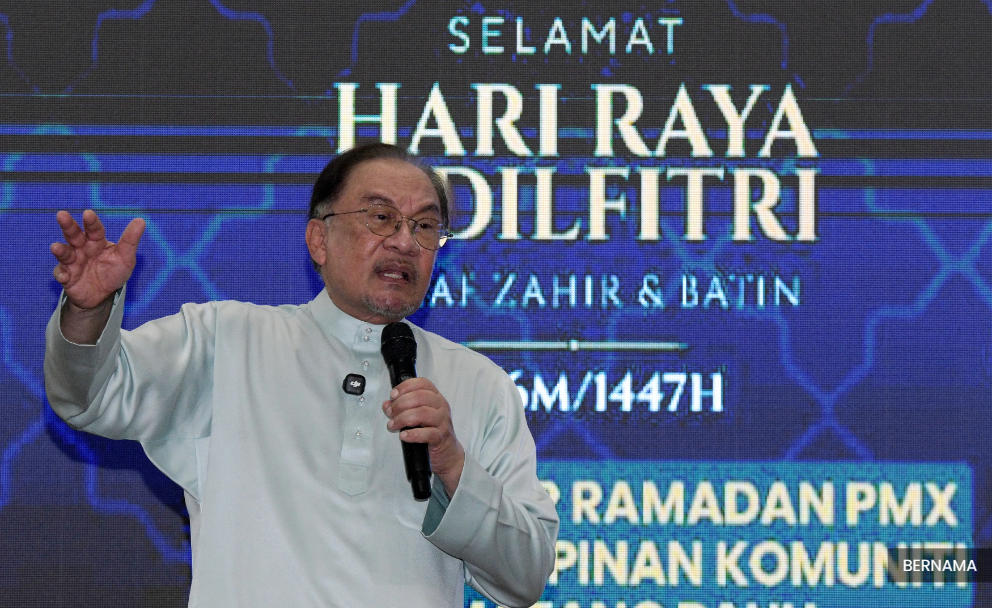
“The political climate must be controlled, and all parties should come together to find solutions,” he said during a Ramadan programme with Permatang Pauh community leaders at the Permatang Pasir Community Hall today.
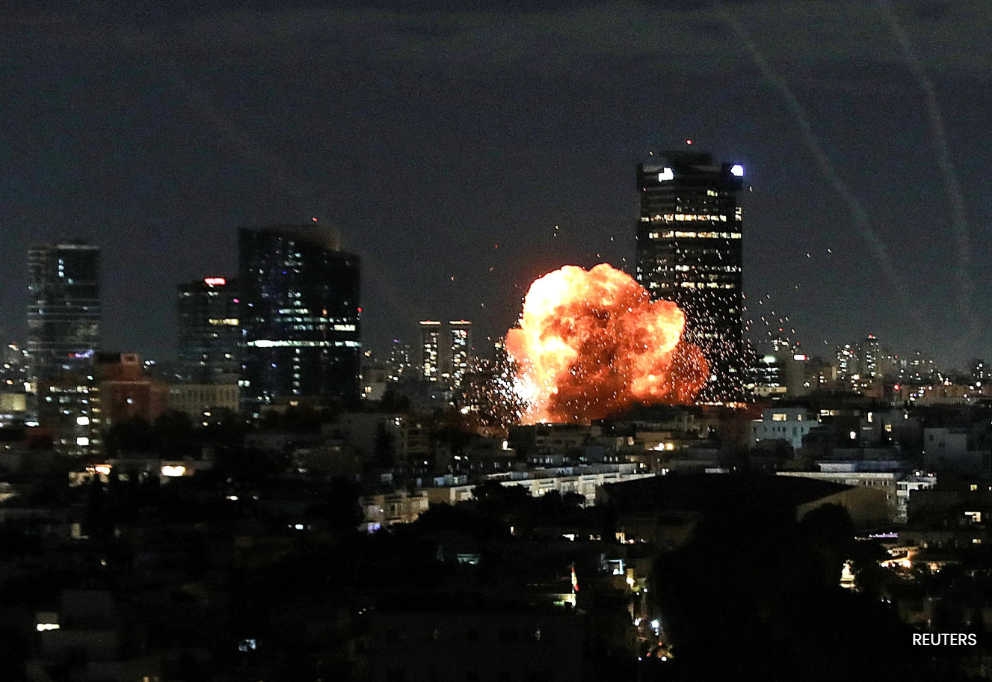
Anwar added that escalating tensions, including attacks involving Iran as well as retaliatory actions using missiles and drones, have affected oil and gas facilities and routes, including in the Strait of Hormuz, thus causing a sharp increase in global oil prices.
He stressed that the government continued to keep fuel prices under control to protect the public, even as many other countries had raised prices.
The Prime Minister cum Finance Minister noted that the government also held a special Cabinet meeting with the National Security Council to discuss measures to address the impact on the economy and national security.
Discussions have also been held with Petronas to ensure sufficient oil and gas supply, which is expected to be sustainable until May.
Meanwhile, Malaysia had also been contacted by several world leaders, including Indian Prime Minister Narendra Modi and ASEAN regional leaders, to discuss efforts to ease tensions.
Anwar emphasised Malaysia’s position as independent and neutral, but firm in championing peace and rejecting all forms of violence.
Tensions in the Middle East have escalated since February 28, following attacks by Israel and the United States (US) on Iran, followed by Tehran’s retaliatory strikes against US interests in Gulf countries.