
SHAH ALAM, March 20 — Obese patients are among those at risk of experiencing microsleep: brief, involuntary episodes of sleep while driving, thereby increasing the likelihood of road accidents.
According to KPJ Klang Specialist Hospital's Internal Medicine and Respiratory specialist Dr Affida Ahmad, the condition is closely linked to sleep disorders commonly experienced by individuals with obesity.
Conditions like Obstructive Sleep Apnoea (OSA) and Obesity Hypoventilation Syndrome (OHS) can result in poor-quality sleep, even when sleep duration is sufficient.
“Some individuals still feel drowsy despite getting enough sleep because the quality is poor due to certain conditions, including obesity.
“Sleep becomes disrupted as the airway repeatedly closes, preventing oxygen from reaching the brain and causing the individual to feel fatigued upon waking.
“In addition, those who take drowsiness-inducing medication, individuals who are sleep-deprived, shift workers, and those who drive long distances are at higher risk of experiencing microsleep,” she said as a guest on Media Selangor's 'Bicara Semasa' programme recently.
As such, Dr Affida urged the public not to take early signs of microsleep lightly, as it can endanger both drivers and other road users.

She added that signs of microsleep include drooping eyelids, nodding off, frequent yawning, and slowed reaction times.
“These symptoms are often ignored, even when some drivers miss road signs or drift into the wrong lane. In fact, some force themselves to continue driving, even though it is a warning to stop and rest,” Dr Affida said.
She noted that turning up the radio volume is not a real solution to combat drowsiness while driving.
“Eating, talking, and listening to the radio only provide temporary relief. Once the brain is already drowsy, any stimulation merely slows the onset but does not restore alertness.
“The risk of microsleep remains high, so it is advisable to take a short nap and not continue driving while drowsy,” Dr Affida said.
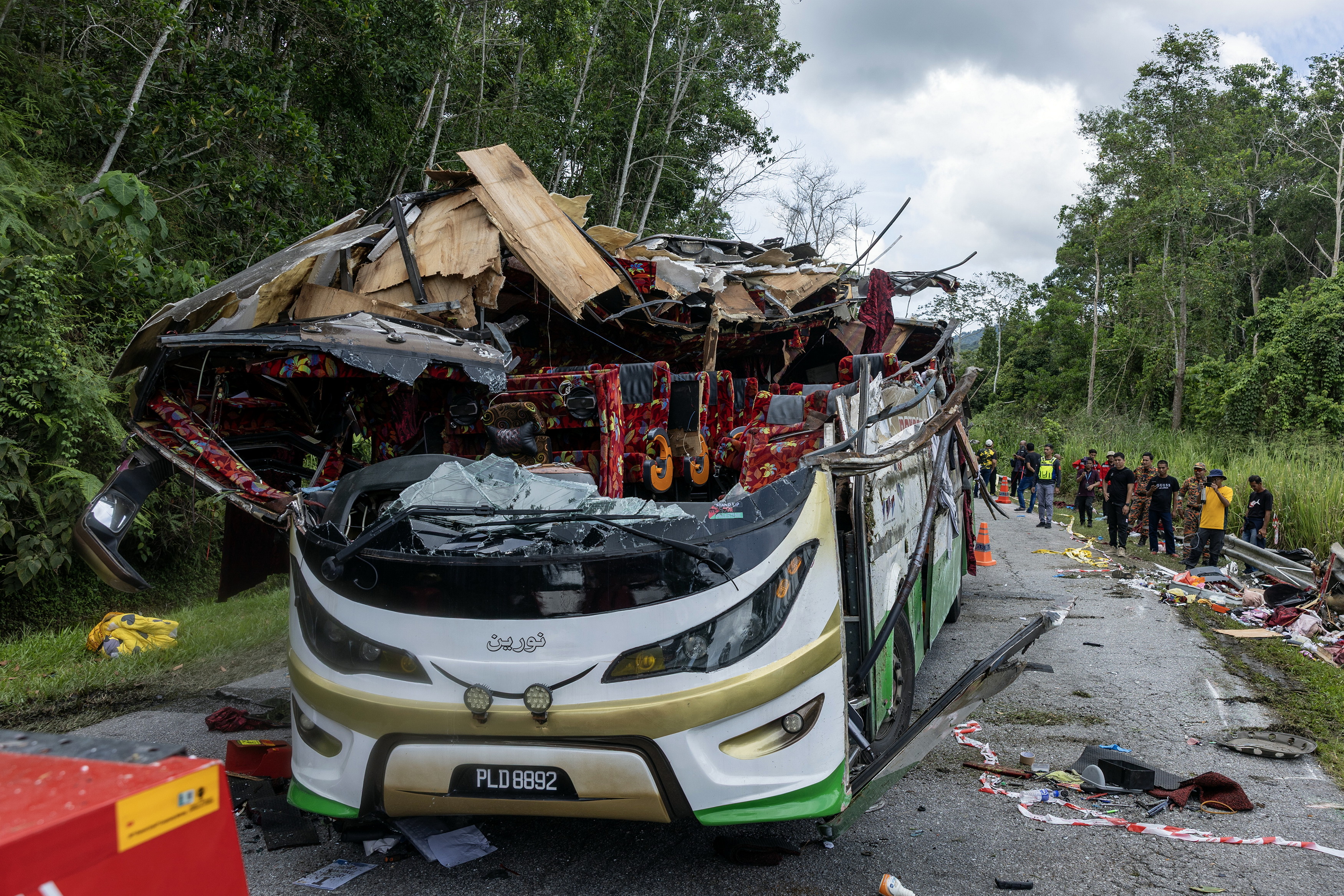
Microsleep has been identified as a contributing factor in road accidents, occurring when drivers briefly fall asleep and lose focus on the road.
In Malaysia, it is estimated to account for around 20 per cent of accident cases, including fatalities, each year.
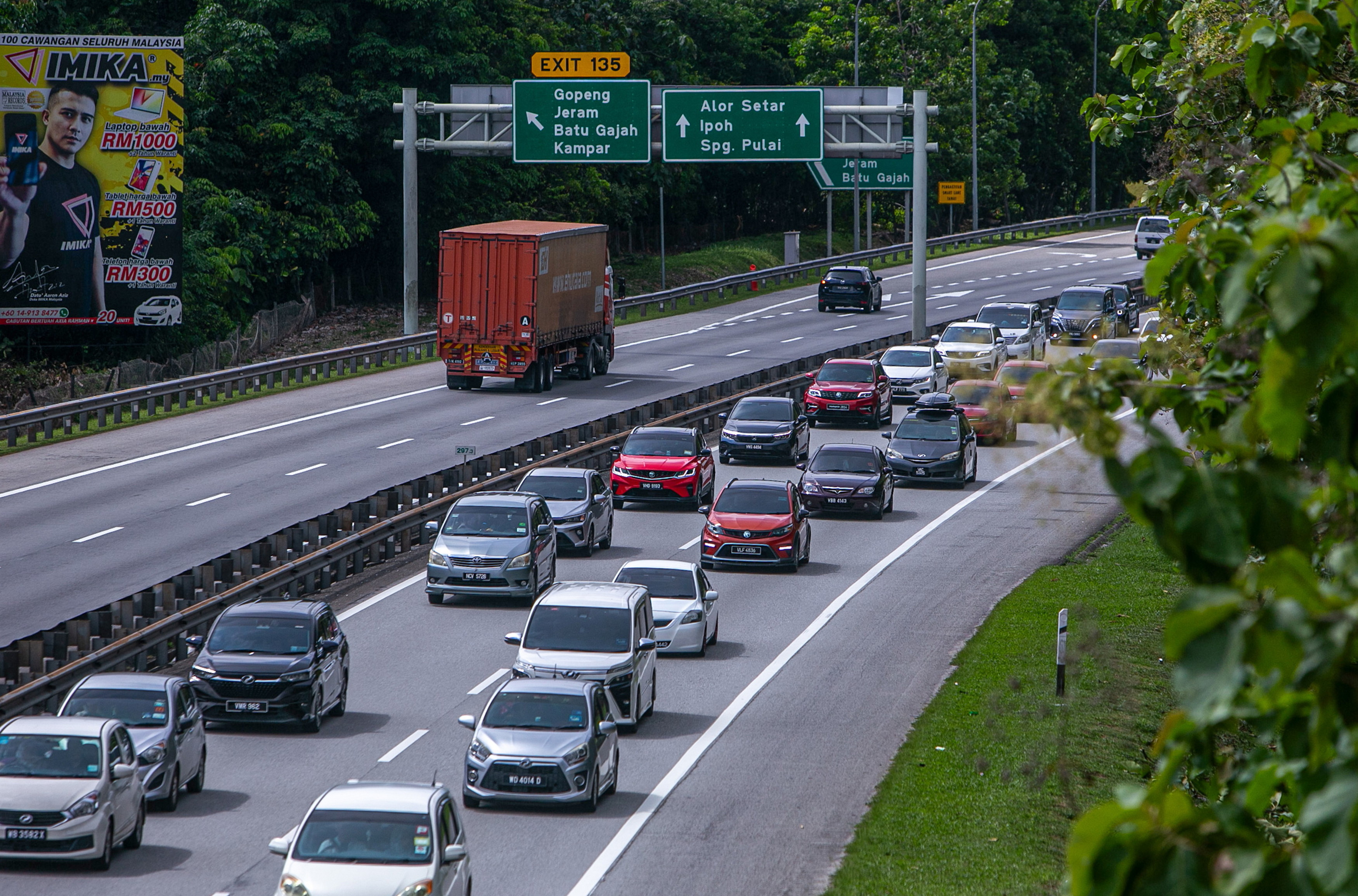
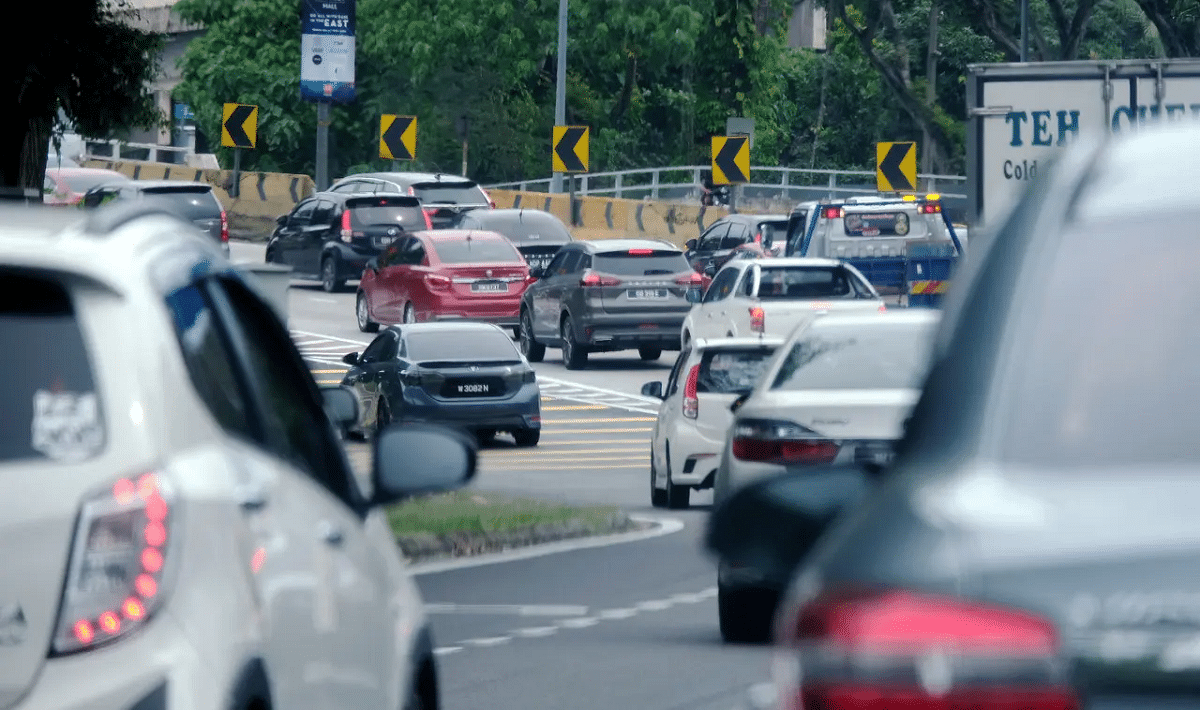
According to the Malaysian Institute of Road Safety Research, microsleep occurs due to fatigue and exhaustion, especially during festive seasons that involve long-distance travel and extended driving periods.
Meanwhile, as of Sunday (March 14), approximately 2,103 accident cases have been recorded, with 12 fatalities.