
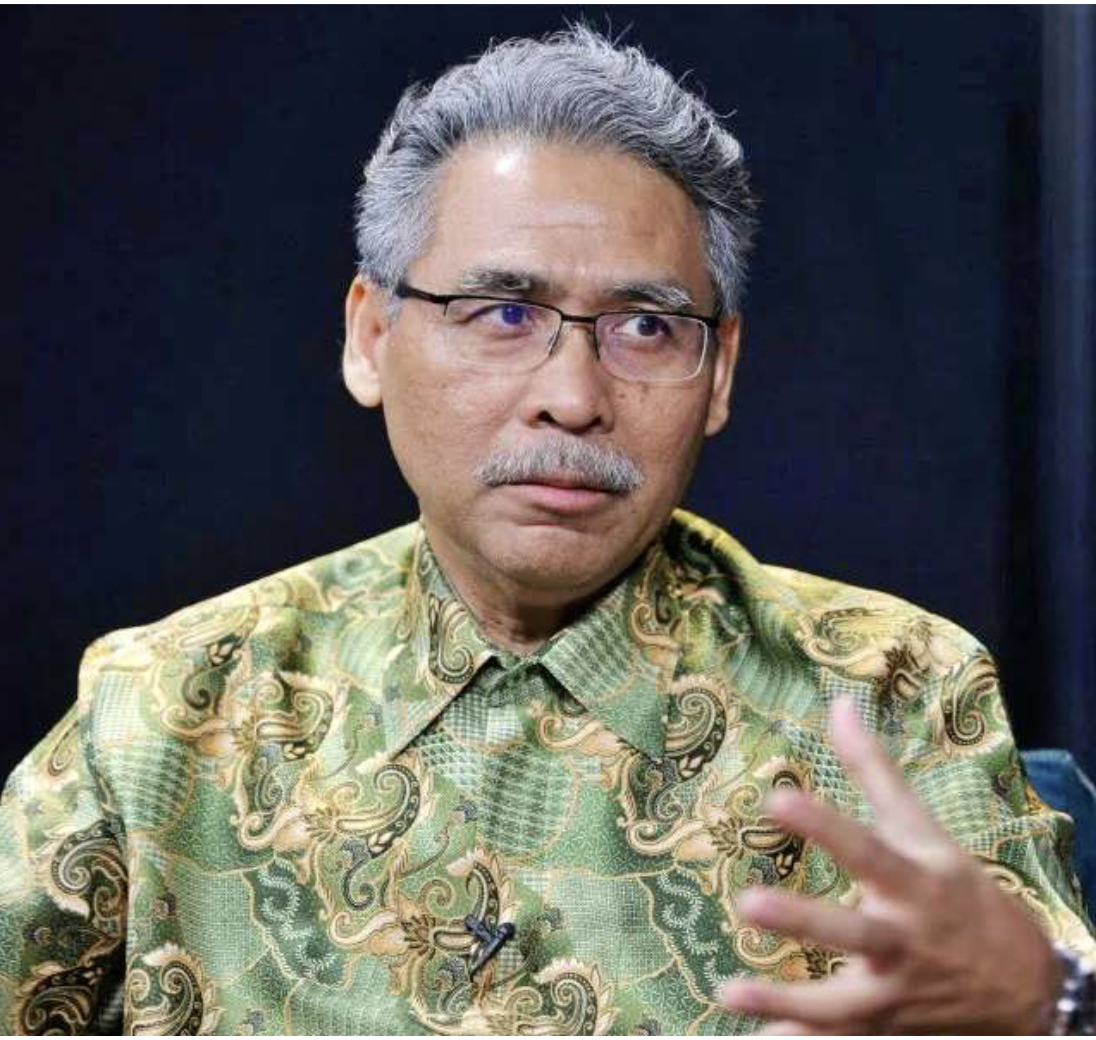
KUALA LUMPUR, March 20 — Recent increases in unsubsidised fuel prices in Malaysia reflect rising global oil prices, said an analyst.
The Nusantara Academy of Strategic Research's geostrategist and senior fellow Prof Azmi Hassan said the increase in global oil prices from US$60 to US$65 per barrel previously to around US$110 currently has made price adjustments unavoidable.
While the public generally understands that fuel prices have risen due to higher global oil prices, there remains a perception that prices should not rise as Malaysia is an oil-producing country.
“While Malaysia exports crude oil and earns revenue, it still imports refined fuel for domestic use, making it exposed to global price movements,” he told Bernama.
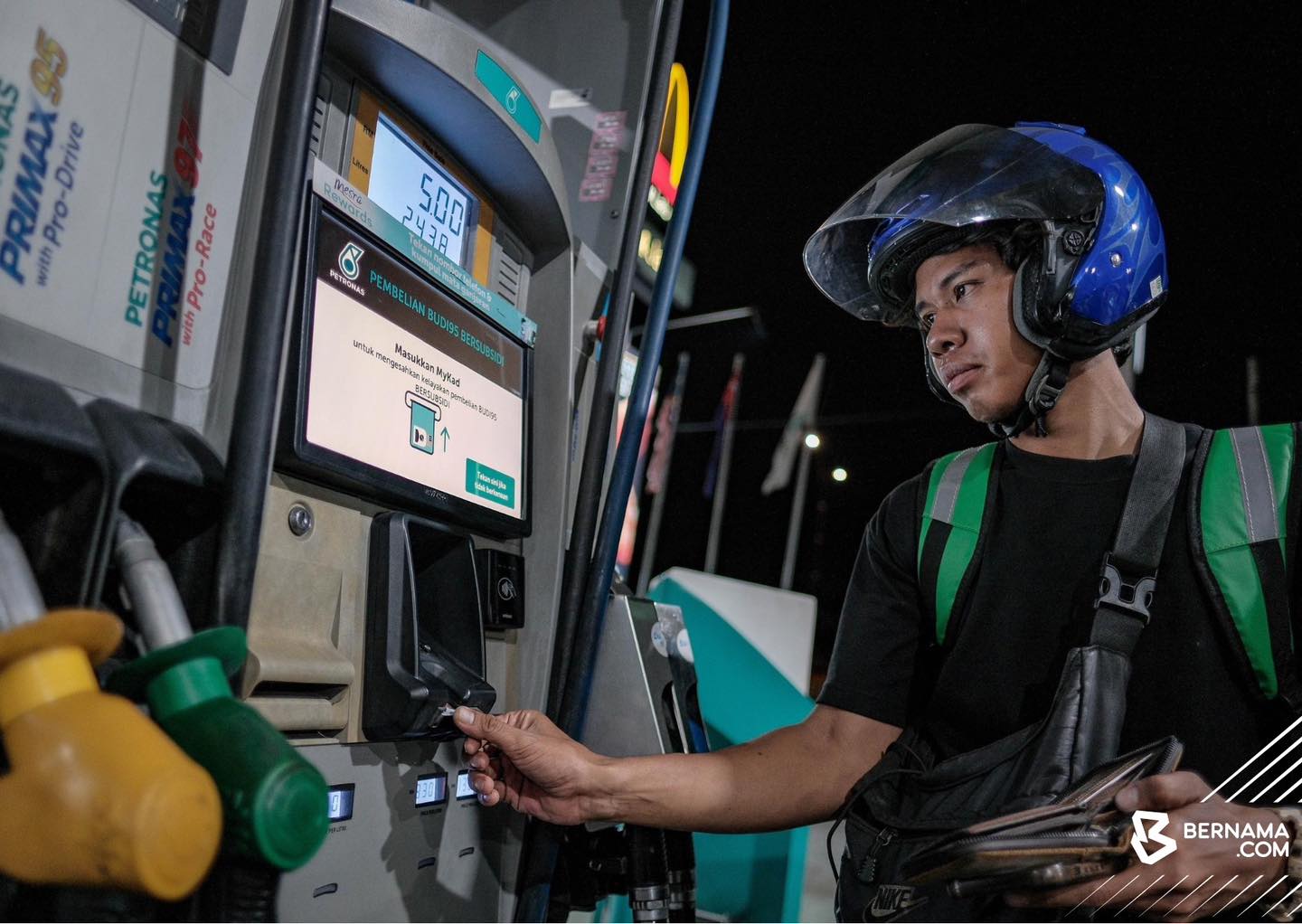
Targeted subsidy measures, such as the subsidised RON95 petrol price under the BUDI MADANI RON95 (BUDI95) initiative, help mitigate the impact of rising fuel costs.
“Initiatives like BUDI95 can control the cost of logistics for ordinary people. The RM1.99 price is basically a giveaway to the people,” Azmi said.
He was referring to the subsidised RON95 petrol price under the BUDI95 initiative, which remains at RM1.99 per litre despite global crude oil prices exceeding US$100 per barrel following the conflict in West Asia.
At the same time, Azmi cautioned that the current subsidy bill, estimated at RM3.2 billion monthly, may not be sustainable in the long term.
“We just cannot enjoy the RM1.99 forever, with increasing oil prices worldwide,” he said.
Malaysia remains in a relatively stronger position compared to some countries, as inefficiencies in other oil-producing nations have affected their fuel supply systems.
Meanwhile, differences in fuel pricing between regions are driven by usage patterns, with diesel remaining subsidised in Sabah and Sarawak due to its widespread use.
“The government is still maintaining lower diesel prices in Sabah and Sarawak due to the fact that RON95 in the peninsula is maintained at RM1.99. Diesel is widely used in the Borneo states not only for logistical purposes, but also by both the private and public sectors.
“That is why diesel has been subsidised in Sabah and Sarawak. On the other hand, the widely used fuel in the peninsula is petrol,” Azmi said.
He stressed that any increase in diesel prices in Sabah and Sarawak could have a more severe impact on living costs.
“If there is an increase from RM2.15 in Sabah, even by 10 or 20 sen, there will be an impact on the cost of living because of the wide usage of diesel in all segments of life in Borneo.
“The impact is going to be severe in Sabah and Sarawak in terms of higher cost of living and expenses,” Azmi said.
Amid rising global oil prices triggered by the United States-Iran conflict, the Finance Ministry announced on March 12 an increase in unsubsidised fuel prices in Peninsular Malaysia.
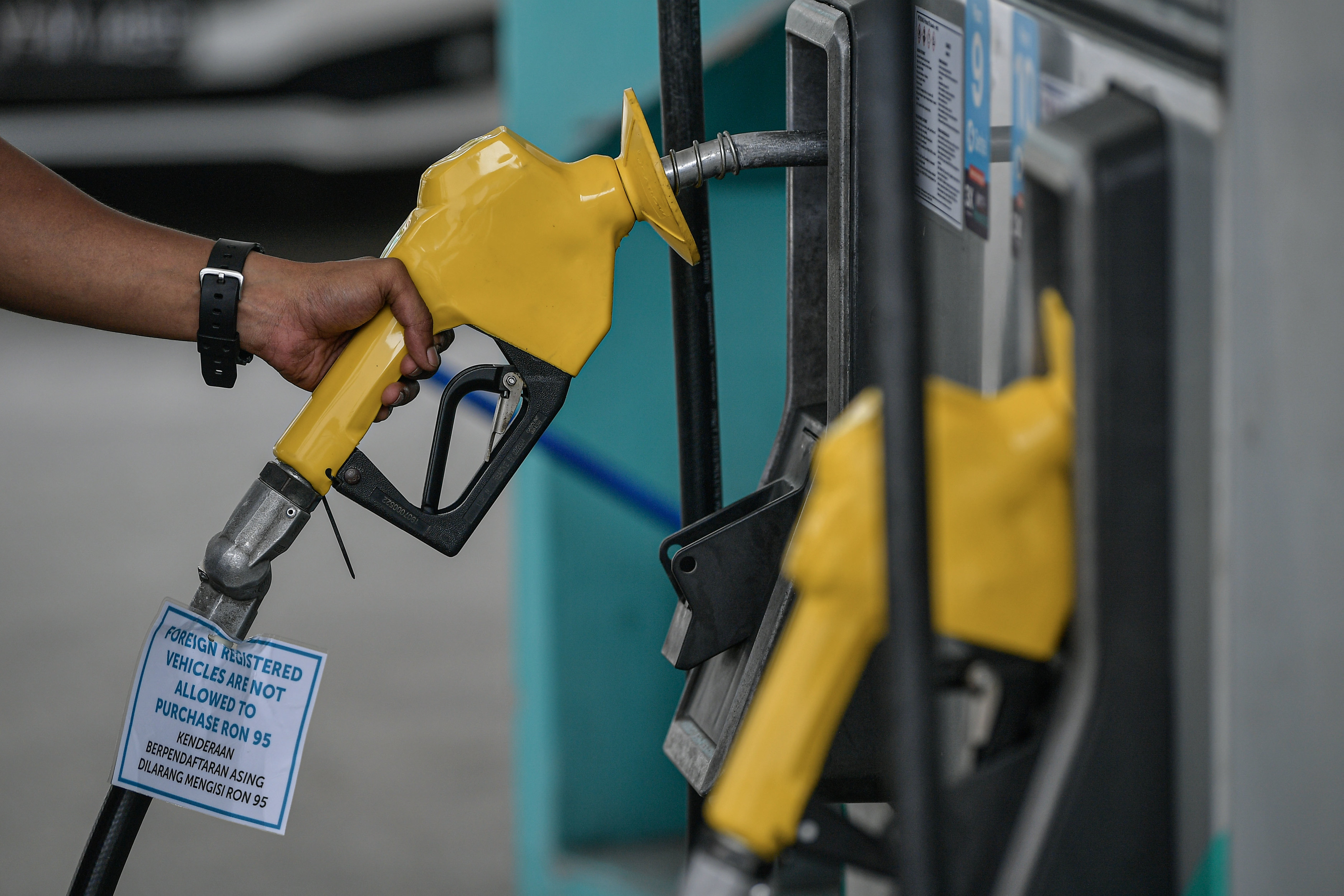
From March 12 to March 18, retail prices for unsubsidised petrol and diesel were adjusted, with RON97 rising by 60 sen to RM3.85 per litre and unsubsidised RON95 increasing by 60 sen to RM3.27 per litre, while diesel rose by 80 sen to RM3.92 per litre.
In the latest revision effective March 19 to March 25, RON97 increased further to RM4.55 per litre, while diesel in Peninsular Malaysia rose to RM4.72 per litre. Unsubsidised RON95 remained unchanged at RM3.27 per litre.
Meanwhile, diesel prices in Sabah, Sarawak, and Labuan remain unchanged at RM2.15 per litre.