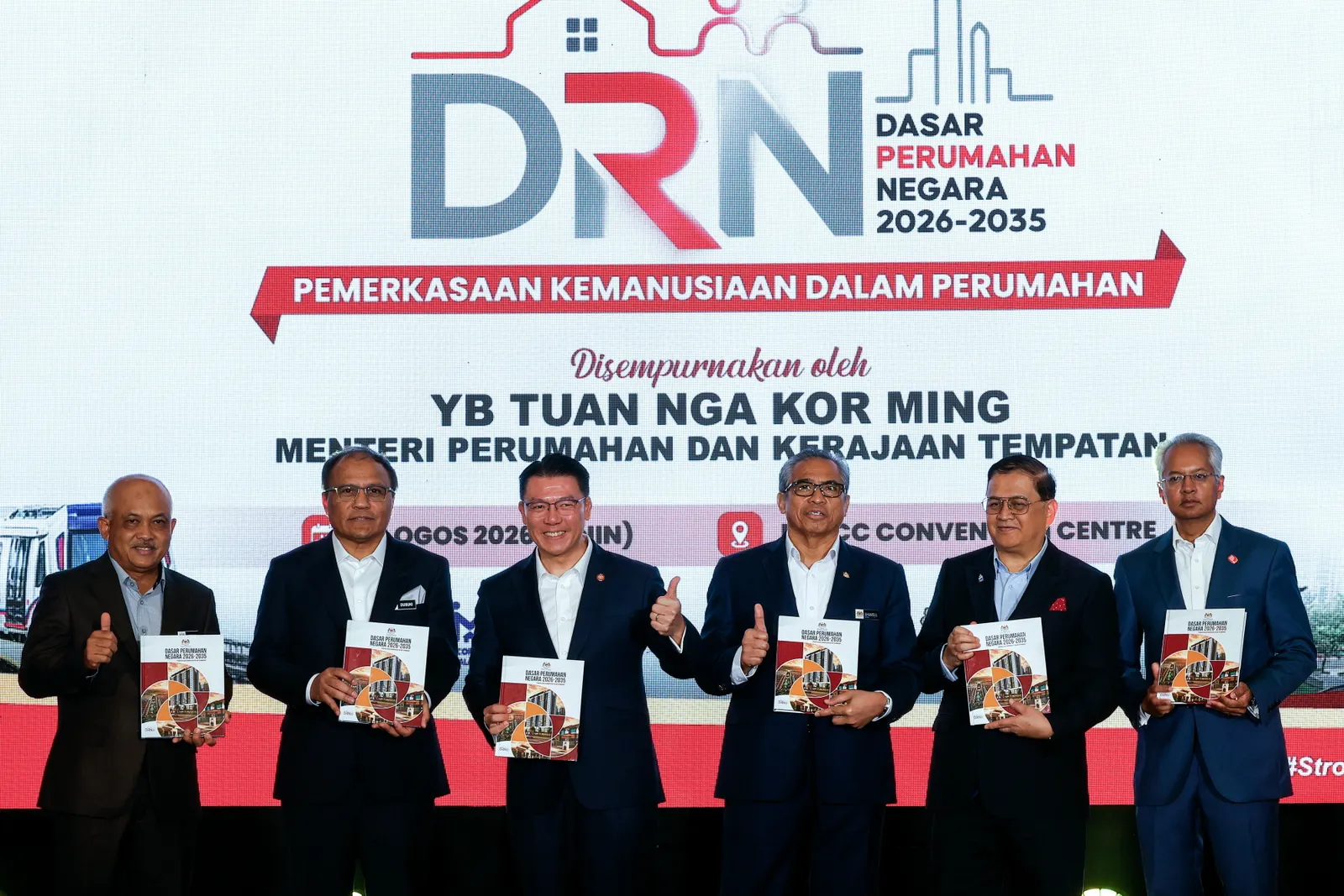

PUTRAJAYA, March 19 — The Housing and Local Government Ministry (KPKT) is stepping up efforts to strengthen governance in the real estate sector under the Madani Housing Reform, with a target of achieving zero sick projects by 2030.
Its minister Nga Kor Ming said the reform focuses on improving systems, enhancing monitoring, and increasing transparency to better protect homebuyers.
“This housing reform aims to strengthen governance in the housing sector to achieve zero sick projects by 2030, while ensuring more Malaysians can own safe and livable homes,” he said in a statement today.
Among the key measures implemented is the strengthening of the Housing Development Account (HDA) audit mechanism to ensure buyers’ payments are fully utilised for project development.
Nga added that the Integrated Housing Monitoring System (HIMS) has been enhanced to enable real-time monitoring of project progress, financial flows and developers’ licence status.
The ministry has also upgraded the TEDUH system to make it easier for potential buyers to lodge complaints in cases of non-compliance by developers.
To widen regulatory coverage, the government has proposed the Real Property Development Act (RPDA), which extends oversight to residential developments on commercial land.
In addition, the implementation of the e-SPA system aims to boost transaction transparency and prevent document manipulation or unnecessary delays.
“KPKT will continue to ensure the housing sector not only grows in terms of transaction value, but also improves in development quality, system efficiency and the people’s quality of life,” he said.
He noted that Malaysia’s property sector has stayed strong, with total transaction value reaching a decade-high of RM241.87 billion in 2025, a 4.1 per cent increase from the previous year, involving 416,413 transactions.
Nga said the performance reflects strong investor confidence and the resilience of the country’s economic fundamentals, with the Madani Government committed to improve access to housing and support sustainable growth in the real estate sector.