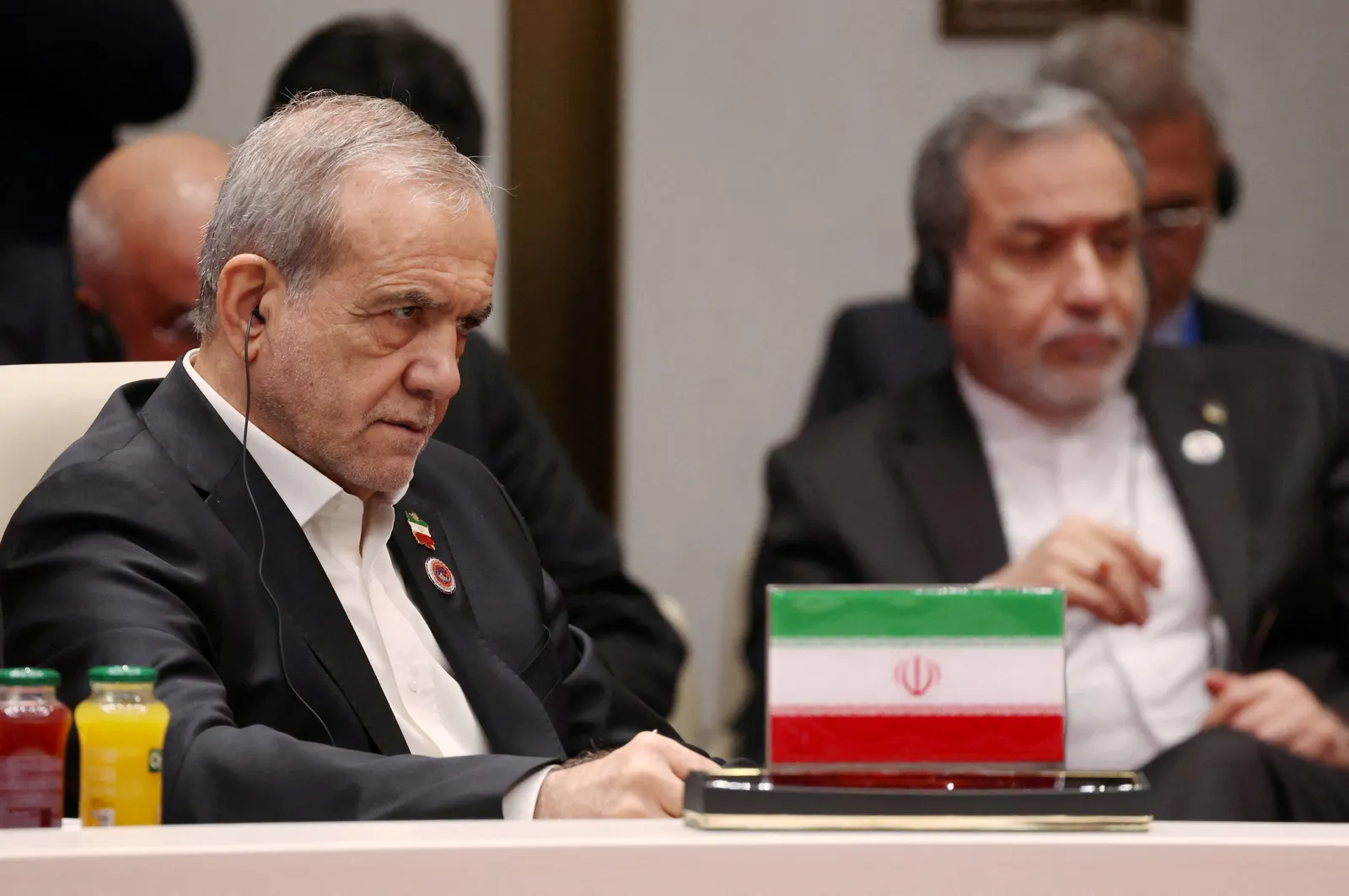
KUALA LUMPUR, March 18 — Iranian Foreign Minister Abbas Araghchi said 53 hospitals have been destroyed in Iran since the start of the joint US-Israeli attack on February 28.
According to the Mehr News Agency, Iran’s top diplomat said hospitals were among civilian infrastructure targeted during the conflict that erupted after joint military attacks.
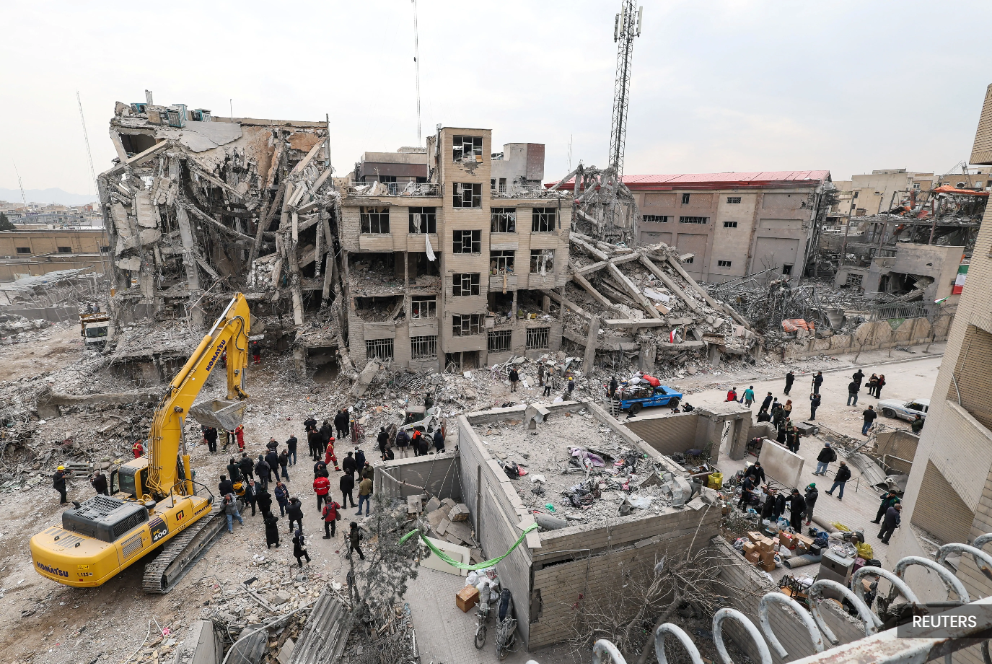
"While Iran’s enemies accuse the country of attacking residential and civilian areas without evidence, they continue to target civilian locations, including schools, hospitals and residential buildings," he was quoted as saying.
Referring to an attack on Tehran’s Azadi Stadium that caused casualties among members of Iran’s sports community, Araghchi said Iran’s enemies were ignoring international norms and deliberately targeting civilian areas.
Meanwhile, Iran confirmed that Ali Larijani, the secretary of the Supreme National Security Council, was killed in an Israeli strike, Anadolu Ajansi reported.
In a statement, Iran’s Supreme National Security Council said Larijani was killed in the attack along with his son, his aide Reza Bayat and several of his companions.
The Israeli military said it had killed Larijani in an airstrike near Tehran, claiming he was “eliminated” in what it described as a “precise strike” overnight Monday.
The Israeli army described Larijani as “the de facto leader” of the Iranian regime, according to its statement.
It also claimed that Gholamreza Soleimani, the commander of Iran’s Basij forces, was killed in a separate airstrike in the country.
Larijani appeared publicly last Friday during Quds Day rallies in Tehran, hours before his name was reportedly included on a US list offering rewards of up to US$10 million for information on 10 senior Iranian officials.
Israel and the US have continued joint attacks on Iran since February 28, killing around 1,300 people so far, including then-Supreme Leader Ayatollah Ali Khamenei.
Iran has retaliated with drone and missile strikes targeting Israel, Jordan, Iraq and Gulf countries hosting US military assets, causing casualties and damage to infrastructure while disrupting global markets and aviation.