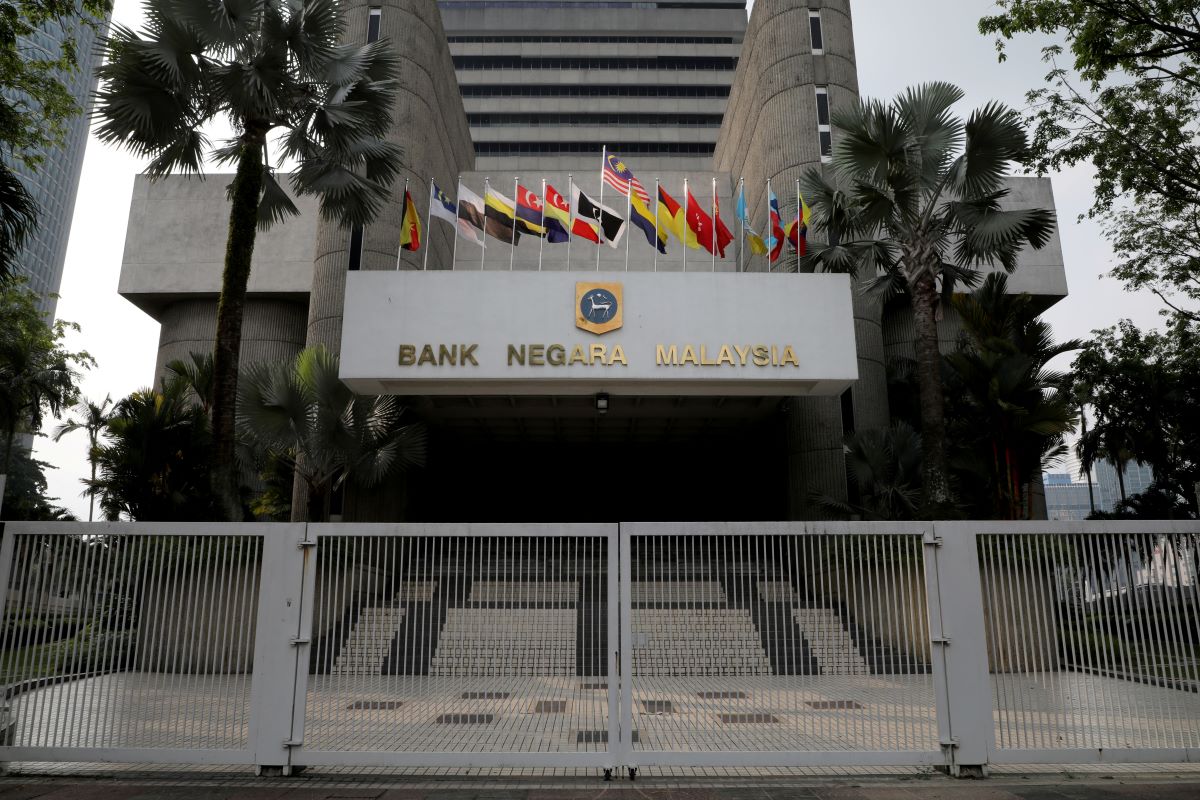
KUALA LUMPUR, March 17 — The Hire-Purchase (Amendment) Act 2026 (HPAA) continues to allow hire-purchase providers to offer both fixed-rate and variable-rate loans, said Bank Negara Malaysia (BNM).
Customers will continue to have the option to choose between a fixed-rate and a variable-rate hire-purchase loan.
Under the Hire-Purchase (Amendment) Act 2026, both fixed-rate and variable-rate loans will use the reducing balance method, in which interest is calculated on the customer’s outstanding principal balance.
“Once the customer pays off the outstanding balance, no further interest charges subsequently accrue. Hence, the need for such a waiver or rebate does not arise,” it said in the 'Consumer Guide: Five Key Highlights of the Hire-Purchase (Amendment) Act 2026', released on the BNM website today.
Yesterday, it was reported that banks in Malaysia will introduce key amendments to hire-purchase financing practices following the implementation of HPAA, which takes effect on June 1, 2026.
The HPAA will introduce key changes to fixed-rate hire-purchase financing.
The amendments include abolishing the Rule of 78s calculation method for early settlement and the flat interest rate structure currently used in hire-purchase financing.
As part of the transition to the new framework, banks will offer goodwill discounts to eligible customers who choose to early settle their existing fixed-rate hire-purchase financing that applies the Rule of 78 method.
BNM added that the HPAA provides flexibility for consumers and their hire-purchase provider to mutually agree on the method for calculating the net balance due under the hire-purchase agreement in accordance with the HPAA.
This will be subject to the hire-purchase provider's readiness to perform interest calculations using the reducing balance method, pending enhancements to their existing systems.
One key area of concern was the use of the Rule of 78 method under the Hire-Purchase Act 1967, which has been widely criticised for being inequitable, particularly for customers who repay their loans early.
It said many countries have banned its use due to its inherent unfairness to credit consumers, and Malaysia is now aligned with global best practices. The reducing-balance method replaces the Rule of 78s.
The Rule of 78 method frontloads interest payments, resulting in higher initial interest costs, and a larger outstanding principal amount due upon early settlement.
“The reducing balance method is a more transparent measure of pricing as it more accurately reflects the actual cost of financing borne by customers, while ensuring fairer outcomes for consumers,” said BNM.