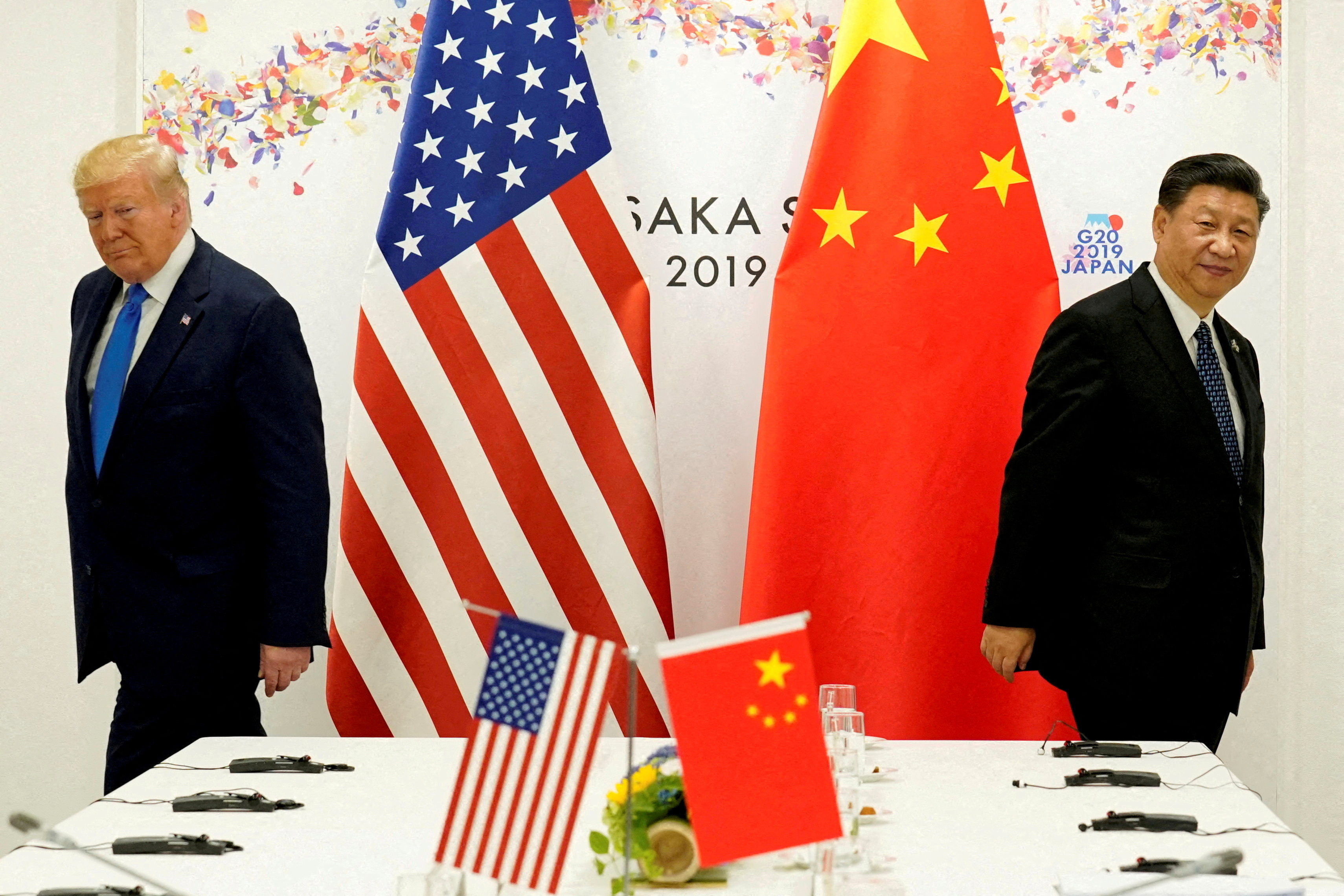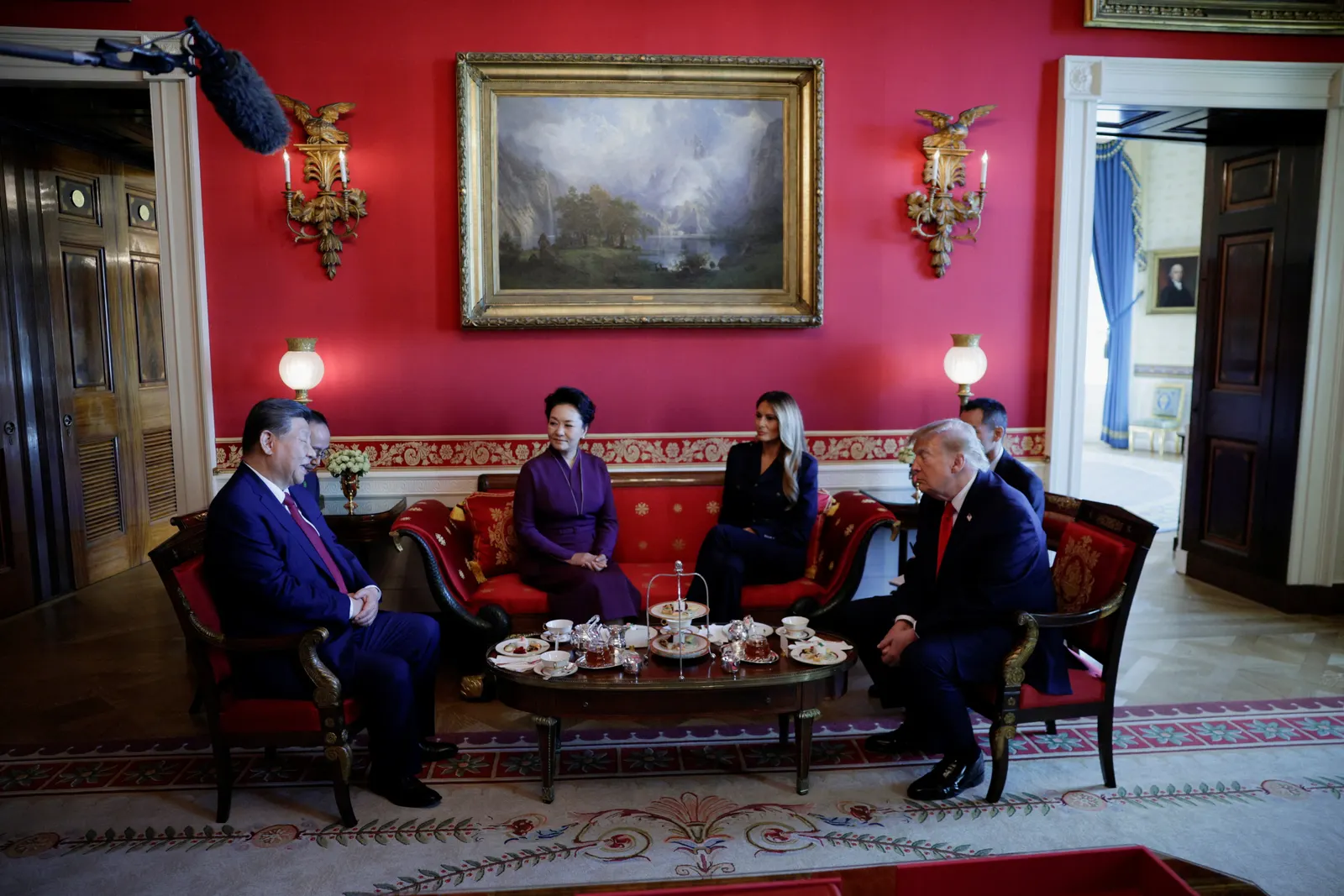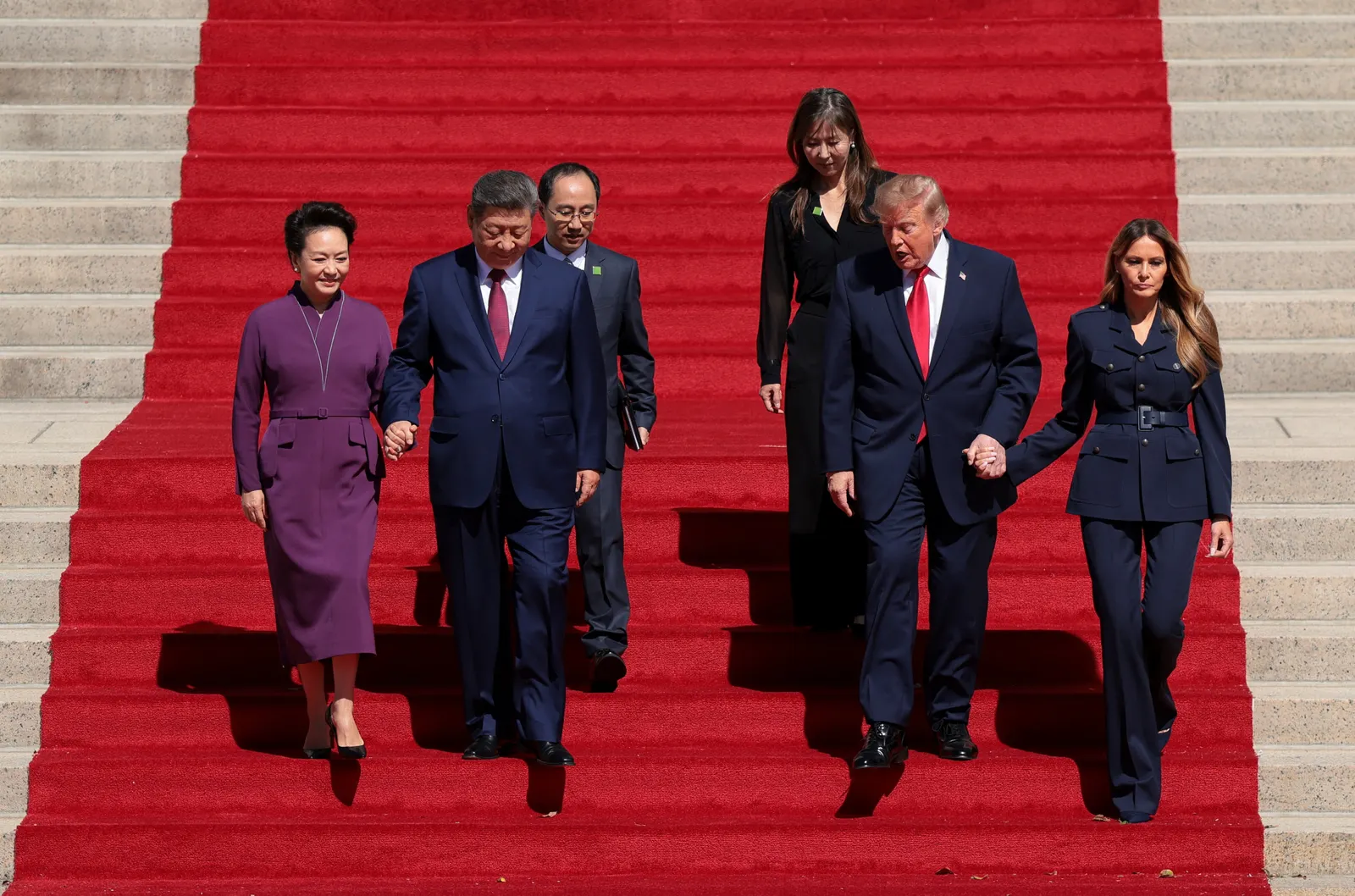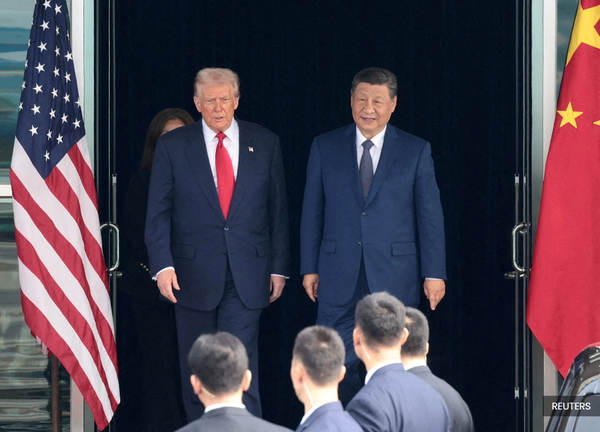
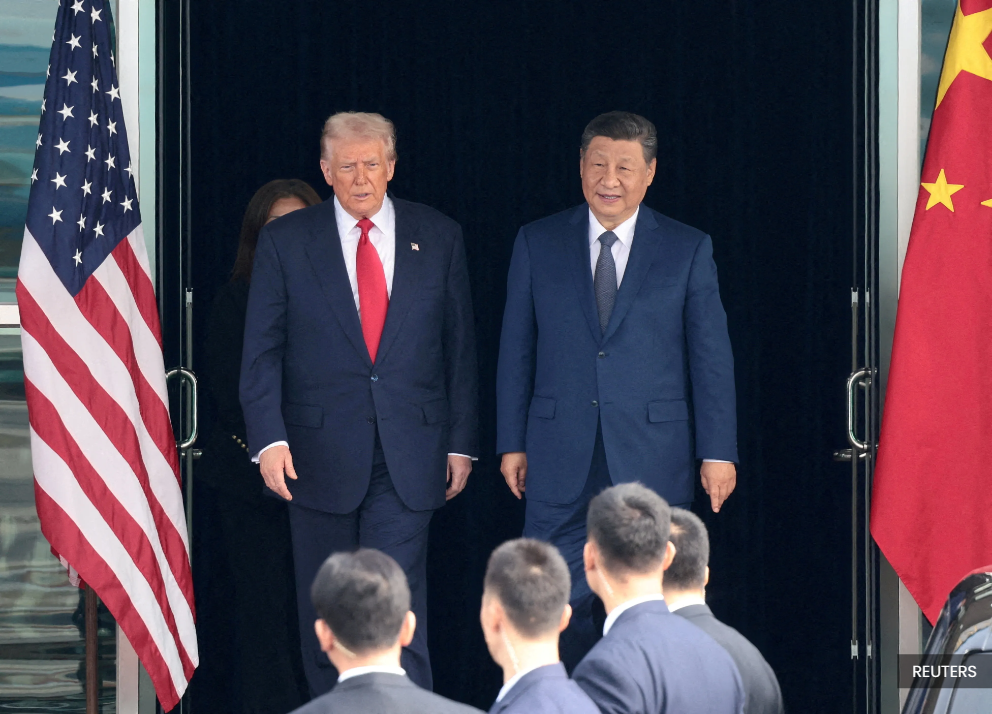
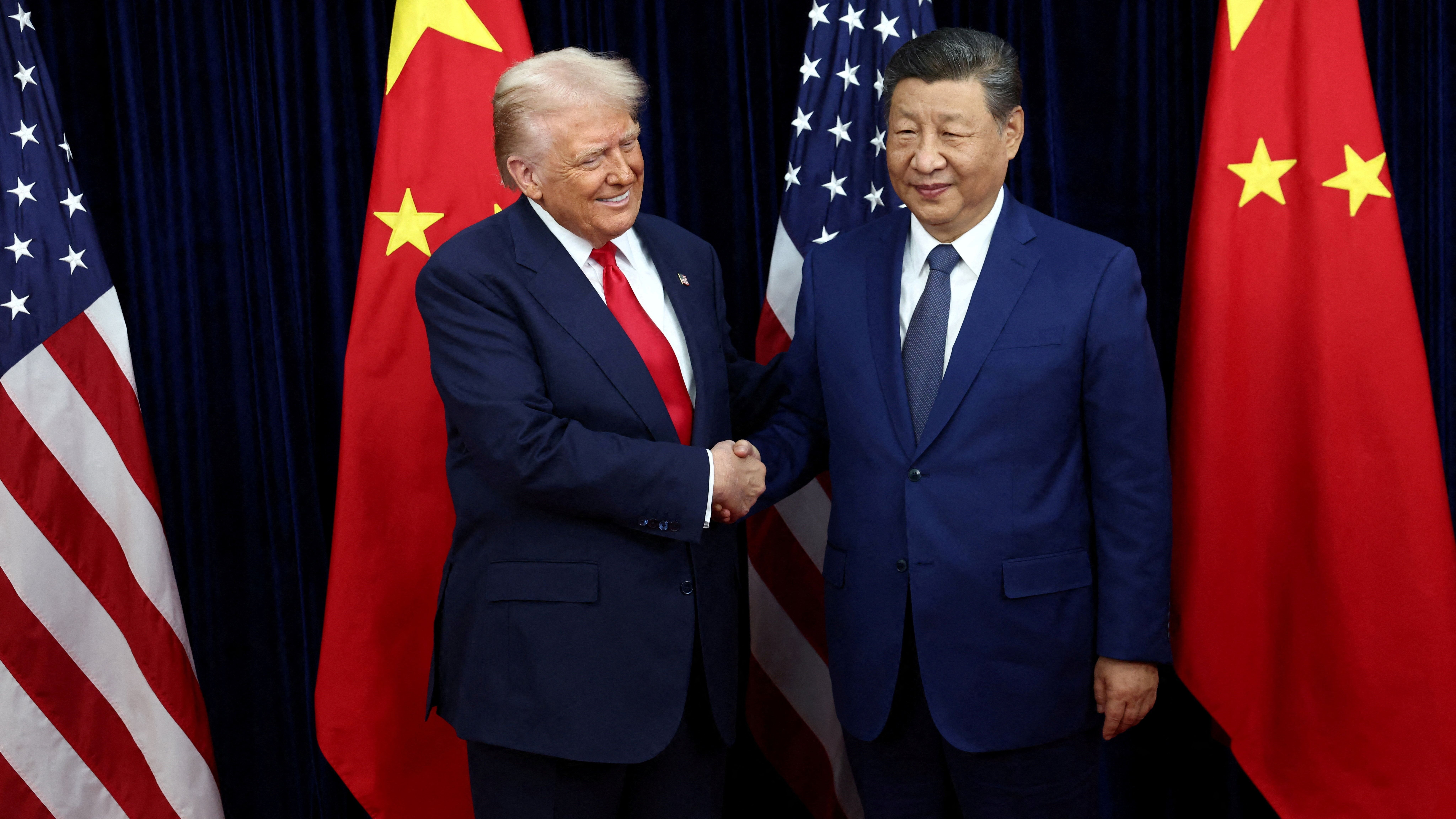
BEIJING, March 17 — United States (US) President Donald Trump's request to delay the planned summit in Beijing with Chinese leader Xi Jinping casts a shadow over mutual ties that have been stable since their last meeting in October 2025, but is unlikely to cause a major setback.
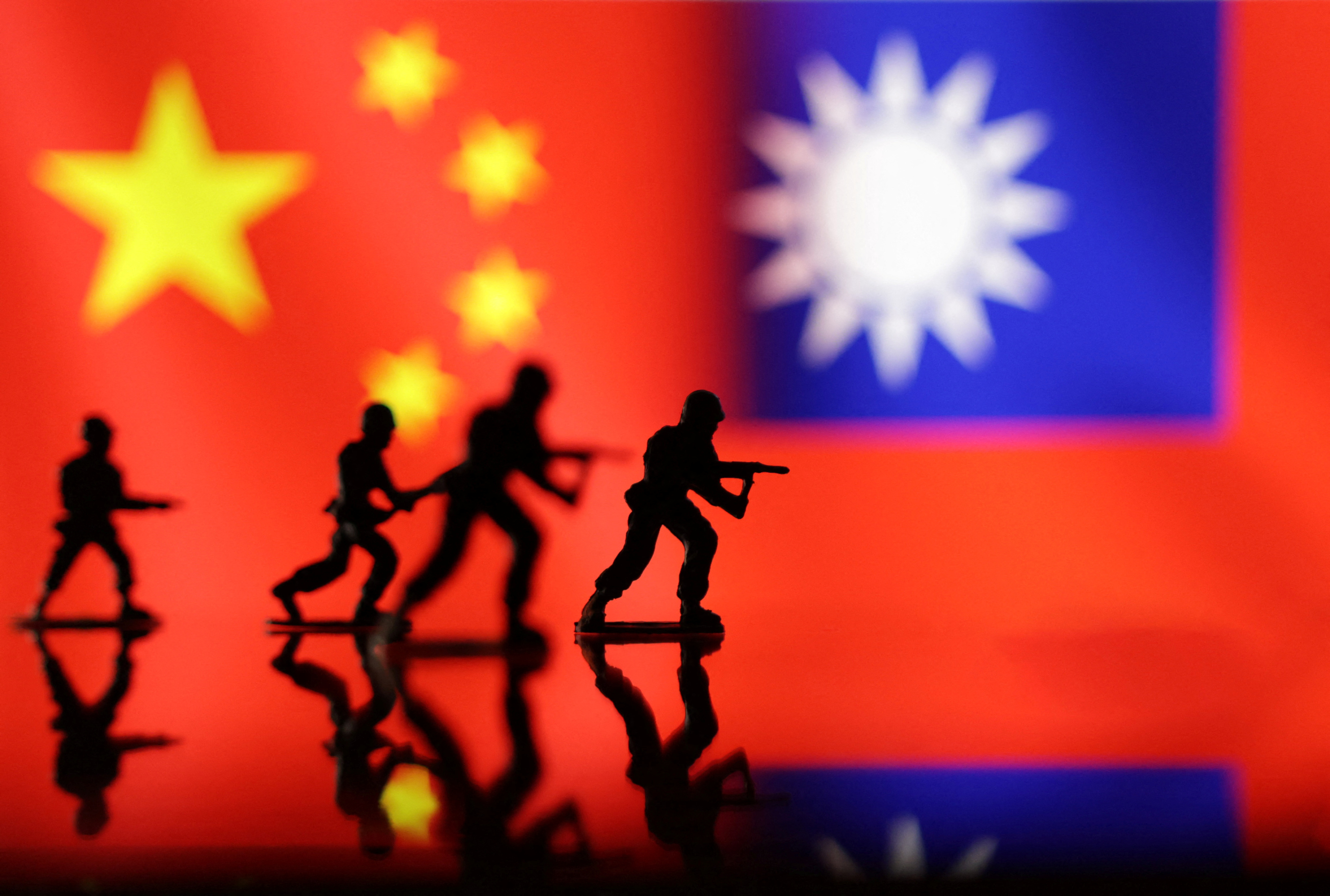
Trump's move shows how the Iran conflict has upended his foreign policy agenda and added war to trade and Taiwan among the spectrum of issues separating the world's two biggest economies.
The delay puts the retooling of bilateral relations on pause, just as both sides concluded high-stakes trade talks in Paris on Monday to lay the groundwork for Trump's Beijing trip, originally slated for the end of the month.
The negotiations followed Washington's imposition of new investigations into "unfair trade practices" aimed at rebuilding trade pressure on countries around the world — including China — after the US Supreme Court struck down Trump's global tariffs last month.
"The situation is not in jeopardy, and Beijing still wants to organise the summit, but the US-Iran conflict and the Supreme Court ruling on tariff policies have complicated these efforts.
"It makes US-China interactions this year more difficult because of Trump's 'war of choice' in Iran," said Shanghai-based Fudan University's international relations expert Zhao Minghao.
He added that the postponement would also allow time for further trade actions.
"The White House says it will continue its tariff policy, but without a doubt, we could see new uncertainties in this regard that impact Beijing's calculations on dealing with the US," Zhao said.
A source familiar with the Paris talks told Reuters before the second day of meetings that China showed openness to potential additional purchases of US agricultural goods, including poultry, beef, and non-soybean crops.
The two sides also discussed the flow of rare earth minerals largely controlled by China and new approaches to managing trade and investment between the countries.
In an editorial published on Tuesday, the China Daily described the negotiations as "constructive," but warned Trump that Beijing's "openness should not be mistaken for acquiescence."
"The US side should refrain from taking any further actions that could disrupt or undermine a stable China-US economic relationship. Actions that inject uncertainty — whether tariffs, restrictive measures or unilateral investigations — do just that," it said.
Mixed messages
US officials have sent mixed messages about the reason for the delay. On Sunday, Trump told the United Kingdom's The Financial Times that he might postpone the meeting if China did not help unblock the Strait of Hormuz.
On Monday, US Treasury Secretary Scott Bessent said Trump may need to delay the trip to coordinate the war effort, not because of a request that China help police the strait or any trade disagreements.
Still, despite the delay, analysts have observed that the priority for both sides is to keep relations on an even keel and continue planning for a successful visit. They added that, for the export-reliant Chinese economy, dealing with rising global uncertainty was the No. 1 priority.
"Trump is preoccupied with a war in Iran that has not been resolved as quickly as predicted, so he is keen to ensure that the military and economic fallout from that is contained within the next couple of weeks or so...which means planning a successful visit to Beijing is next to impossible.
"From China's perspective, there has been a lot of concern in Beijing about the lack of preparations from the American side for the summit, so Chinese policymakers would not mind an extra few weeks to prepare for a more substantive visit," said Asia Society fellow on Chinese politics Neil Thomas.
Chinese Foreign Ministry spokesperson Lin Jian echoed this sentiment on Monday when asked about Trump's remarks over the weekend.
"Diplomacy between heads of state plays an irreplaceable role in providing strategic guidance to China-US relations," he said, adding that both sides were communicating about the trip.