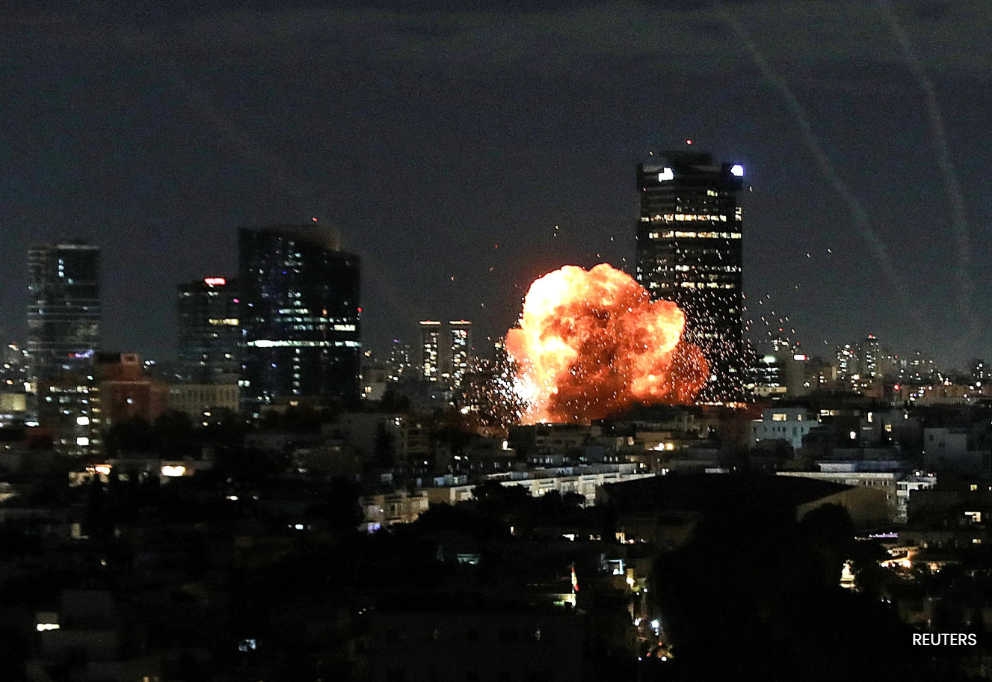
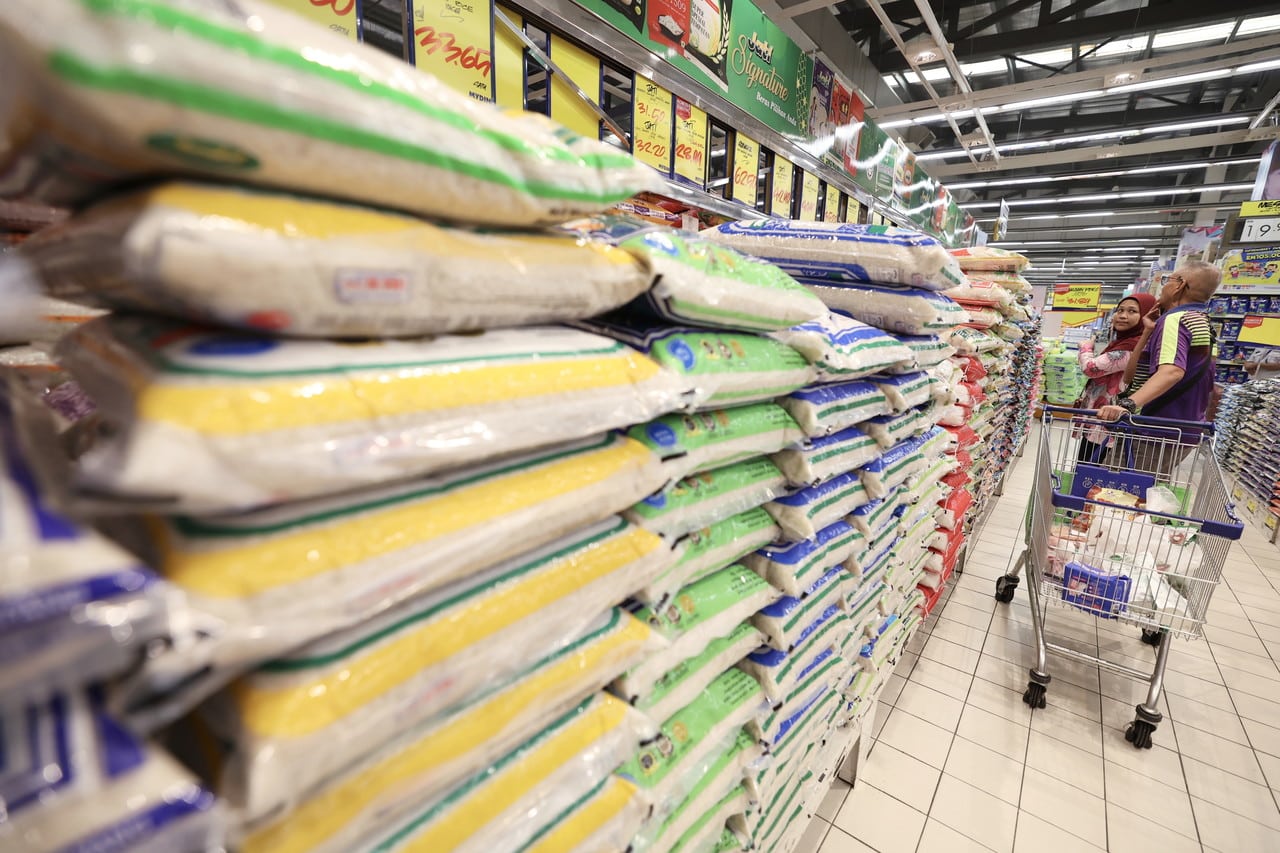
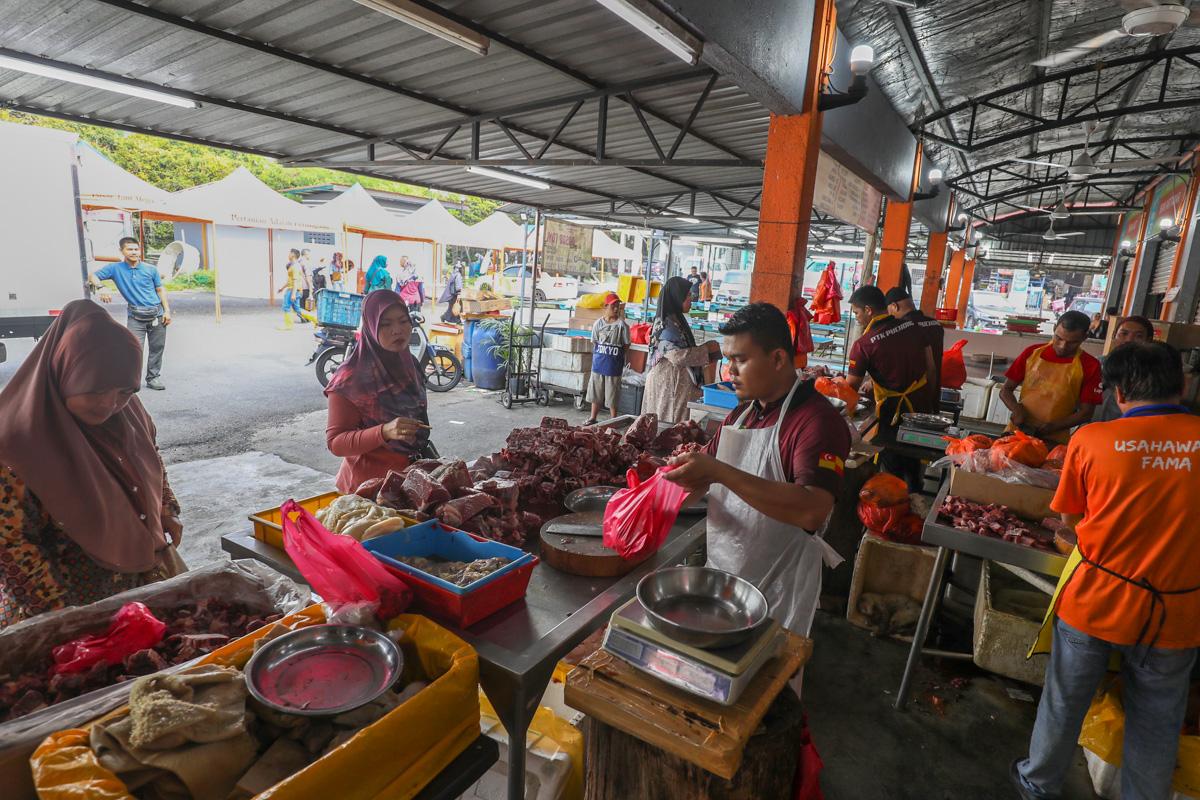
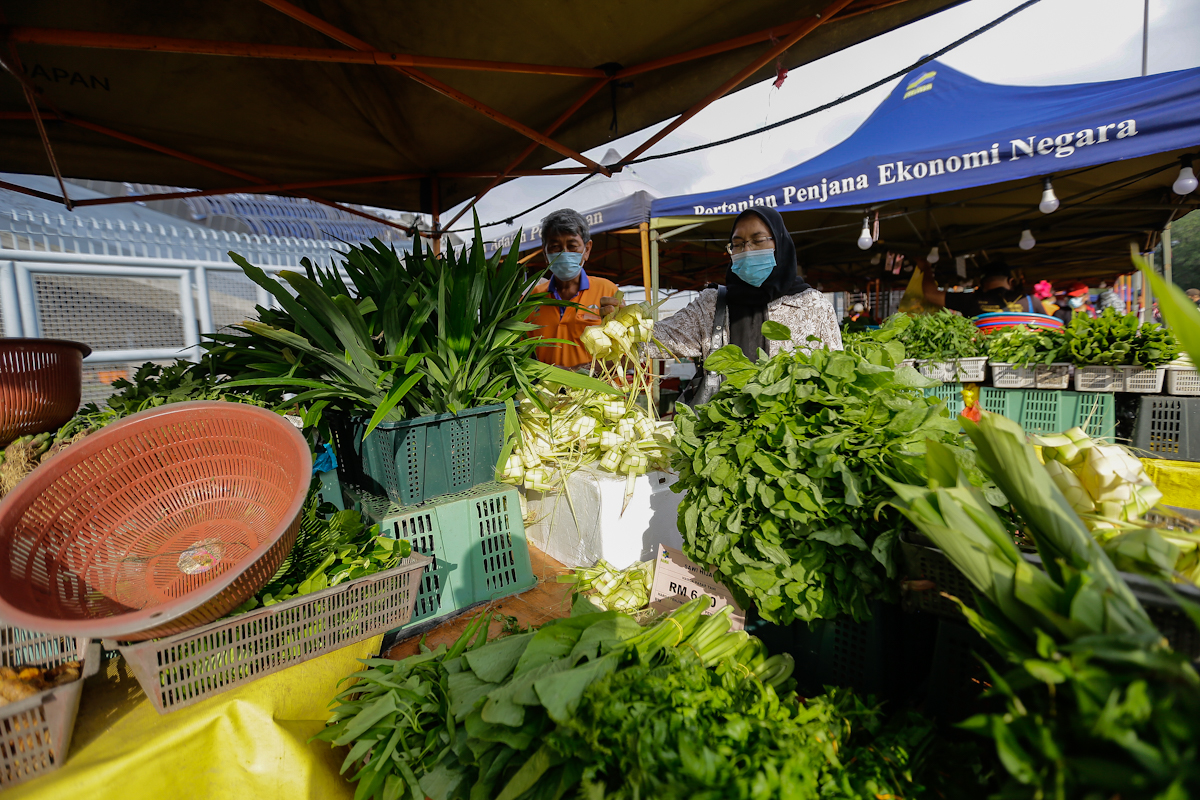
KUALA LUMPUR, March 16 — Malaysia’s long-term national food security strategy needs to be enhanced to reduce dependence on imports, which currently exceed 50 per cent, following uncertainties caused by geopolitical conflicts in West Asia.
University of Malaya’s Asia-Europe Institute executive director Rajah Rasiah said the move is important as Malaysia has been a net food importer since 1989, adding that the current crisis should serve as a catalyst for the government to intensify domestic food production to ensure a sustainable supply.
“We must return to practices introduced by Abdul Razak Hussein (through the Green Book Programme) so that intensive food production can be increased.
“We cannot be in a position where our food production capacity declines,” he said as a guest on Bernama TV's 'Ruang Bicara' programme tonight.
Rajah added that Malaysia’s position as a net exporter of oil and gas provides an advantage in facing the impact of rising global energy prices, allowing the country to maintain economic stability compared to other importing countries.
Sound economic management and export surpluses in trade still provide a strong foundation for Malaysia to weather the geopolitical crisis, which is expected to be prolonged.
Meanwhile, Universiti Kebangsaan Malaysia’s Development, Social, and Environment Centre for Research Prof Novel Lyndon suggested that the government examine the short-, medium-, and long-term impacts of the conflict.
Communication between the government and the public must be clearer to avoid excessive anxiety, such as panic buying, among the grassroots community.
“…I think panic buying should not happen because our country is well managed…the first thing the government needs to do is ensure that communication between the government and the people is clear,” he said.