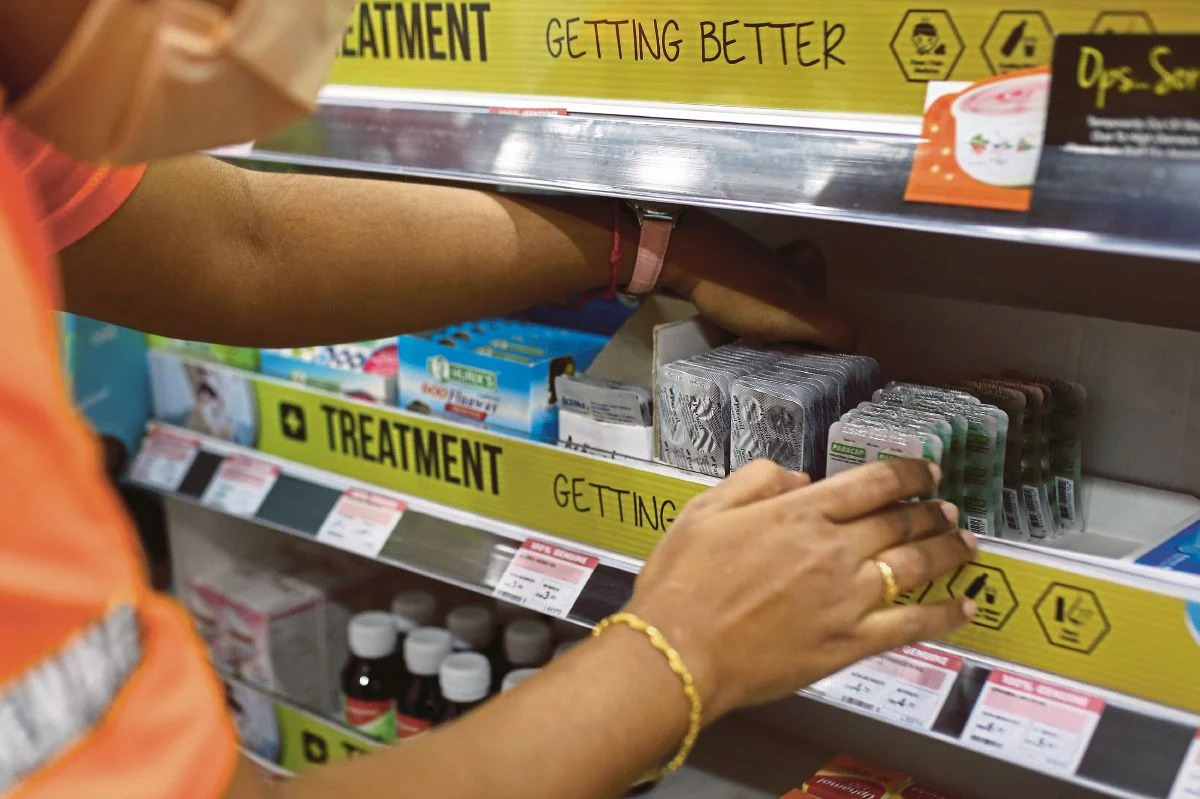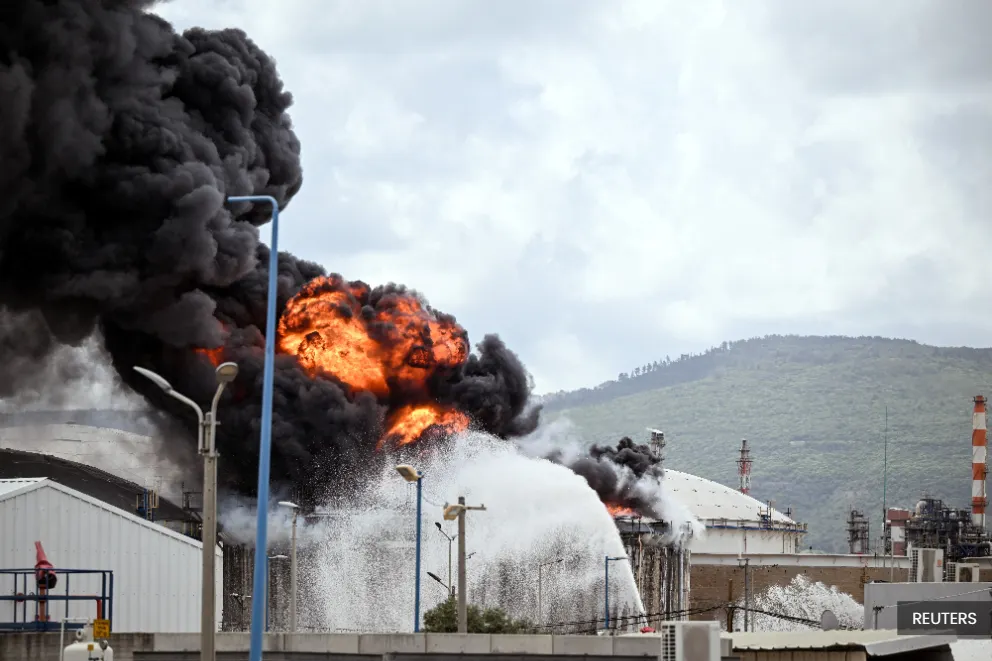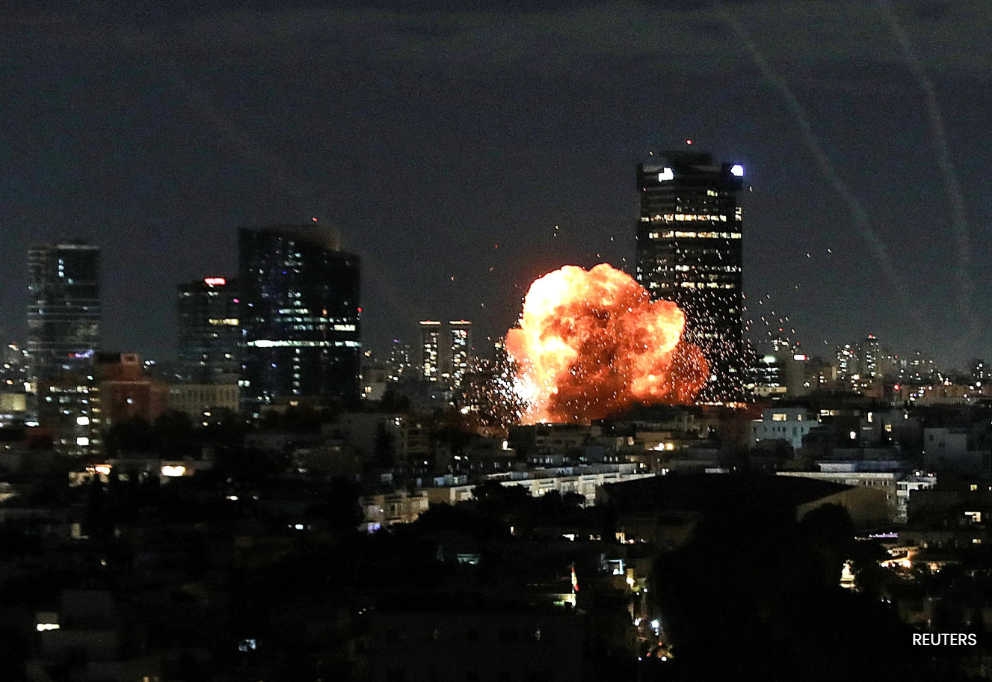
LONDON, March 16 — The war in the Middle East is disrupting the flow of critical medicines to the Gulf, imperilling supply routes for cancer drugs and other treatments that require refrigeration and forcing companies to reroute flights and secure overland access into the region.
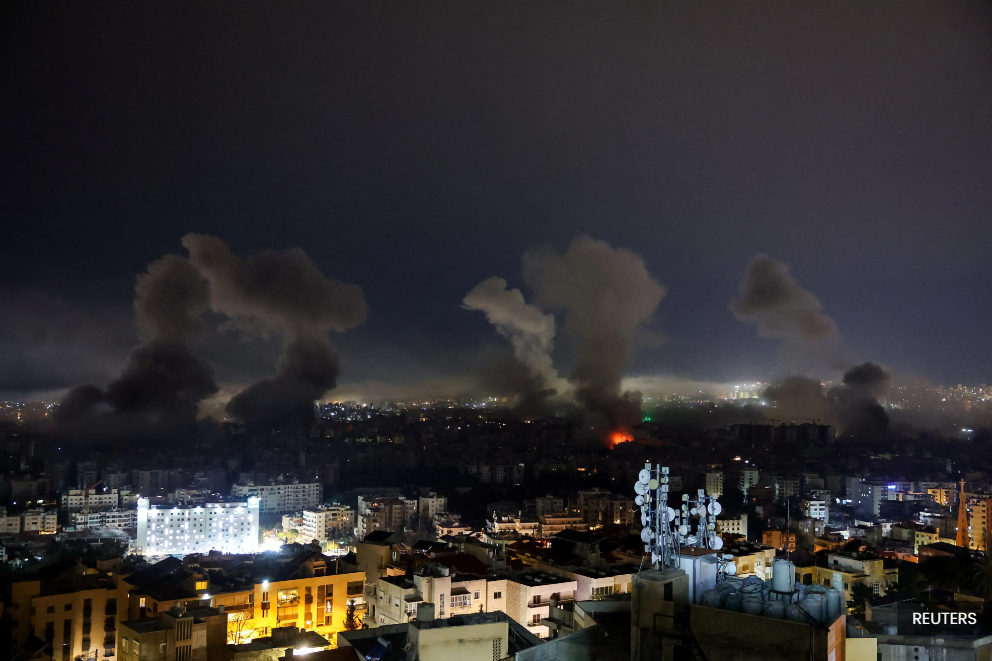
The conflict, sparked by United States (US) and Israeli attacks on Iran two weeks ago and broadened by Iranian strikes around the region, has knocked out key air transit hubs and closed shipping routes, snarling the movement of goods for many products from medicines to food and oil.
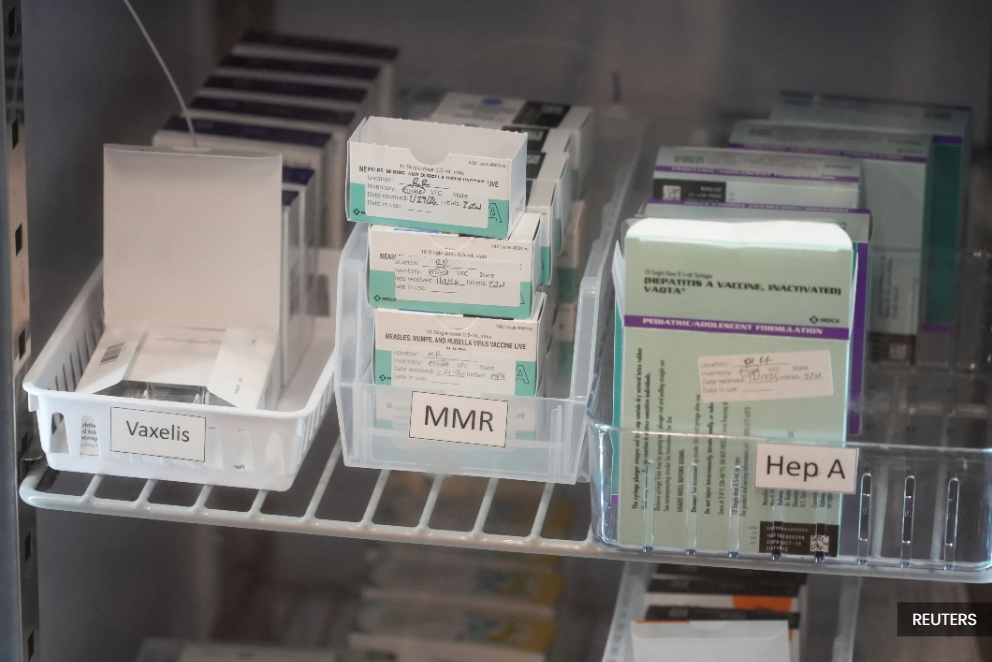
While there are few signs yet of major shortages, that could change if the conflict drags on, some executives said. The Gulf relies heavily on imports, and some medicines have short shelf lives and need strict cold-chain storage, making lengthy overland shipping less practical.
Executives at Western drugmakers said they were seeking alternative routes into the Gulf and trucking some drugs overland from airports like Jeddah and Riyadh in Saudi Arabia. Other options were Istanbul and Oman.
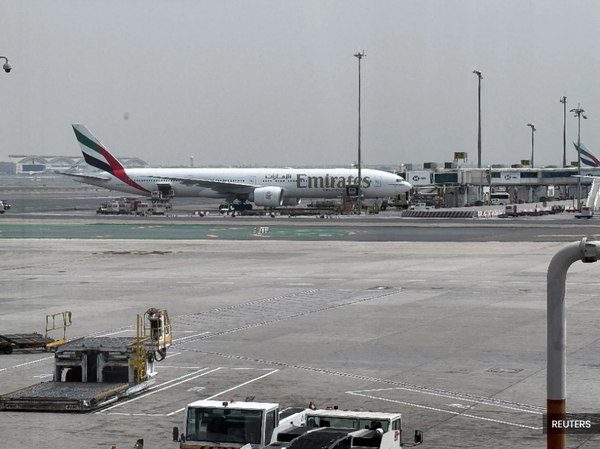
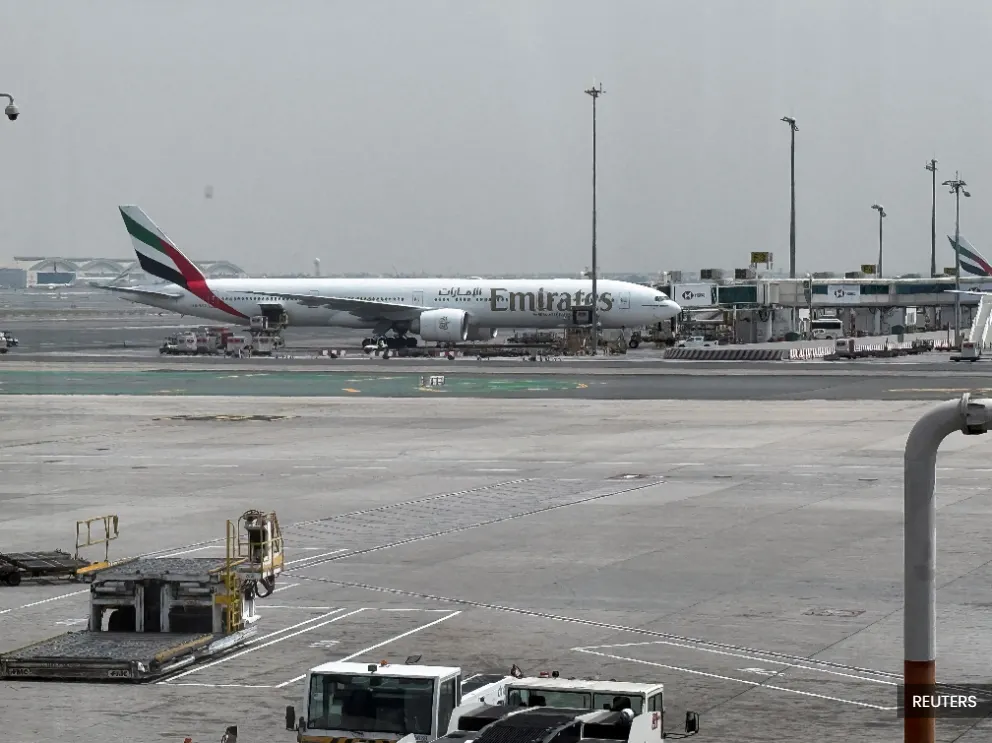
Major airports in the region, including Dubai, Abu Dhabi, and Doha, have been closed due to strikes by Iran in response to US and Israeli attacks. Dubai and Doha are major cargo hubs linking Europe with Asia and Africa, with airlines Emirates and Etihad and logistics firms such as DHL handling temperature-sensitive drugs that must be kept within a narrow range to remain safe and effective.
Antwerp Management School professor Wouter Dewulf cited industry data showing that over a fifth of global air cargo — the main route for critical or life-saving drugs and vaccines — is exposed to disruption in the Middle East.
One executive cautioned that alternative "cold-chain corridors", or temperature-controlled routes used for sensitive medicines, could not be set up overnight and were not always available.
Another pharmaceutical company executive said it had set up internal teams to prioritise patient-critical shipments, including cancer treatments, and warned some temperature-controlled shipments could miss connections unless proper storage and handling were secured.
A medical device company executive said the first step was to map shipments already in transit or ready to depart, then decide which pallets needed to be diverted and whether new shipments had to be planned.
The executive, who, like others, spoke on condition of anonymity to discuss internal operations, said some Europe-Asia cargo that typically moves through Dubai or Doha airports was being rerouted via China or Singapore. Sea routes were impractical due to longer journey times and the closure of the critical Strait of Hormuz by Iran.
"If you have an urgent surgery with a patient waiting for treatment, you have to choose the faster mode of transport," the executive said.

Hospitals could run low within weeks
The Council on Foreign Relations' senior fellow for global health Prashant Yadav said stocks of short shelf-life, temperature-sensitive and more expensive medicines were usually around three months, with cancer drugs, particularly monoclonal antibodies, among those at the highest risk.
Delays in the delivery of oncology medicines can have dire consequences for patients, who might be forced to restart a course of therapy or see their cancer worsen.
He added that the disruption was already a problem for some companies, with some customers warning they could run low on supplies within four to six weeks if things did not improve.
Over 100 participants from the pharma and logistics industries joined a webinar last week hosted by life sciences logistics group Pharma.Aero to discuss the Gulf crisis and its supply-chain and transport implications.
Industry is coping for now
Some logistics providers say the industry is coping for now. Freight company Kuehne+Nagel's healthcare air logistics head Dorothee Becher said carriers were flying into Jeddah, Riyadh, and Oman and using land routes to reach final markets.
"I do not see any risk yet that the inventory would go dramatically down," she said, adding that healthcare cargo was being prioritised.
But keeping shipments moving was a constant battle.
Biopharma logistics company Marken's chief operating officer Doaa Fathallah said cold-chain cargo was getting through, but only with round-the-clock re-routing as airspace restrictions shifted rapidly.
The re-routing means longer transit times and higher fuel costs, driving up transportation fees, she said, as well as the use of dry ice to keep medicines cold.
Executives have commented that the risks to the industry rise if the disruptions persist, as supplies in the Gulf and Asia run low.
Shipping snags could also affect products that pose indirect risks to drug supplies, including shortages of vial stoppers, intravenous bag plastics, and packaging materials.
"It is not always a shortage of the medicine itself. In some cases, it is the little stopper on the vial where the dosage is extracted," said David Weeks, who follows the supply chain industry for ratings agency Moody's.