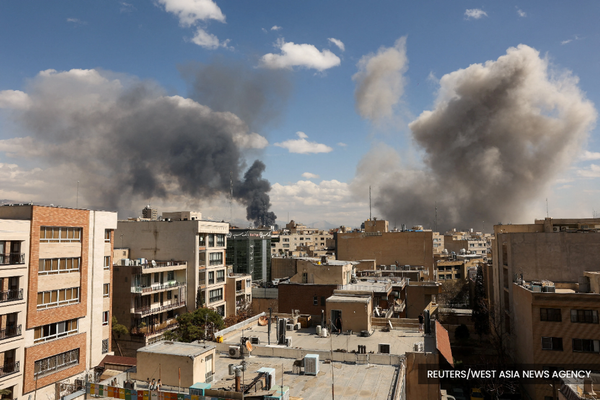
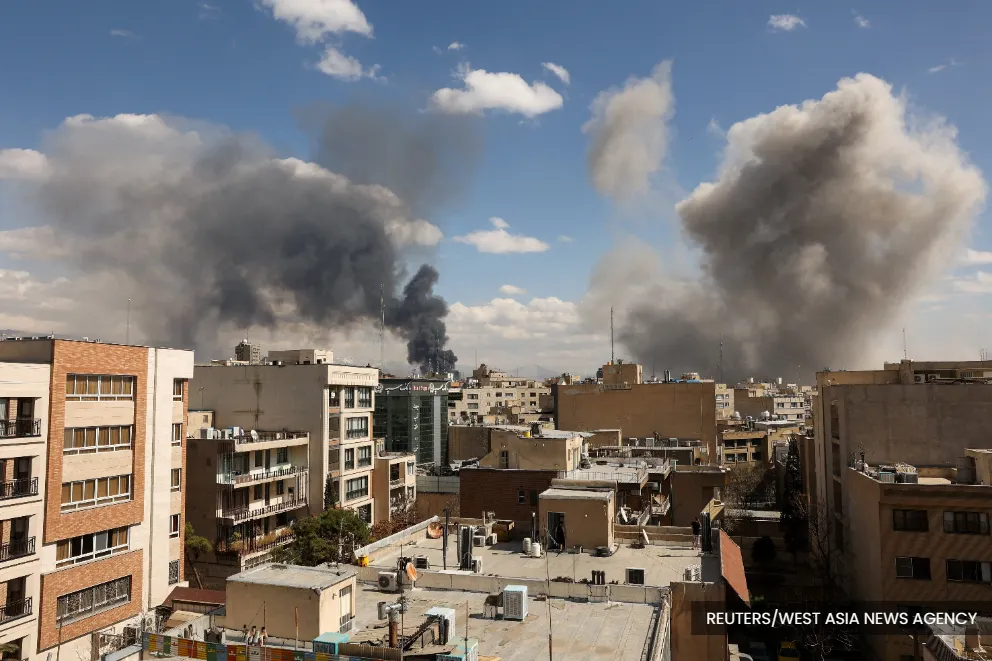
TEL AVIV/WASHINGTON, March 16 — Israel said it has detailed plans for a further three weeks of war as its military pounded sites across Iran overnight, while Iranian drone attacks temporarily shut Dubai airport and hit a key oil facility in the United Arab Emirates (UAE).
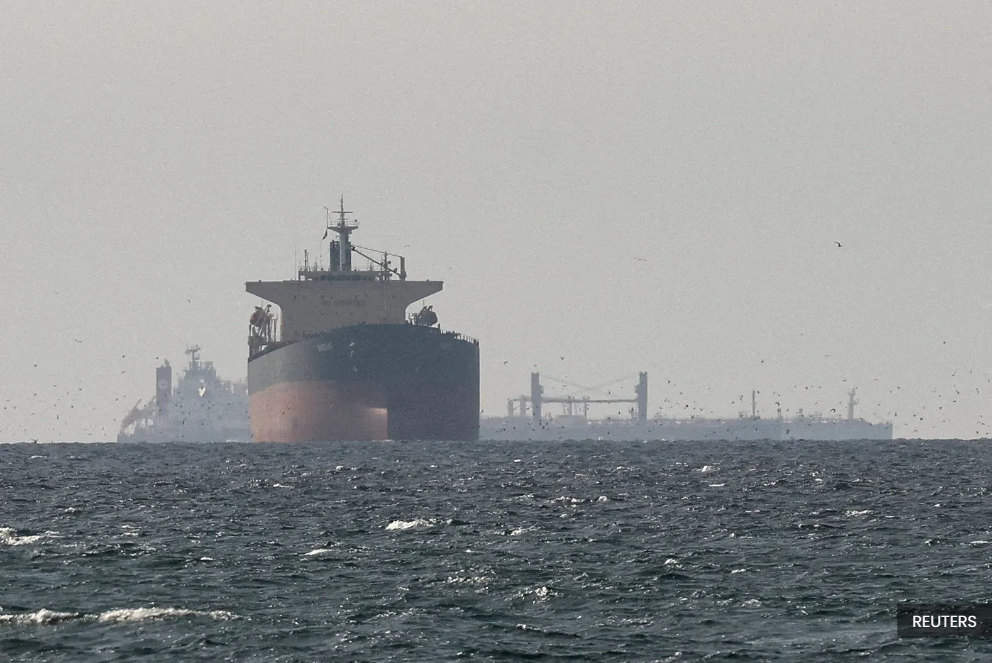
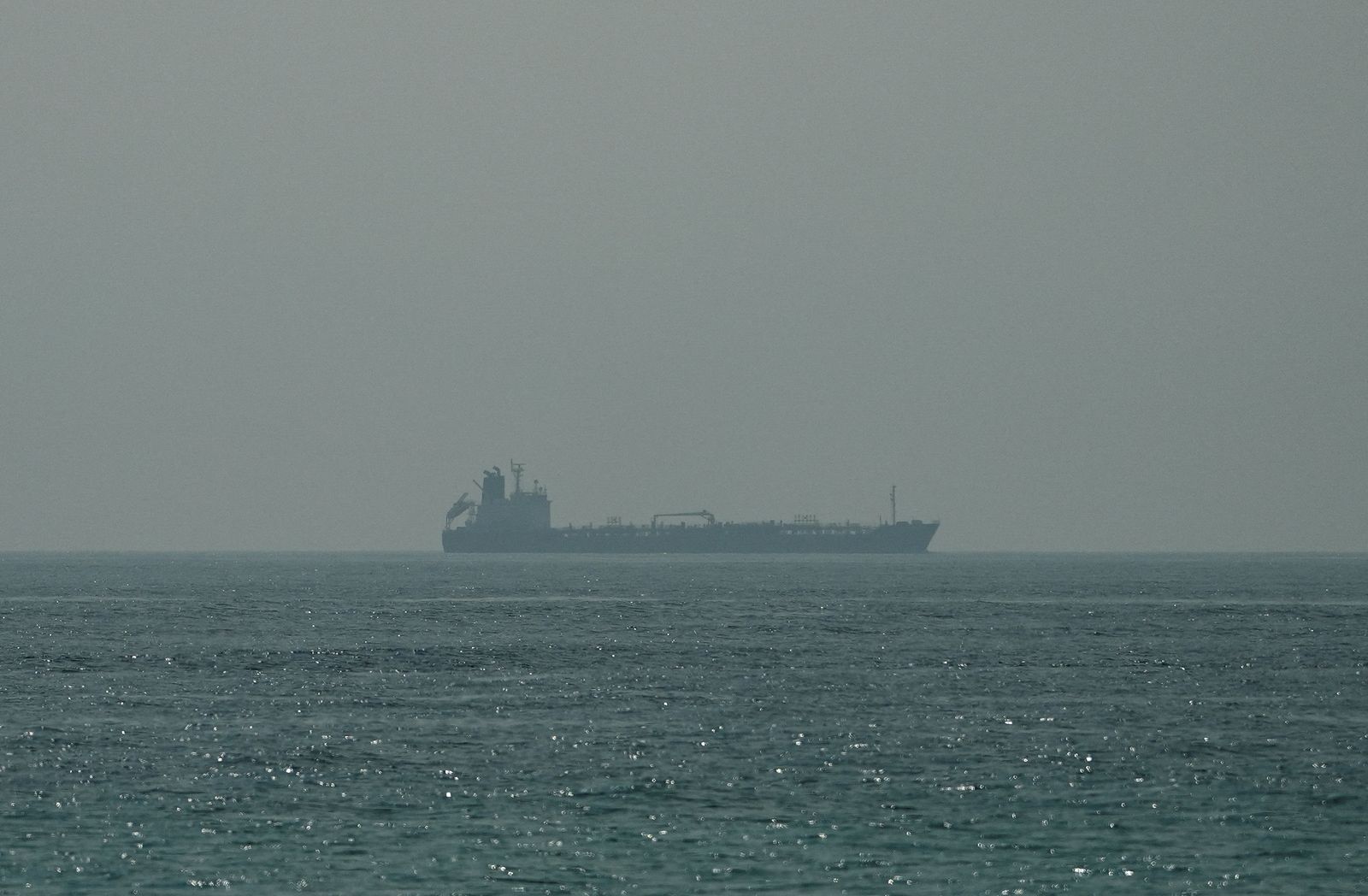
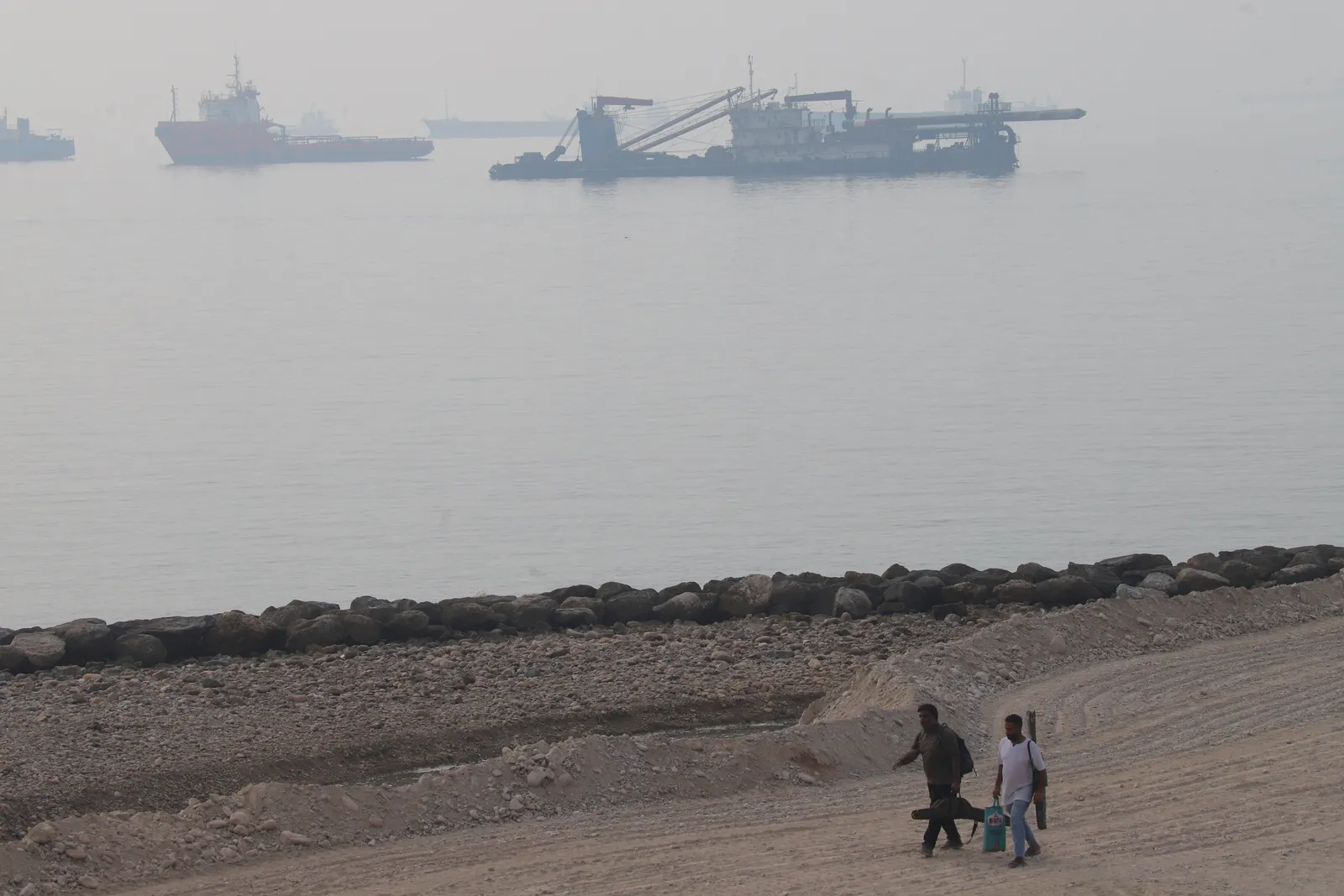
The United States (US)-Israeli war on Iran is now entering its third week, with no clear end in sight, shutting down the key Strait of Hormuz through which 20 per cent of the world's oil and liquefied natural gas flow, pushing up oil prices and raising fears of a renewed spike in global inflation.
US President Donald Trump on Sunday called for a coalition of nations to help reopen the vital shipping route and warned that the NATO alliance faces a "very bad" future if its members fail to come to Washington's aid.
In a briefing on Monday, Israeli military spokesman Lieutenant Colonel Nadav Shoshani told reporters that there are detailed operational plans for the war with Iran in place for the next three weeks, along with additional plans extending further ahead.
The military has framed its objectives as limited to weakening Iran's capacity to threaten Israel by striking ballistic missile infrastructure, nuclear facilities, and the security apparatus.
"We want to make sure that they are as weak as possible, this regime, and that we degrade all their capabilities, all parts, and all wings of their security establishment," he said.
The military, which has mobilised over 110,000 reservists, has said it still has thousands of targets to hit inside Iran.
Iran's semi-official Student News Network reported on Monday that Foreign Minister Abbas Araqchi said Tehran has not requested a ceasefire or exchanged messages with the US.
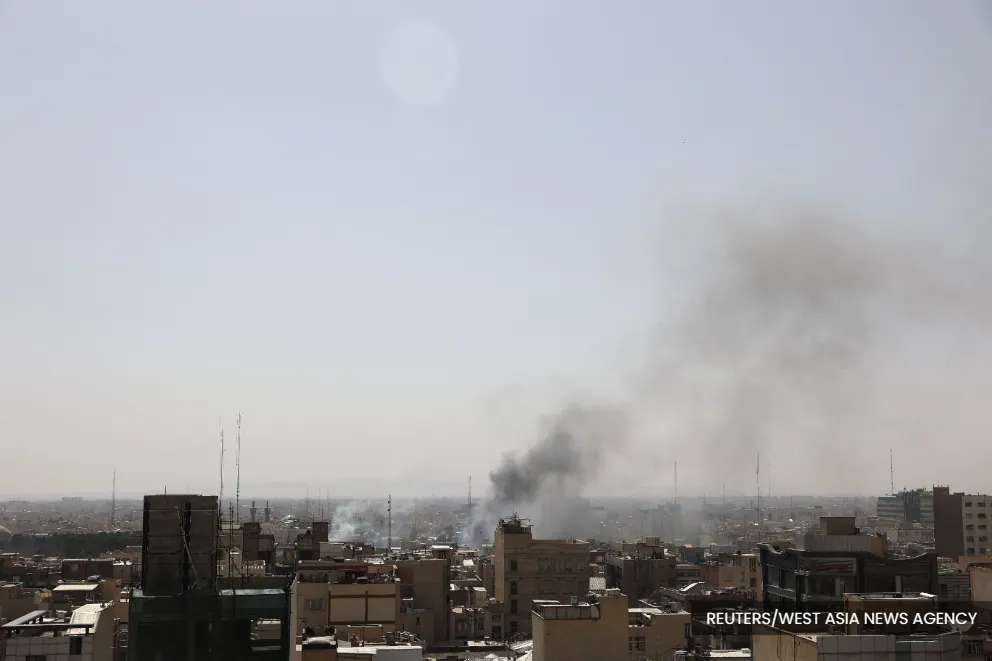
Heavy strikes reported across Iran
The Mehr news agency reported that five people were killed and seven wounded in overnight strikes hitting Markazi province in central Iran. A residential area on the outskirts of Arak city was attacked, as well as a residential building in the Mahallat county.
In Khomeyn city, also in Markazi province, a boys' school was targeted, causing some damage to the surrounding area. No casualties were reported.
On Monday, the Israeli military said it was carrying out air strikes on Tehran, Shiraz, and Tabriz against what it described as the infrastructure of the "Iranian terror regime".
The Fars news agency also reported that US and Israeli fighter jets had attacked areas in eastern Tehran near Shohada Square and Pirouzi Street early on Monday.
Shahnaz, 62, told Reuters via WhatsApp from Iran that there had been no Internet overnight.
"I am connected now through Starlink at a friend’s house. We feel cut off from the world. People are being killed.
It is just days before Nowruz (the Iranian New Year on March 20), but people are not in the mood to celebrate. When will this end?” said Shahnaz.
When asked if she supported the Islamic Republic, Shahnaz said, “No, I do not. How can I? They killed my granddaughter in (the January) protests. We want this regime to go. We want this misery to end.”
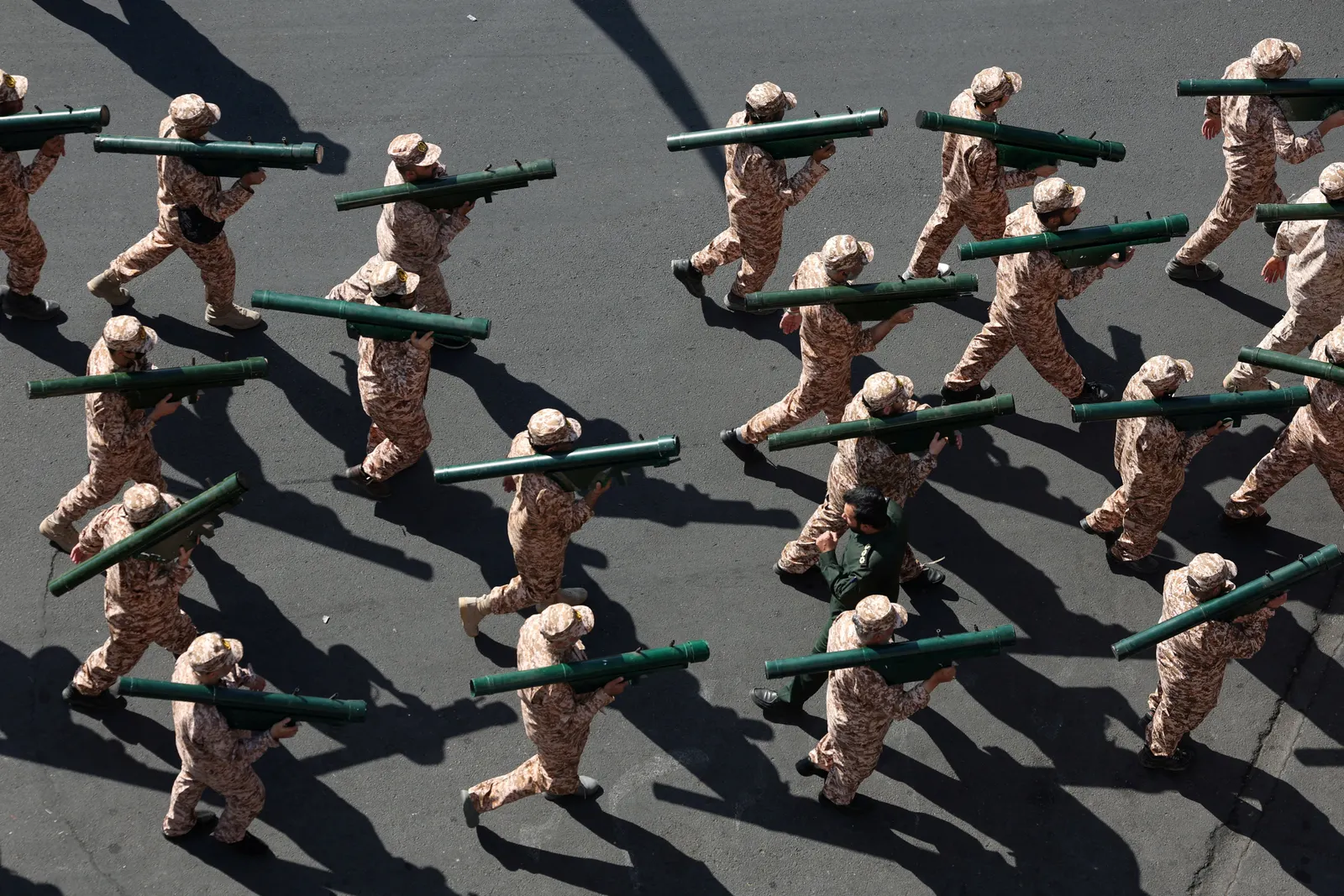
In Israel, air raid sirens warned of Iranian missiles fired at the country. Iran's Revolutionary Guards said that Tehran had launched attacks on areas in Tel Aviv, including air refuelling support centres. The US al-Dhafra air base in Abu Dhabi, the US naval base in Bahrain, and Bahrain's Sheikh Issa air base were also attacked.
Energy markets faced further disruption with oil loading operations suspended following an Iranian drone strike at the UAE port of Fujairah.
Located on the Gulf of Oman, the port is typically a critical exit point for about one million barrels per day of the UAE's Murban crude — a volume equivalent to roughly one per cent of global demand.
Flights at the Dubai International Airport, normally one of the world's busiest, were suspended for several hours after a drone strike on a nearby fuel storage facility that sent plumes of black smoke into the sky. Dubai authorities said they had contained a fire.
Meanwhile, state media reported that Saudi Arabia intercepted 34 drones in its eastern region in one hour. No injuries were reported in either incident.
Oil prices rose on Monday, with Brent crude rising more than one per cent above US$104.50, highlighting a key pain point for Trump as prices at US gasoline pumps rise while his Republican Party faces mid-term elections later this year.
On board Air Force One on the way from Florida to Washington on Sunday, he said he was demanding countries that rely heavily on oil from the Gulf to help protect Hormuz.
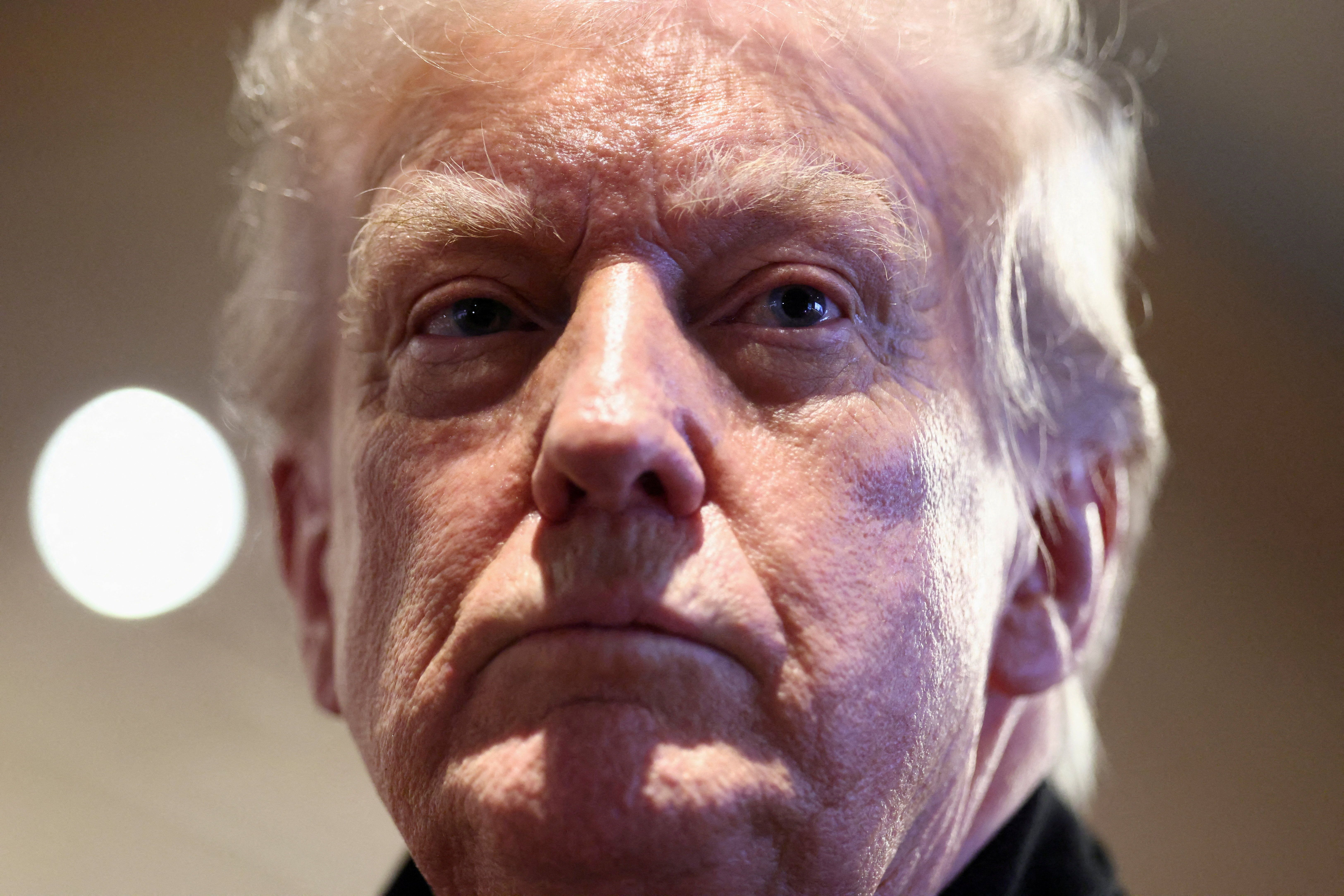
Trump may delay Beijing visit without China support
The President said his administration has already contacted seven countries, but did not identify them. In a weekend social media post, he said he hoped China, France, Japan, South Korea, the United Kingdom, and others would participate.
Japan later said it had no plans to dispatch naval vessels to the strait, and Australia, which has said it would send a military surveillance aircraft and missiles to help defend the UAE from Iranian attacks, also said it would not send its navy.
On Sunday, Trump told The Financial Times that he expected China to help unblock the strait before his scheduled meeting with President Xi Jinping in Beijing at the end of the month, and that he might postpone his trip if it did not provide assistance.
The Chinese Foreign Ministry did not immediately respond to a Reuters request for comment.
Diplomats and officials have stated that European Union foreign ministers will discuss on Monday bolstering a small naval mission in the Middle East, but are not expected to decide on extending its role to the choked-off Strait of Hormuz.
Israel continued to strike Lebanon and Gaza, attacking militants from the Iran-backed Hezbollah and Hamas. On Monday, the military said that troops had begun limited ground operations against positions in southern Lebanon held by Hezbollah.