BANGKOK, March 16 — The ripple effects of the global energy crunch are starting to be felt in Thailand, prompting people to rethink how they work, travel, and run their businesses.
Across the country, from busy restaurant kitchens in the south to government offices in the capital, rising global oil prices and uncertainty over fuel supplies are gradually reshaping daily routines.
Thailand, which relies heavily on imported crude oil, particularly from West Asian countries, is feeling the pressure as authorities roll out a series of measures to conserve energy and cushion the economic impact.
For business owners like Fahmi Talek, the developments are being watched with cautious concern.
The 36-year-old owner of the Banlay seafood restaurant chain said rising fuel prices could eventually ripple through the supply chain and push up ingredient costs.
Fahmi, who operates 15 restaurants mainly in Thailand’s southern provinces, said the country is particularly vulnerable to oil price shocks because it is a net importer of oil and energy.
“Once oil and diesel prices increase, it will affect the cost of imported ingredients, especially seafood and other consumable items,” he told Bernama when contacted today.
Fahmi added that higher import costs would eventually have a knock-on effect on the prices of goods and services nationwide.
For now, however, his business is trying to shield customers from the immediate impact.
"Currently, we have not received any increase in raw material prices, and we intend to absorb the rising costs for as long as we can. We do not want to burden our customers by increasing the prices of our food,” Fahmi said.
While the government has announced measures to stabilise fuel prices, reports of fuel shortages have surfaced in several provinces, with petrol stations limiting how much motorists can purchase.
Despite these concerns, daily life in Bangkok appears largely undisturbed.
At popular food districts such as Ban That Thong Road and the bustling Yaowarat Road in Chinatown, the aroma of grilled seafood, noodles, and stir-fried dishes still drifts through the evening air as street vendors continue serving long lines of customers.
So far, there have been no reports of cooking oil or gas shortages, and prices at many roadside stalls remain unchanged, offering reassurance to residents who rely on affordable street food for their daily meals.
Last week, local media reported that the country imports about 50 per cent of its oil through the Strait of Hormuz, a vital global shipping route for energy supplies.
To reduce the risks, the government has moved to secure additional oil imports from other sources, including the United States and Malaysia, while boosting national reserves to cover up to 95 days of consumption.
At the same time, authorities have introduced temporary work-from-home (WFH) measures for civil servants and employees of state enterprises as part of efforts to reduce fuel consumption and ease pressure on energy supplies.
For some government workers, the adjustment has already begun.
Bangkok-based Sports Authority of Thailand employee Jamal Jitmoud, 50, said he was instructed to begin working from home starting today.
In his office with eight staff members, only two employees are allowed to report to the workplace each week, while the rest carry out their duties remotely.
“While working from home, I can save on fuel and commuting time, but I will probably spend more on electricity,” he said.
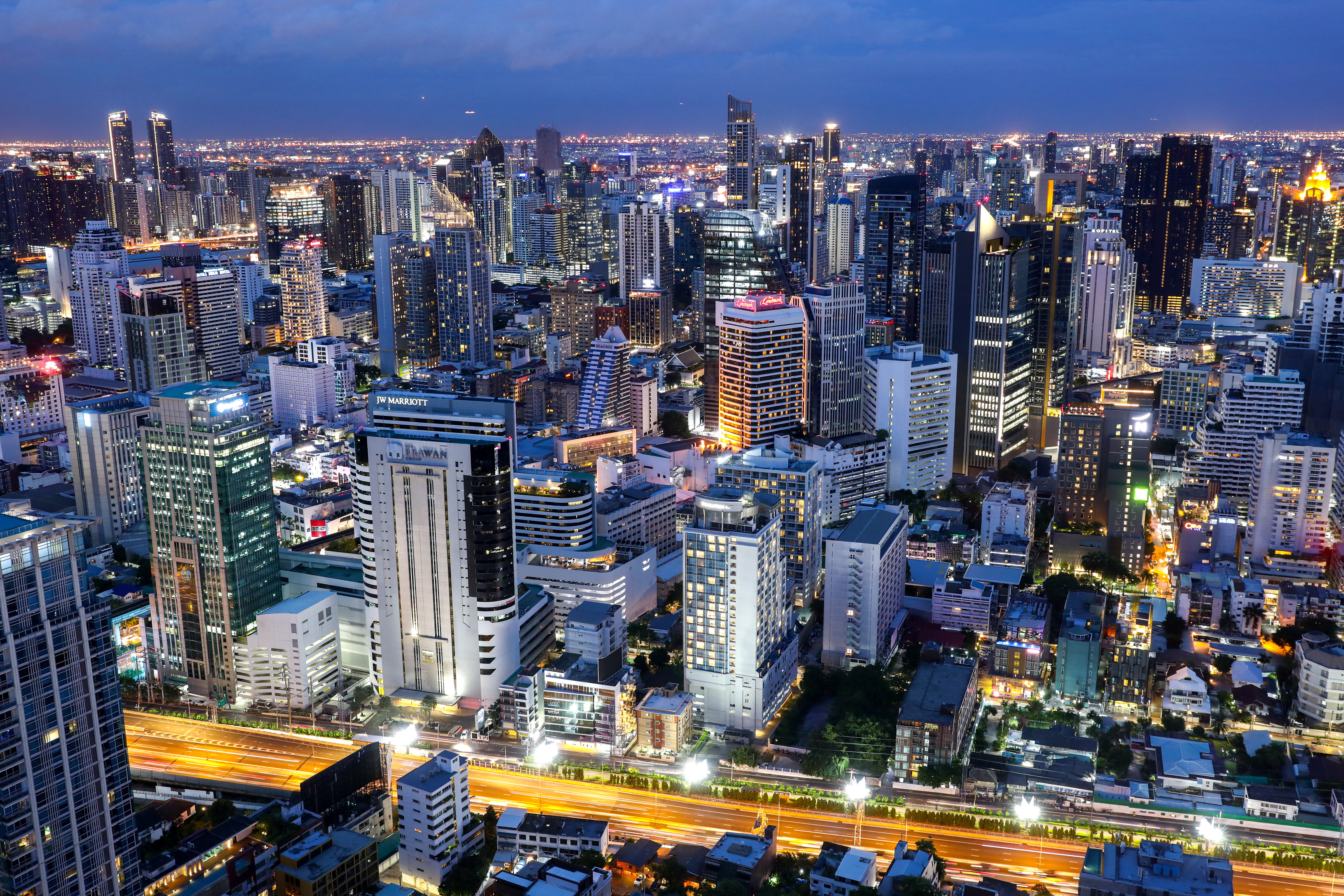
Even as global energy markets remain volatile, the rhythm of life in Bangkok continues much as usual.
Markets remain lively, roadside stalls hum with activity, and commuters still pack buses and trains during the morning rush.
A Bernama check in the city found that public transport services were crowded, while traffic on several major roads appeared slightly lighter than usual during peak hours — perhaps an early sign that some residents are beginning to adjust their routines in response to the energy-saving measures.
For now, the changes are subtle, but for many in Thailand, the energy crunch is already becoming a quiet presence in daily life.