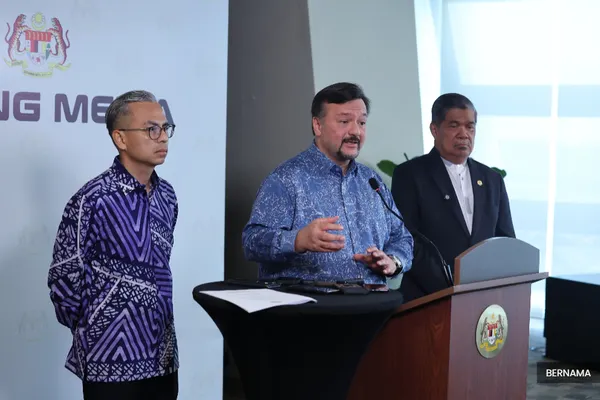
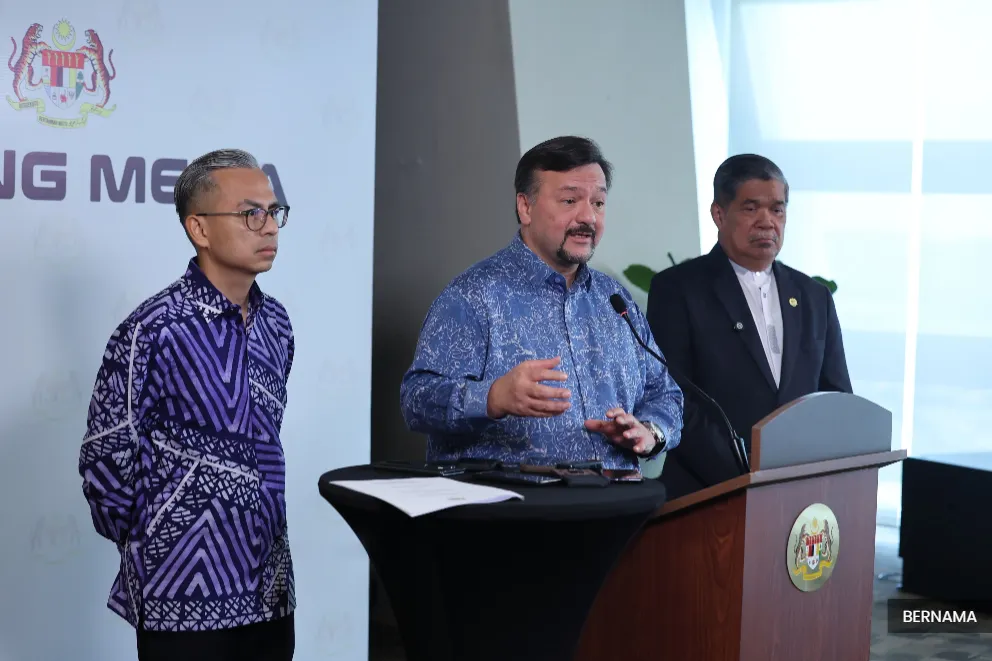
KUALA LUMPUR, March 16 — No economic stimulus package will be introduced at present in response to the Middle East conflict, said Finance Minister II Datuk Seri Amir Hamzah Azizan.
He added that the government is currently focusing on short-term measures to maintain economic stability while monitoring developments that may affect the country.
“I think the key point is that we do not yet know whether the crisis in the Middle East will persist. If it does not, I do not think there is any need to implement an economic stimulus package. At present, our approach is to ensure stability over the short term,” he told reporters after the Malaysia Co-Investment Fund (MyCIF) Engagement Day today.
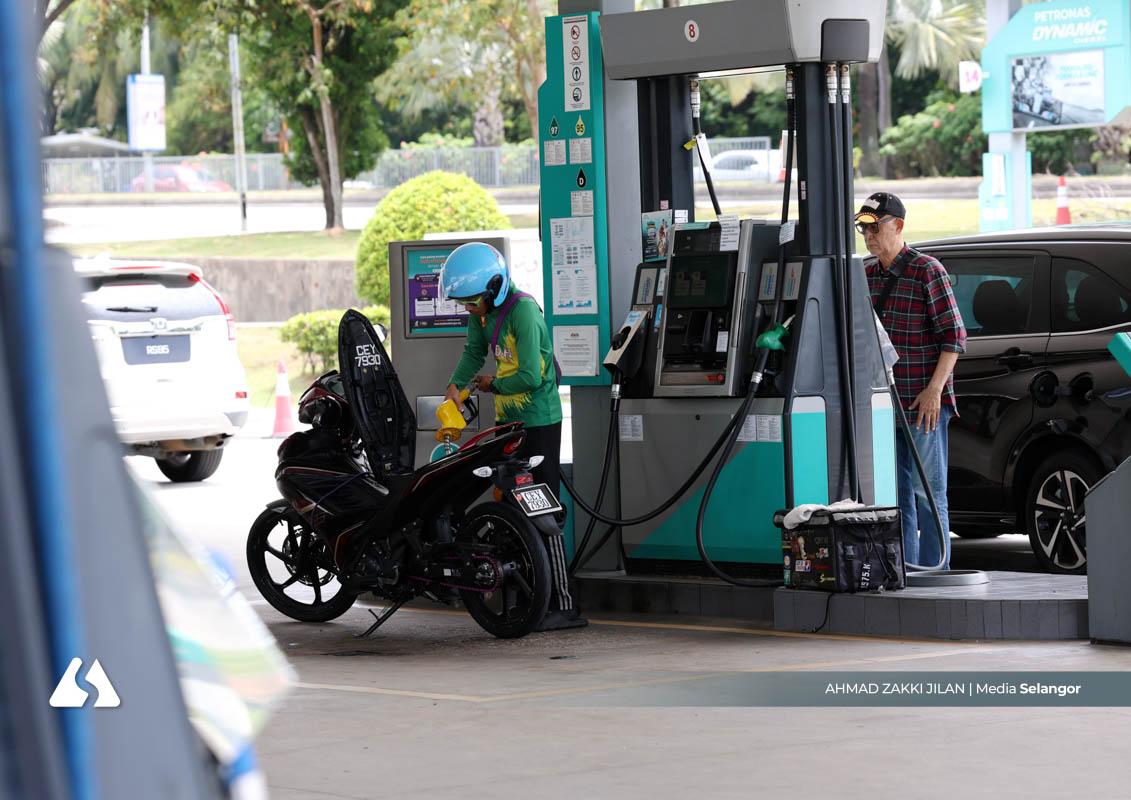
Earlier, Prime Minister Datuk Seri Anwar Ibrahim said Malaysia’s oil supply remained secure, with checks from Petronas confirming that the country’s petroleum products would last at least until May.
Amir Hamzah added that the government is also mindful of the public’s needs during the festive season, when demand for fuel usually rises due to increased travel and consumption.
He said oil companies are experienced in managing seasonal surges, taking proactive steps such as boosting supply and placing additional storage tanks in high-demand areas to prevent disruptions.
“The government’s approach is to safeguard the medium and long term. We are working with agencies to ensure supplies remain stable. Petronas and other oil and energy companies will continue to increase stockpiles to replenish what is consumed domestically,” he said.
Previously, Amir Hamzah stated that the government bears RM3.2 billion a month in fuel subsidies, with petrol subsidies rising to RM2 billion and diesel to RM1.2 billion monthly, up from RM700 million.
“At present, the government’s approach is to support the public amid visible pressures, but we also urge citizens and domestic companies to exercise caution. If there are ways to reduce energy usage or consumption of other affected items, it will help. The impact is not only on Malaysia but globally,” he added.
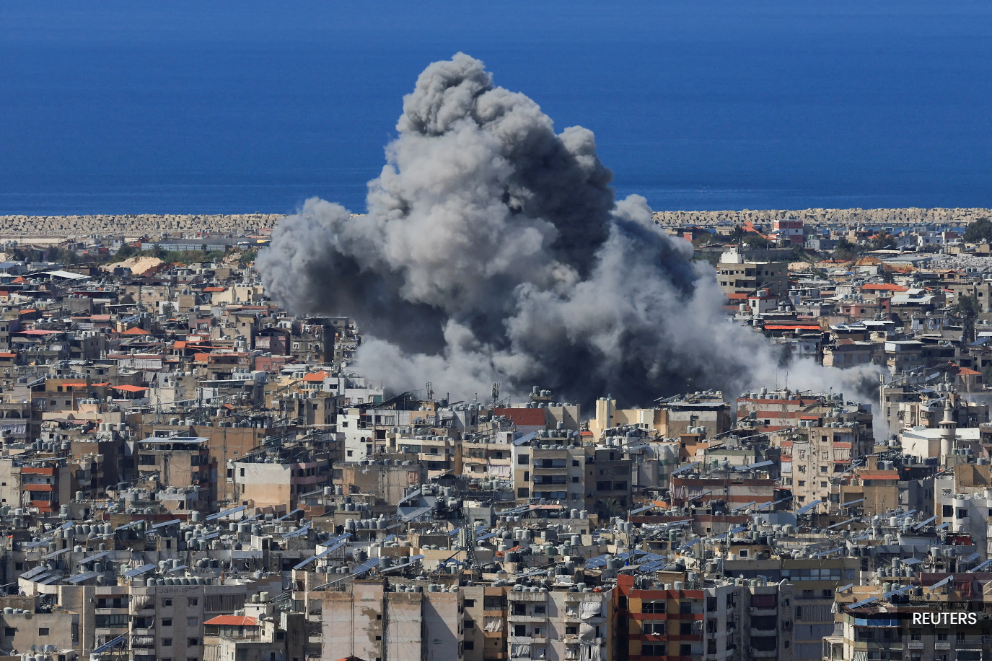
The West Asia conflict began on February 28 when the United States and Israel launched attacks on Iran, which Tehran responded to with missile and drone strikes targeting US and allied interests.
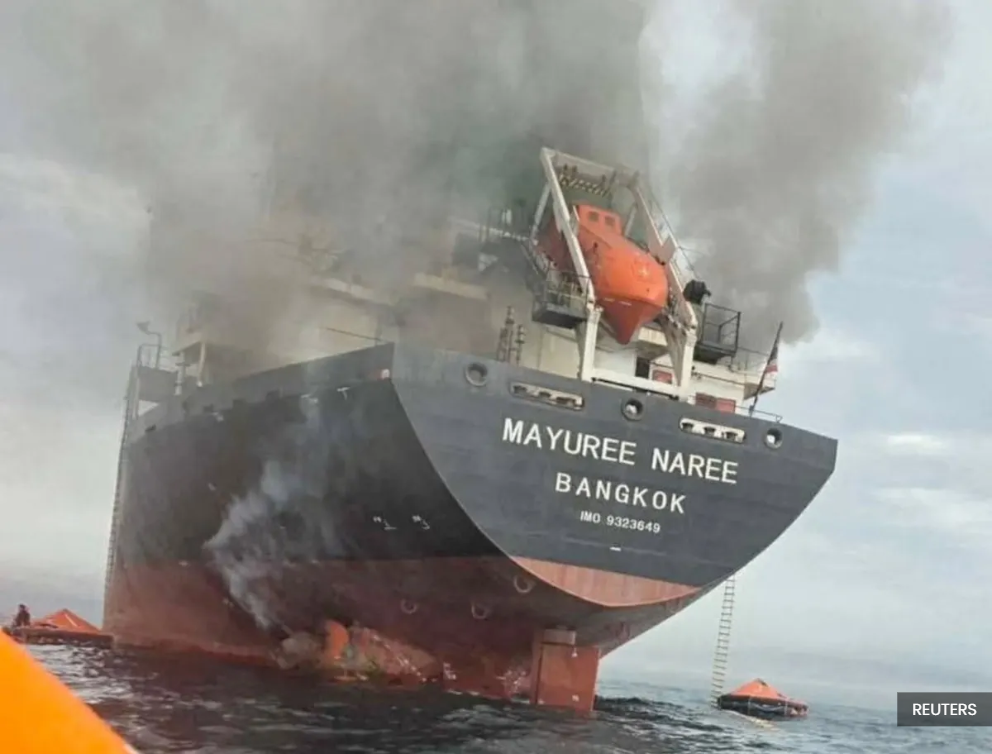
The tensions have also affected global energy markets, as the Strait of Hormuz — which handles around 20 per cent of the world’s oil supply — was disrupted by Iranian threats and actions restricting shipping.
The situation has caused oil prices to fluctuate amid concerns over potential disruptions to energy supply.