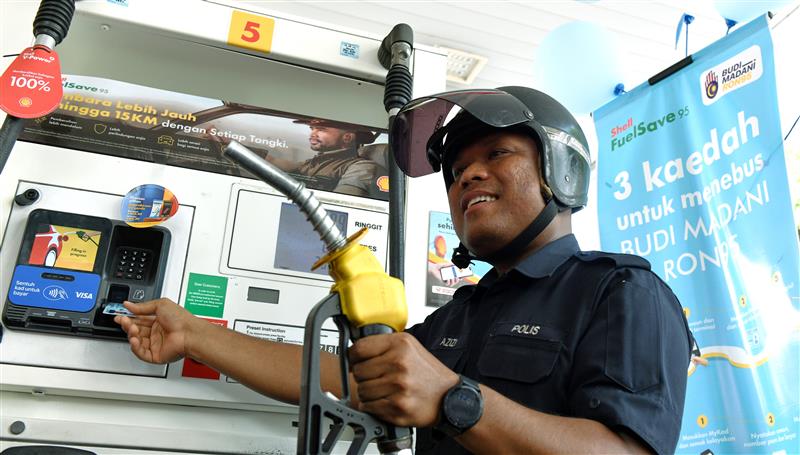
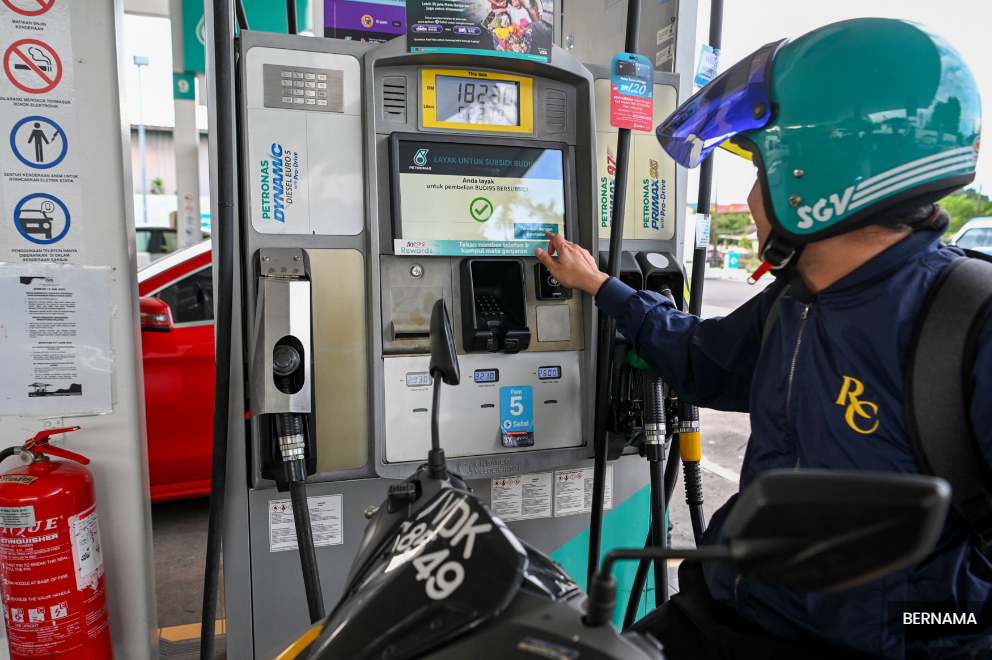
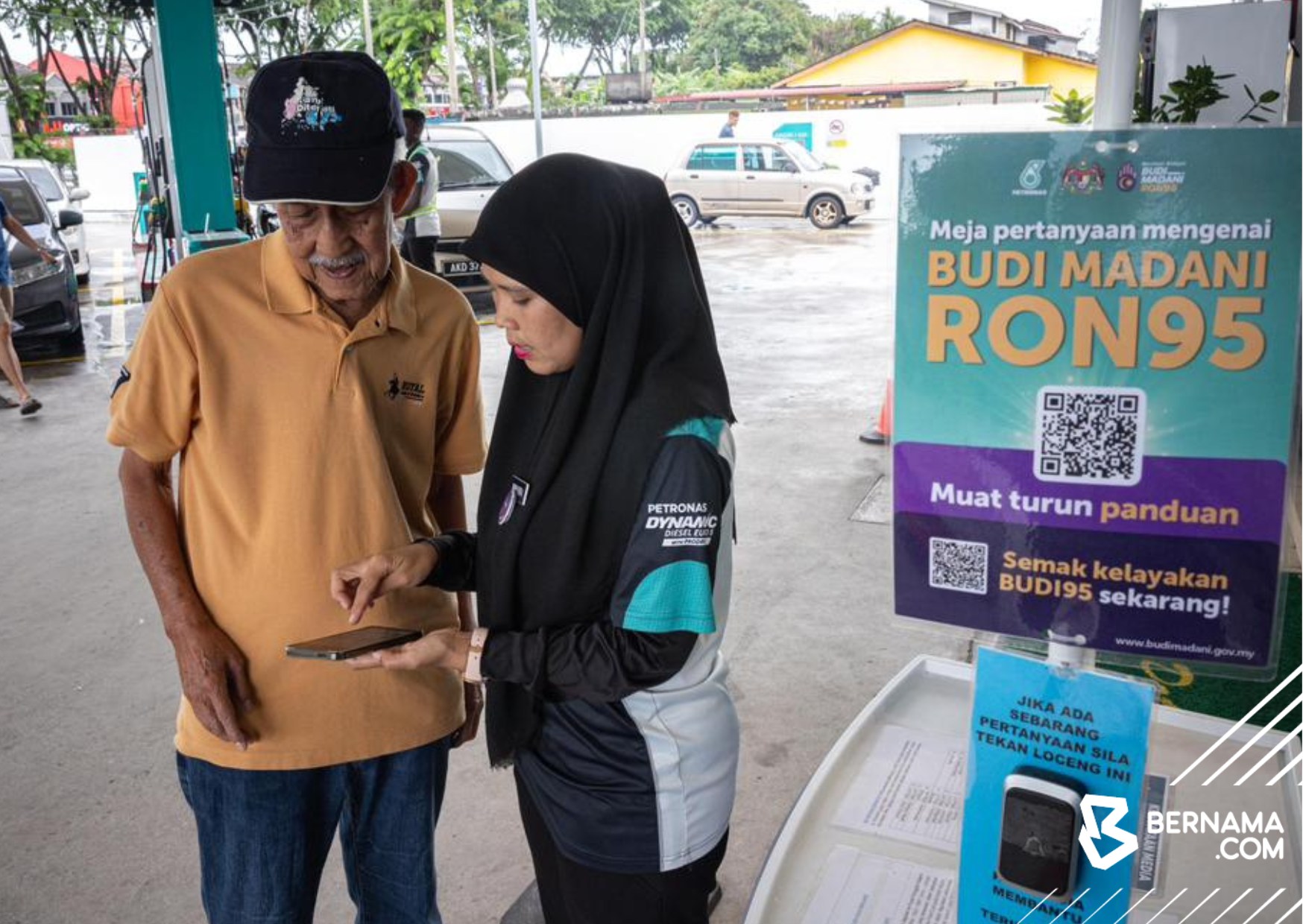
KUALA LUMPUR, March 15 — The BUDI MADANI RON95 (BUDI95) initiative introduced by the government in September last year has the potential to evolve into a national-scale data management ecosystem beyond its role as a mechanism to target petrol subsidies.
Universiti Teknologi Malaysia's (UTM) Computing and Artificial Intelligence Department senior lecturer Mohamad Shukor Talib said the initiative represents a strategic big data platform, as it involves the profiles and economic behaviour of nearly 33.4 million residents.
The data includes critical information such as user profiles, transaction patterns, and the time and volume of monthly petrol consumption, which could support future national planning.
“Big data management requires large storage capacity and efficient algorithms to ensure quick access and data accuracy, while emphasising security to prevent loss or manipulation,” he told Bernama.
Shukor added that machine learning enables algorithms to analyse data and learn patterns, generating insights that could assist the government.
“These algorithms can forecast future petrol consumption and classify BUDI95 usage into relevant groups,” he said.
Such projections could account for factors like time, peak periods, festive seasons, and vehicle types, enabling the government to identify consumption profiles ranging from low users to those exceeding subsidy limits.
Meanwhile, UTM Built Environment and Surveying Faculty senior lecturer Mohammad Zakri Tarmidi said the effectiveness of BUDI95 could be enhanced by integrating Geographic Information System technology with location-based analysis.
“With geospatial data, authorities can map areas with a high concentration of residents eligible for BUDI95,” he said.
Location-based analysis could help identify consumption hotspots, stabilise petrol logistics, particularly in rural areas, and detect unusual usage trends through integration with Internet of Things sensors.
Zakri noted that geospatial data integration could also help identify “white areas” with limited access to petrol stations, enabling the government to plan incentives for new stations.
“Without geospatial data, BUDI95 information would become ‘blind data’, meaning it lacks location context.
“With geospatial integration, data visualisation improves and enables more accurate and efficient decision-making,” he said.
Both academics agreed that data security and privacy must be prioritised, including the use of anonymisation techniques and end-to-end encryption to ensure transparency and maintain public trust.
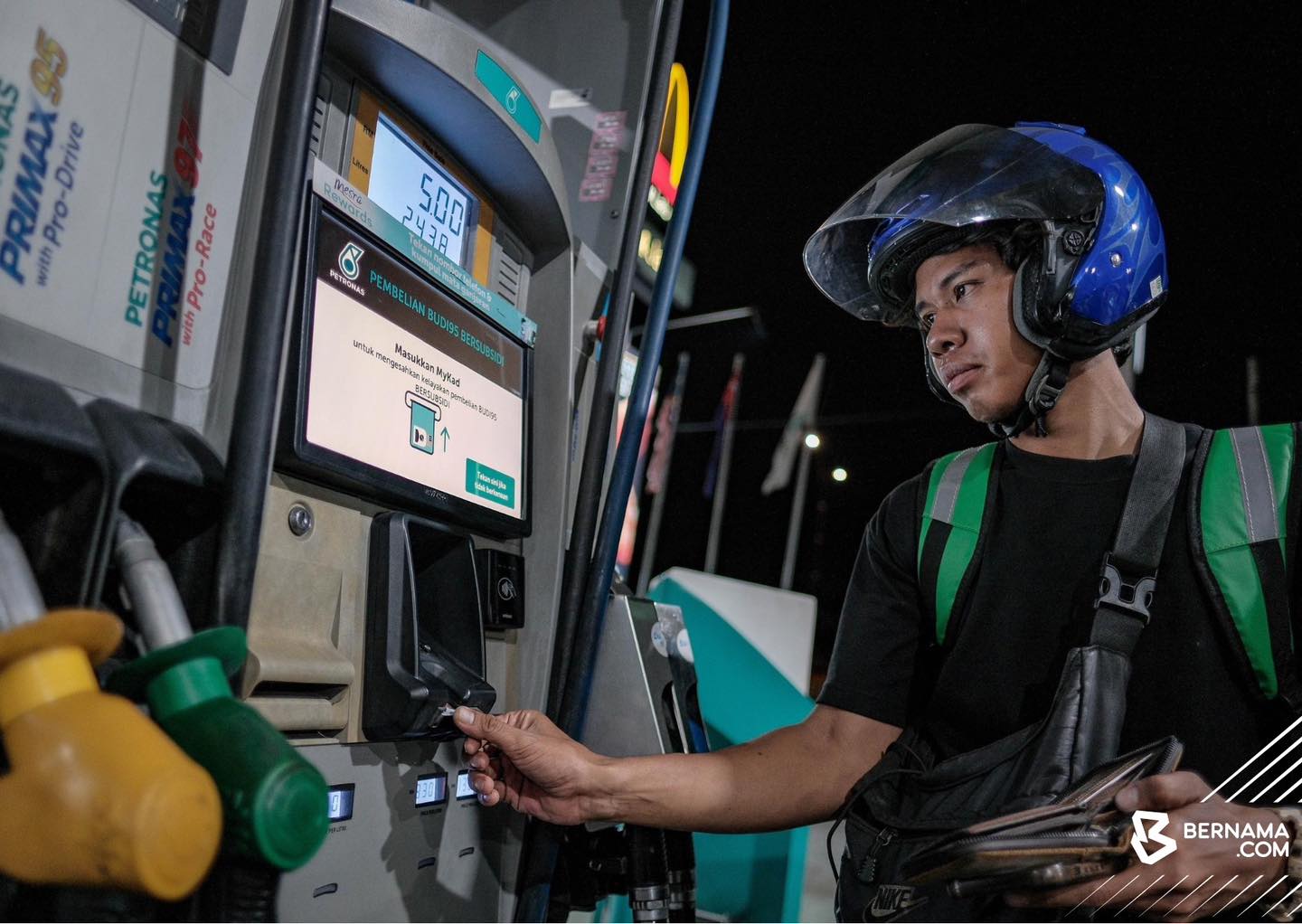
Under the BUDI95 programme, Malaysian citizens aged 16 and above who hold a MyKad and an active driving licence are eligible to purchase subsidised RON95 petrol at RM1.99 per litre, with a monthly limit of up to 300 litres.