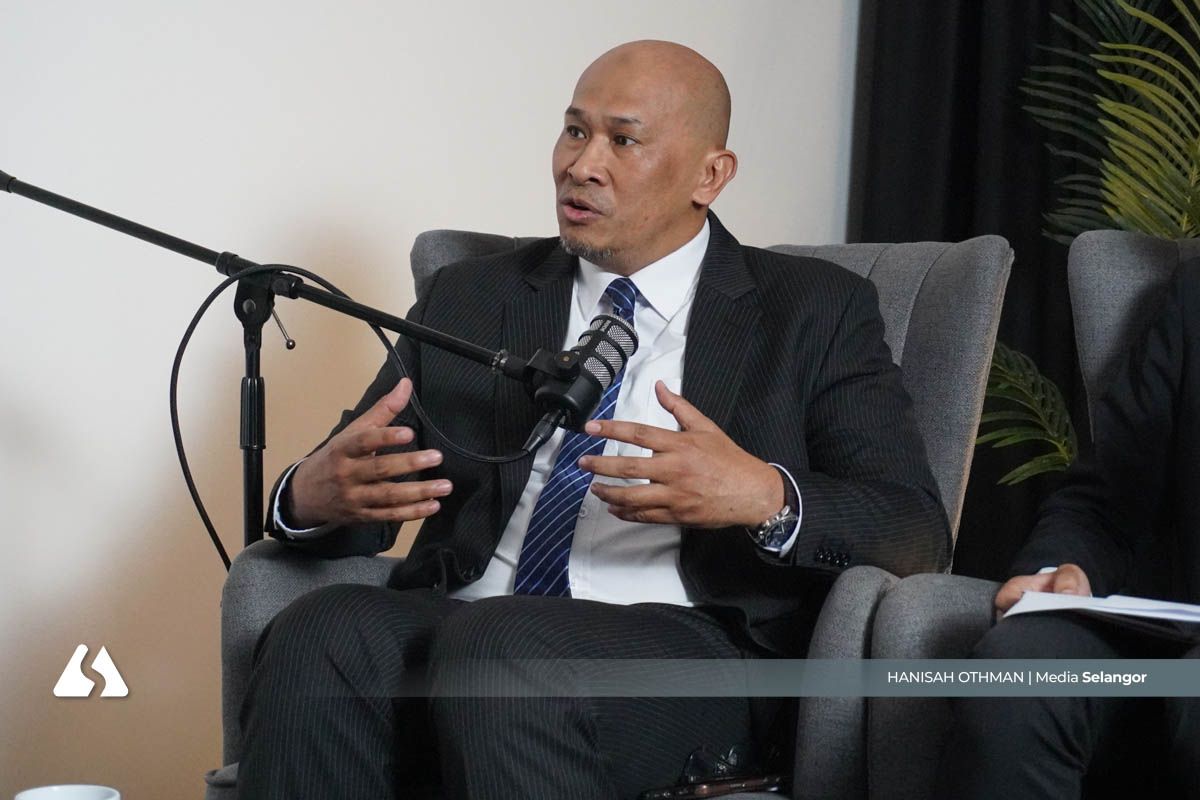
KUALA LUMPUR, March 15 — Bank Muamalat Malaysia Bhd chief economist Mohd Afzanizam Abdul Rashid said policymakers are likely to assess the situation before raising interest rates to contain inflation resulting from the impact of the conflict in West Asia and surging oil prices.
He was responding to some quarters that said Bank Negara Malaysia (BNM) should raise rates to contain inflation.
On March 5, BNM governor Datuk Seri Abdul Rasheed Ghaffour told Bernama that the central bank is closely monitoring global developments, including oil prices, potential supply disruptions, and financial market volatility. The central bank expects to disclose its assessments later this month.
“My sense is that BNM would want to see whether the current shocks will have any material impact on growth or inflation. Some may argue that BNM should raise the interest rate to keep inflation at bay.
“I believe BNM will look into the cause of inflation. The main issue here is whether there is going to be supply shortages on oil and whether the government would adjust their current subsidies mechanism whereby, at the current juncture, every income level will enjoy the subsidies,” Afzanizam told Bernama.
He noted that Malaysia is in a relatively better position as it is an oil-producing country.
Malaysia continues to record a trade surplus in the oil and gas industries, totalling RM18.2 billion in 2025, up from RM13.2 billion in 2024, largely underpinned by surpluses in refined petroleum and liquefied natural gas.
“It is also a function of government subsidies to help cushion the impact on inflation,” Afzanizam said.
Nonetheless, the economist suggested that fuel subsidies may need to be reviewed if the current situation persists.
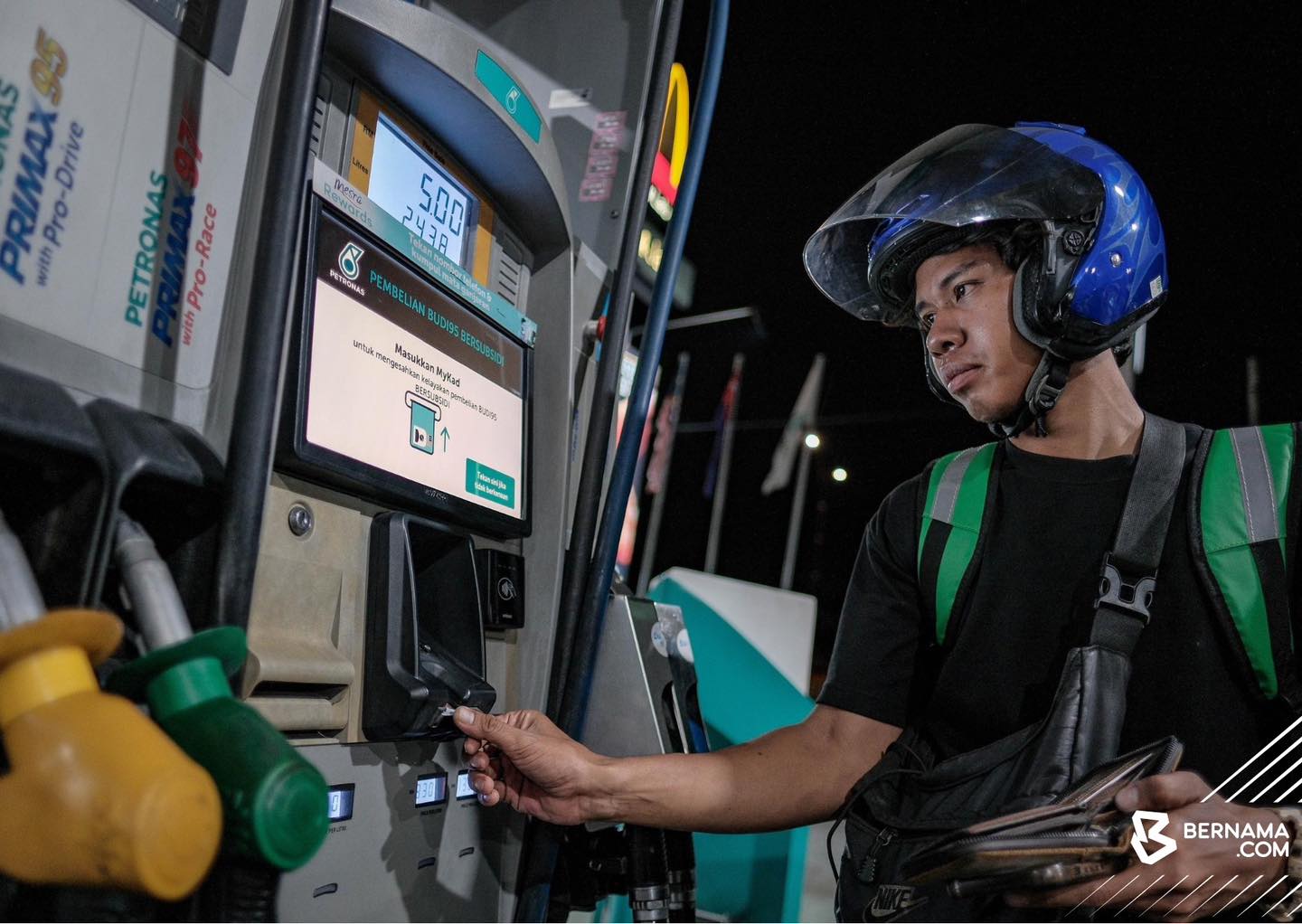
“With MyKad, the government should be able to target the eligible recipient based on income level. We have seen that MyKad has been effective in distributing the BUDI95 (targeted fuel subsidy).
“Perhaps, the next stage is to target the subsidies based on income level, where those in the high-income cohort can be exempted from receiving the fuel subsidies,” he said.
The risk of higher inflation is becoming apparent, and Afzanizam cautioned that rising prices could also weigh on economic growth as households and businesses would tend to curb spending.
“There is no one-size-fits-all solution. But we do think the downside to growth has become elevated. As such, we are not in the camp that calls for monetary tightening at the current juncture,” he said.
Nonetheless, government spending on fuel subsidies will increase when international oil prices rise.
In 2022, total expenditure on petroleum subsidies amounted to RM23.1 billion, with the average Brent crude price at US$99.0 per barrel.
The expenditure on petroleum subsidies fell to RM19.7 billion in 2024, when the average Brent price was US$79.9 per barrel.
Finance Minister II Datuk Seri Amir Hamzah Azizan said the government’s monthly petrol subsidy has increased to RM2 billion, while the diesel subsidy has risen to RM1.2 billion per month, totalling RM3.2 billion per month, up from RM700 million previously.
During a media conference after a special Cabinet meeting on Friday (March 13), he said the government is working to extend Malaysia’s oil supply security and ensure domestic supply remains stable following the conflict in West Asia.
Efforts to obtain new supplies to replace those used by consumers are ongoing by Petronas and other oil companies.
“So, subsidies will move in tandem with the international oil prices,” Afzanizam said.
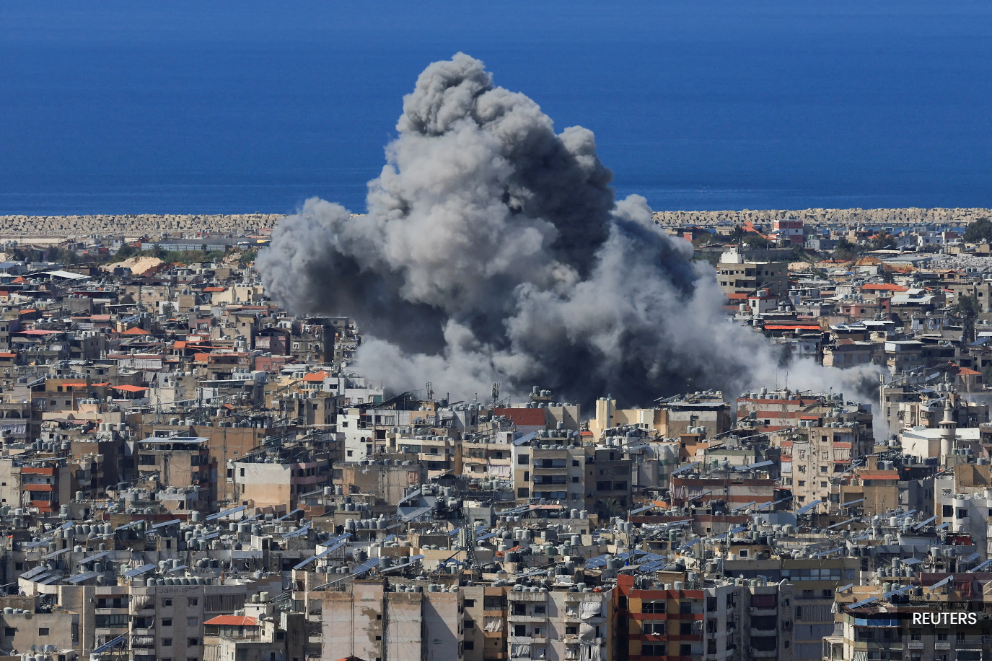
The market would want to see the possibility of a de-escalation in the conflict in West Asia, although this currently appears remote.
He said the war has cost the United States (US) tremendously within the first six days, with Washington having spent more than US$11.3 billion.
“This is not going to go well with the upcoming US midterm election in November. Israel is also going for legislative elections sometime in October.
"Perhaps, at some point, there could be some compromise between the two forces,” Afzanizam said.
For now, crude oil prices are likely to remain elevated, and markets are grappling with a new reality in which geopolitical risks have become more entrenched, and governments are scrambling to find the right policy response.
Some economists are discussing the possibility of crude oil prices hitting US$200 per barrel, the same figure a Goldman Sachs analyst forecast during the 2008 oil shock.
“So, higher crude oil prices are going to be the focus. Thus far, both parties, the US-Israel and Iran, have not indicated any signs of backing down. Therefore, elevated crude oil prices are here to stay,” he said.
Energy security is the heart of the problem, and measures to ensure the sufficiency of oil supplies have become the immediate priority.
While the topics of energy transition and sustainable economy have been discussed globally, recent developments highlight that the world remains vulnerable to oil supply shocks.
On that note, Afzanizam said more needs to be done to accelerate the share of renewable energy in the total energy mix.
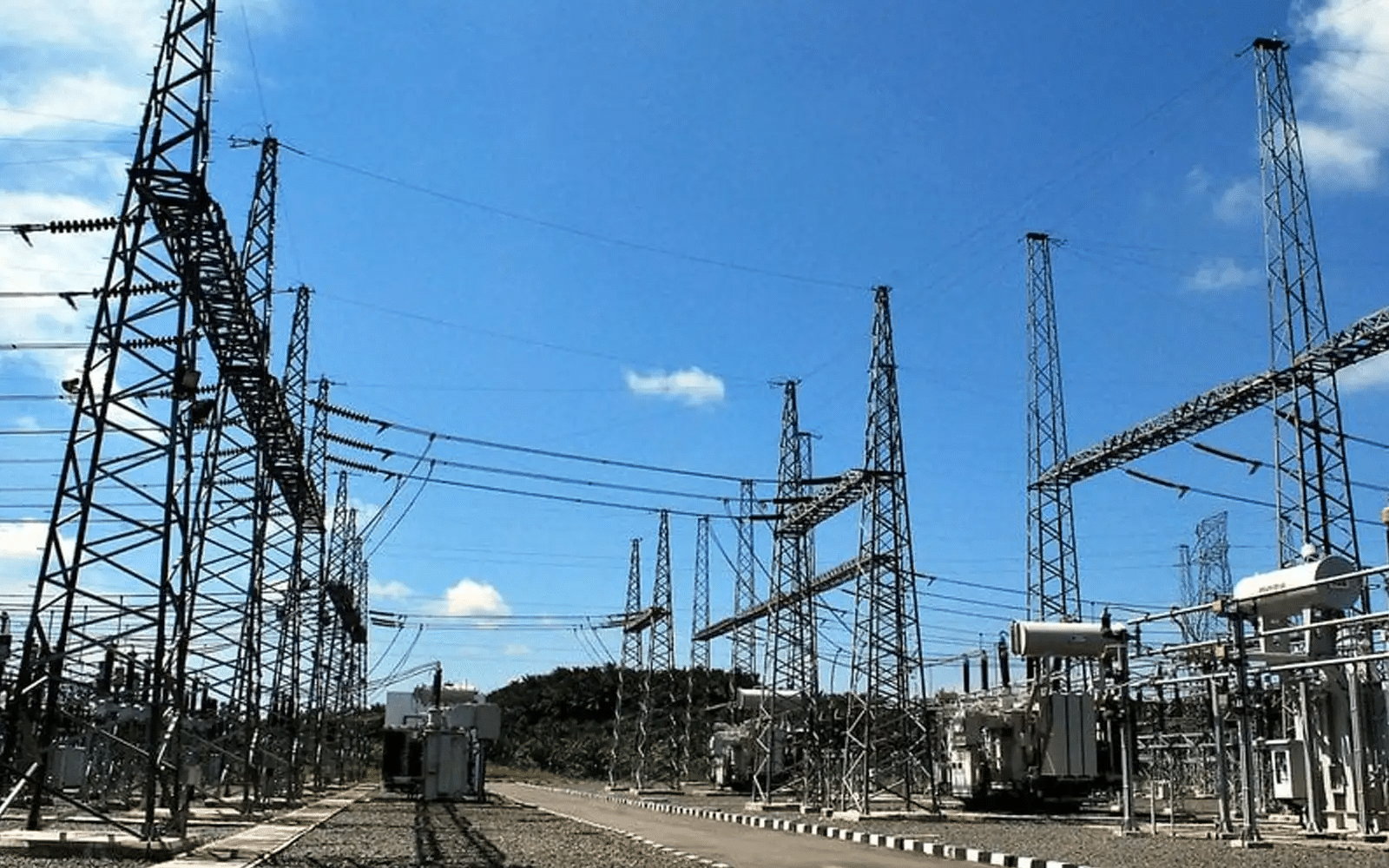
Based on the latest Tenaga Nasional Bhd data, coal and gas accounted for 92.4 per cent of the total energy mix in 2025 versus 96.0 per cent in 2018, while solar and hydro constituted 7.2 per cent in 2025 compared with 3.9 per cent in 2018.
At the same time, EV registration jumped 105.7 per cent in 2025 to 44,813 units versus a year ago, according to Road Transport Department (JPJ) data. In the first two months of 2026, JPJ reported that EV registrations rose 156.4 per cent to 9,874 units compared with the same period in 2025.
“Therefore, the progress has been commendable. However, it needs to be accelerated,” he said.