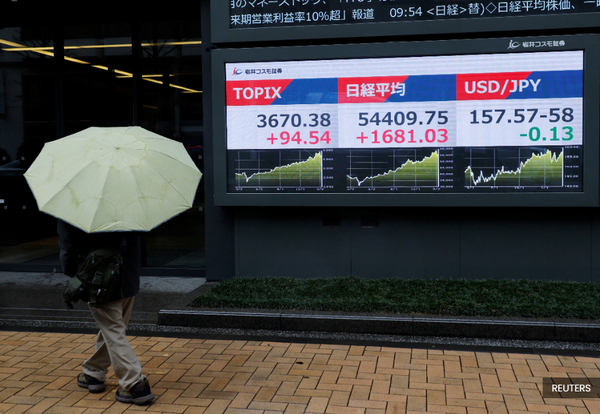
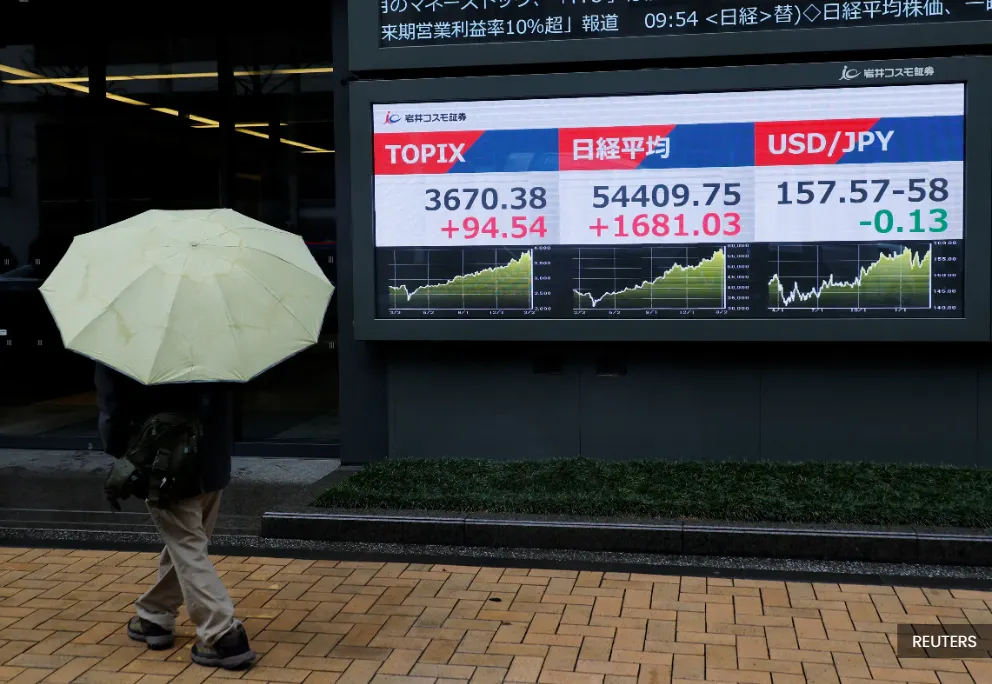
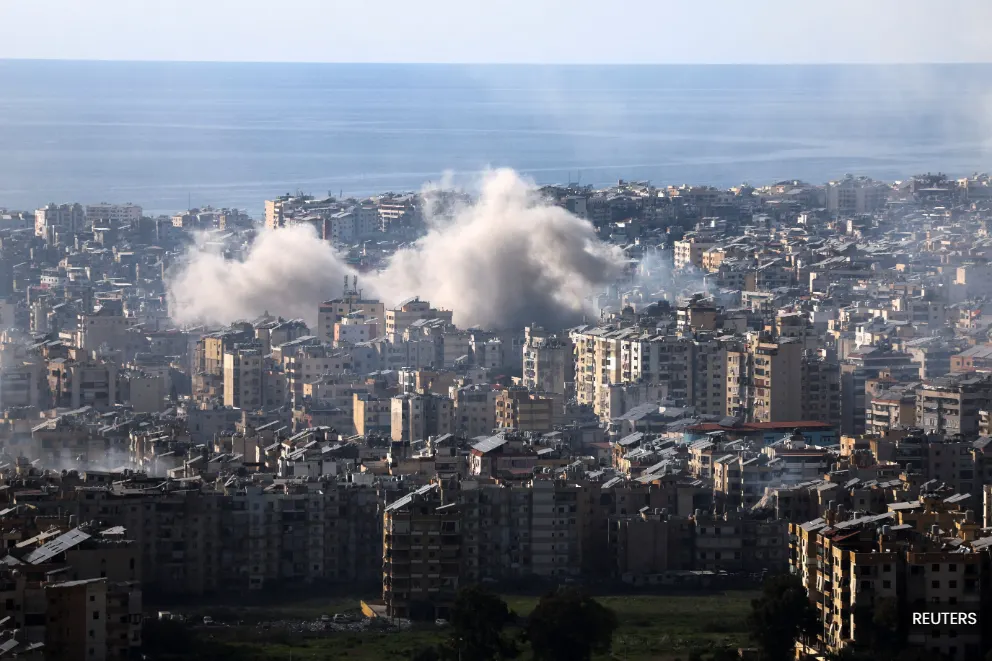
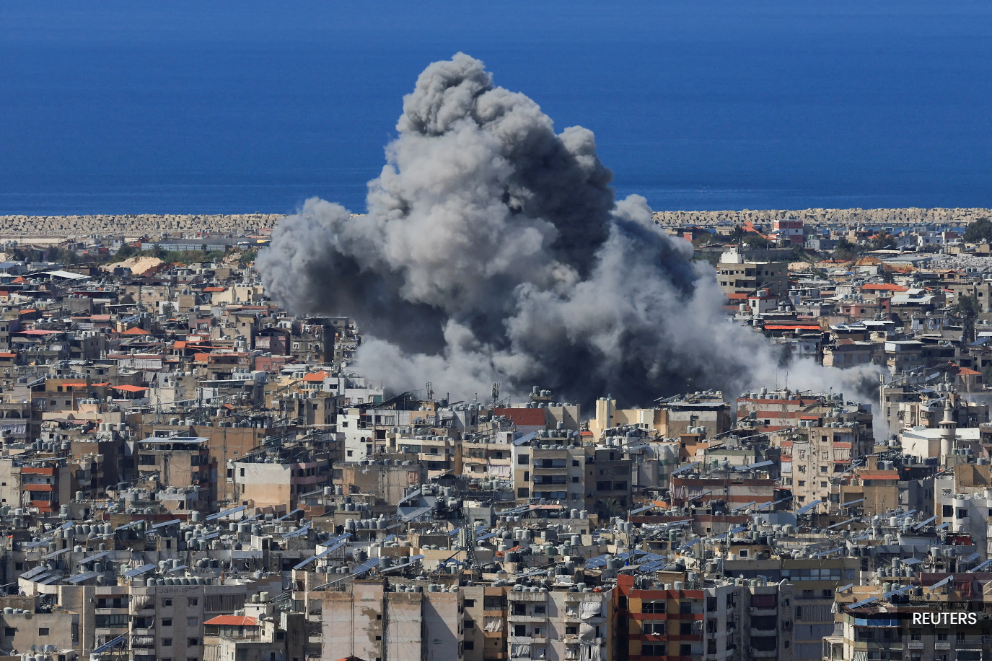
BOSTON/LONDON, March 12 — Global shares fell on Thursday as attacks on oil tankers in the Gulf and a warning from Iran shattered prospects of an imminent de-escalation in the Middle East conflict, briefly pushing oil prices above US$100 a barrel and stoking fresh inflation concerns.
Wall Street's stock indexes slumped. In early trading, the Dow Jones Industrial Average fell 1.2 per cent, the S&P 500 dropped one per cent, and the Nasdaq Composite lost 1.3 per cent.
The STOXX 600 pan-European equity benchmark slipped 0.6 per ceny. The MSCI All-World index fell nearly one per cent.
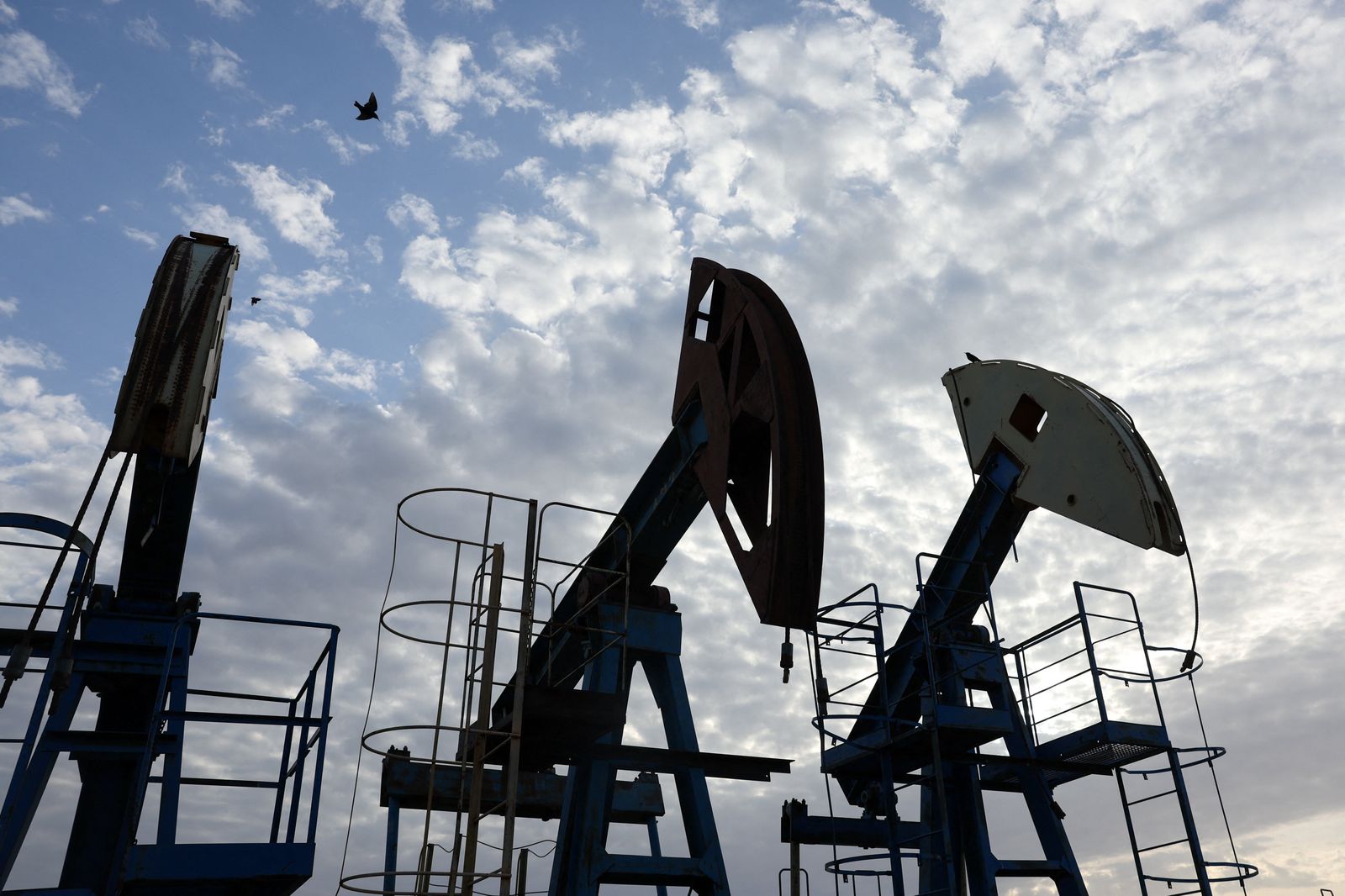
The International Energy Agency's plan to release 400 million barrels of oil from its reserves, announced on Wednesday in the largest such move in its history, failed to soothe investors.
Brent crude futures jumped as much as 10.4 per cent to US$101.59 a barrel, before trimming gains, as doubts persisted over whether reserve releases would be enough to cushion the hit from the Middle East supply shock.
United States (US) crude futures were last trading 8.6 per cent higher at US$94.76 a barrel, and Brent last stood at around US$100 a barrel.
"Even if the reserves are large, how quickly they can be delivered to markets is untested. Ultimately, a market balanced via strategic stock releases is going to be far less logistically efficient," said Natixis CIB energy analyst Joel Hancock.
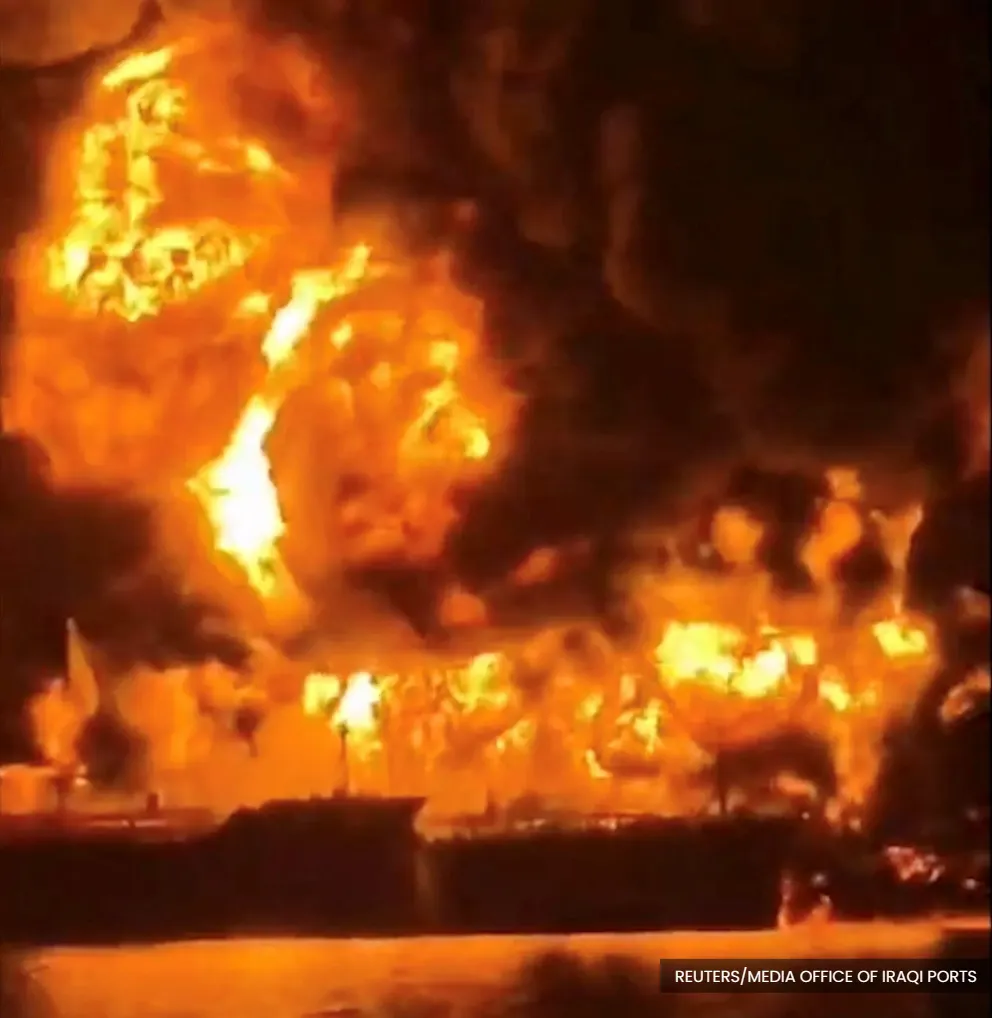
Iran warns of fresh attacks as strikes on oil shipments continue
Meanwhile, new Iranian Supreme Leader Mojtaba Khamenei said on Thursday via a statement read out on state television that the country will avenge the blood of its martyrs, keep the Strait of Hormuz closed and attack US bases. This is his first remarks since succeeding his slain father, who was killed on February 28.
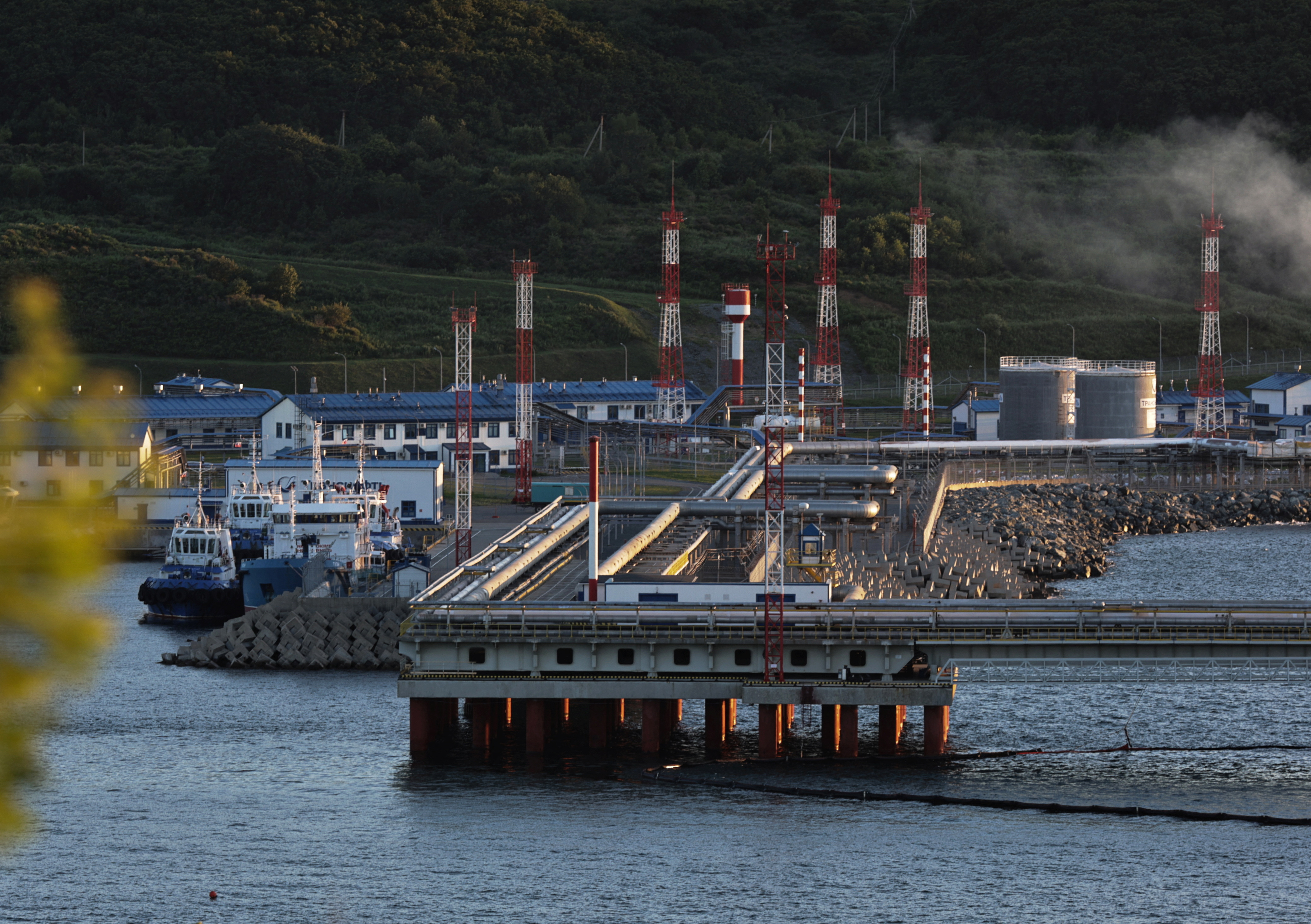
Earlier, two fuel tankers in Iraqi waters were struck by explosive-laden Iranian boats, Iraqi security officials said early on Thursday, while an Iraqi official told state media that its oil ports "have completely stopped operations."
"The market remains very concerned in terms of what is going on in the Strait of Hormuz, and basically, information that we are getting over the last 24 hours is not a good reading," said NAB senior FX strategist Rodrigo Catril.
Iran had earlier stepped up attacks on merchant ships in the Strait of Hormuz, increasing the number of ships struck in the region since fighting began to at least 16. Tehran has warned the world to prepare for oil at US$200 a barrel, although US Energy Secretary Chris Wright said on Thursday that global oil prices are unlikely to reach that level.
Inflation risks
Data on Wednesday showed the US Consumer Price Index rose 0.3 per cent in February, in line with forecasts and above January's 0.2 per cent increase. However, the report was not regarded as particularly relevant given that the Iran war has started to fuel inflation.
In bond markets, the risk of rising inflation outweighed safe-haven considerations, pushing yields higher globally. Yields on 10-year US Treasury notes rose 2.8 basis points to 4.234 per cent, having jumped seven bps overnight.
The US Federal Reserve will cut interest rates for the first time this year in June, according to economists polled by Reuters. Nearly 40 per cent of economists expect just one rate reduction, or none, this year, almost double the share predicting three or more.
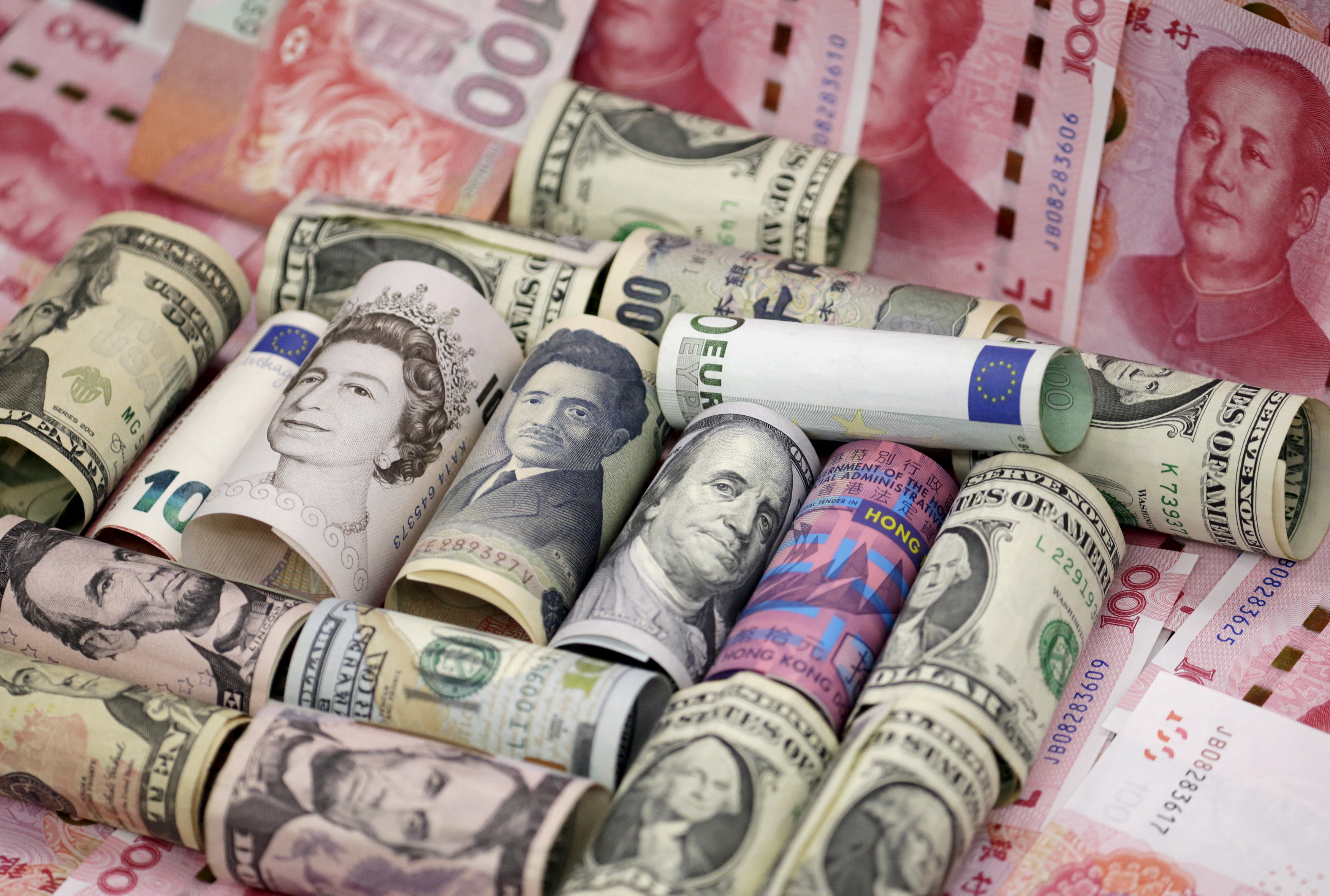
Nervous investors sought the liquidity of dollars while shunning currencies from countries that are net energy importers, including Japan and much of Europe.
The euro slipped 0.35 per cent to US$1.152. The dollar was slightly stronger at ¥159.06.