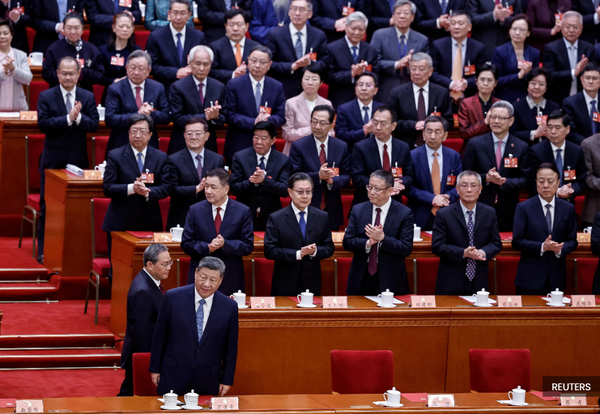
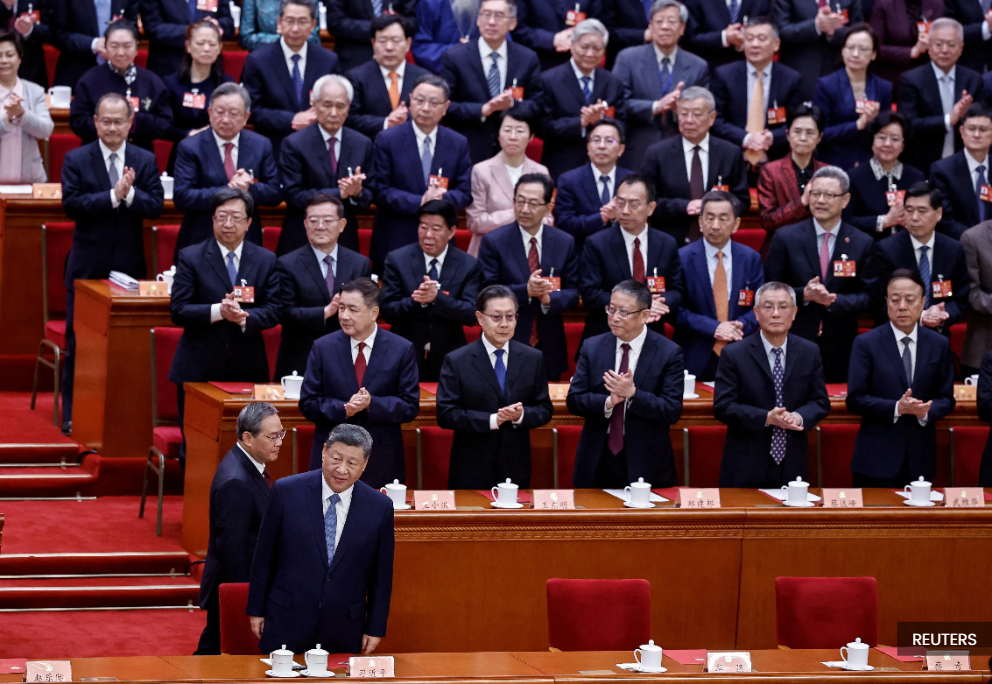
BEIJING, March 12 — China is expected to pass a law on a ‘shared’ national identity among the country's 55 ethnic minority groups today, a move critics say will further erode the identity of people who are not majority Han Chinese and risk making anyone challenging that ‘unity’ a separatist punishable by law.
Called ‘Promoting Ethnic Unity and Progress’, the ethnic minority law aims to forge national unity and advance the rejuvenation of the Chinese nation with the Chinese Communist Party (CCP) at its core, a draft copy of the law showed.
It is due to be passed at the closing session of the annual meeting of the National People's Congress, China's legislature.
Officially, China has 56 officially recognised ethnic groups, dominated by the Han Chinese, who account for more than 91% of the country's 1.4 billion people.
China's ethnic minority populations — including Tibetans, Mongols, Hui, Manchus, and Uyghurs — are concentrated in regions that together cover roughly half of the country's land area, much of it rich in natural resources.
The law aims to promote integration across ethnic groups through education, housing, migration, community life, culture, tourism, and development policy, the law said.
It mandates that Mandarin is the basic language of instruction in schools, and for government and official business.
In public settings, where Mandarin and minority languages are used together, Mandarin must be given "prominence in placement, order, and similar respects," the draft said.
"The state respects and protects the learning and use of minority languages and scripts," it added.
Religious groups, religious schools, and religious venues must adhere "to the direction of the Sinicization of religion in China," according to the draft.
The law also seeks to ban any interference with marriage choices based on ethnicity, custom, or religion, to enable more intermarriage between ethnic groups.
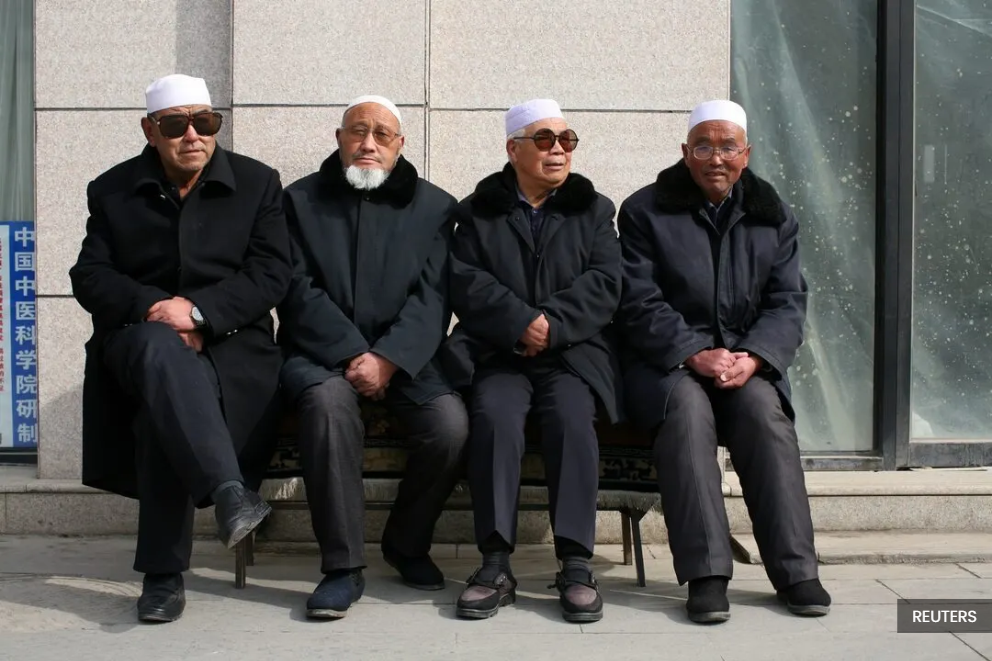
‘Intergrate with the majority’
Allen Carlson, an associate professor of government at Cornell University and an expert on Chinese foreign policy, said the law underlined a move towards assimilation.
"The law makes it clearer than ever that in President Xi Jinping's PRC non-Han peoples must do more to integrate themselves with the Han majority, and above all else be loyal to Beijing,” he said, referring to China by the initials for its official name.
Ethnic affairs are incorporated into China's social governance system, with clauses that include anti-separatism, border security, risk prevention, and social stability.
Organisations and individuals outside China that carry out acts against the country "that undermine ethnic unity and progress or create ethnic separatism shall be pursued for legal liability in accordance with the law," the draft said.
An editorial in state newspaper China Daily said that the law had followed a rigorous legislative process, been through multiple readings and consultations with lawmakers and representatives from ethnic minority communities.
"The law stresses the protection of cultural traditions and lifestyles of all ethnic groups ... it is misleading to claim that ethnic minorities in China must choose between economic development and cultural preservation," it said.