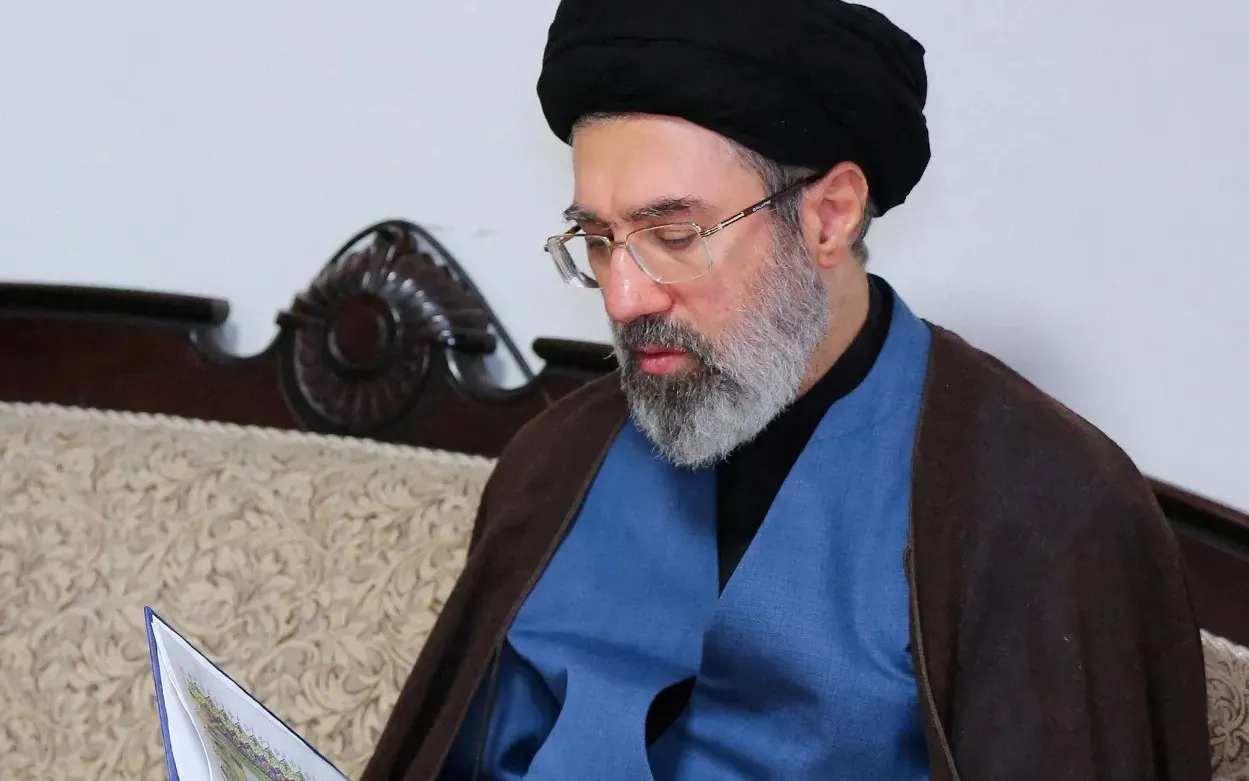
KUALA LUMPUR, March 9 — Mojtaba Khamenei's appointment as Iran's new Supreme Leader comes amid ongoing volatile conflict between Iran, Israel and the United States (US), with intensifying military strikes, drone attacks and economic disruptions reported across the Middle East and beyond.
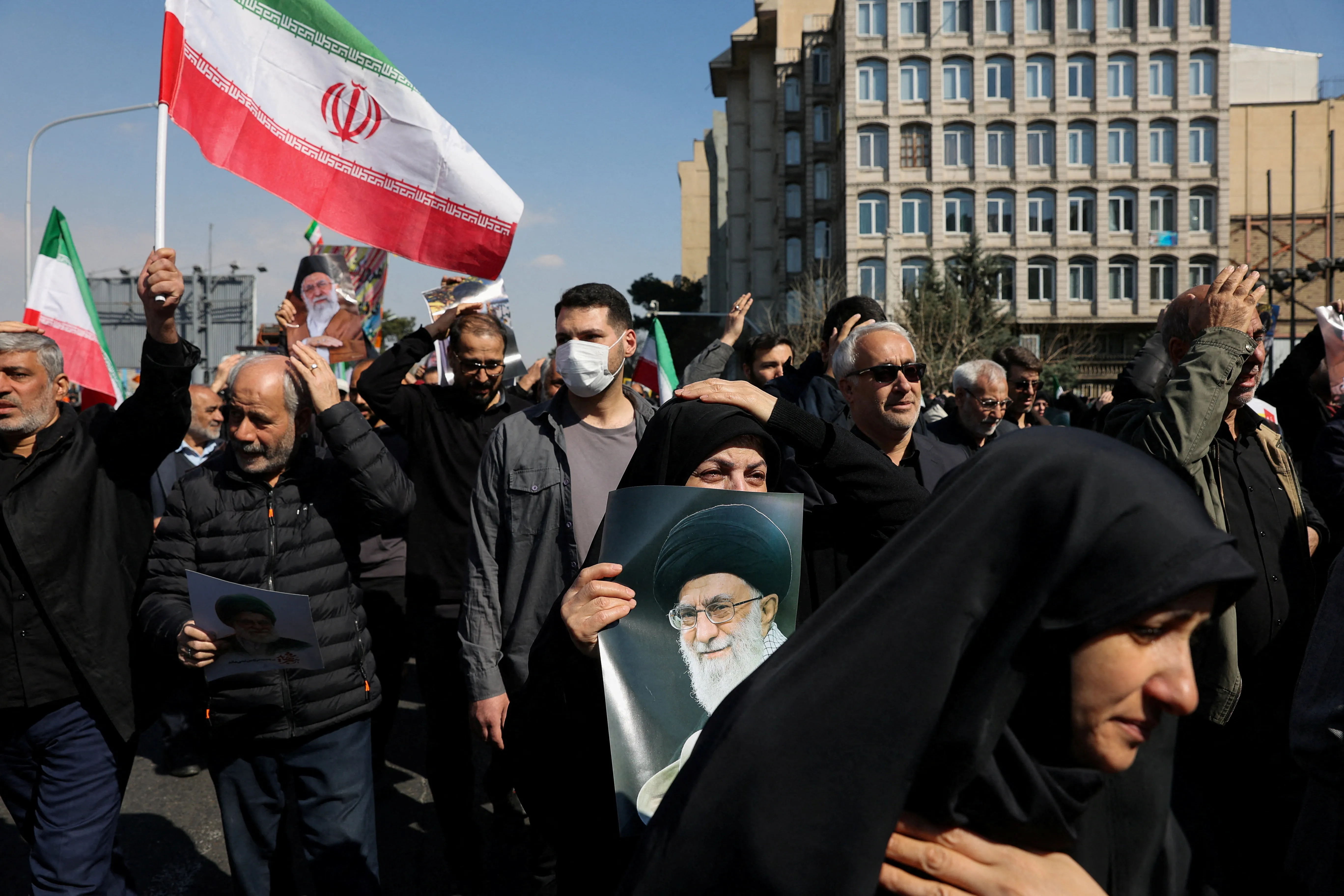
Iran’s Assembly of Experts named the 56-year-old cleric as the country’s third supreme leader, succeeding his father Ayatollah Ali Khamenei, who was killed in a US-Israeli airstrike on February 28.
Anadolu Ajansı reported that his appointment has received backing from Iran’s Islamic Revolutionary Guard Corps, which pledged loyalty and said it would follow the directives of the new leader.
Military tensions across the region have continued to intensify.
Iran’s Army has confirmed that 104 crew members of the Iranian warship IRIS Dena were killed and 32 others injured in a US torpedo attack on March 4 in waters off Sri Lanka.
State news agency IRNA reported that the vessel had been returning from naval drills in India, while Washington confirmed that an American submarine carried out the attack.
Elsewhere in the Gulf, Saudi Arabia said its air defence systems intercepted and destroyed a drone targeting the Shaybah oilfield in the country’s southeast, along with two additional drones north of the capital Riyadh.
The Saudi authorities also reported that a projectile struck a residential facility in Al-Kharj Governorate, killing two residents and injuring 12 others.
The US has ordered non-essential embassy staff and their families to leave Saudi Arabia as a precaution amid rising regional security risks.
In Bahrain, authorities said a drone attack near the capital Manama injured several civilians and damaged homes in the Sitra area.
The Bahrain News Agency (BNA) reported the Health Ministry confirming that 32 civilians were injured, including four in serious condition, among them children requiring surgery.
Similarly, the Emirates News Agency reported that the United Arab Emirates said its air defence systems were responding to incoming missile and drone threats launched from Iran.
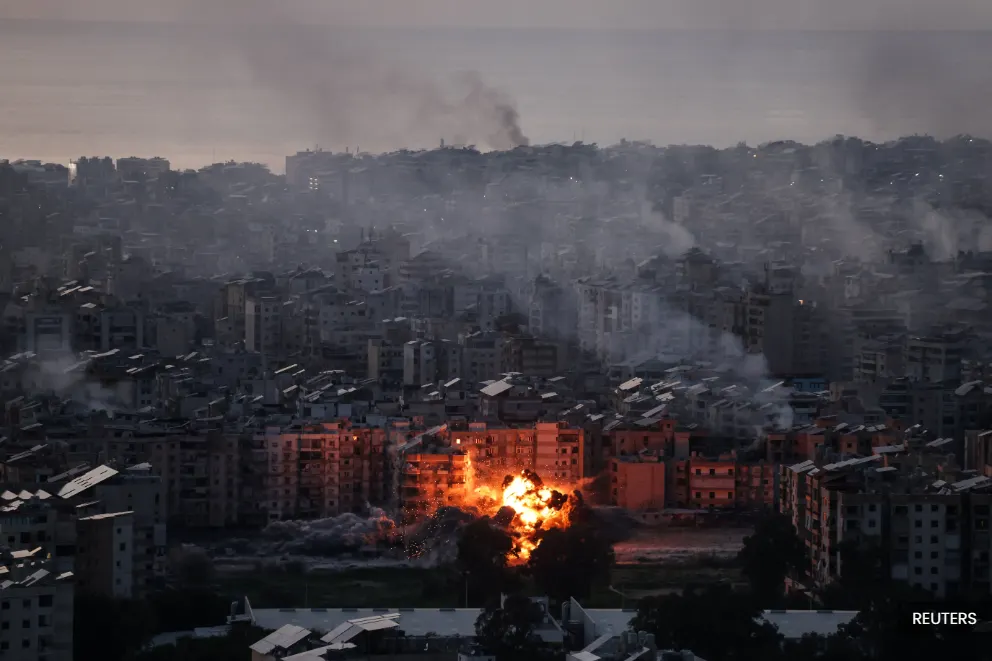
In Lebanon, the authorities said at least 26 people were killed and 33 others injured in Israeli airstrikes across southern and eastern parts of the country.
The strikes came amid expanding hostilities between Israel and Hezbollah, which have intensified alongside the broader regional confrontation linked to the US-Israeli war on Iran.
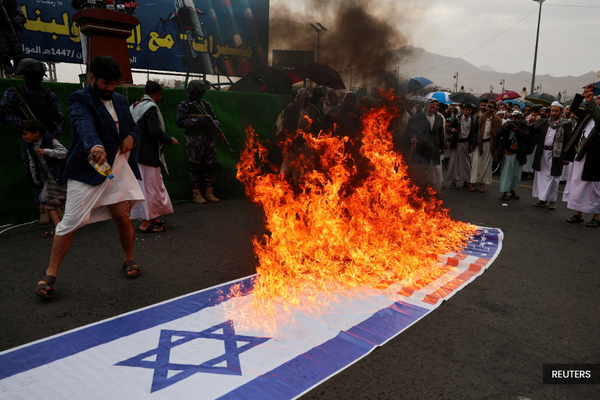
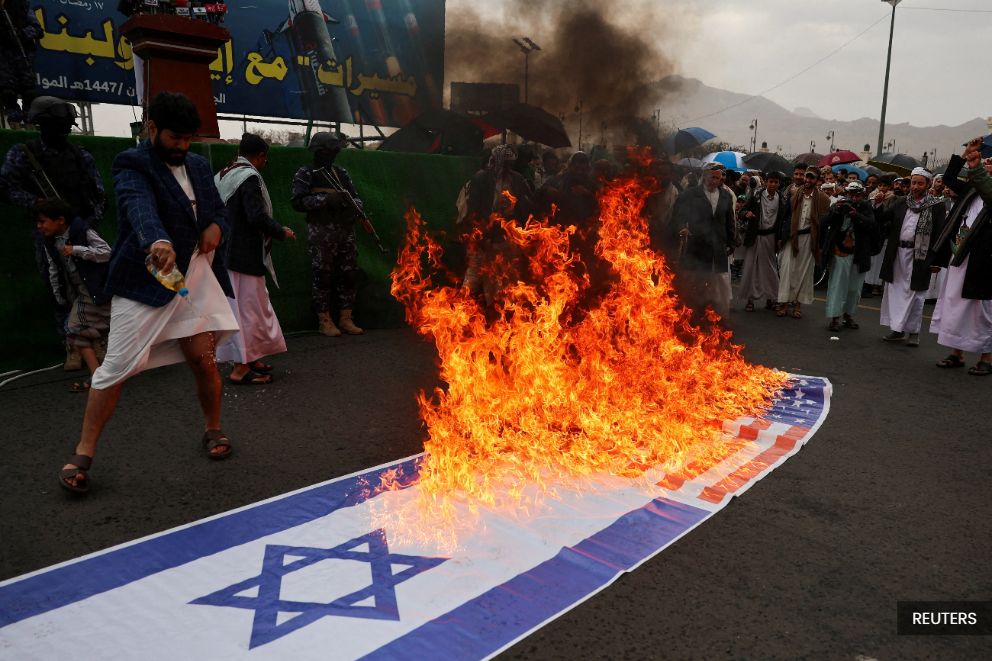
Meanwhile, Yemen’s government warned the Houthis against carrying out military actions that could serve Iran’s agenda and further destabilise the region.
Amid deteriorating security, Malaysia’s Foreign Ministry (Wisma Putra) said its travel advisory covering 10 Middle Eastern countries remains in effect.
It advised citizens to defer travel to Iran, Iraq, Jordan, Kuwait, Qatar, Bahrain, the United Arab Emirates, Lebanon, Oman, and Saudi Arabia until further notice.
The National Security Council said that the government is in the final phase of preparations to carry out the evacuation of Malaysians from several countries affected by the conflict in the Middle East, following increasingly deteriorating security developments in the region.
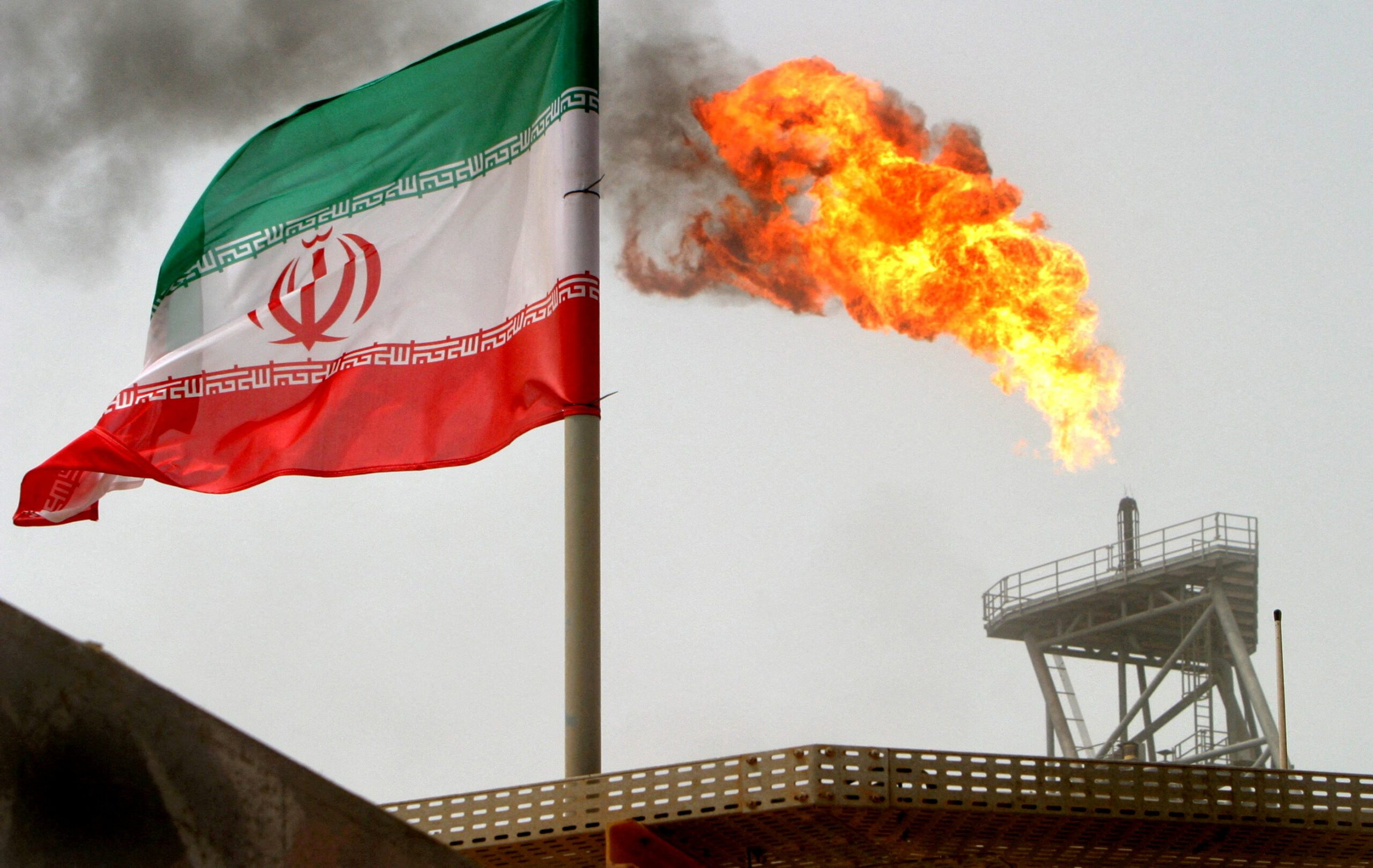
The conflict has also disrupted global energy markets and economic activity.
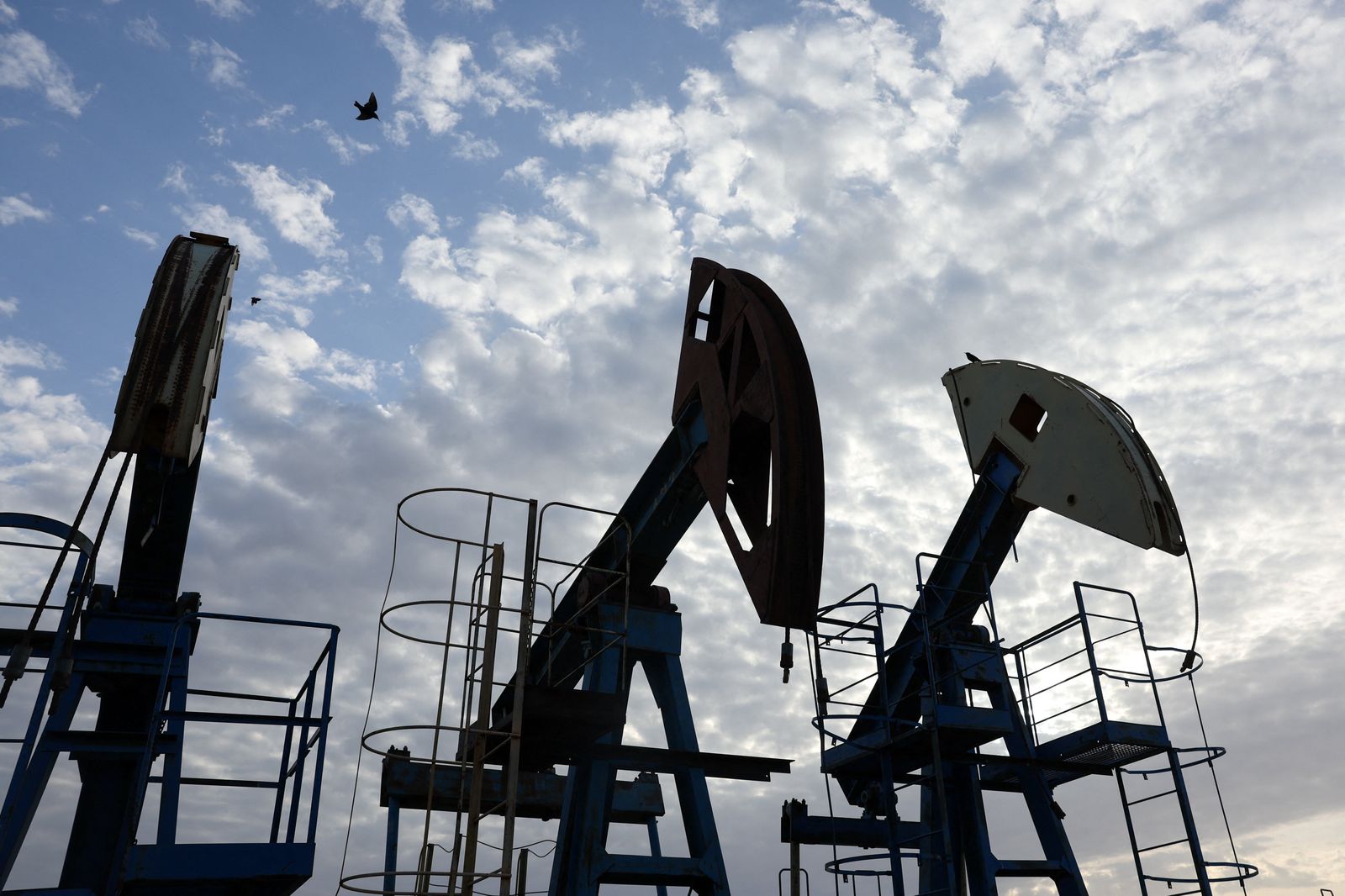
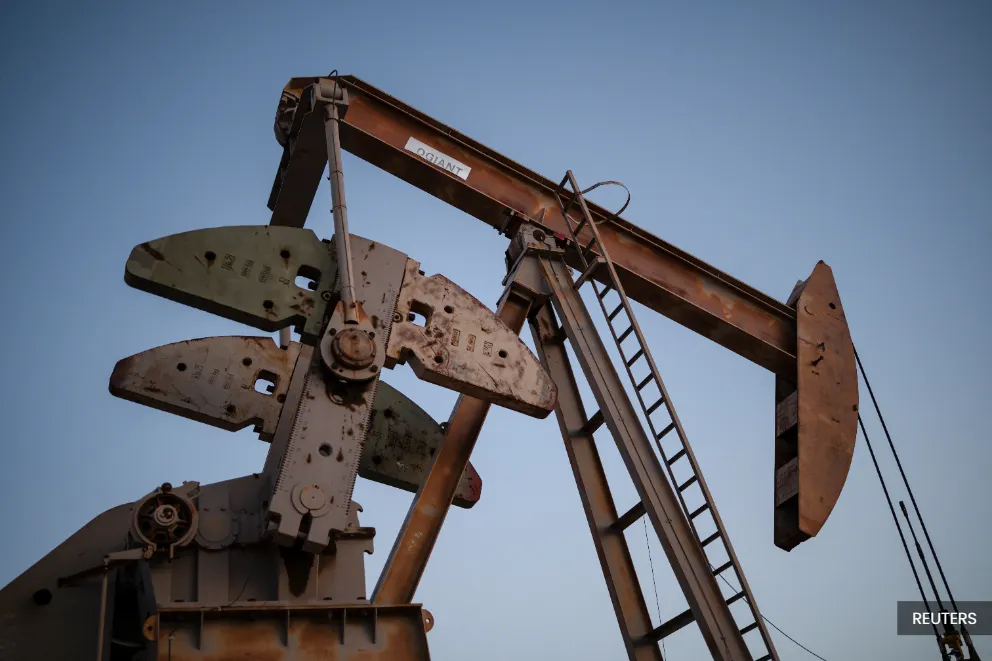
Anadolu, citing Trading Economics data, reported that crude oil prices surged above US$105 per barrel and briefly reached US$108 following the announcement of Iran’s new Supreme Leader.
Sputnik/RIA Novosti reported that earlier in the day, Brent crude climbed as high as US$118 per barrel, the highest level in about four years.
US President Donald Trump said the price surge would be temporary and predicted that oil prices would fall once what he described as the “Iran nuclear threat” is neutralised.
The conflict has also disrupted oil production and transport routes across the region.
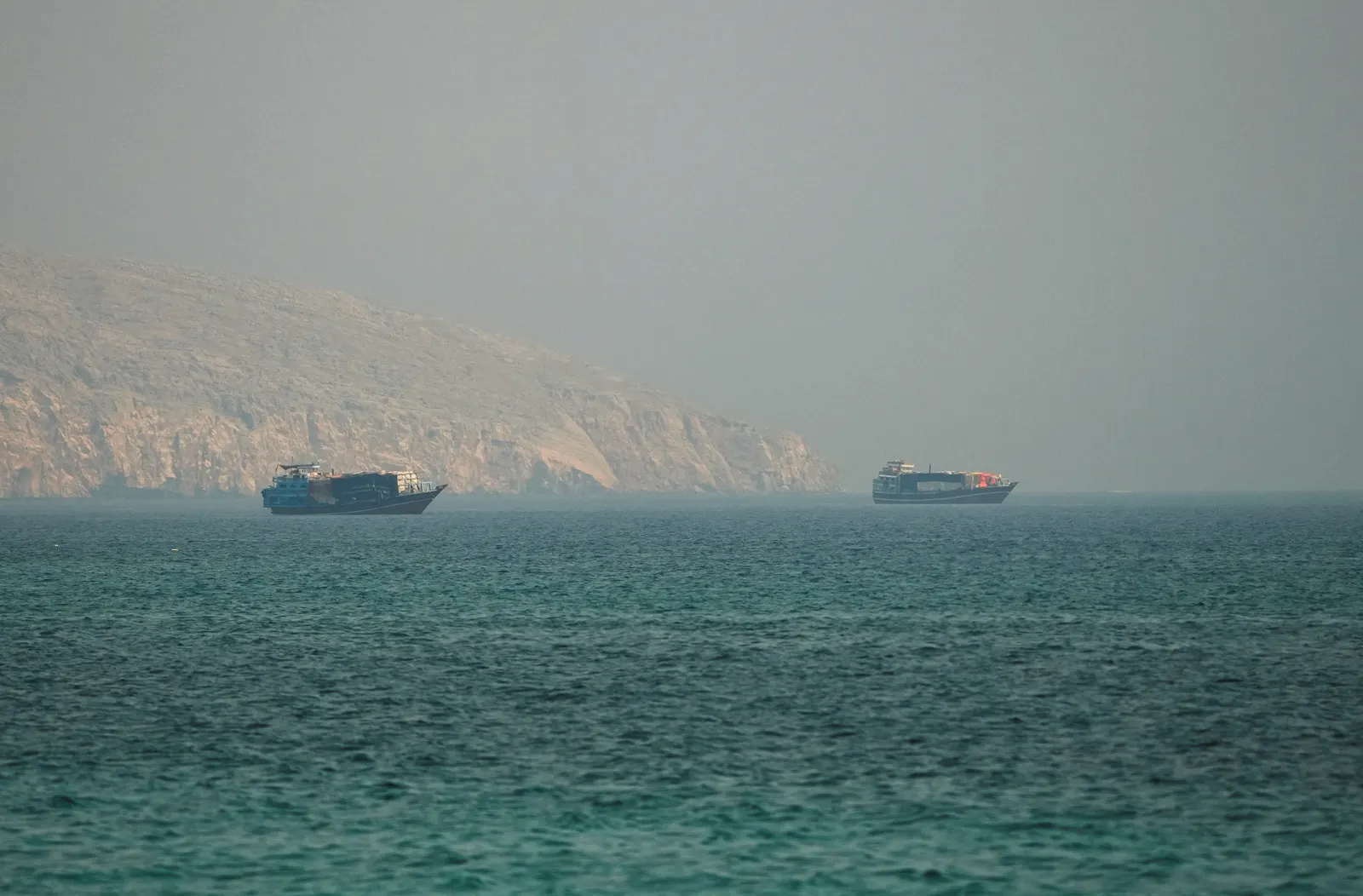
Anadolu, citing officials, reported that Iraq’s oil output has dropped by nearly 60 per cent to about 1.3 million barrels per day after exports were affected by the closure of the Strait of Hormuz and attacks on energy infrastructure.
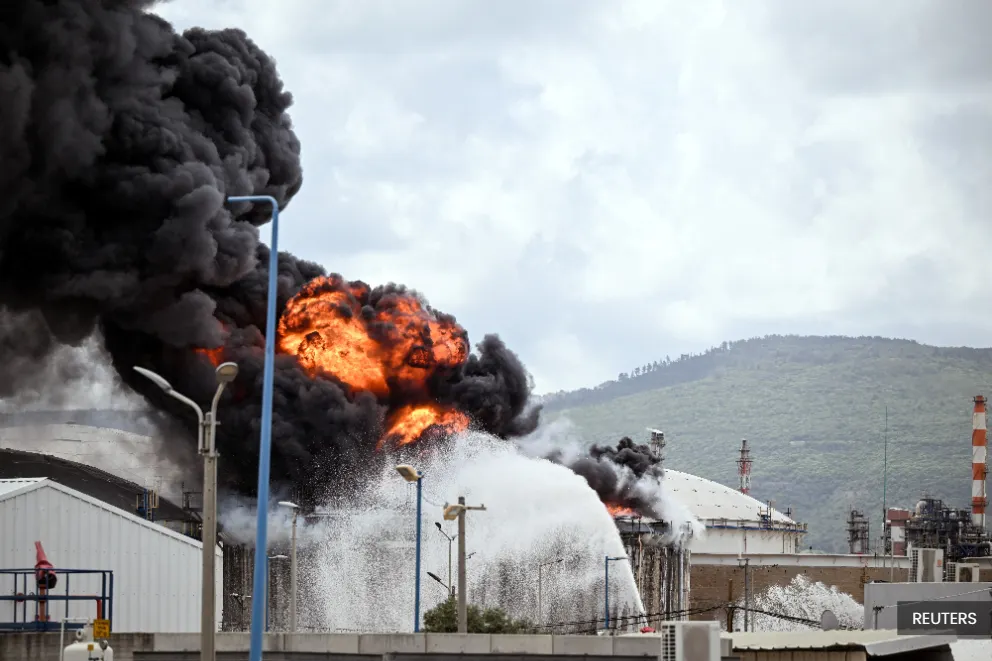
Meanwhile, the BNA reported that Bahrain’s state energy company Bapco Energies has declared force majeure on its group operations following attacks affecting its refinery complex.
The energy shock also affects economies far from the conflict zone.
In New Zealand, Xinhua reported that freight companies warned that global supply disruptions could sharply increase transport costs and delay shipments by weeks.
Many shipping lines are rerouting vessels around southern Africa to avoid the Middle East, extending transit times by up to 40 days.
In Bangladesh, the authorities have ordered the closure of educational institutions nationwide to conserve electricity and fuel amid rising energy costs and supply pressures linked to the conflict.